Protecting people from hatred must never mean placing religions, political causes or governments beyond criticism. Harry Margulies argues that Britain’s liberal democracy depends on applying the same standards of protection, scrutiny and accountability to everyone, regardless of their beliefs
It shouldn’t be controversial that a Jew in Britain should be able to wear a Star of David, or that a Muslim should be able to wear a hijab and attend a mosque, without being threatened. Neither should have to agree with the other’s politics or religion for this to be the case.
Yet Britain seems to be struggling with a distinction that ought to be fundamental to a liberal democracy: individuals get legal protection but their ideas and deeply held beliefs do not. This time-honoured liberal settlement is coming under strain. The Government itself warned earlier this year that social cohesion is weakening and tensions between communities are worsening.
Britain can protect Muslims from hatred without protecting Islam from criticism. Likewise, it can protect Jews from antisemitism without protecting Judaism, Zionism or the policies of the Israeli government from criticism. A Muslim should be free to support Israel without being accused of betraying Palestinians while a Jew should be free to support Palestinian statehood without being accused of betraying Israel. A Muslim is not Hamas and a Jew is not the Israeli government.
People should be protected from discrimination, intimidation and violence because of who they are or because of the beliefs they hold. But no religion, political ideology or government should be immune from criticism because its adherents consider it sacred or beyond question. If an imam, rabbi or priest argues that British society should be governed by their religious rules, we should be free to challenge that argument. Indeed, it is entirely legitimate to oppose arguments that could restrict the liberal freedoms we ourselves rely upon.
Religion and political belief, then, deserve the same freedom as any other set of ideas: the freedom to exist, to be practised or expressed and to be defended – but also the freedom to be questioned, criticised and rejected.
We must distinguish between what people believe and what they do because of what they believe. When someone turns a political or religious conviction into threats, violence, persecution or crime, it’s the action that must be judged.
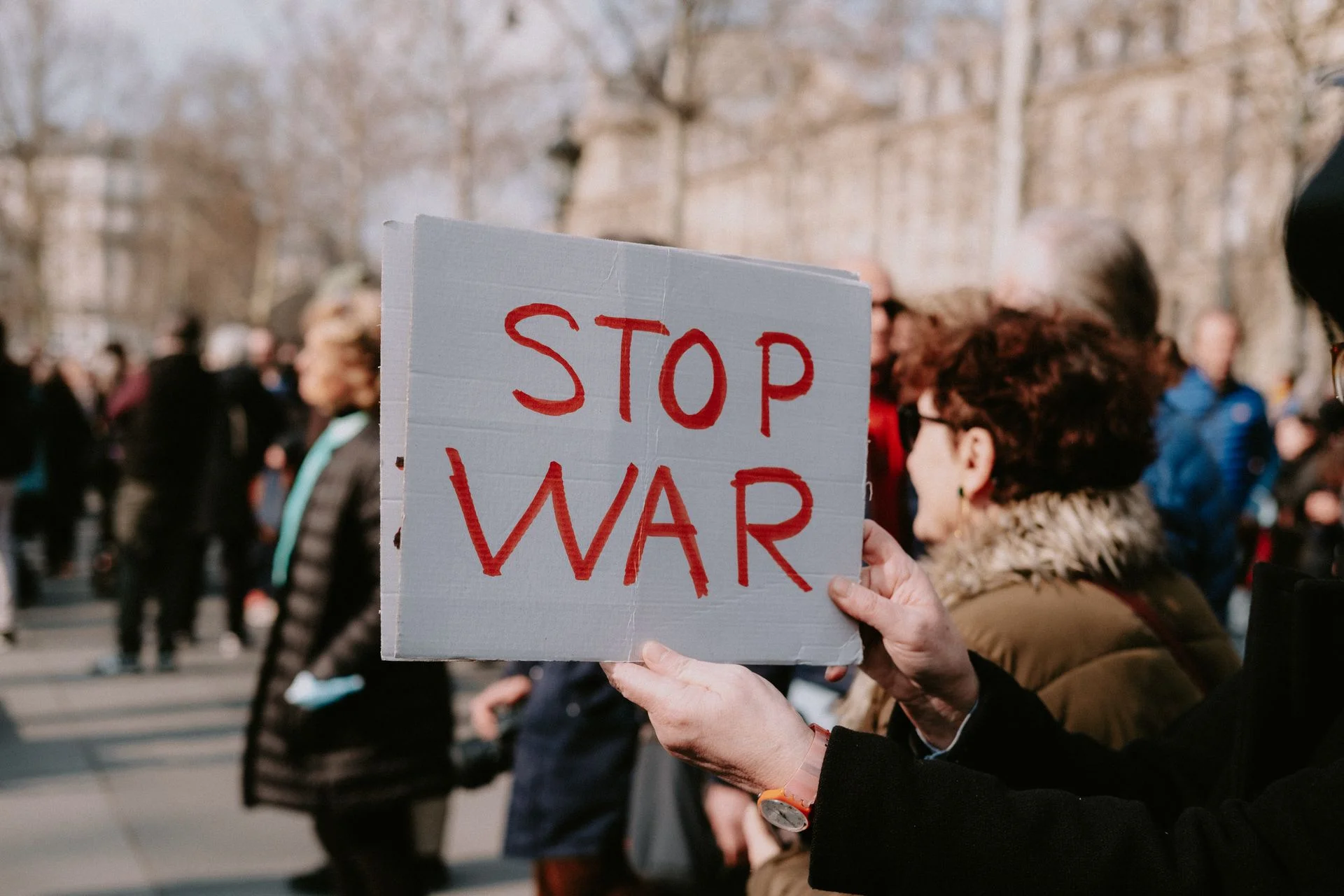
Protests and gatherings to demonstrate political opinion are also part of our liberal freedoms. But those freedoms do not give anyone the right to intimidate others, threaten them or prevent them from exercising the same freedoms.
By the same token, policing should not depend on which religion is gathering or which political cause a protester supports. Equal protection means equal accountability. That principle is currently being tested. On August 26, the Independent Office for Police Conduct announced misconduct investigations into four current and former West Midlands Police officers over the decision to bar Maccabi Tel Aviv supporters from Aston Villa’s Europa League match last November, after an independent inquiry found errors in the intelligence and decision-making behind the ban. The controversy has raised fresh questions about whether policing decisions involving religious or political identity are being made fairly, consistently and on reliable evidence.
Journalism must also meet the same standard. British journalists should report on Gaza: Palestinian and Israeli civilians killed, the hostages, the destruction, the humanitarian suffering and allegations of war crimes. But reporting should distinguish allegation from legal conclusion. When journalists use the word ‘genocide’, they should explain that it’s a legal term with a specific meaning. The International Court of Justice has issued provisional measures in South Africa’s case accusing Israel of violating the Genocide Convention in Gaza. It must be remembered that those measures are not the same thing as a final judgment that Israel has committed genocide.
In effect, the same principle should apply to every side: allegations should be investigated, evidence examined and conclusions should follow the evidence.
Freedom of speech must include your right to offend me – and my right to be offended. I have no right to demand that the state silence you merely because I find your opinion insulting. You, in turn, have no right to demand that the state silence me merely because my criticism of your religion, politics or ideology offends you.
Britain’s liberal democratic settlement works because it allows people with profoundly different beliefs to live alongside one another without requiring agreement. Liberalism, however, only thrives when there is a requirement to protect individuals without protecting their ideas from scrutiny.
If the person who claims to be most offended gets to determine what others may say, freedom of speech has effectively been replaced by a competition in victimhood. And if threats of violence become the mechanism by which the boundaries of acceptable speech are established, the loudest threat becomes the censor.
If Britain is to preserve its liberal tradition, it must continue to apply the same freedoms, protections and responsibilities to everyone, regardless of what they happen to believe.

Harry Margulies is a journalist, author, commentator and public intellectual whose work interrogates religion, politics and morality with sharp wit and fearless clarity. A second-generation Holocaust survivor, he was born in Austria and spent time in an Austrian refugee camp before moving to Sweden. Educated by Orthodox rabbis throughout his childhood, he ultimately abandoned faith in his teens – a journey that has shaped his lifelong commitment to secularism, critical thinking and freedom of expression. His latest book, Is God Real? Hell Knows, has been described by ABBA’s Björn Ulvaeus as “funny, sharp, and unafraid.”
READ MORE: ‘Is Mars humanity’s greatest adventure or a one-way trip?‘. As the race to colonise Mars gathers pace, one question receives far less attention: could long-term life in the Red Planet’s low gravity leave its first settlers and their children condemned never to return to Earth? Harry Margulies explores the risk.
Do you have news to share or expertise to contribute? The European welcomes insights from business leaders and sector specialists. Get in touch with our editorial team to find out more.
Main Image: dp singh Bhullar /Pexels