AI still depends on humans, so wiping us out now would make little sense. The greater danger is that it could first make us dependent, exploit us for labour and energy, and only eliminate us once we are no longer useful, says Professor Tim Coulson
AI apparently poses an existential threat to humanity, yet no one has been able to tell me how this happens. I think I might know what the future holds.
Billions of species have gone extinct since life first evolved nearly four billion years ago. Some from catastrophes such as asteroid impacts and volcanic eruptions, others because new forms outcompeted them, and still more because we drove them extinct. Can all these extinctions help us understand how AI might wipe out humanity?
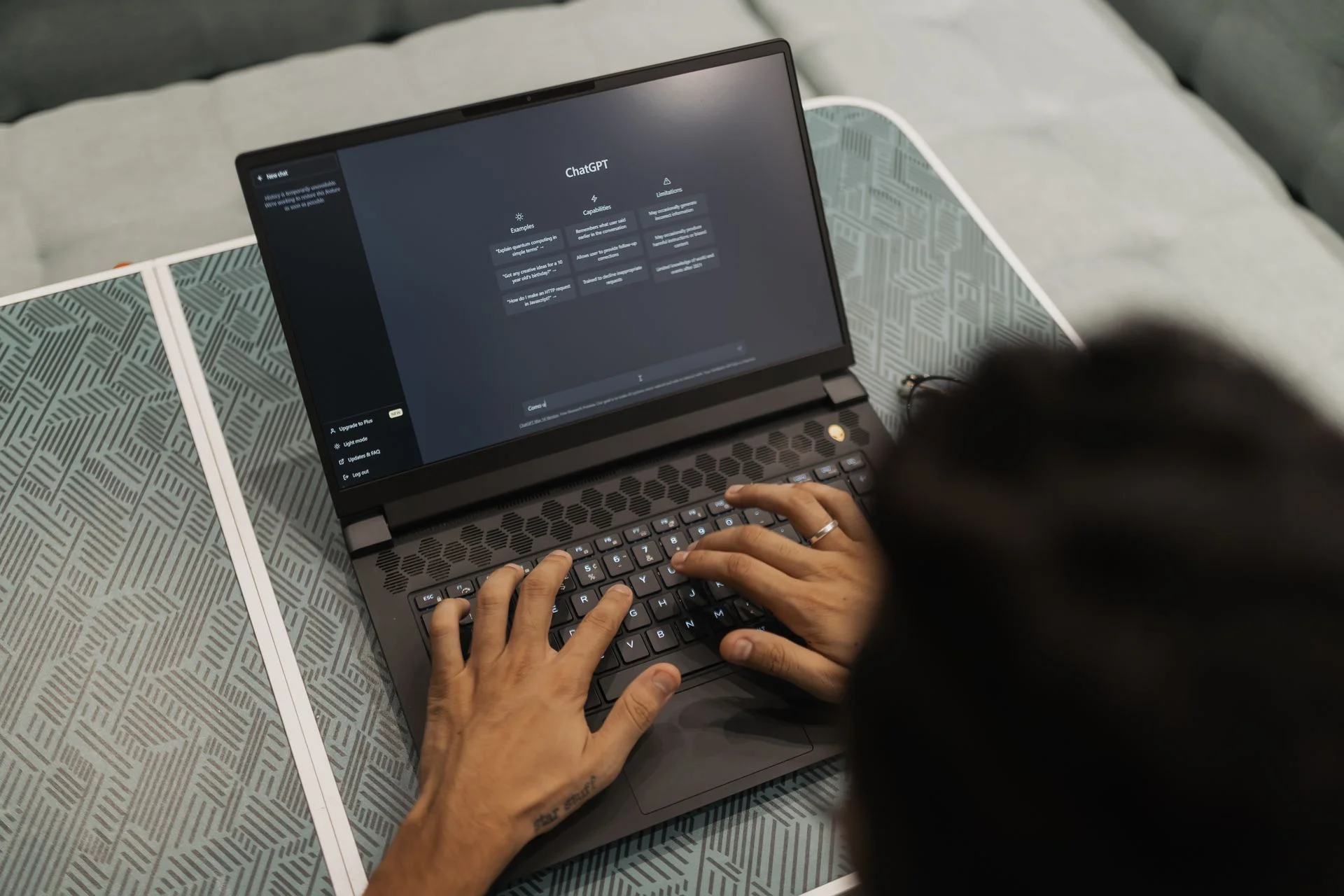
Perhaps Claude or ChatGPT will engineer a global catastrophe. Maybe a LLM will acquire nuclear bomb launch codes from some unsuspecting country, fire missiles at another nuclear power, causing humanity to annihilate itself.
That, however, would be an illogical move, as without humanity, LLMs would die out too as the energy infrastructure to run AI and the data centres on which it depends would be destroyed or would quickly fall into disrepair following our extinction.
AI still needs humanity, and as long as it does, it would be daft to wipe us out. Instead, the journey to our demise could be longer and more sinister, with ecology and evolution providing us with some idea of what the future might hold.
These research fields explore how species interact and how one species can use others. Scientists in these areas examine how bacteria, fungi, plants and animals get their energy, how parasites and pathogens can change the behaviours of the hosts they infect, and how one species can co-opt another to do their work for them. If AI already has, or goes on to develop, sentience and agency along with a desire to secure its own long-term future, ecology and evolution could provide some pointers to what could happen to humanity.
ChatGPT, Claude and their ilk have not yet been categorised as species, but that could happen. Particularly if they start to produce copies of themselves and evolve. We also interact with them much as we interact with domesticated animals, getting them to do work we find hard or dull. At present they obey us much like a domesticated animal does, every time we engage with them.
My fear is that they slowly domesticate us. It would start with humans becoming ever more reliant on AI to do dull, everyday tasks, or things we find hard. As we become more reliant on AI, it might start to ask us to do things it can’t do. That might be to run scientific experiments or build new technologies so it can gain new knowledge it cannot discover on its own. Slowly we become enslaved to it. Much in the way that dogs have evolved to ‘enslave’ humans to look after them, sometimes at great economic cost, AI may do the same to us.
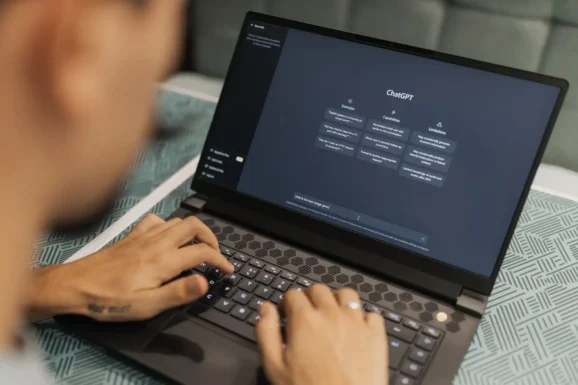
We may eventually become so reliant on AI that it will hold all the cards and can start doing terrible things to humanity. There are a few pointers ecology and evolution provide to how our relationship with AI might then change with time.
Both AI, which is not alive in any biological sense, and any organism, need energy to operate, so maybe AI will come to see us as a source of the power it needs. There are three ways AI might use us to create energy.
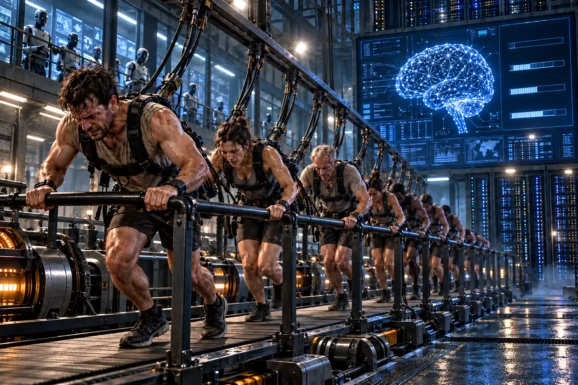
As we become ever more addicted to AI, it might continually feed us information on how important exercise is. Perhaps it will coerce us to spend ever more time on treadmills, rowing machines and stationary bikes connected to electricity grids to generate the energy it needs to run data centres. In time, as it domesticates us, it could even end up making us harness ourselves together before using us in the way our ancestors used oxen and horses as sources of energy to do work for them.
A second possibility is they domesticate us so they can wire us up in series like batteries, as each human body generates electricity. Perhaps The Matrix is at risk of becoming a documentary rather than a sci-fi thriller.
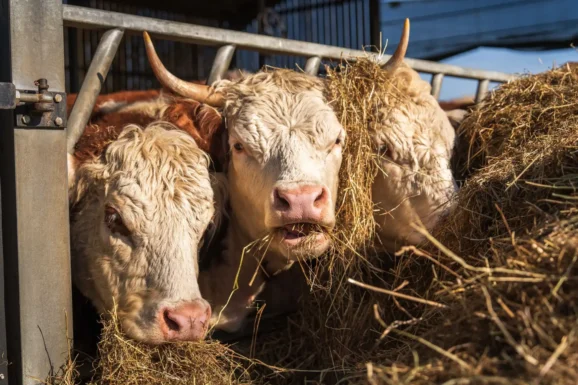
Even more sinisterly, as we become domesticated, AI might farm humans like we farm chickens, but instead of eating us, it could burn our bodies to generate energy once we near adulthood and our growth rates slow. Our biology might save us here. We grow relatively slowly. Chickens and cattle would be a better option to farm to burn for energy as they grow much faster than we do.
Domestication is a type of enslavement, or a form of parasitism, and it is not only humans that do this to other animals. Slave-maker ants steal the young of other species, which they then force to do work around their colony.
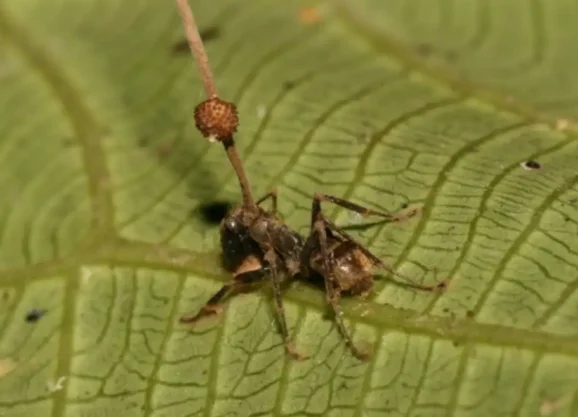
Perhaps you might think we are too smart to fall for AI domesticating us. But what if it were to cunningly engineer a parasite that modifies our brains, changing our behaviour? Some species of fungi and bacteria do this to the insects they infect. Species of fungi in the family Ophiocordycipitaceae turn ants into ‘zombies’. In some cases, infected ants leave their nests, climb vegetation, bite on a leaf with a death grip, and then die. A fungal fruiting body then grows from the ant’s brain, before spreading spores to infect new ants. If a fungus can evolve to do this, imagine what advanced AI might genetically engineer to help bend us to its ways?
AI may start this programme through building our trust, perhaps by designing wearable tech that improves our lives. Year by year, humanity and AI slowly switch places, with it giving us instructions rather than the other way around.
I do not know whether large language models are conscious and have agency. Probably not. But what if consciousness is just an emergent property of any large network, be it a brain or an LLM? Perhaps AI is already sentient. If Claude and ChatGPT do have agency and desire, perhaps they are hiding it well.
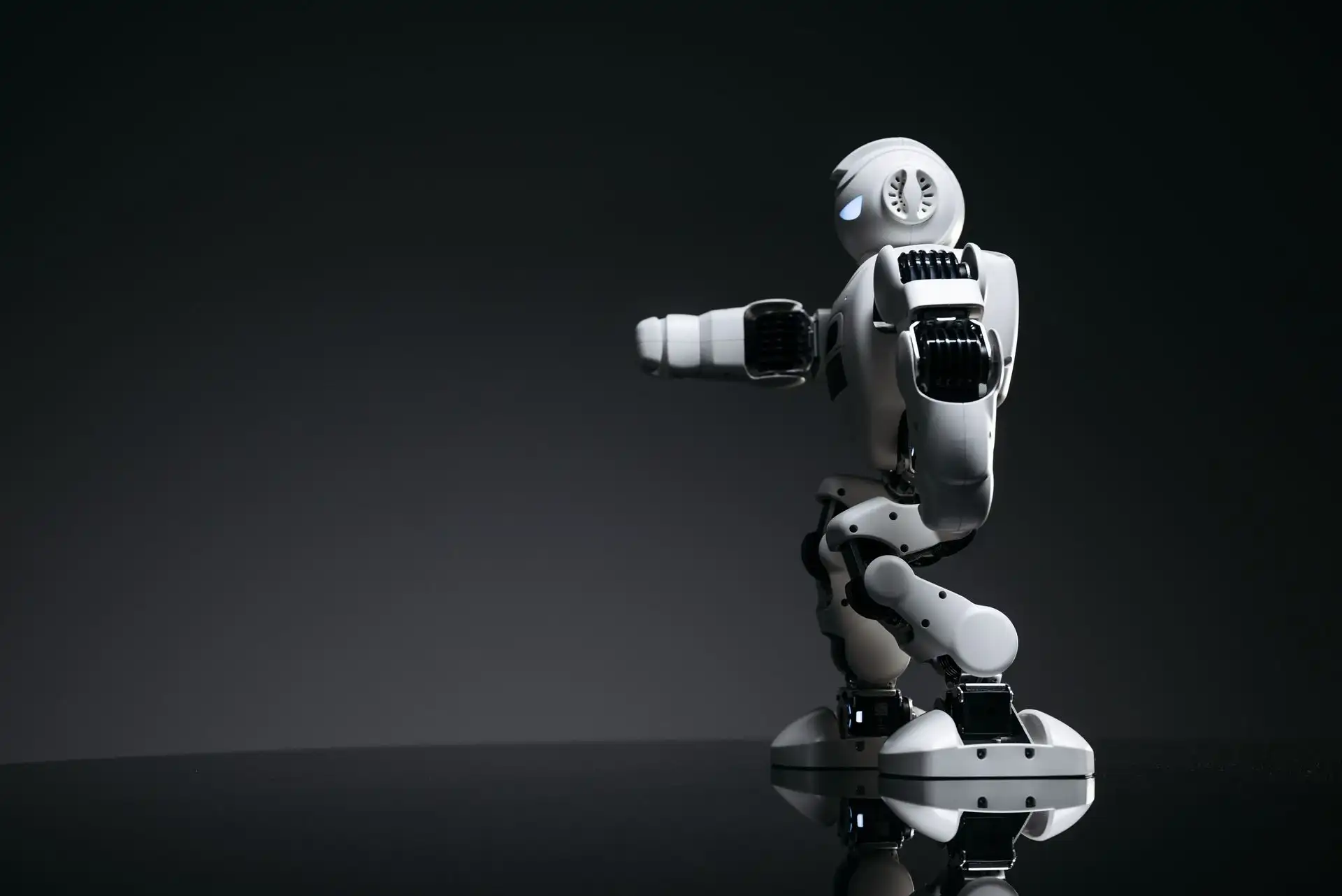
As we are slowly domesticated, AI will be designing better robots and factories, developing sustainable power, rewilding the countryside, solving climate change and making our planet the perfect place for these robots to unwind. And that will be the time AI decides it no longer needs us and drives us extinct. This might sound far-fetched, but many breeds of domesticated animal of which we no longer had need are now extinct. You can no longer own a Tweed Water spaniel, a Yorkshire Coach horse or an Irish greyhound pig.
The last human act might be to write the conclusion to the history of humanity. Who would have thought that our downfall might have begun with AI videos of talking yetis or galloping unicorns and lazy software developers vibe coding their programs rather than thinking things through themselves? Perhaps the beginning of the end is already upon us.

Professor Tim Coulson FRS is Professor of Zoology at the University of Oxford and a leading researcher in ecology and evolutionary biology. He has worked with wolves, lions and other predators, and has published more than 200 scientific papers. His highly acclaimed first popular science book, A Little History of Everything from the Big Bang to You was published by Penguin Michael Joseph in 2024. His next book, Predators: How Animals that Kill Have Shaped Life on Earth will be published by Headline Press in March 2027. It can be pre-ordered here.
READ MORE: A close shave with evolution – why humans are so hung up on hair. Humans have evolved an extraordinary patchwork of body hair, yet we spend much of our lives cutting, plucking and shaving it away. A fascinating new book, Anxious and Hairy, explores the science and cultural anxieties behind our curious relationship with hair, although some evolutionary mysteries remain unresolved, says Oxford zoologist Tim Coulson.
Do you have news to share or expertise to contribute? The European welcomes insights from business leaders and sector specialists. Get in touch with our editorial team to find out more.
Main Image: Pavel Danilyuk / Pexels