As AI drives record investment in data centres, communities from Lombardy to West Texas are questioning the costs of hosting them. Data scientist Rosalia Mazza speaks to an Italian councillor at the centre of a dispute over a €1 billion development and examines why local authorities need the full picture before approving such projects
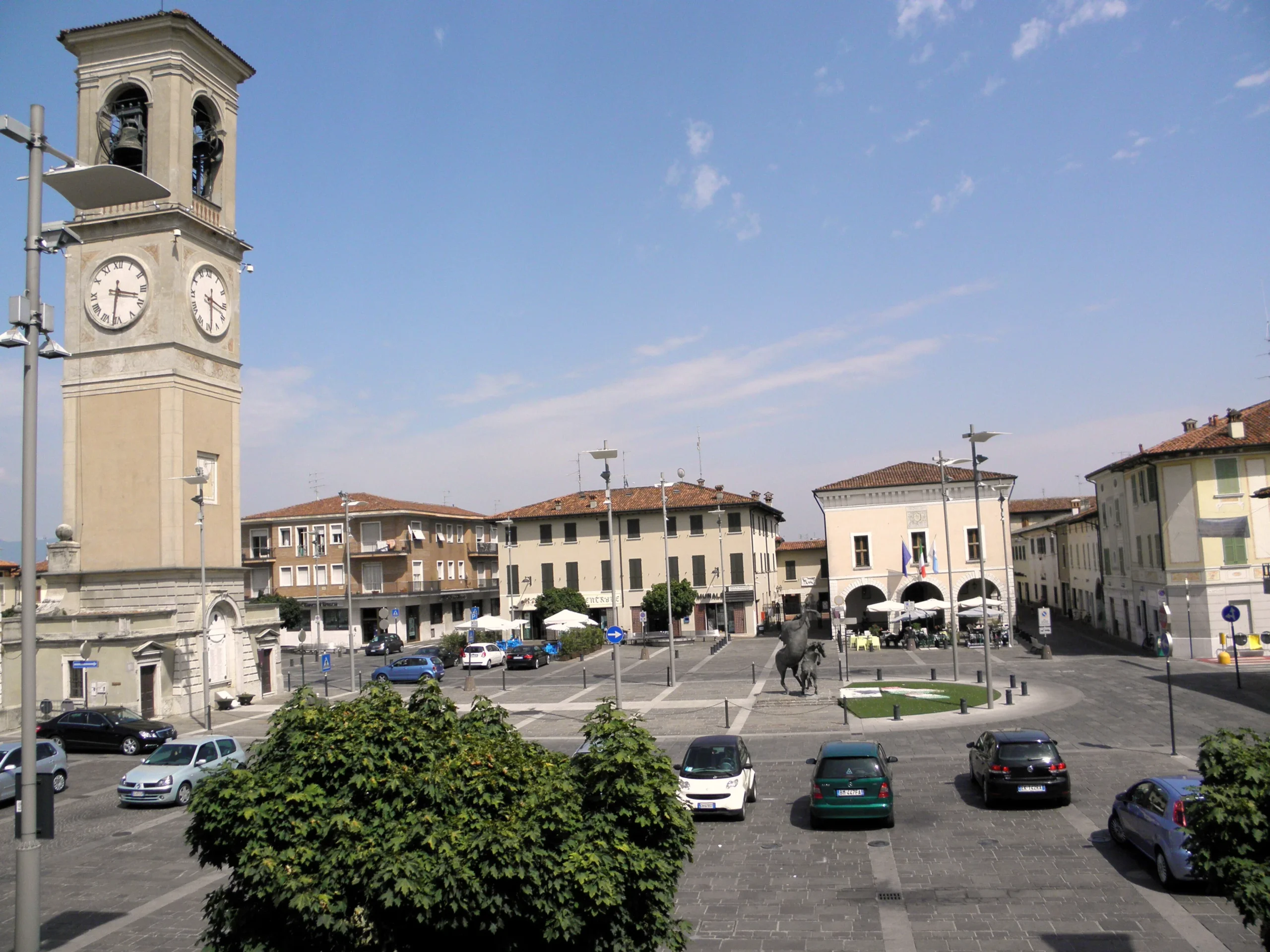
“We cannot go ahead evaluating every project as if it had to be built in the void,” Alberto Trainini told me during an interview about plans for a €1 billion data centre in Travagliato, a town in northern Italy’s Brescia province.
Trainini is an opposition councillor who leads Travagliato Bene Comune, a minority group on the local council. He and his colleagues began seeking information after the Province published a notice at the end of June concerning the project’s electricity connection. When they obtained access to the documents on 2 July, they discovered that the application had been with the municipality since December 2025.
The timing quickly became part of the controversy. Travagliato had just gone through an election campaign, yet an investment of this scale had not featured in the public discussion. Mayor Renato Pasinetti subsequently rejected suggestions that the project had been concealed, pointing to an earlier council decision concerning urbanisation charges for data centres. Trainini argued that the decision had not constituted public notification of a specific development.
The documents provided a clearer picture of what was being proposed. East Gate Srl reportedly planned a data centre of around 120 MW on approximately 14 hectares, with an estimated investment of €1 billion. The requested grid connection was 300 MW. Potential local benefits included approximately €11 million in urbanisation charges, alongside employment and wider economic activity associated with the project.
Residents also wanted to understand the possible environmental and financial consequences. During our interview, Trainini explained that important information was still missing. Questions remained about water consumption, the cooling system, noise, heat and whether any of that heat could be recovered, the impact on the electricity network, generator emissions, the source of the energy and, ultimately, who would use the facility. He said the aim was to ask sufficiently precise questions to obtain meaningful answers and avoid creating unnecessary fear around a new technology.
“The problem was not innovation,” he said, “but asking the territory, which has already given much, to accept an impact without first having all the information.”
Residents began discussing the project around town, in bars and on social media, while municipal meetings attracted large numbers. Civic committees mobilised residents, while Trainini and his political group pursued the issue through formal channels: requesting documents, raising questions in the council, submitting observations to the Province and calling for a full environmental assessment. The two sides maintained separate roles while working towards the same objective.
What emerged was a debate over how much development a particular place could reasonably be expected to absorb.
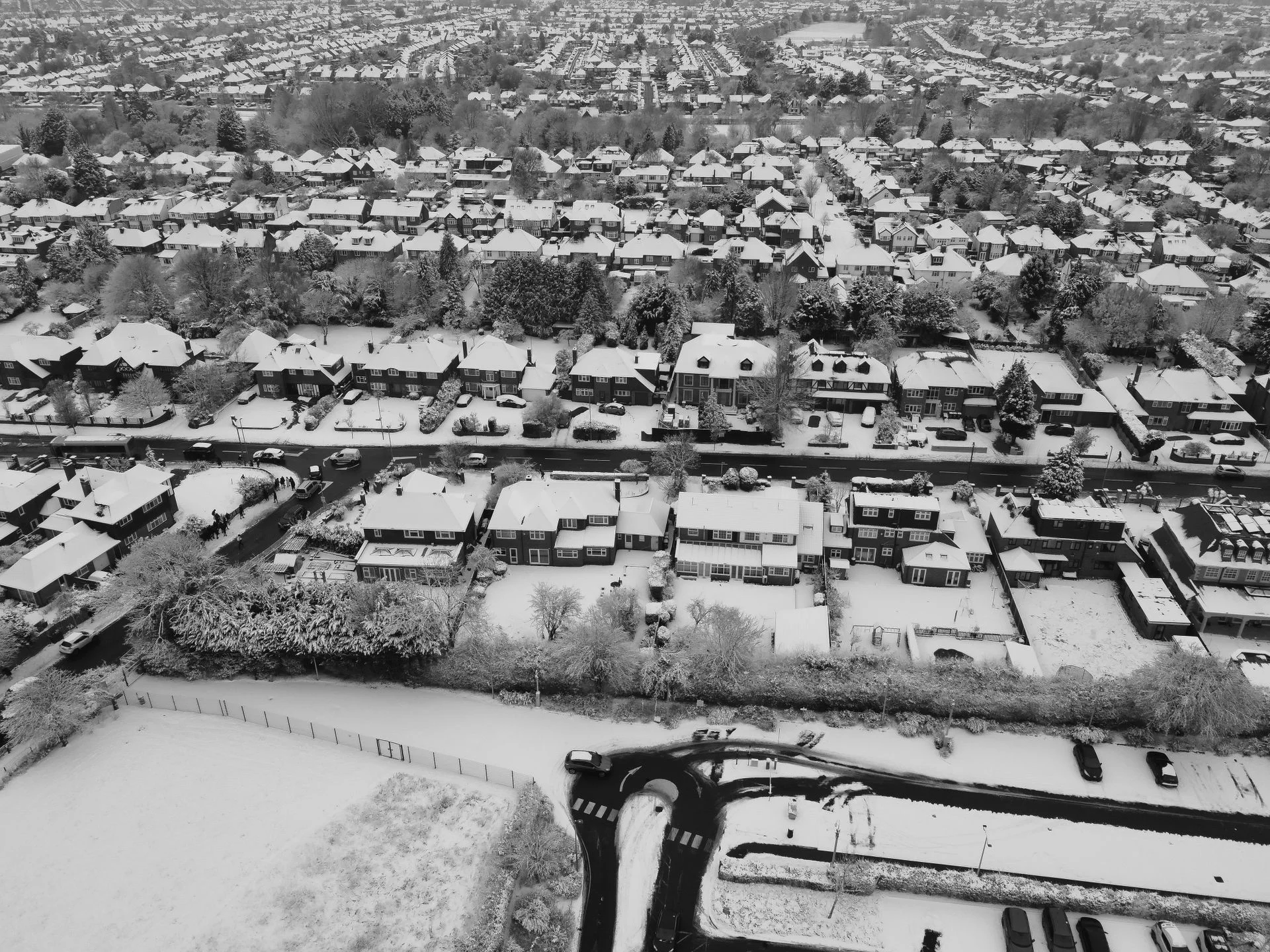
Travagliato had already seen its share of development. The municipality’s history includes quarries, landfills and infrastructure that have permanently altered parts of the surrounding area. Trainini argued that this history should be considered whenever a new investment was proposed.
The proposed data centre offered potential benefits, such as employment, that could be estimated relatively quickly but the longer-term consequences for the area were much harder to quantify.
Eventually, the proposal stalled. In September, East Gate Srl withdrew its implementation plan and did not submit the additional documentation requested by the Province in connection with the grid application. Mayor Pasinetti said the municipality had not received the information necessary for a complete environmental assessment.
Trainini cautioned during our interview that the withdrawal might not mean the definitive end of the matter. A different project could return, particularly as the regulatory framework changes.
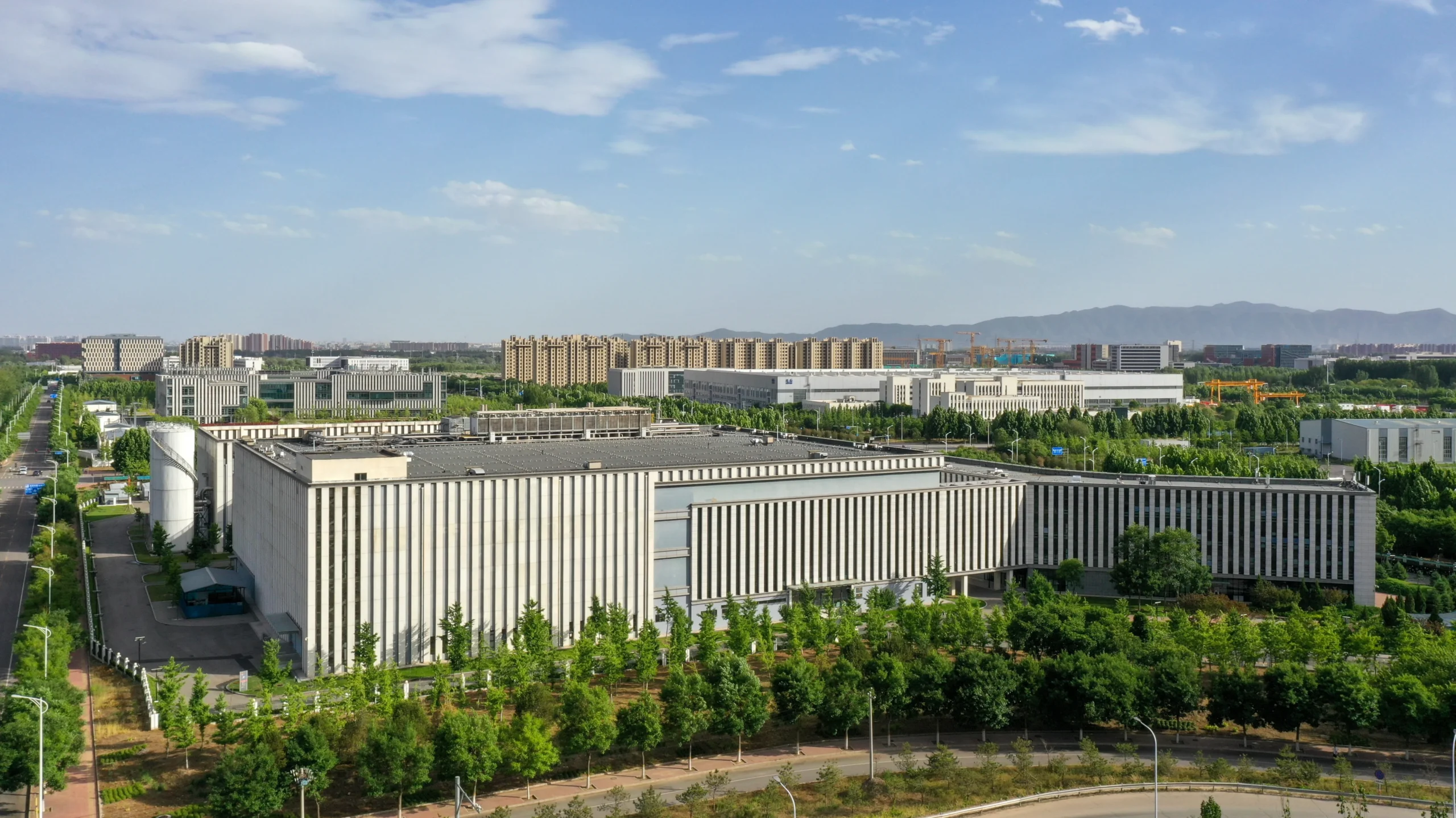
Similar tensions are now emerging in places very different from this small town in Lombardy. The extraordinary growth of artificial intelligence has made data centres some of the most sought-after pieces of infrastructure in the world. UN Trade and Development estimates that announced greenfield investment in data centres exceeded US$270 billion in 2025, more than one fifth of the value of all greenfield investment projects globally.
The growing demand has also raised questions about energy and water consumption. The International Energy Agency projects that global electricity consumption by data centres will more than double by 2030, while the European Commission is developing measures to improve transparency around their environmental performance.
The impact of this infrastructure on the towns and communities hosting it deserves equal attention. Puneet Gupta, founder and CEO of MG Environmental Consulting in Hayward, California, described the economic proposition from the perspective of communities hosting large infrastructure projects.
“It’s very simple on the pro side,” he said. “These projects introduce significant capital and tax base into a county quickly, and a genuine construction employment boom.”
He also highlighted the smaller number of jobs available once construction was complete. “Once data centres are constructed, they have a small permanent workforce, meaning that the job promise is not as big as it seems.”
Gupta raised further concerns about the longer-term costs for local communities. “The larger long-term expense is how resources are shared, the use of water and electrical power, and a community doesn’t really notice that until after a few years of operation when the cost of the water or electricity bills goes up.”
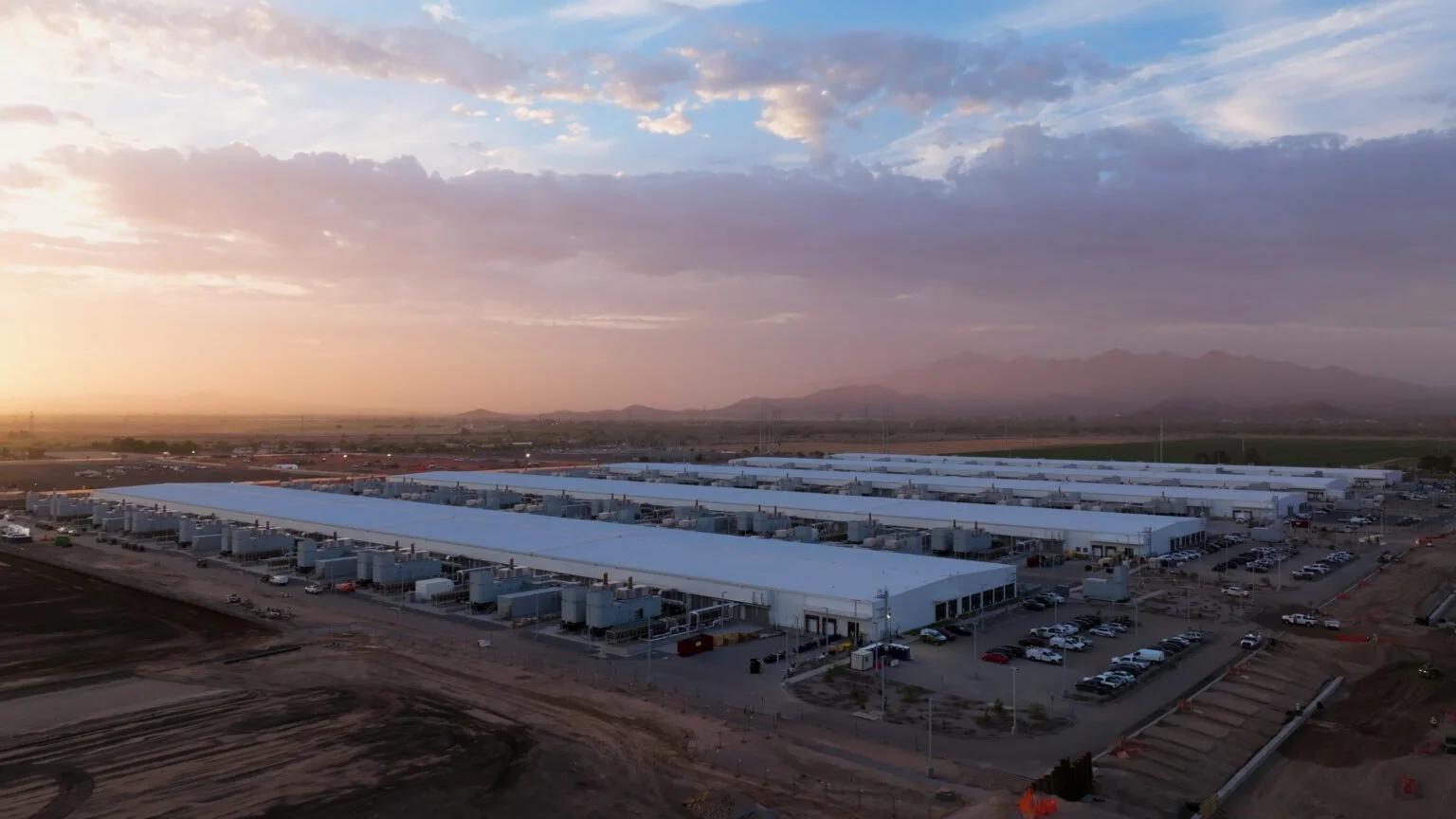
His assessment offers a useful perspective on Travagliato by distinguishing the initial investment from the longer-term effects of a functioning facility. The economic contribution of a billion-euro construction project changes once the facility becomes operational.
A development of this scale may be unusual in Travagliato, but in some parts of the world such investments are increasingly concentrated. West Texas is one of them.
Microsoft’s new data-centre campus in Reeves County is expected to bring approximately 2 GW of additional capacity and a multibillion-dollar investment to the area. The company says construction will create more than 6,000 jobs at peak, followed by hundreds of permanent operational positions.
Local officials in Pecos have welcomed the investment. Reeves County Judge Leo Hung has publicly supported Microsoft’s project, citing opportunities for local businesses and workforce development. Microsoft has presented the investment as a long-term economic relationship, highlighting employment, training and community initiatives.
Pecos is part of a region whose economy has long been shaped by oil, gas and energy infrastructure. Large-scale industrial projects are already familiar features of the landscape and local economy. For a community accustomed to this kind of development, a hyperscale data centre can appear to be an extension of an established economic model.
Microsoft has also sought to address concerns about the energy requirements of a facility of this size by developing dedicated energy infrastructure alongside the campus.
Chevron has announced a proposed 2.67 GW natural-gas power facility, known as Project Kilby, to supply the Microsoft development under a 20-year agreement.
Microsoft has separately committed to covering the electricity costs associated with its data centres and the infrastructure required to serve them, with the stated aim of preventing those costs from being passed on to residential customers. The eventual impact of these commitments will depend on how the projects are developed and operated.
Elsewhere in West Texas, similar proposals have attracted strong opposition. In neighbouring Brewster County, concerns emerged in September 2026 when Pacifico Energy – the developer behind the 7.65 GW “GW Ranch” power-generation project intended to support Amazon’s data-centre operations in Pecos County – approached local officials about a similar multibillion-dollar development on an 8,400-acre ranch in the Glass Mountains, northwest of Alpine.
During public comments to the Brewster County Commissioners Court, residents raised serious concerns about housing shortages, hotel capacity, localised noise, air pollution and the preservation of the region’s famous dark night skies. Texas Public Radio reported that not a single person spoke in favour of the proposal.
By October, organised opposition had emerged, with campaigners raising further concerns about the possible environmental and visual impact of the development.
The different responses in Brewster County and Pecos make the comparison with Travagliato particularly revealing. During our interview, Trainini explained his view that projects of this scale required scrutiny proportionate to their impact on the surrounding area. Environmental assessments should consider existing infrastructure, previous land consumption, energy demand, water, noise, heat and future projects together. He also recognised that data centres could bring benefits and that their sustainability depended on the circumstances of each development.
Communities are making different judgements about what their areas can absorb, what they want to become and what they expect to receive in return.
For these reasons, data centres need to be assessed in terms of their investment potential and their wider consequences for the places that host them. Each proposed site has its own history, infrastructure and environmental pressures.
In Travagliato, that history became impossible to ignore once residents realised the scale of what was being proposed. In Pecos, a similarly large investment has so far been viewed more readily by local officials as an economic opportunity. In Brewster County, a neighbouring community has begun questioning whether the same industry could alter the very character that makes the region valuable.
Each reaction reflects local circumstances, even though all three communities are confronting the same physical expansion.
Trainini’s warning about projects being built “in the void” therefore has implications extending well beyond Travagliato. The AI economy is often discussed in terms of models, chips, investment and computing capacity. Its physical infrastructure requires substantial areas of land, energy and other resources, with consequences for communities whose histories and livelihoods long predate the technology itself.

Rosalia Mazza is a writer and data scientist who covers the economics of technology, from fintech to the physical infrastructure behind it. She founded The Bright Minded, a publication dedicated to positive stories coming from the world of financial technology, and is a contributing writer at Espacio Media Incubator. Formerly the editor of FinTech Weekly, her work examines how the costs and benefits of new technology are shared, and who pays for them.
READ MORE:Microsoft pulls out of major UK AI data centre project amid power grid delays. The technology giant has withdrawn from a flagship supercomputing development in Essex amid warnings that electricity supplies could be delayed until the 2030s, raising questions about Britain’s ability to deliver its ambitious AI infrastructure plans.
Do you have news to share or expertise to contribute? The European welcomes insights from business leaders and sector specialists. Get in touch with our editorial team to find out more.
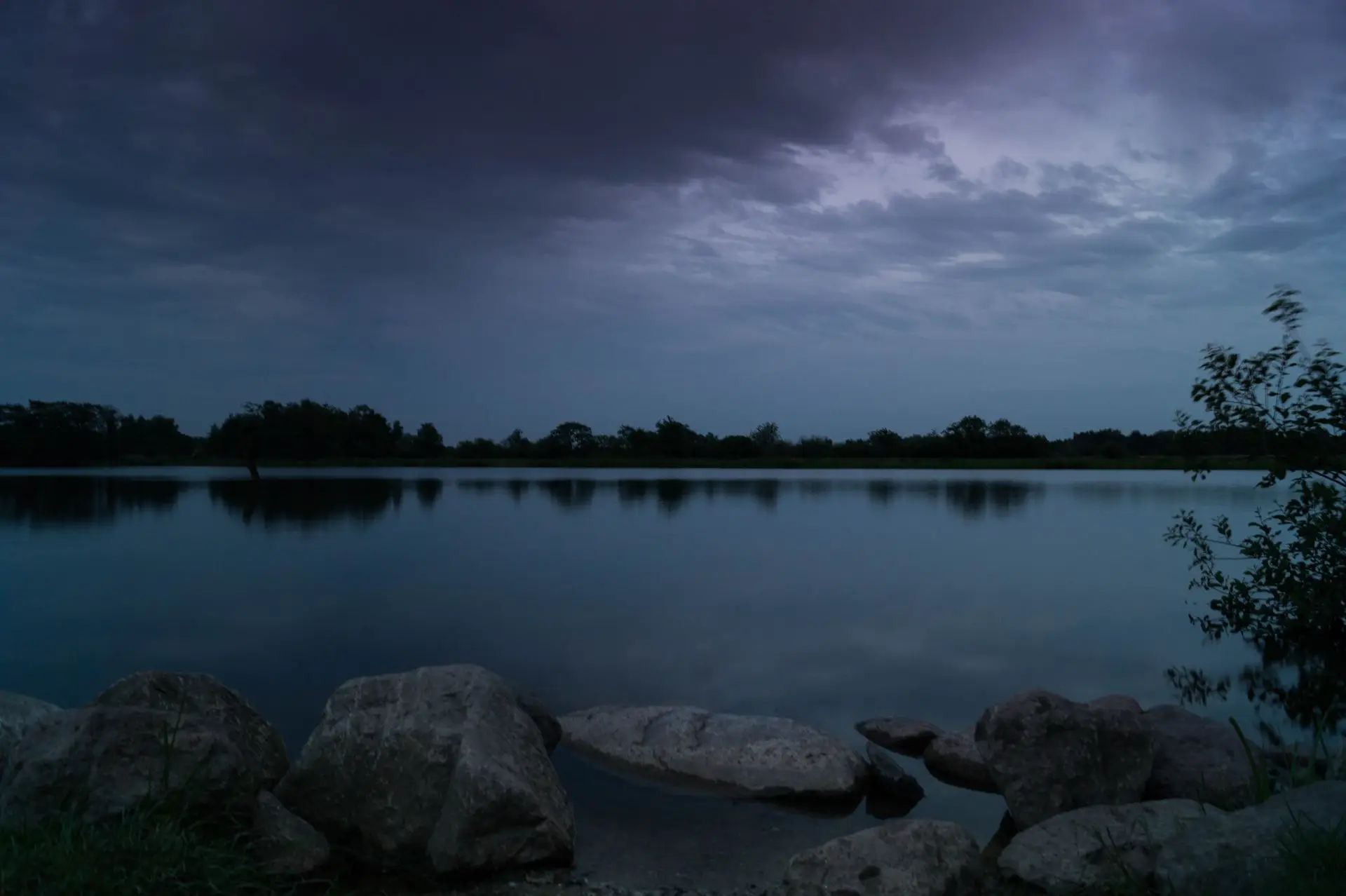
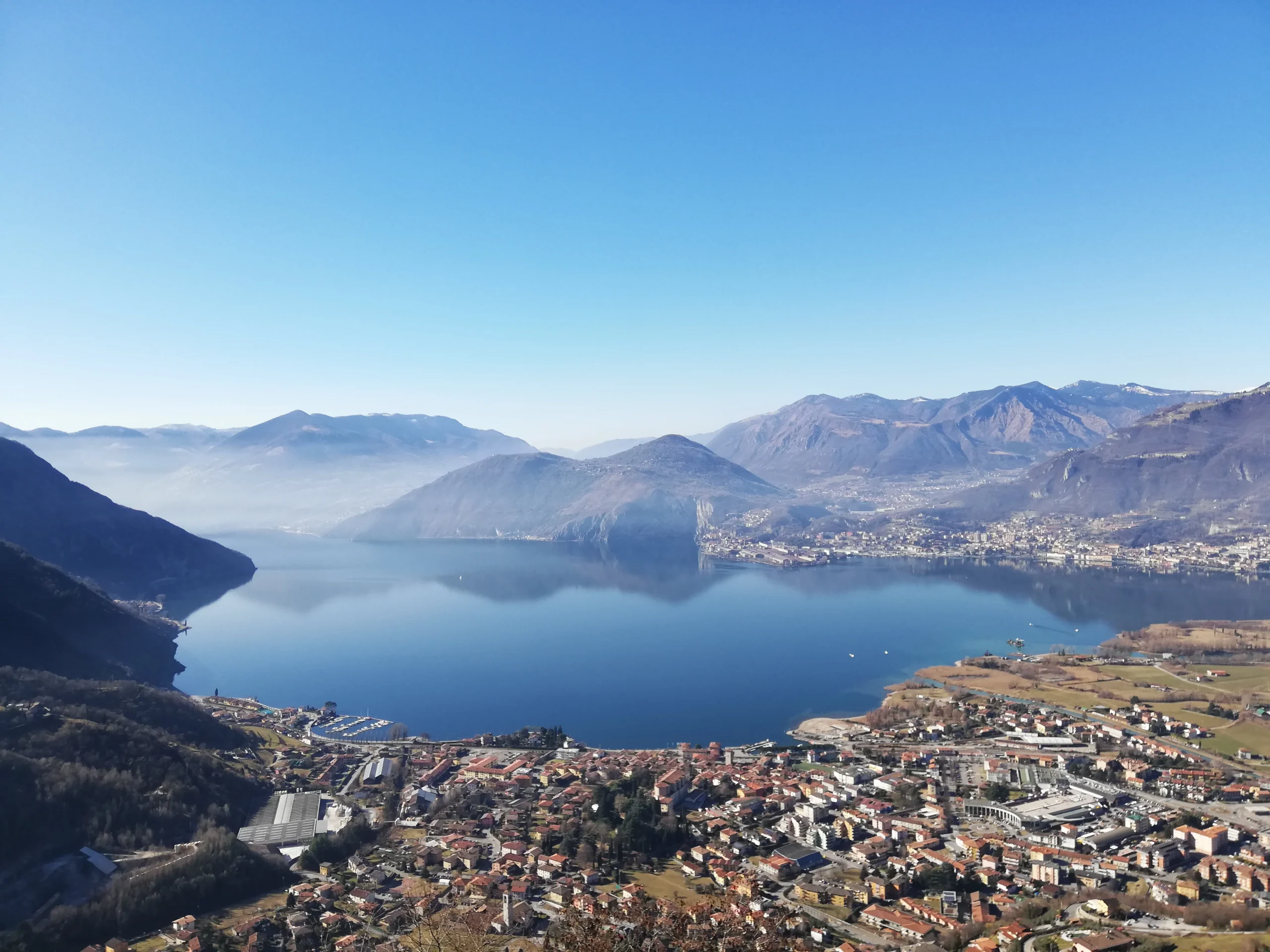
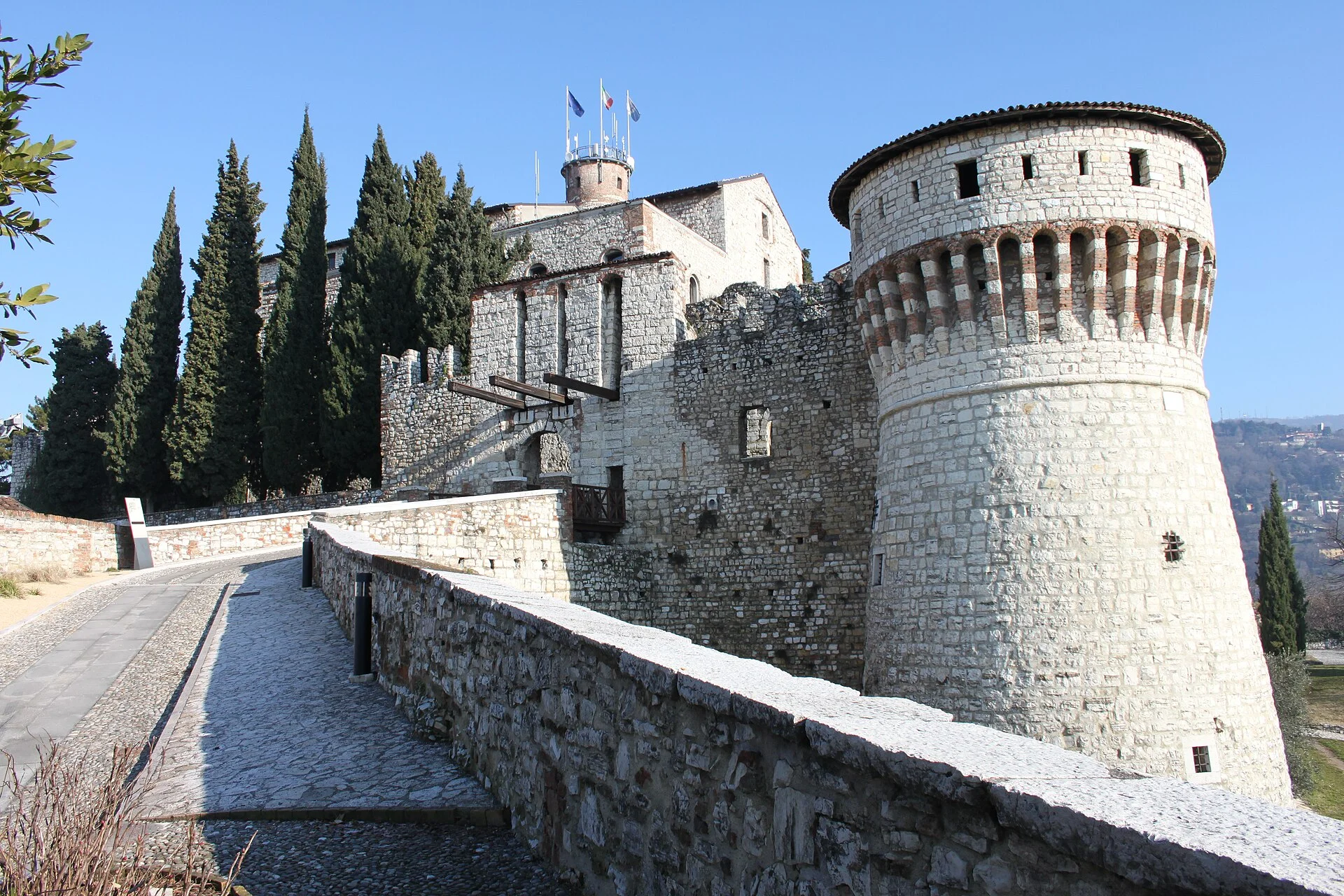
Main image: The spectacular northern shores of Lake Iseo, around 40 kilometres by road from Travagliato in Italy’s Lombardy region. The area’s natural beauty and agricultural landscapes form the backdrop to growing concerns about large-scale development, with residents of Travagliato questioning the potential environmental impact, land use and energy demands of a proposed €1 billion AI data centre. Credit: Zheng ShiRui / Wikimedia Commons / CC BY-SA 4.0