AI could ‘help pharmaceutical companies spot clinical trial problems before they escalate’

John E. Kaye
- Published
- News, Technology
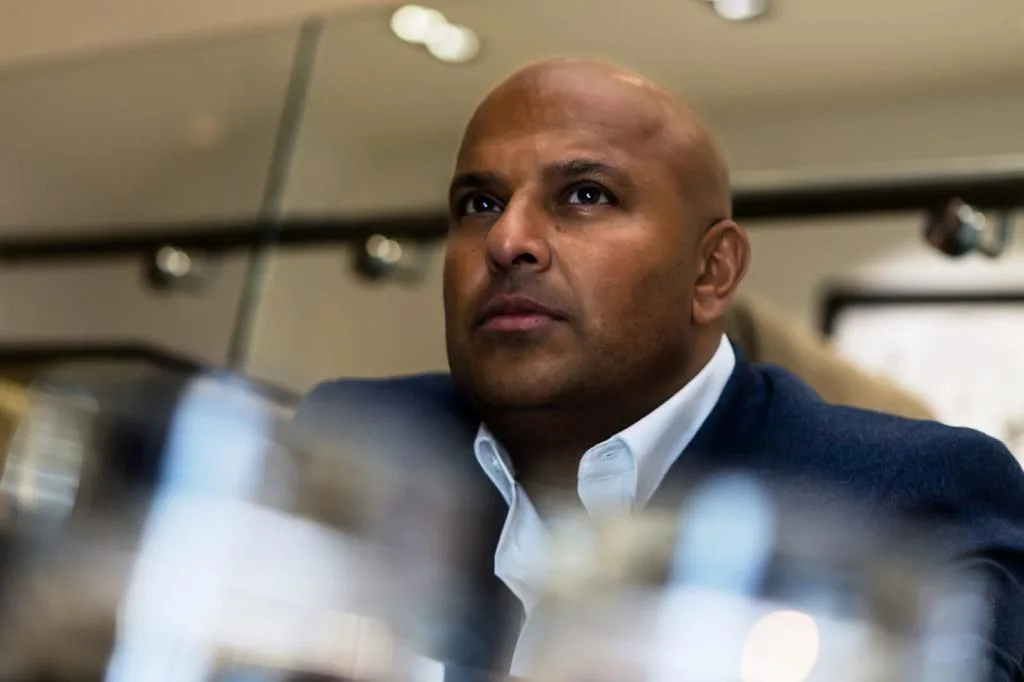
Clinical Maestro founder Anca Copaescu has called for a more proactive approach to managing outsourced medical research, using enterprise software, connected data and artificial intelligence to identify financial and operational risks earlier
Pharmaceutical firms could use AI to identify problems in clinical trials before they cause costly delays, budget overruns or failures in oversight, according to a clinical research technology specialist.
Anca Copaescu, the founder and chief executive of Clinical Maestro, outlined the case for earlier detection of risks at the OCT Nordics 2026 conference in Copenhagen last week, where she examined how companies could make better use of data collected throughout clinical trials.
Her presentation, From Oversight to Foresight: The Intelligent Future of Clinical Outsourcing, examined how pharmaceutical companies could use connected data, AI and human expertise to anticipate problems rather than respond after they have occurred.
It coincided with the launch of VISION Plus, Clinical Maestro’s new AI-powered software platform that is designed to help drug developers monitor external research contractors, track their performance and identify emerging risks across clinical studies.
The system brings together information traditionally held in separate spreadsheets and databases, including contractor performance scores, audits, reported risks and corrective actions.
Its AI capabilities are designed to identify patterns across suppliers and trials, helping managers investigate potential problems and decide when intervention is needed.
Many pharmaceutical companies already rely on contract research organisations (CROs) to manage patient recruitment, data collection and other specialist activities across multiple countries.
But she said these complex arrangements can be difficult to oversee, particularly when several contractors are involved in the same clinical trial.
The technology is intended to support human judgement rather than replace it, particularly where problems could affect patient safety, research quality or regulatory compliance.
Under revised international Good Clinical Practice guidelines, which took effect in the European Union in July 2025, pharmaceutical companies remain responsible for overseeing clinical trial activities delegated to external providers.
Copaescu said: “A KPI turning red is only a signal. What matters is understanding why it changed, whether the pattern exists elsewhere, what risks or issues are connected to it, and what action followed.”
She added: “VISION Plus allows organizations to move beyond reporting KPIs toward understanding and governing vendor performance.”
Earlier research by Clinical Maestro into the financial risks of outsourcing found that bids for the same clinical trial varied by less than five per cent between four major CROs when contractors received detailed instructions about the work required.
When the organisations received limited information and made their own assumptions, however, the variation exceeded 40 per cent.
Clinical Maestro said the differences were largely because of inconsistent estimates of staffing requirements, participating countries, contractor responsibilities and meeting frequency.
These discrepancies can affect budgets before research begins, potentially leading to additional costs and contractual changes as studies progress.
VISION Plus builds on Clinical Maestro’s Source Plus software, introduced in September, which focuses on selecting and managing research suppliers.
The newer system extends that approach to monitoring contractors throughout their working relationships with pharmaceutical companies.
READ MORE: Scientists and engineers quitting jobs as AI changes roles ‘beyond recognition’, study finds. Research involving more than 4,100 technology, engineering and life sciences professionals across five countries reveals growing concerns over career prospects, heavier workloads and employers struggling to replace experienced specialists.
Do you have news to share or expertise to contribute? The European welcomes insights from business leaders and sector specialists. Get in touch with our editorial team to find out more.
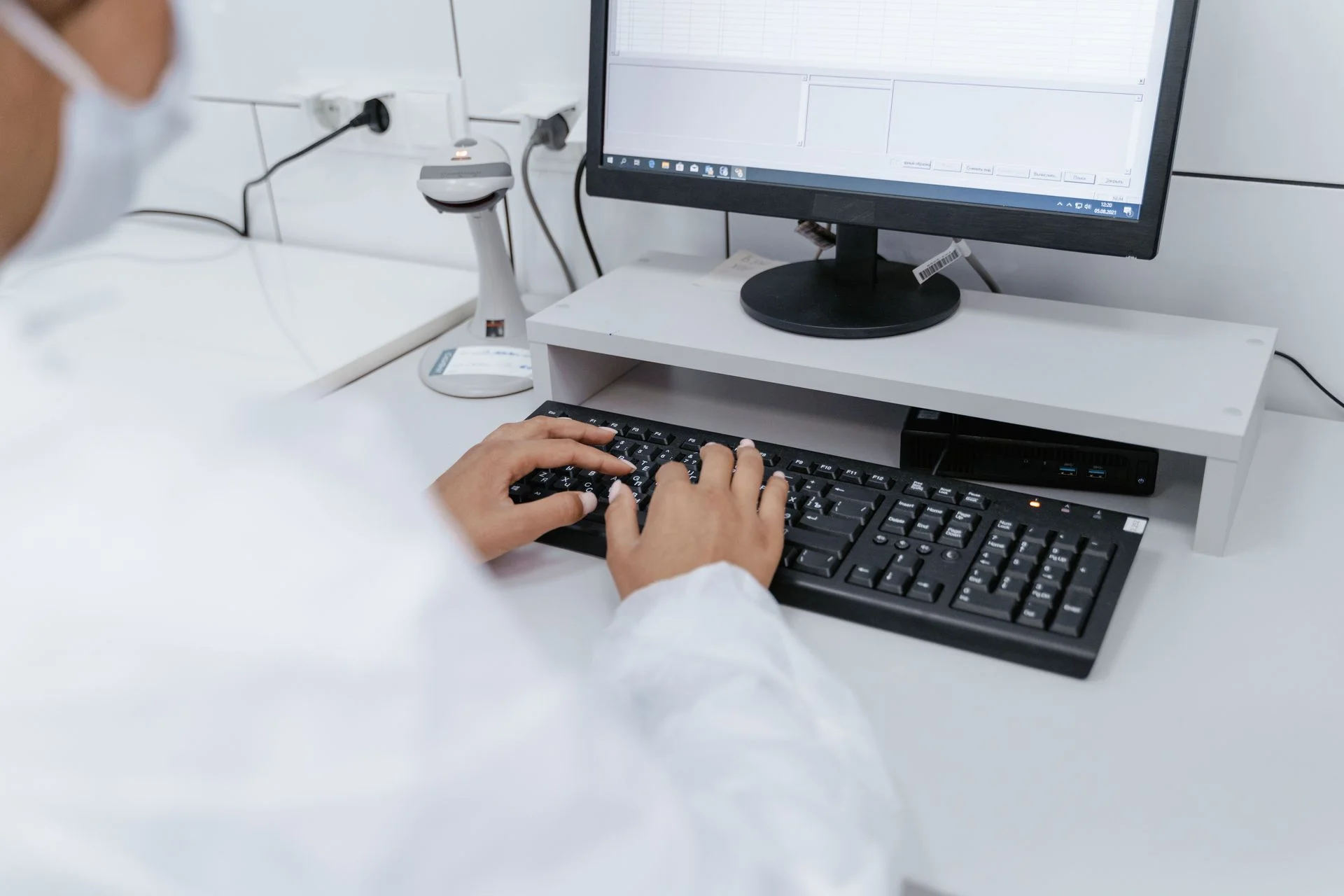
Main image: A medical professional working at a computer. New AI-powered enterprise software could help pharmaceutical companies identify risks in outsourced clinical trials before they lead to costly delays, budget overruns or problems affecting patient safety and research quality. Credit: Tima Miroshnichenko via Pexels
TOP STORIES
-
 AI could 'help pharmaceutical companies spot clinical trial problems before they escalate'
-
Raining cats and dogs? Brits have 17 ways to describe a downpour – and some are downright bizarre
-
Rare jewellery returns to Japan after 50 years as German museum lends historic treasures to Kyoto
-
Dan Brown drops tantalising hint about where his next thriller could be set
-
Anthropic warns AI could pose ‘existential risks’ as it files for stock market flotation
-
North Korean agents are infiltrating Western businesses by posing as employees, security chief warns
-
Route 66 turns 100 next month – and there’s never been a better excuse for Europeans to hit the road
-
Serbia erupts in celebration as student protesters end Vučić’s 14-year grip on power
-
Two killed as Storm Boelo batters Britain with 85mph winds and leaves 90,000 homes without power
-
Man arrested on suspicion of arson after fire destroys Hitler’s Eagle’s Nest retreat
-
Britain faces higher winter energy prices as reliance on European electricity imports grows
-
Andy Burnham to make special Gogglebox appearance for Stand Up To Cancer
-
WPSL Golf targets £120 million valuation as billionaire-backed corporate deals and other commercial deals drive explosive global growth
-
Hackers could bring Britain’s essential services to a standstill, security chief warns after global website shutdowns
-
We’re talking to almost twice as many people on the phone as a decade ago, study finds
-
TalkTalk sells majority stake in Telecom Acquisitions as founder Nigel Barnett regains control
-
Company closures soar ahead of tax rises as new Budget looms
-
France calls in army after riots sweep cities
-
An Italian affair – Stanley Johnson takes London’s society set on the Silk Road
-
Himalayan mountainside moved 40cm before avalanche killed 1,451 in Nepal, scientists reveal
-
Scientists and engineers quitting jobs as AI changes roles ‘beyond recognition’, study finds
-
UK profit warnings hit near two-year high as businesses struggle with rising costs
-
Microsoft pulls out of major UK AI data centre project amid power grid delays
-
Russia takes control of more European corporate assets amid Ukraine tensions
-
EU leaders resist calls to delay carbon rules as energy costs soar