Ireland’s most wanted jobs for 2027 revealed as employers offer higher salaries to attract talent

John E. Kaye
- Published
- News
AI engineers, data scientists, financial controllers and senior business professionals are among the workers most in demand, with nearly half of employers across Europe and the UK paying above their planned salary budgets to secure skilled staff
Ireland’s most sought-after jobs for 2027 have been revealed, with AI specialists, software developers and finance professionals among those commanding higher salaries as employers compete for skilled workers.
A new salary guide from recruitment firm Robert Half identifies 15 roles expected to be in high demand next year, with businesses increasingly prepared to pay more for people who have the expertise they need.
The findings come as 48 per cent of hiring managers surveyed across Europe and the UK say they are offering salaries above their original budgets to recruit staff, with nearly two-thirds of those employers blaming shortages of specialist skills.
AI skills are also attracting higher salaries, with 36 per cent of employers surveyed offering more money to staff who can use the technology to improve efficiency and productivity.
Among the jobs expected to be in greatest demand in Ireland are AI engineers, data scientists, chief technology officers, lead software developers and IT support managers.
Financial controllers, finance business partners, financial modellers and financial planning analysts are also expected to be highly sought after, alongside HR directors, HR business partners, executive assistants, HR administrators and office managers.
According to Robert Half’s 2027 Ireland Salary Guide, which provides projected starting salaries for more than 140 positions across finance and accounting, technology, and business support, pay growth is becoming more restrained overall, but employers remain willing to offer higher salaries for positions that are difficult to fill.
Salary benchmarks suggest that a finance business partner in the Dublin area could command a starting salary of between €84,500 and €99,000, depending on experience and skills.
Wages could rise further next year, with 41 per cent of European and UK employers planning increases to help attract and retain staff, the report found.
Matt Weston, Robert Half’s senior managing director for the UK and Ireland, said companies were becoming increasingly selective about which employees they were prepared to pay more to recruit.
He said: “We continue to see demand for specialised talent in Ireland, particularly for skills that can help organisations harness AI, improve productivity and drive transformation.
“Employers are being selective about where they increase pay, but when critical skills are in short supply, they recognise that securing talent may mean going beyond their original salary expectations.”
READ MORE: Scientists and engineers quitting jobs as AI changes roles ‘beyond recognition’, study finds. Research involving more than 4,100 technology, engineering and life sciences professionals across five countries reveals growing concerns over career prospects, heavier workloads and employers struggling to replace experienced specialists.
Do you have news to share or expertise to contribute? The European welcomes insights from business leaders and sector specialists. Get in touch with our editorial team to find out more.
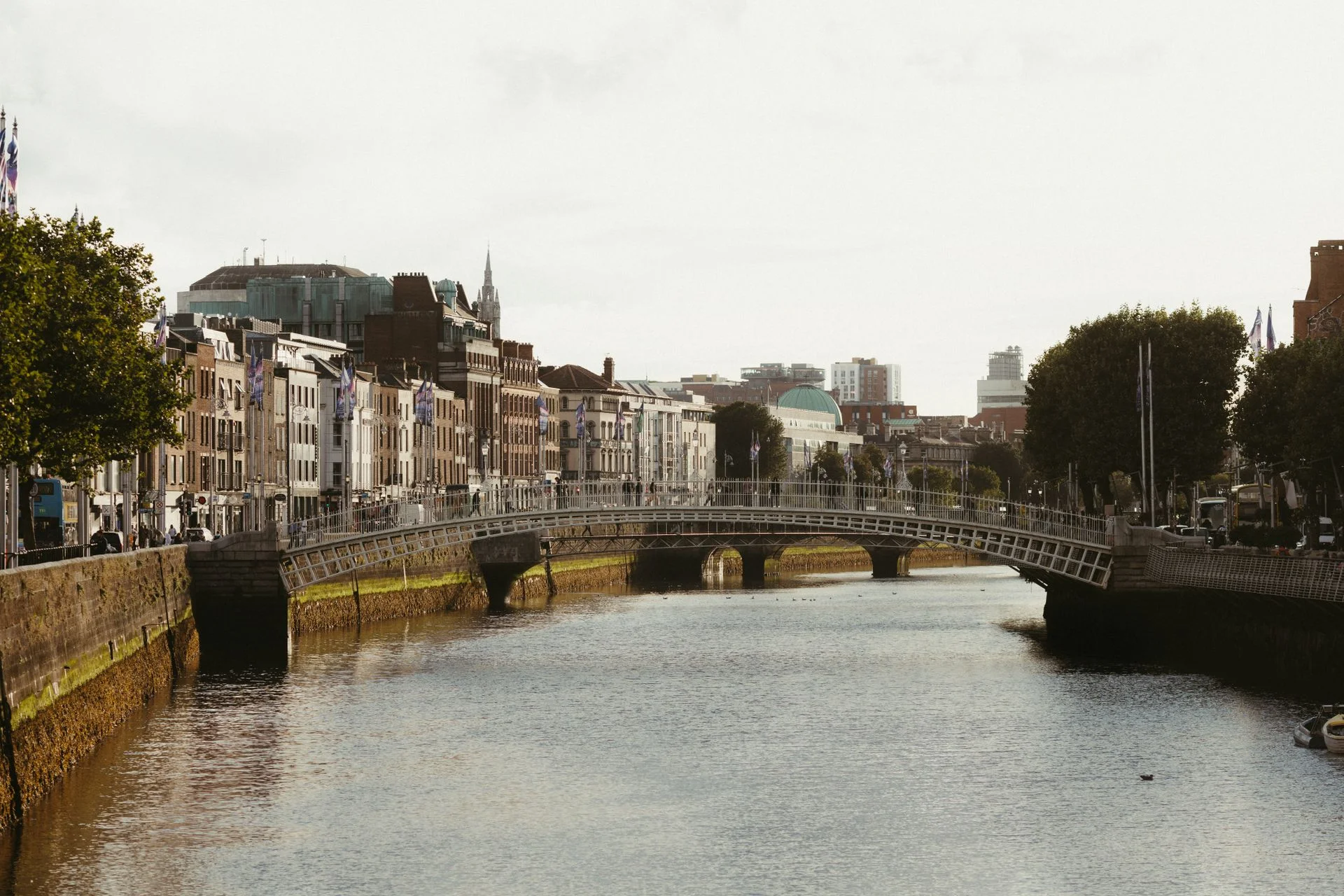
Main image: Dublin’s historic Ha’penny Bridge spans the River Liffey in the Irish capital, where employers are expected to offer higher salaries for in-demand skills in 2027, particularly in artificial intelligence, technology and finance. New research from recruitment firm Robert Half suggests businesses are increasingly willing to exceed their recruitment budgets to secure specialist talent. Credit: Jonathan Borba / Pexels
TOP STORIES
-
 British AI tool halves cancer assessment time as it wins European approval
-
New hope for Parkinson’s patients as €15m secured for experimental treatment
-
Trump prepares new tariffs on EU, China and other major trading partners
-
ING buys back €111m in shares as €1.65bn programme gathers pace
-
Siemens-backed project aims to cut green hydrogen costs by 20%
-
French drug giant Sanofi strikes €37.6bn deal to buy US biotech firm
-
NHS begins world's biggest AI breast cancer screening trial involving 700,000 women
-
German shipping group's pre-tax profits jump 20% to €23.7m ahead of major acquisition
-
Partners Group buys New Zealand ferry operator in major infrastructure deal
-
Vår Energi strikes $4.4bn deal to buy ConocoPhillips' Norwegian oil business
-
The sky’s the limit for flying cars but expert warns of deadly risks
-
Meet the seven Anthropic founders worth $23bn each after record-breaking stock market debut
-
World's robotics leaders to gather in Germany in race to put AI to work
-
Britain's most expensive seaside resort dominates £2m property sales
-
Beavers return to Loch Ness after 500 years
-
Swiss data centre to heat homes using waste energy from AI servers
-
Uzbekistan attracts $44.1bn in foreign investment and loans in nine months
-
Serko raises revenue forecast as Booking.com business travel bookings surge
-
Air India and Airbus unveil India's first corporate green aviation fuel scheme
-
Best Western loyalty scheme to be scrapped in major hotel rewards shake-up
-
First class delivery: China's postal service puts humanoid robots to work across eight cities
-
AI set to transform university librarians' jobs as 95% predict surge in demand
-
Washington Dulles unveils new concourse as $20bn airport expansion takes off
-
The European Autumn 2026 edition – out now
-
WATCH: Greenpeace drops giant David Attenborough boulder into North Sea – on site of £12bn windfarm