The Democrats’ victory could transform Europe’s relationship with America, with major consequences for Ukraine, NATO, trade tariffs, sanctions against Russia and the war in Iran
Donald Trump has suffered a crushing political defeat after Democrats seized control of both houses of the US Congress, handing his opponents new powers that could reshape America’s relationship with Europe during the final two years of his presidency.
The party swept to victory in yesterday’s midterm elections, winning seats in traditional Republican strongholds as voters turned against the president amid anger over rising living costs, tariffs and the war with Iran.
Democrats captured both the Senate and House of Representatives, ending Republican control of Congress and giving the opposition the power to block legislation, investigate the administration and challenge presidential appointments when the new Congress takes office in January.
The results included historic Democratic victories in Texas and Kansas, with the party winning a Senate seat in Kansas for the first time since the 1930s.
For European governments, the result raises the prospect of greater scrutiny of Trump’s foreign policy, particularly his dealings with Russia, support for Ukraine and threats to impose tariffs on international trading partners.
Democrats can influence military spending, approve or reject government appointments and investigate decisions taken by the White House. They can also challenge funding arrangements and press for tougher action against Russia.
These powers could prove significant for Ukraine, whose ability to resist Russia’s invasion has depended heavily on American military equipment, financial assistance and intelligence.
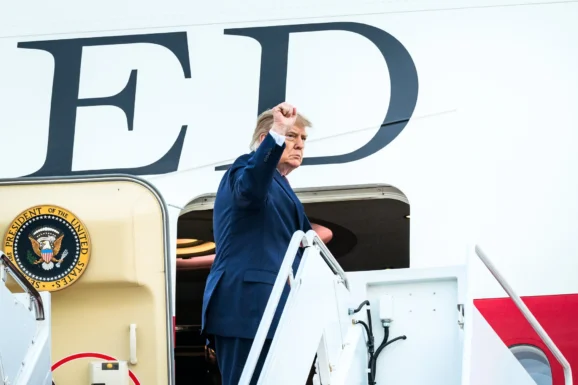
The result also has implications for NATO, where European governments have faced repeated pressure from Trump to increase defence spending amid concerns about the reliability of America’s long-term commitments.
In an analysis published ahead of the election, the European Council on Foreign Relations warned that a Democratic victory would not necessarily restrain the president’s foreign policy.
The think tank argued that Trump could continue using his executive powers to make decisions affecting military deployments, alliances and international trade, even while facing opposition in Congress.
For businesses across Britain and the European Union, trade policy presents another major question.
Trump’s tariffs have affected international commerce and prompted concerns among European exporters about the cost of selling goods into the American market.
Congress could increase scrutiny of the administration’s trade decisions, although it would have limited ability to reverse measures imposed using presidential powers.
Financial markets were already reacting to the election this morning, with Reuters reporting falls in U.S stocks and the dollar as investors assessed the prospect of political deadlock in Washington.
The incoming Democratic majority will also create a more difficult environment for Trump at home, with lawmakers expected to investigate his administration and demand greater accountability over government decisions.
Hakeem Jeffries, the leading Democrat in the House, celebrated the result by declaring: “Today begins the great American comeback.”

In a rare message of praise, Trump acknowledged the opposition’s success, saying Democrats had done a “good job” and indicating that he was prepared to work with them.
But what could the Democrats’ dramatic victory actually mean for Europe? Here are five ways Europe’s fortunes could improve – or worsen – over the next two years.
1. Ukraine could receive more American weapons and stronger political backing
One of the biggest potential winners from the Democratic takeover could be Ukraine, which has faced continued uncertainty over the level of American support available to help it fight Russia’s invasion.
Congress controls federal spending and can approve funding for military equipment, training and other assistance, giving Democrats an opportunity to push for continued support for Kyiv and challenge any attempt by Trump to reduce it.
That could reassure Ukraine and its European allies, particularly Poland, the Baltic states and other countries worried about the possibility of a settlement that leaves Russia occupying Ukrainian territory.
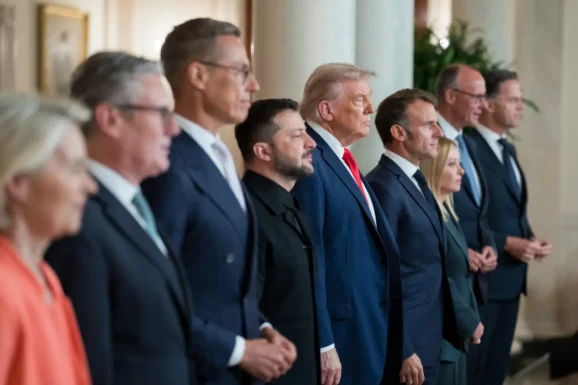
Democratic lawmakers could also demand greater transparency over Washington’s dealings with Moscow, including any negotiations about sanctions, territorial concessions or future security arrangements.
However, any new spending legislation would still need the president’s signature or sufficient support to overcome his veto, while decisions about delivering weapons and conducting diplomacy would remain heavily influenced by the White House.
There is also a risk that tougher political disagreements in Washington could delay funding decisions, leaving European governments under pressure to provide more weapons and financial assistance themselves.
2. NATO could gain stronger defenders in Washington – but Europe may still have to spend more
European leaders concerned about Trump’s criticism of NATO could find more sympathetic voices in the new Congress, particularly among Democrats who support maintaining America’s traditional security alliances.
The Senate has powers over senior military and diplomatic appointments, while both chambers can scrutinise defence spending, question officials and investigate decisions affecting American forces stationed overseas.
Democrats could use those powers to challenge plans that they believe would weaken NATO, including significant reductions in America’s military presence in Europe.
For countries like Germany, Poland and the Baltic states, greater congressional scrutiny could provide some reassurance that major decisions about European security will face more opposition in Washington.
But Congress cannot guarantee that Trump will continue to provide the same level of diplomatic or military support to the alliance. The president remains commander-in-chief and has substantial authority over deployments and foreign policy.
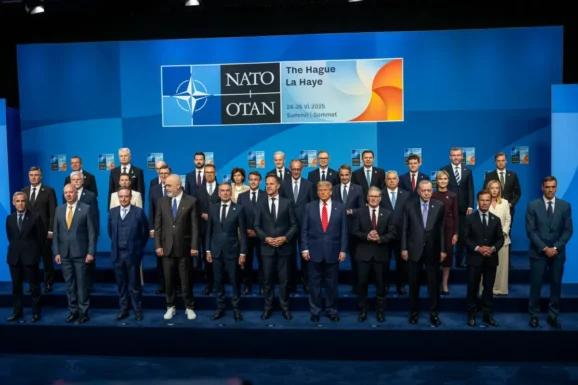
European governments are therefore unlikely to abandon plans to increase their own defence capabilities. Indeed, a prolonged confrontation between Congress and the White House could reinforce fears that American support may become less predictable.
The result could be stronger political backing for NATO from Congress alongside continued pressure for Europeans to take greater responsibility for their own security.
3. European exporters could face fewer tariff threats – or another two years of uncertainty
Businesses across Europe will be watching closely to see whether the election changes Trump’s approach to tariffs, which have increased costs and created uncertainty for companies trading with the United States.
German carmakers, European steel and aluminium producers, luxury goods businesses and other exporters have all faced concerns about American trade restrictions.
Democrats could launch investigations into how tariffs are imposed, examine their effects on American consumers and businesses, and introduce legislation intended to limit the president’s ability to impose additional duties.
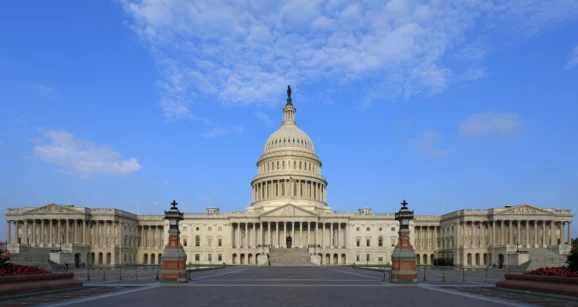
Congress also has constitutional authority over international trade, although lawmakers have delegated substantial tariff-setting powers to presidents through existing legislation.
A Supreme Court ruling in February 2026 restricted Trump’s use of emergency economic powers to impose tariffs, but other legal mechanisms remain available.
Democratic control could therefore lead to greater scrutiny of new trade restrictions, with American importers and European exporters gaining additional political support for challenging them.
However, reversing existing tariffs or restricting presidential powers would require legislation that Trump could veto.
For European businesses, the best outcome would be greater stability and fewer unexpected trade measures. The worst would be two years of political confrontation in which tariffs remain in place and companies struggle to plan investment, production and pricing.
4. Russia could face tougher sanctions as Democrats challenge Trump’s foreign policy
European countries seeking to maintain economic pressure on Russia could benefit from a Congress more willing to question Trump’s decisions about Moscow.
Democrats could propose new sanctions, investigate exemptions granted to Russian businesses and challenge attempts to weaken existing restrictions.
They could also examine American financial and commercial dealings involving Russia, potentially making it more politically difficult for the White House to pursue agreements that European governments believe would undermine Ukraine.
Closer scrutiny of Washington’s dealings with Moscow could also offer additional reassurance for European governments, particularly when negotiating sanctions and considering the future of frozen Russian assets.
However, sanctions legislation would still face the possibility of a presidential veto, and the White House retains considerable power over how existing sanctions are implemented, licensed and enforced.
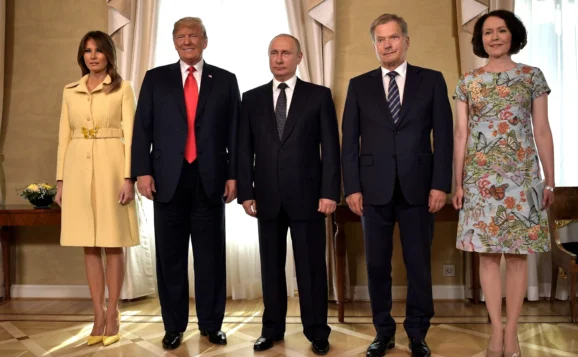
Trump could also continue negotiating directly with Russian leaders, regardless of congressional opposition.
The election therefore creates the possibility of tougher American pressure on Moscow, while leaving open the risk of disagreements between Congress and the president that complicate Europe’s efforts to maintain a united approach.
5. The Iran war and rising energy costs could become a bigger battleground
Europe could feel the very real effects of the Democratic takeover through Washington’s handling of the war with Iran, which has disrupted energy markets and international shipping.
Higher oil and fuel prices already affect European households, transport businesses and manufacturers, while further disruption around the Strait of Hormuz could increase shipping costs and create further pressure on supply chains.
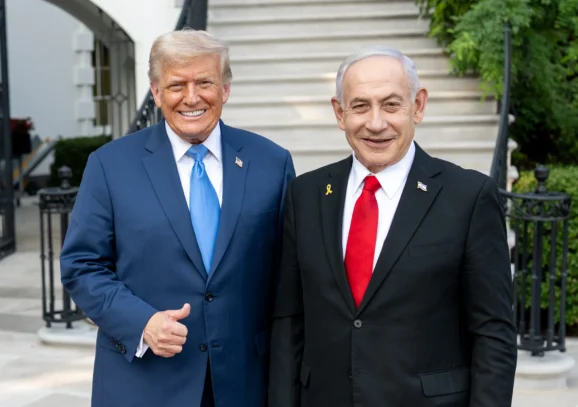
Democrats have gained greater power to investigate the administration’s military decisions, question senior defence officials and challenge requests for additional war funding.
They could also push for greater congressional oversight of military operations and demand clearer explanations of the administration’s objectives.
If those pressures encourage greater diplomatic engagement or reduce the risk of further escalation, European economies could benefit from more stable energy supplies and lower transport costs.
A president facing domestic opposition, however, may devote more attention to foreign affairs, where he retains considerable executive authority.
European leaders could therefore face the opposite outcome – a more confrontational American foreign policy, further uncertainty in the Middle East and additional pressure on energy prices.
For Britain and the EU, the consequences could be felt through household bills, industrial costs, airline fares and the wider economic outlook.
READ MORE: Iran’s historic treasures face destruction as war puts centuries of heritage at risk. As war damages some of Iran’s most treasured historic sites, filmmaker and historical researcher Babak Mehrdadnia reflects on the craftsmen, marketplaces and traditions that preserve the country’s cultural identity, and why their survival deserves international attention.
Do you have news to share or expertise to contribute? The European welcomes insights from business leaders and sector specialists. Get in touch with our editorial team to find out more.
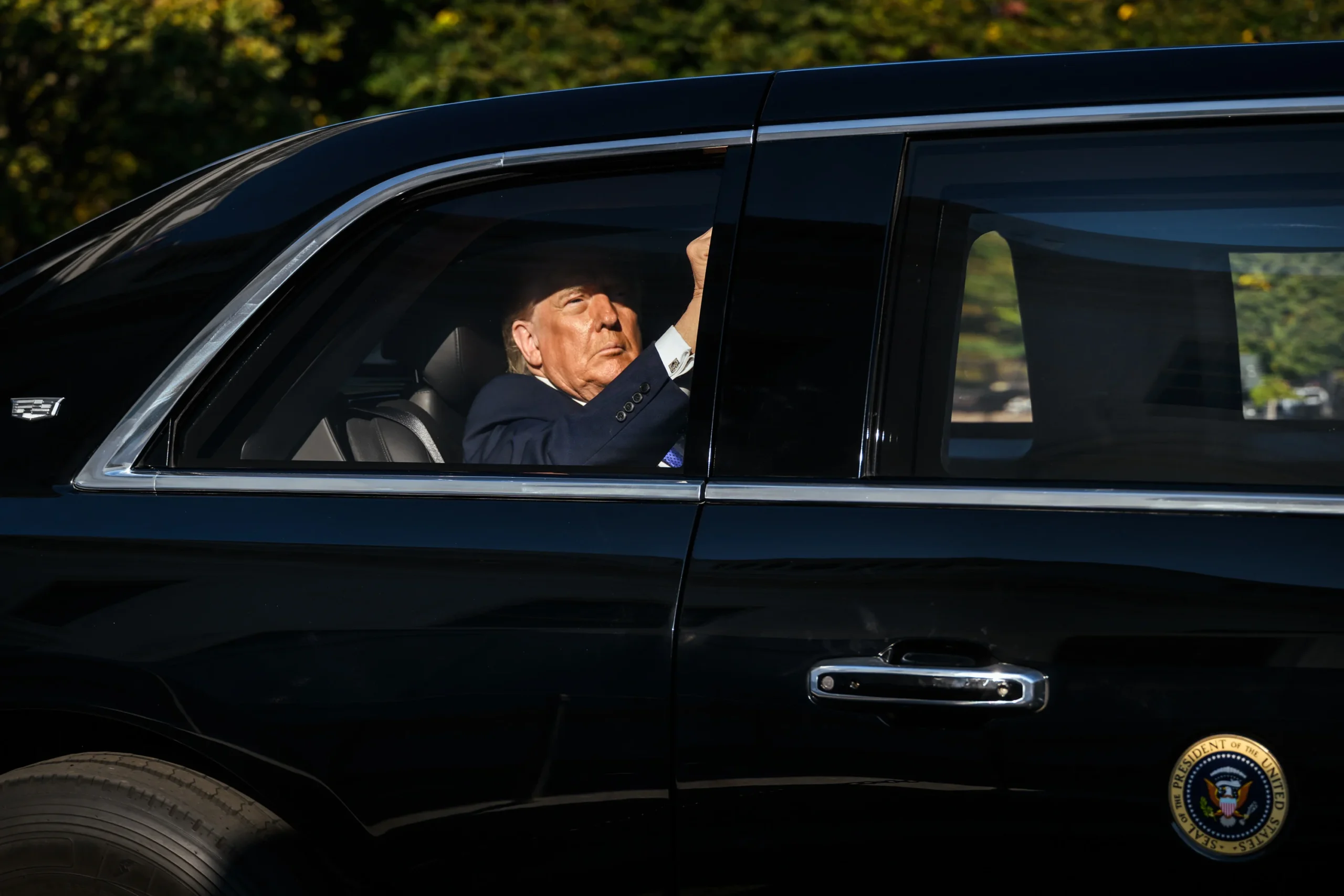
Main image: President Donald Trump boards his motorcade at the White House on 29 October 2026, days before the US midterm elections delivered a major defeat for his Republican Party and handed Democrats control of Congress, raising questions about the future of American support for Ukraine, NATO and European trade. Credit: Molly Riley / The White House (US Government Work)