Jaguar Land Rover cyberattack was state-sponsored, former UK minister claims

John E. Kaye
- Published
- News
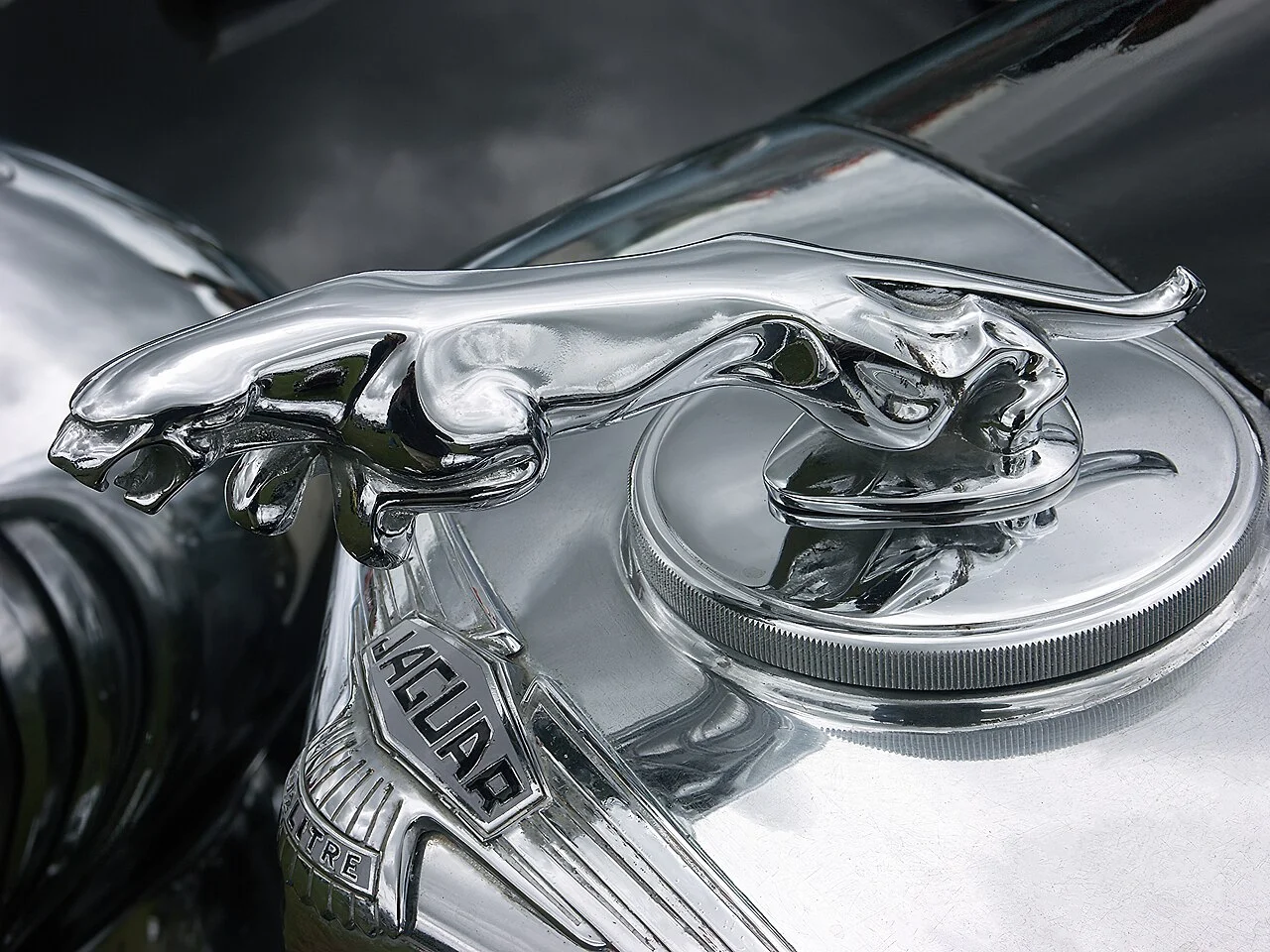
The attack on Britain’s largest carmaker, which caused an estimated £1.9bn in economic damage and put thousands of jobs at risk, was backed by a hostile foreign power, according to former defence minister Al Carns MP
A cyberattack on Jaguar Land Rover (JLR) that caused up to £2.1 billion in economic damage was backed by a foreign state, a former British defence minister has claimed.
The attack, which forced Britain’s largest carmaker to suspend production for five weeks and put an estimated 200,000 jobs at risk, has previously been linked to a Russian hacking group.
But Al Carns MP, who served as Minister for the Armed Forces until June, is the first former government figure to state publicly that a hostile foreign power backed the attack in August last year.
Carns, who was a colonel in the Royal Marine before entering politics in 2024, made the remarks during an event at the Chatham House international affairs think tank in July, according to a new report by The Daily Telegraph.
Asked how the UK could deter national security threats without strong political leadership, the Labour MP said the government possessed detailed information about the dangers facing the country but had failed to communicate them effectively to the public.
“We have all the detail. We know all of the information, we know all of the threats. Sometimes it comes out sporadically, but it’s not a centrally coherent national conversation between government and society,” he said.
“We know there is £15bn of cyber-attacks, we know there’s espionage going on, we know there’s 35,000 casualties a month-ish in Ukraine. We know the Jaguar Land Rover attack was state-sponsored, etc, etc.”
Carns, who subsequently told The Telegraph that his comments were not based on an official Ministry of Defence assessment, added: “It would be highly unlikely for an attack of that scale to emanate from anywhere without the host state knowing about it.”
The 2025 cyberattack affected around 5,000 businesses and organisations, including car dealerships, repair shops and manufacturers supplying components to JLR.
The company was forced to shut down its computer networks following the attack, leaving its manufacturing plants unable to operate.
The independent Cyber Monitoring Centre estimated that the attack cost the UK economy between £1.6 billion and £2.1 billion, with a central estimate of £1.9 billion, making it the most economically damaging cyber incident in British history.
Following the attack, JLR assembled an emergency response team comprising cybersecurity investigators and representatives from Britain’s National Crime Agency, the National Cyber Security Centre, Google and the FBI, according to reporting by The New York Times.
Microsoft, which had reportedly been tracking the Russian hacking group, alerted JLR to those believed to have breached its systems. The attackers used encryption that investigators described as particularly complex.
The attack has prompted MPs to demand greater transparency from the government over who was responsible.
Conservative shadow defence minister David Reed told The Telegraph that ministers were keeping the public uninformed about one of Britain’s costliest cyberattacks.
Labour MP Graeme Downie also called for greater openness about suspected Russian involvement, arguing that the public should know “we are already in a conflict with Russia”.
Former business minister Sir Chris Bryant previously declined to confirm or deny whether the JLR attack was state-sponsored.
A government spokesman told The Telegraph that ministers did not routinely comment on ongoing investigations or operational activity.
The allegations emerged as Defence Secretary Wes Streeting warned that Britain and its allies had little more than 1,000 days to prepare for a possible conflict.
Writing in The Telegraph, Streeting said hostile powers could be capable of attacking Britain by 2030.
“Our adversaries’ willingness to harm us is not new. What has changed is their capacity. By 2030 their force strength and war economy could put them in a position to attack,” he wrote.
“That gives us a little over 1,000 days to complete our mission: to be ready with our allies to fight and win.”
READ MORE: Jaguar puts controversial rebrand on the road with £130K 1,030PS Type 01. British carmaker finally reveals the production model behind its radical new image – a £130,000 electric GT capable of 0–62mph in 3.2 seconds and an anticipated range of up to 450 miles.
Do you have news to share or expertise to contribute? The European welcomes insights from business leaders and sector specialists. Get in touch with our editorial team to find out more.
Main Image: Marktee1 (CC BY 4.0).
TOP STORIES
-
 Uzbekistan attracts $44.1bn in foreign investment and loans in nine months
-
Serko raises revenue forecast as Booking.com business travel bookings surge
-
Air India and Airbus unveil India's first corporate green aviation fuel scheme
-
Best Western loyalty scheme to be scrapped in major hotel rewards shake-up
-
First class delivery: China's postal service puts humanoid robots to work across eight cities
-
AI set to transform university librarians' jobs as 95% predict surge in demand
-
Washington Dulles unveils new concourse as $20bn airport expansion takes off
-
The European Autumn 2026 edition – out now
-
WATCH: Greenpeace drops giant David Attenborough boulder into North Sea – on site of £12bn windfarm
-
Himalayan nations demand urgent action as UN warns of irreversible glacier losses
-
6,000 march against ‘monstrous’ AI data centres as Scotland faces building boom
-
Shop till Ai drop? AI agents set to buy for us as tech boss warns of retail revolution
-
Specs appeal: Welsh Parliament bans smart glasses
-
European motoring legends behind Mercedes, BMW and McLaren to enter Hall of Fame
-
Putin 'plotting to break NATO without firing a shot', Latvian military analyst warns
-
British AI chip startup hits £5bn valuation as government backs bid to challenge global tech giants
-
World's biggest military airshow moves to ‘Britain’s Area 51’ after Iran war disruption at RAF Fairford
-
Lisa Nandy threatens crackdown on entertainment industry after David Walliams allegations
-
UK and European experts demand tougher AI laws as Australia considers criminal penalties after OpenAI breach
-
BBC loses bid to throw out Trump's $10bn defamation lawsuit over doctored Panorama speech
-
AI-generated CVs spark hiring crisis as a third of employers lose confidence in job applicants
-
MPs back calls for ‘Black English’ and ‘Asian English’ options on census
-
Nvidia hires top US lawyer to investigate CEO's alleged affair with Chinese spy
-
EXCLUSIVE – Comic Relief confirms David Walliams is no longer an honorary trustee and has ‘no formal association’ with charity
-
Why Airbnb and Uber take off in some cities but flop in others, according to scientists