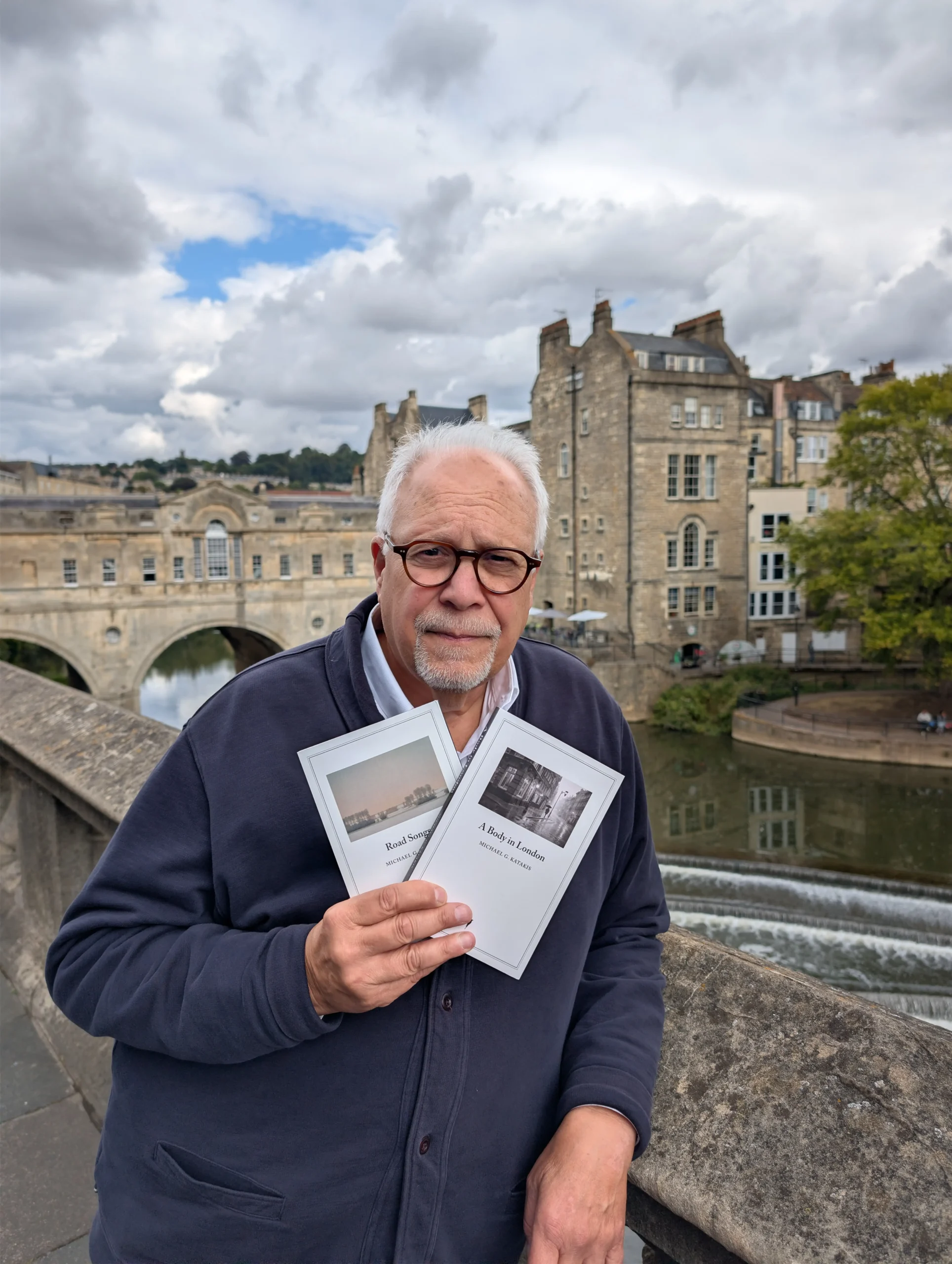
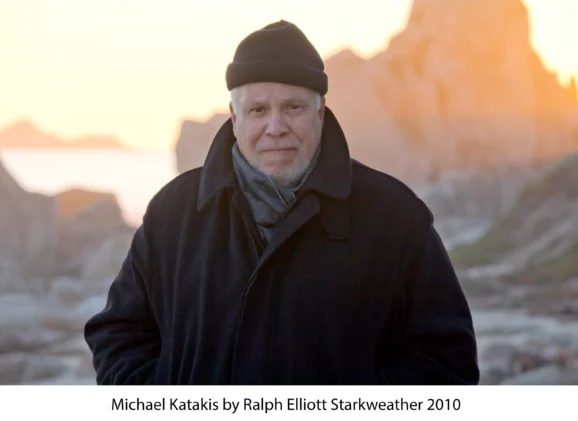
Michael Katakis, the former manager of Ernest Hemingway’s literary estate and author of the controversial bestseller A Thousand Shards of Glass, made Bath his home after facing hostility in his native America. In an exclusive interview with The European, he opens up about leaving the U.S, his friendship with Hemingway’s son Patrick, his years protecting one of literature’s greatest legacies and the inspiration behind his two new novels
Michael Katakis loves America. He has spent much of his life travelling the world, photographing conflicts, documenting cultures and writing about the country of his birth.
Today, however, the Chicago-born author lives in Britain, having left the United States following the publication of a political book that saw him accused of being ‘unpatriotic’ and even ‘hating’ his homeland.
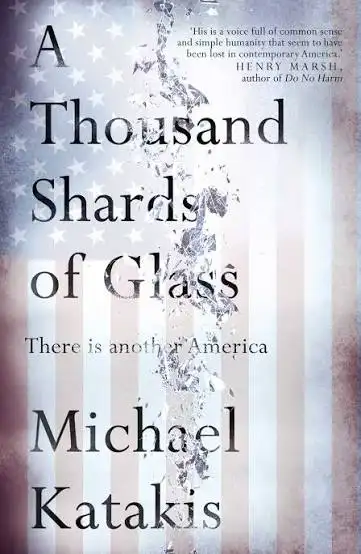
His controversial critique, A Thousand Shards of Glass: There is Another America, examined what he regarded as America’s abandonment of its founding ideals. Written during the Bush–Cheney years, it challenged the country’s political direction and questioned the values of a nation to which Katakis remained deeply attached.
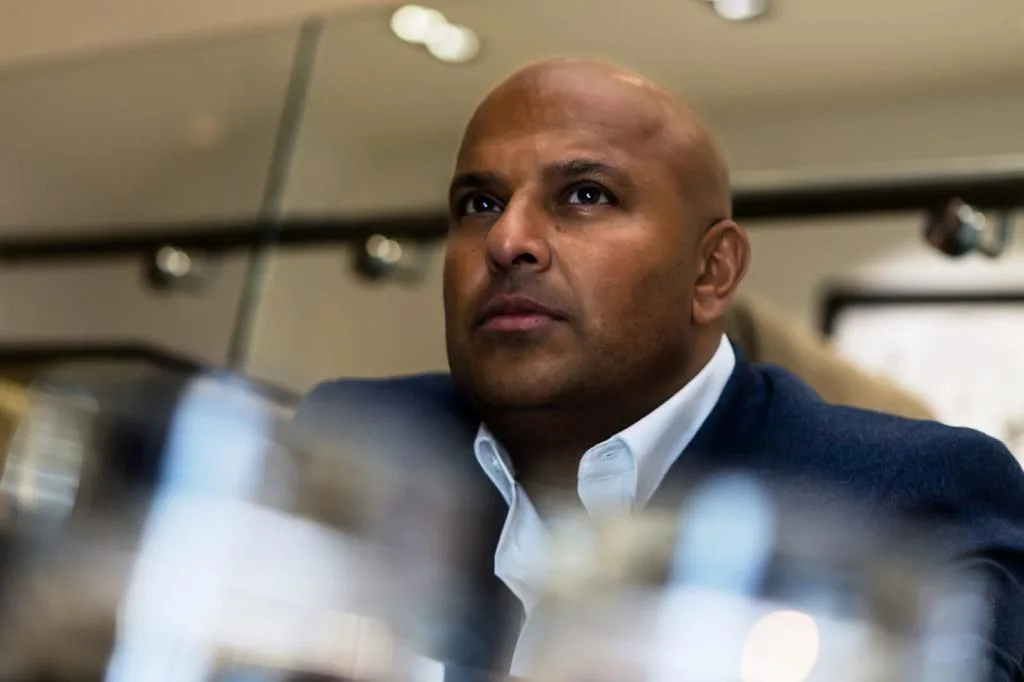
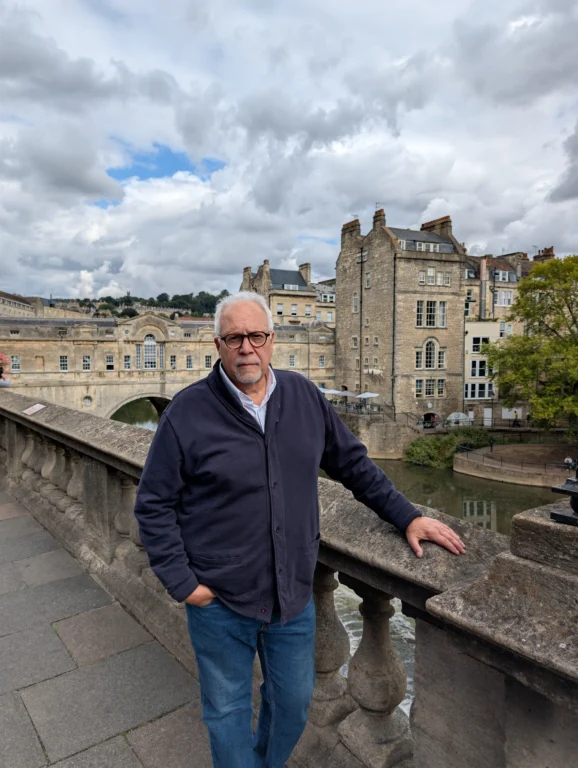
The reaction contributed to his decision to leave Illinois and establish a new life in Britain with his wife. After considering their options, the couple settled in Bath, drawn by its Georgian architecture, Roman heritage and thriving café culture. Katakis can now often be found enjoying a coffee in one of the city’s cafés, largely unnoticed by the tourists around him and enjoying the peace and anonymity that allow him to write, reflect and follow events in the country he left behind.
It is in one of these trendy eateries that Katakis speaks exclusively to The European about his decision to leave America, his growing concerns for the country he still loves, his extraordinary friendship with Ernest Hemingway’s son Patrick and the 25 years he spent managing the legendary author’s literary estate.
“No one knows me here, and those who do support me 100 per cent,” he tells me. “The British seem to understand the craziness of what’s happening in America, which is enormously refreshing. I still miss home, of course, and I’ll always be an American, but my wife and I have found a happiness here that I wouldn’t trade for anything. I think I’ve finally found my adopted tribe.”
He takes a sip from a huge coffee complete with all the trimmings and, as if on cue, adds: “I’m as American as I ever was.
“I never imagined I’d reach a point in my life when I would feel more comfortable living thousands of miles from the country where I was born, but that’s where I find myself today.”
Born in Greektown, a historic Greek immigrant neighbourhood on Chicago’s Near West Side, Katakis grew up with a strong sense of his cultural heritage, shaped in particular by his father’s experiences as an immigrant. His upbringing helped develop a lifelong interest in history, identity and belonging, subjects that would eventually become central to his writing.
His mother’s early death has also been suggested as an influence on his exploration of grief and memory, although it remains a subject he rarely discusses, including with me. His experiences growing up between two cultural traditions would later inform his understanding of America and its relationship with the wider world.
“When I arrived in Britain, I began to understand my father’s experience in a completely different way,” he says. “You’re building a new life in another country, learning its customs, making new friends and gradually finding somewhere you feel you belong. In many respects, I’ve come full circle.
“I think my father would find the whole thing rather amusing. He travelled thousands of miles to make a new life in America, and here I am, all these years later, having travelled thousands of miles in the opposite direction. I suppose the difference is that he went to America in search of a better life, and I’ve ended up leaving it for much the same reason.”
Katakis began writing seriously around 1975 and, rather than pursuing a conventional career, devoted much of his early adult life to travelling. During the 1970s and 1980s, he visited China, West Africa, Cuba, Turkey, Greece, Morocco, Italy, Korea and the Philippines, among numerous other countries, documenting the people, cultures and political circumstances he encountered.
Photography developed alongside his writing, eventually becoming an important part of a career that would take him across several continents. He has frequently described himself as ‘a writer who happens to take pictures’, reflecting his preference for approaching photography as another form of storytelling.
His travels, family history and observations of different societies helped shape the political convictions that eventually found expression in A Thousand Shards of Glass. Katakis believed America was losing sight of its founding principles, a concern that intensified during the Bush–Cheney administration and prompted him to write what he subsequently called ‘A farewell to the America I loved.’
His criticism provoked the hostility that eventually contributed to his departure from America, although his literary career had already taken another extraordinary turn through an unlikely friendship with the family of Ernest Hemingway.
During the 1990s, Katakis was assembling Sacred Trusts: Essays on Stewardship and Responsibility, a collection of essays by prominent writers examining the responsibilities individuals have towards the world around them.
Among those Katakis approached were Ernest Hemingway’s sons, Patrick and Jack, with Patrick contributing an essay entitled The Elephants of Tsavo, inspired by his three decades living in Africa. The project marked the beginning of a friendship between Patrick and Katakis, strengthened by an unexpected row with the book’s publisher.
While Katakis was away travelling, an editor had taken it upon themselves to change the contributors’ original manuscripts without their knowledge or permission, apparently in an attempt to make their language more politically correct. Even relatively innocuous expressions such as ‘timber men’ had been changed to ‘timber people’, infuriating the authors.
Katakis returned to find a barrage of furious messages from contributors demanding to know why their work had been rewritten.
“We’re talking ‘You son of a bitch!’ and ‘You bastard!’ – nothing remotely friendly. It was relentless. The authors were seriously pissed off,” he recalls.
He immediately confronted the publisher and threatened to cancel the contract unless the changes were reversed and the original manuscripts restored.
The publisher backed down, allowing the book to appear as its authors had intended. It went on to become a Los Angeles Times Pick of the Year, and Patrick Hemingway was so impressed by Katakis’s determination to defend his contributors that he wrote to thank him personally. Their friendship subsequently led to an invitation to go fly-fishing and, ultimately, Katakis taking charge of Ernest Hemingway’s literary estate.
“I have been a fly-fishermen since I was a kid so I went, and so there we are on the Missouri River fishing, and we’re talking, and we just hit it off, it was like the uncle that I had never met, and we just had a lot of laughs,” he tells me.
“He then said, ‘You know, Michael, we’ve been looking for some time for someone to handle the estate’. I suggested he should get someone in the family to do that, and he said that his family was crazy and I joked that everyone’s family is crazy.”
Katakis questioned whether managing the estate was an appropriate undertaking for someone who regarded himself first and foremost as a writer. Patrick’s response, which Katakis remembers fondly, was characteristically persuasive: “Well, don’t you think this would be one hell of a job for a writer?”
In 1999, Katakis formally assumed responsibility for Hemingway’s literary estate, beginning the painstaking task of examining decades of publishing contracts, including agreements dating back to the 1920s and 1930s.
His work involved negotiating new contracts with publishers around the world, managing the author’s extensive catalogue and identifying opportunities to bring previously unpublished Hemingway material to a new generation of readers.
Among his most significant undertakings was the creation of the Hemingway Library series, which introduced additional material through special editions of several of the novelist’s most celebrated books, including A Farewell to Arms and A Moveable Feast.
The editions proved commercially successful and helped generate renewed interest in Hemingway’s wider catalogue. Katakis regarded the preservation of the author’s literary legacy as his overriding responsibility, remaining in charge of the estate until 2024.
The appointment had taken him into an extraordinary chapter of literary history, providing an opportunity to work closely with the Hemingway family and oversee the international publishing interests of an author whose influence continues to extend far beyond the English-speaking world.
Having stepped down from his role managing Hemingway’s estate, Katakis has now returned his attention to his own writing. His new publishing house, Crow Publishers, established in association with Simon & Schuster, is very much his latest passion project.
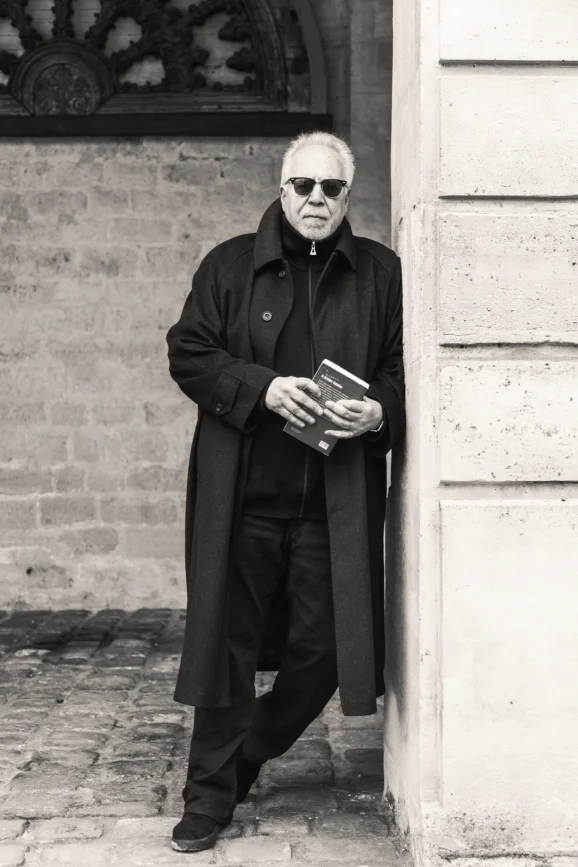
The venture reflects his dissatisfaction with aspects of contemporary publishing and his determination to select books primarily for their literary quality. He intends to dispense with what he considers “unnecessary marketing machinery”, relying instead on editorial judgement and what he describes as “trusting their taste in fine writing”.
The establishment of Crow Publishers also coincides with the release of two new novels, A Body in London and Road Songs, which draw upon Katakis’s longstanding interest in British literature and the American experience.
As I discover, he is a busy man who thrives on having plenty to do.
For years, Katakis had wanted to write a murder mystery set in London, inspired by the classic British detective novels he had admired throughout his life. His ambition has now produced A Body in London, a crime novel set in 1948, when the capital was still recovering from the destruction and immense human losses of the Second World War.
Its central character, Sir Thanatos Boyd, is an unconventional detective investigating a series of apparently natural deaths. Boyd suspects that a murderer has discovered a way to conceal his crimes, leading him into an increasingly disturbing investigation.
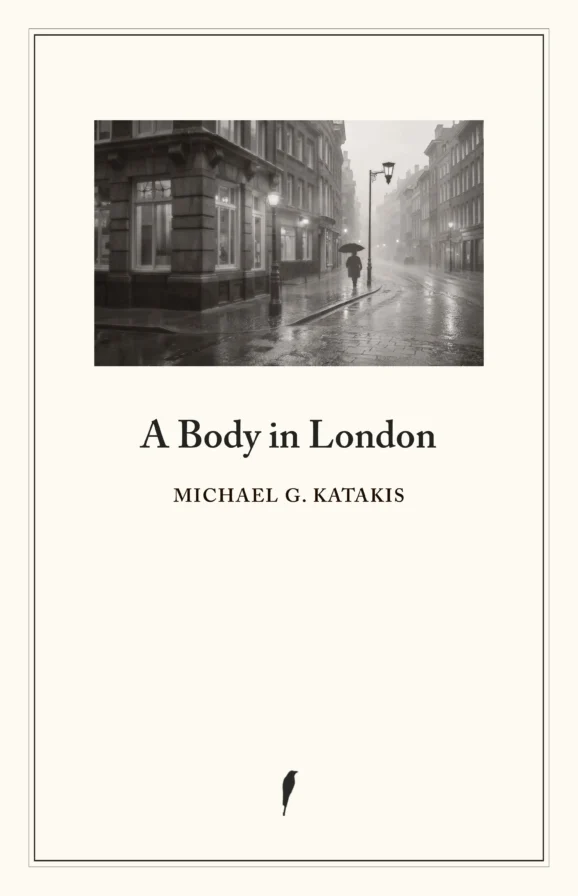
Drawing upon the traditions established by Dorothy L. Sayers, Margery Allingham and Ngaio Marsh, Katakis places his detective in a city still scarred by the Blitz, where rationing, bereavement and the psychological consequences of war remain part of everyday life.
The mystery develops against this historical backdrop, with the investigation gradually exposing the troubled lives of those involved. Katakis incorporates the intricate plotting associated with traditional British detective fiction, exploring the moral complexities of a society struggling to recover from conflict.
Memory, grief and the lasting consequences of violence feature prominently throughout the novel, with occasional flashes of dark humour punctuating Boyd’s investigation.
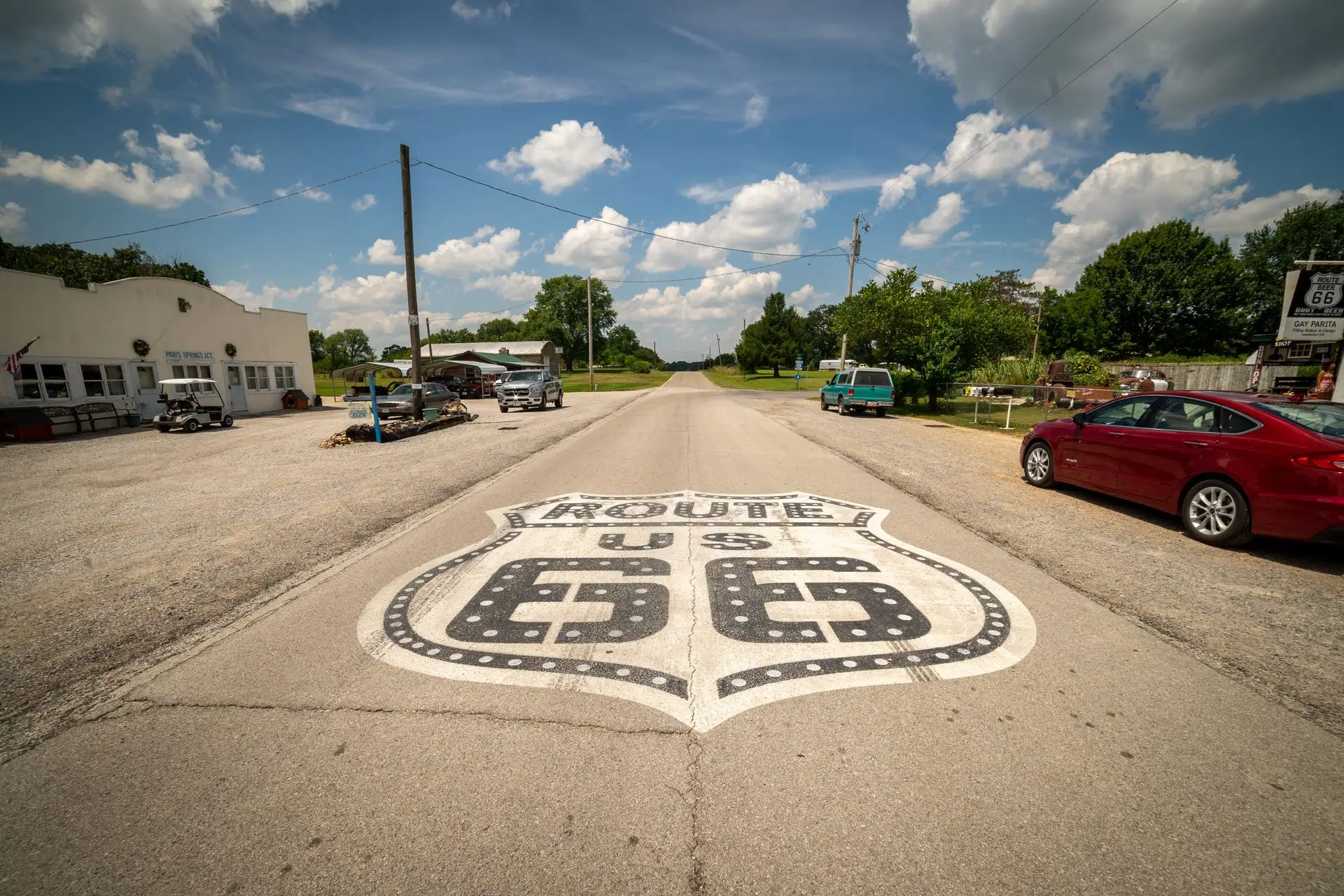
His second novel, Road Songs, takes readers back across the Atlantic, drawing upon the American literary tradition of using the open road to explore identity, freedom and the human condition.
The story follows Tom Ryder, a celebrated novelist and reluctant film star approaching the end of his life, who embarks on a journey across America accompanied by his ageing dog, Josie.
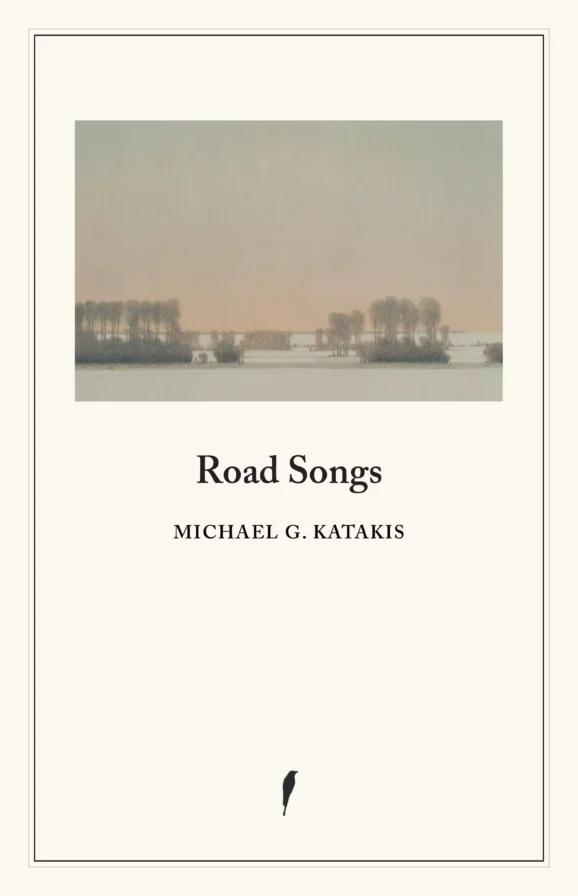
Decades earlier, Ryder won the Pulitzer Prize for Highway Cross, a novel of such emotional intensity that readers speculated about the personal experiences that might have inspired it. As he travels through deserted towns and along remote highways, fragments of his past gradually emerge, revealing a life shaped by success, personal relationships and loss.
During his journey, Ryder encounters roadside memorials commemorating people killed on America’s highways. He stops to examine the photographs, flowers and crosses left by grieving families, recording the names of the deceased and imagining the lives they might have led.
At each memorial, he also notes the song playing on his truck radio, creating a musical record of his journey that connects the places he visits with his own memories and experiences.
The novel draws upon an American literary tradition associated with writers including John Steinbeck, Jack Kerouac and Cormac McCarthy, examining the country’s vast landscapes through the experiences of an individual confronting his own mortality.
As our conversation draws to a close, Katakis waves over the waiter and, much to my surprise, orders a cup of tea. For a man who has spent much of his life travelling the world and writing about America, it seems an appropriate way to end our meeting.
“Jesus,” he says as his drink arrives. “Perhaps I’m becoming British after all.”
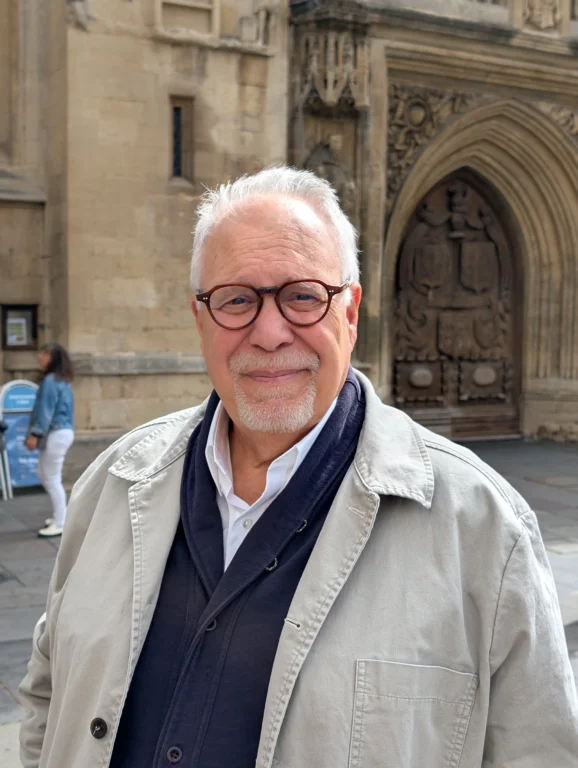
Michael Katakis FRGS is an internationally acclaimed writer and photographer whose career spans more than four decades. His work explores history, conflict, memory and the human condition, with his books and photography held by leading institutions including the British Library, the Victoria and Albert Museum, the National Portrait Gallery in Washington, DC, and Stanford University. Over 25 years, he collaborated with his wife, anthropologist Dr Kris L. Hardin, on numerous books and exhibitions, including A Time and Place Before War, The Vietnam Veterans Memorial and Troubled Land: 12 Days Across America. He managed Ernest Hemingway’s literary estate from 1999 to 2024 and is a Fellow of the Royal Geographical Society. Michael’s latest books, A Body in London and Road Songs are both available from Crow Publishers now.
READ MORE: The David Attenborough of the 1600s who warned Britain was destroying its natural world. Three centuries before Sir David Attenborough was born, pioneering naturalist John Aubrey was documenting disappearing forests, declining wildlife and the devastating effects of environmental destruction. Now, 400 years after his birth, his groundbreaking work has been published in full for the first time, writes historian Louise Ryland-Epton.
Do you have news to share or expertise to contribute? The European welcomes insights from business leaders and sector specialists. Get in touch with our editorial team to find out more.
Main image: A fresh literary chapter – Michael Katakis holds his two new novels, A Body in London and Road Songs, beside Bath’s historic Pulteney Bridge. Published through Crow Publishers, the books mark his return to fiction following a quarter of a century managing Ernest Hemingway’s literary estate. Credit: Palamedes