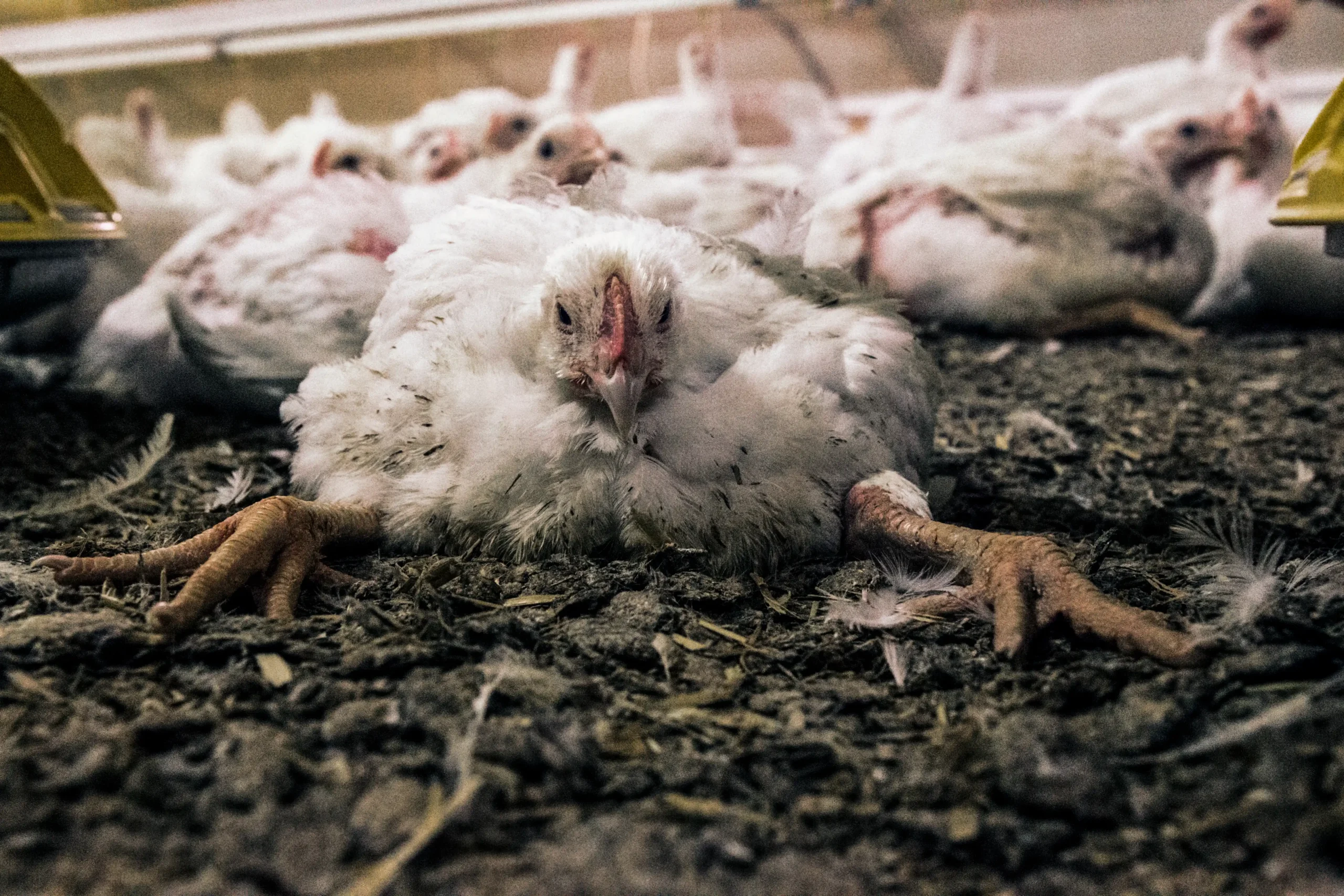
Danish ministers are backing a ban on fast-growing chickens bred for meat after concerns over severe welfare problems, prompting animal charities to demand action from the British government and major food businesses
Denmark is preparing to ban the farming of fast-growing chickens, dubbed ‘frankenchickens’ by animal welfare campaigners, in a move that could make it the first country to outlaw breeds blamed for widespread suffering.
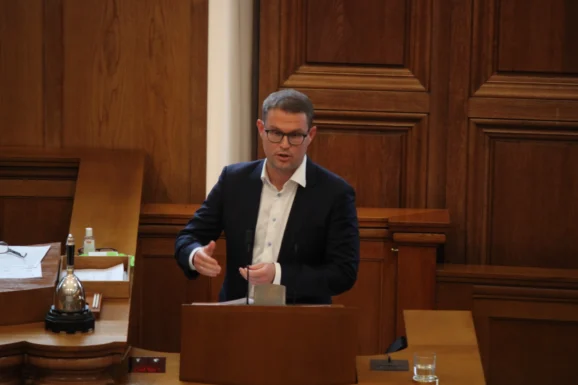
The country’s Minister for Nature and Animal Welfare, Christian Rabjerg Madsen, announced yesterday that he wanted a national ban on “turbo chickens”, following declarations of support from seven political parties, including members of the governing coalition.
The proposals target chickens selectively bred to reach slaughter weight in as little as 33 to 35 days, with campaigners warning that their unusually rapid growth can cause painful leg disorders, difficulty walking and heart problems.
It comes after Danish TV broadcast undercover footage showing conditions at a poultry farm in northern Jutland, where chickens were reportedly given just three hours of darkness a day, half the legal minimum.
Madsen told TV 2 that he wanted to work towards a national prohibition, although the government would first need to examine the legal and economic implications. Denmark is also seeking restrictions at European Union level.
The development has intensified pressure on the UK government, where animal welfare campaigners say approximately nine-in 10 chickens eaten are still fast-growing breeds.
Connor Jackson, chief executive of animal welfare charity Anima, said: “Frankenchickens endure extreme suffering on a daily basis, and Denmark is showing the world what’s possible when politicians take that seriously. For years the UK has utterly failed these birds, leaving them to collapse in agony by the millions.”
He called for fast-growing chickens to be removed from public-sector food contracts, including those supplying schools and hospitals, and urged businesses to honour commitments to adopt slower-growing breeds.
“In Britain we have made efforts to give chickens more space, which is positive. But we’re still breeding these birds far beyond what their bodies can cope with,” Jackson added.
Waitrose phased out fast-growing chickens in 2025, while Marks & Spencer completed a transition in its own-brand fresh chicken range in 2024, according to Anima.
The charity also criticised KFC and Pret A Manger over commitments to higher-welfare chicken sourcing, arguing that both businesses had failed allegedly to make the promised changes by 2026.
In England, the government’s December 2025 Animal Welfare Strategy committed to supporting voluntary efforts to move away from fast-growing meat chicken breeds, without introducing a compulsory ban.
In a parliamentary answer earlier this month, Defra confirmed that ministers were still considering how to support that transition. A separate answer in September said no specific timetable had been set.
Last month, Chris Packham called on Andy Burnham to stop fast-growing chicken being served across the public sector, warning some birds are slaughtered at just 35 days old. The wildlife campaigner wants ministers to use the Government’s purchasing power to stop fast-growing breeds being bought for public-sector meals, arguing taxpayers should not be funding a farming system he says causes widespread suffering.
A ban in Denmark could also prove contentious among poultry producers, who have warned that restricting domestic production while allowing imports of the same chicken breeds could move jobs and production overseas.
The Danish government has yet to announce legislation or a timetable for the proposed ban, with legal and economic questions still to be resolved.
READ MORE: Chris Packham launches campaign to rid Britain of ‘frankenchicken’. In an open letter to Andy Burnham, published exclusively here in full, the celebrated wildlife campaigner calls on the new Prime Minister to back his campaign to remove fast-growing chicken from schools, hospitals, prisons, military bases and government offices.
Do you have news to share or expertise to contribute? The European welcomes insights from business leaders and sector specialists. Get in touch with our editorial team to find out more.
Main image: A fast-growing broiler chicken pictured on a farm. Denmark is moving towards a ban on so-called ‘frankenchicken’ breeds, which animal welfare campaigners say are bred so quickly that many suffer pain, mobility problems and other serious health issues. Credit: Anima.