Should the West risk confrontation with Iran, or accept the possibility of a nuclear-armed regime exerting leverage over one of the world’s most important oil routes? The question goes to the heart of today’s debate over Iran and the risks facing global trade, writes Business & Regulation Correspondent Harry Margulies
Public debate across Western democracies has become increasingly divided over the confrontation with Iran.
Critics argue that supporting the current military campaign risks a wider regional war and further economic disruption. Rising oil prices and instability in the Middle East are already affecting households and businesses far beyond the region.
Supporters of a firmer response see the issue differently. In their view, the strategic risks posed by Iran extend beyond the immediate conflict. The concern is not only about present hostilities but about what could follow if Iran were to combine its regional influence with nuclear capability.
The debate therefore turns on a difficult question: whether the risks of confrontation today are greater than the dangers that might emerge if Iran’s strategic position continues to strengthen.
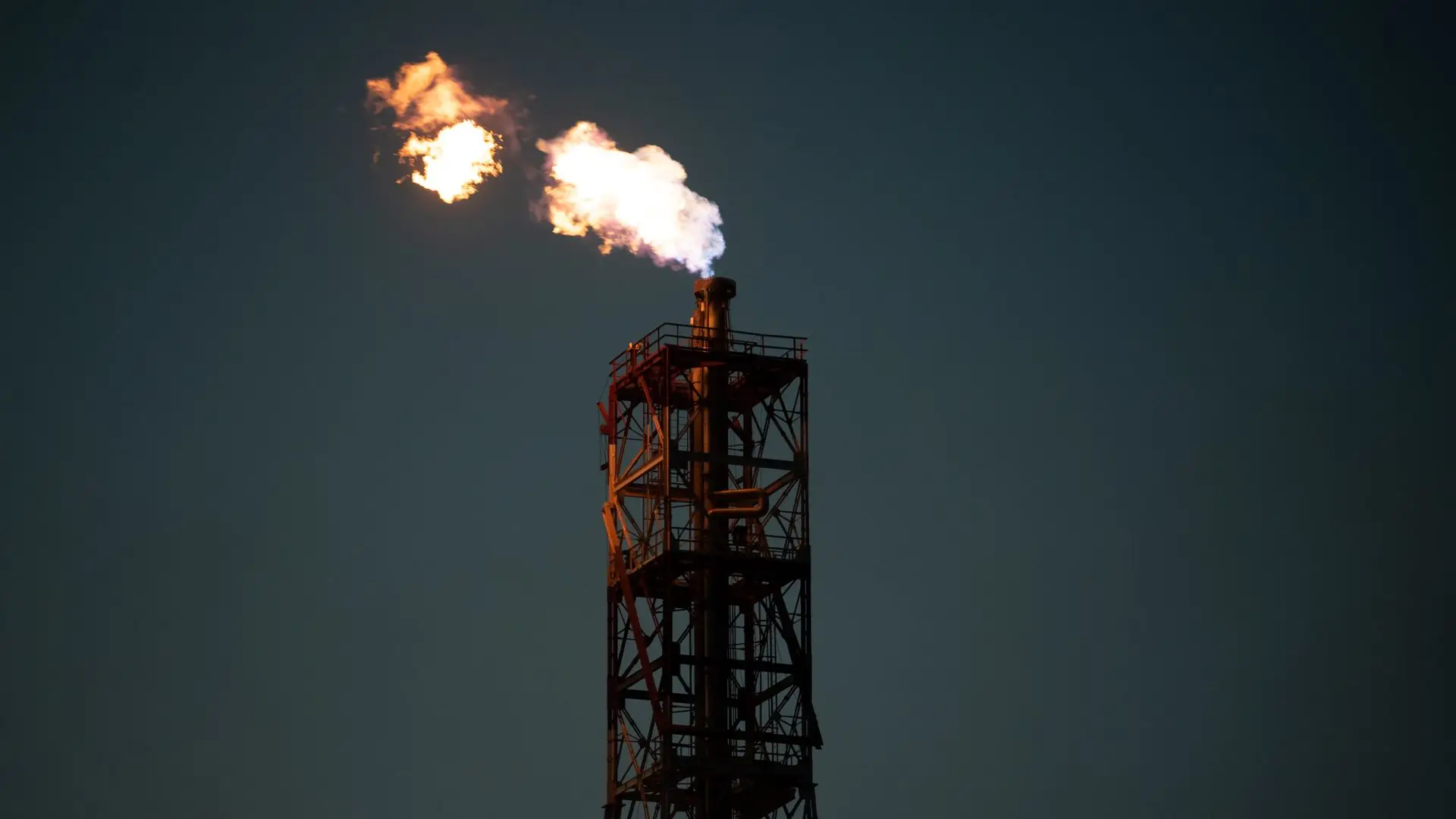
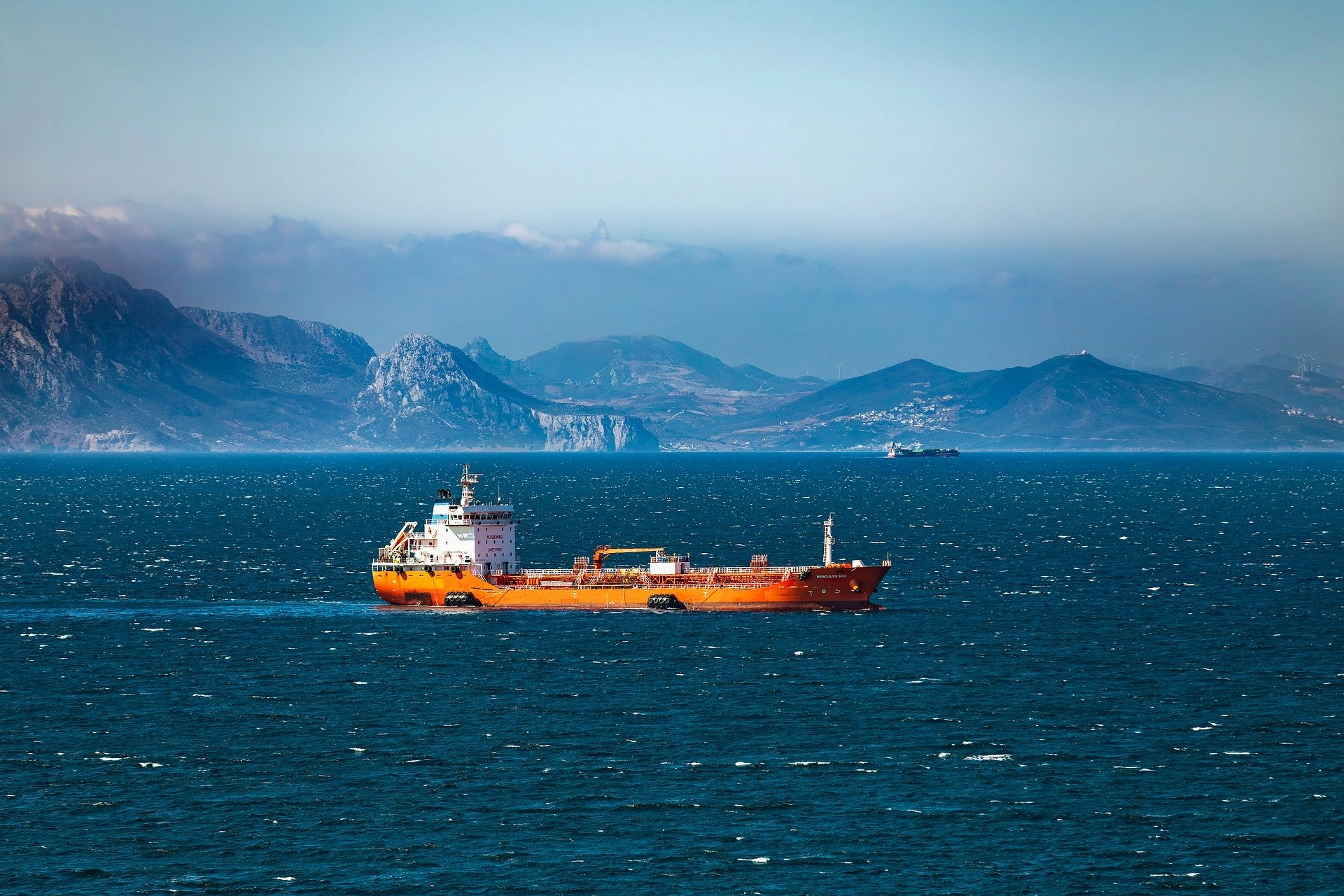
The situation in the Strait of Hormuz, through which roughly one-fifth of the world’s oil supply passes, has brought this into sharp relief.
Freedom of navigation has long been considered a core national interest for major trading nations. As early as the nineteenth century, the United States fought the First Barbary War under Thomas Jefferson to stop North African states from demanding tribute for safe passage through the Mediterranean.
The principle was simple: No nation should be forced to pay for the right to trade freely on international waters.
Iranian actions in and around the Strait have already disrupted shipping and demonstrated how vulnerable this vital artery of global trade can be.
The strategic concern, however, extends beyond short-term price shocks. The larger issue is nuclear proliferation.
Iran insists that it does not intend to build nuclear weapons, and its leadership has claimed that religious rulings prohibit them.
Yet the country has enriched uranium to levels approaching weapons grade, according to the International Atomic Energy Agency.
Even before the war, Iran was projecting power across the Middle East through a network of allied and proxy groups. The Houthis in Yemen, for example, have repeatedly targeted international shipping in key maritime corridors. Other Iranian-backed groups have attacked Israel and contributed to broader instability across the region.
If such influence were combined with nuclear capability, the strategic implications could be far greater.
History offers a cautionary lesson. In the 1990s, the United States attempted to halt North Korea’s nuclear ambitions through the Agreed Framework negotiated under Bill Clinton. The agreement provided economic assistance and energy aid in exchange for freezing the nuclear programme.
Ultimately, however, North Korea withdrew from its commitments and developed nuclear weapons anyway.
This raises an uncomfortable but important question: What would the world look like if Iran already possessed nuclear-armed ballistic missiles capable of reaching Tel Aviv, Paris, London or New York?
In such a scenario, Iran might not need to fire a single missile. The mere threat could be enough to coerce the international community — for example, by demanding payments or political concessions in exchange for allowing oil shipments through the Strait of Hormuz. The world already lives with a version of this reality when dealing with nuclear-armed North Korea.
But the world is not yet at that point, and Iran’s current weakened military position cannot be ignored. Tehran’s leadership continues to issue threats as though its full military capacity remains intact, yet reports suggest its missile launch capability has fallen sharply. Some estimates indicate an 80–90 percent decline from peak daily launch rates following the destruction of launchers that previously enabled sustained barrages.
Some Western leaders have criticised what they describe as an unlawful war against Iran. The same leaders have been less vocal about Iranian threats that could affect their own countries. The Canadian Prime Minister, for example, has highlighted the risks repeatedly while shifting between several positions on the issue.
In autocracies such as Iran, leaders can pursue policies without scrutiny. In democracies, however, foreign policy debates often unfold in real time, with the public questioning decisions before the full strategic picture is understood.
That openness is both the strength and the weakness of democratic societies. Debates can be muddied by incomplete information and amplified by media narratives that focus on immediate economic fears rather than longer-term strategic risks.
Public debate in democracies is essential, but it should also recognise a central reality of international politics: there are rarely perfect choices — only difficult trade-offs between risks today and potentially greater dangers tomorrow.
None of this means that continued confrontation with Iran carries no risks. Rising oil prices and economic disruption affect ordinary people everywhere.
But the alternative — allowing a hostile regime to gain nuclear leverage over one of the world’s most important trade routes — could prove far more costly in the long run.

Harry Margulies is a journalist, author, commentator, and public intellectual whose work interrogates religion, politics, and morality with sharp wit and fearless clarity. A second-generation Holocaust survivor, he was born in Austria and spent time in an Austrian refugee camp before moving to Sweden. Educated by Orthodox rabbis throughout his childhood, he ultimately abandoned faith in his teens—a journey that has shaped his lifelong commitment to secularism, critical thinking, and freedom of expression. His latest book, Is God Real? Hell Knows, has been described by ABBA’s Björn Ulvaeus as “funny, sharp, and unafraid.”
READ MORE: ‘The era of easy markets is ending — here are the risks investors can no longer ignore‘. Markets have adapted to decades of cheap money and global integration, but as energy systems tighten, debt burdens rise and geopolitical tensions return, investors face a more constrained and fragmented environment than many portfolios assume. Harry Margulies sets out the structural risks reshaping the investment landscape.
Do you have news to share or expertise to contribute? The European welcomes insights from business leaders and sector specialists. Get in touch with our editorial team to find out more.
Main image: Bergadder/Pixabay