Markets have adapted to decades of cheap money and global integration, but as energy systems tighten, debt burdens rise and geopolitical tensions return, investors face a more constrained and fragmented environment than many portfolios assume. Harry Margulies sets out the structural risks reshaping the investment landscape
I am not an investment adviser, so what follows is not investment advice. Instead, it’s an attempt to outline several structural realities investors may wish to consider as we move deeper into a decade defined by artificial intelligence, energy transition, heavy debt burdens and geopolitical instability.
Markets have benefited from a long period of supportive monetary policy, globalised supply chains and steady productivity gains from technology. That environment is becoming more complex. Many of today’s dominant investment narratives revolve around AI, but technological acceleration still depends on physical systems: energy grids, materials and political stability.
These risks are concrete and connected. Geopolitical instability raises risk premiums; energy systems face rising demand; strategic materials sit within narrow supply chains; sovereign debt limits fiscal flexibility; and shifts in productivity and purchasing power test economic resilience. Each of these pressures deserves closer scrutiny.
1. Geopolitical risk has returned.
Geopolitical fragmentation is increasing uncertainty and repricing capital. Markets prefer predictability, yet the international landscape has grown more volatile and transactional. Leaders such as President Donald Trump have openly embraced unpredictability as a negotiating tool, illustrating how quickly trade policy, alliances and regulatory frameworks can shift. Regardless of political preference, unpredictability increases risk premiums. Capital gravitates toward stability.
2. AI is electricity-intensive.
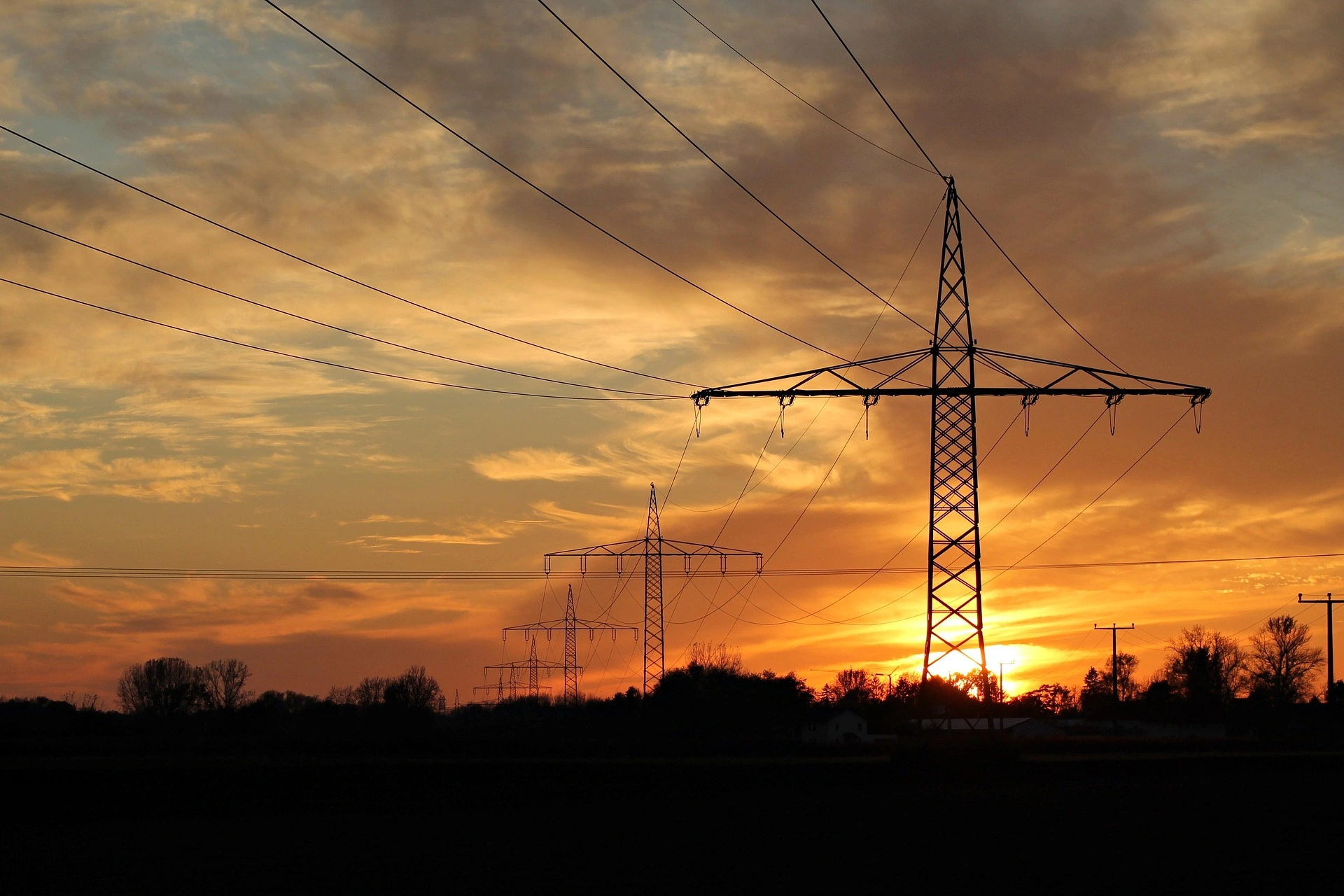
Energy infrastructure may become a binding constraint on technological expansion. AI development depends on physical infrastructure. Data centres require transformers, transmission lines, substations and large volumes of copper. The expansion of data centres, grid modernisation and transport electrification all raise demand for conductive metals.
According to a forecast by JLL (Jones Lang LaSalle), global investment in AI-driven data centres could approach $3 trillion by 2030. McKinsey & Company, meanwhile, estimates total AI-related spending may reach $6.7 trillion by the turn of the decade. These figures imply enormous electricity requirements.
If electricity demand rises sharply, the key question becomes how stable baseload power will be supplied. Elon Musk has floated ideas such as space-based data centres to harness solar power and benefit from natural cooling. Whether economically viable or not, the concept highlights how AI’s energy needs may reshape infrastructure planning.
On Earth, waste heat from data centres is already being channelled into district heating systems in parts of Finland and Sweden. Infrastructure choices increasingly create wider economic effects. Energy abundance could be a decisive economic advantage. In the AI era, electricity may matter more than software. Countries with stable political systems and affordable electricity could see disproportionate industrial growth and currency strength.
3. Renewables and nuclear.
The energy transition remains uneven, and supply security is not guaranteed. Wind and solar capacity continue to expand, supported by falling costs and policy commitments. Battery storage technology is improving, though maintaining grid stability at scale remains technically demanding. Natural gas provides reliability but faces carbon constraints. Green energy will win out when it is competitive and reliable.
Nuclear power has re-entered policy discussions across Europe, North America and parts of Asia. Governments seeking both decarbonisation and energy security may accelerate nuclear projects. Uranium production is geographically concentrated, with roughly 70 per cent coming from Kazakhstan, Canada and Australia, according to the World Nuclear Association. Strategic procurement and long-term contracts could become more common.
4. Strategic metals.
Critical materials are concentrated in limited jurisdictions and exposed to political leverage. Gold continues to serve as a hedge against monetary instability and geopolitical stress, with central banks remaining consistent buyers. Silver has a dual role as both a monetary asset and an industrial input, particularly in solar panels and electronics.
Rare earth elements are critical for electric vehicles, wind turbines, advanced electronics and defence systems. Supply chains remain concentrated in a limited number of countries, notably China. As industrial policy and reshoring efforts expand, access to these materials carries strategic significance.
In periods of geopolitical strain, such as we now face, that concentration can translate quickly into supply disruption, price volatility and strategic exploitation.
5. Oil and transition.
Long-held assumptions about oil demand may prove less durable than markets expect. Oil remains central to transport, petrochemicals and heavy industry. Over time, large-scale deployment of renewables, storage technology and grid improvements could stabilise or reduce oil demand. Energy transitions tend to unfold gradually. Investors may need to reassess assumptions of perpetual demand growth. If global oil consumption plateaus, the implications extend to shipping capacity and tanker valuations.
6. Productivity and purchasing power.
Productivity gains do not automatically translate into broad-based demand growth. Automation and globalisation have supported rising corporate margins for decades. AI could further increase productivity. If labour participation declines or wage growth weakens, consumer demand may be affected. Broad-based purchasing power underpins economic stability. Persistent income concentration can generate political and fiscal pressure.
7. Sovereign debt.
Elevated public debt constrains fiscal flexibility and raises refinancing pressure. Many Western governments carry historically elevated debt-to-GDP ratios. The International Monetary Fund has warned about rising global public debt levels. Higher interest rates increase refinancing costs for governments and corporations alike. Inflation reduces the real value of debt but erodes household purchasing power.
Debt sustainability, interest rates and fiscal capacity are structural variables that markets sometimes underprice during optimistic cycles.
8. Currency and backing.
Questions about monetary credibility and structural backing remain unresolved. Bitcoin appeals to those sceptical of fiat currency systems, offering programmed scarcity. Fiat currencies are supported by taxation authority, productive capacity and institutional structures. The debate ultimately centres on what constitutes economic backing: scarcity alone, or the strength of an underlying economy.
In periods of fiscal stress or political instability, those questions can move from theory to market reality.
What this all means for investors.
Taken together, we are entering an era defined by AI transformation, energy strain, strategic metals, elevated sovereign debt and renewed geopolitical tension. These forces introduce variables that markets may not fully price during optimistic periods.
The most important investment question today may not be “What will go up next?” but, instead, “What risks are being quietly underestimated?”
Humility may prove more valuable than confidence as technology accelerates and energy systems tighten. If you are a risk-taker, you may find comfort in the fact that markets have historically adapted faster than pessimists expect.
Which of the realities discussed do you see as most underpriced today?
As globalisation and the cheap-money regime are questioned, we may be entering a more energy-constrained, politically fragmented era. In periods of structural change, preservation of capital can matter more than return. Risk what you can afford. Assume less than you hope. Uncertainty itself may begin to look like an asset class.

Harry Margulies is a journalist, author, commentator, and public intellectual whose work interrogates religion, politics, and morality with sharp wit and fearless clarity. A second-generation Holocaust survivor, he was born in Austria and spent time in an Austrian refugee camp before moving to Sweden. Educated by Orthodox rabbis throughout his childhood, he ultimately abandoned faith in his teens—a journey that has shaped his lifelong commitment to secularism, critical thinking, and freedom of expression. His latest book, Is God Real? Hell Knows, has been described by ABBA’s Björn Ulvaeus as “funny, sharp, and unafraid.”
READ MORE: ‘The legality of tax planning in an age of moral outrage‘. Tax planning provokes moral outrage far beyond its legal meaning. Harry Margulies examines how everyday, lawful decisions are recast as suspect behaviour, why legality remains the only workable standard in a free society, and how differing tax regimes create incentives that individuals and businesses are rational to follow.
Do you have news to share or expertise to contribute? The European welcomes insights from business leaders and sector specialists. Get in touch with our editorial team to find out more.
Main image: Sabine_999/Pixabay