What if the light we live under every day is making us ill? In this exclusive for The European, Steve McCauley speaks to UCL neuroscientist Professor Glen Jeffery and former European Space Agency and Hubble scientist Dr Bob Fosbury, whose research suggests modern LED lighting has left us living in what they call “infrared darkness” – deprived of wavelengths that help our mitochondria function properly. The implications, they warn, are serious enough to constitute a “clear and present public health emergency”
Most of us barely think about the light above our heads. We switch it on at home, work under it in offices, walk beneath it in streets and sit beneath it in hospitals, shops and classrooms.
But what if the artificial light that surrounds us every day is actually a health hazard, something doing us harm?
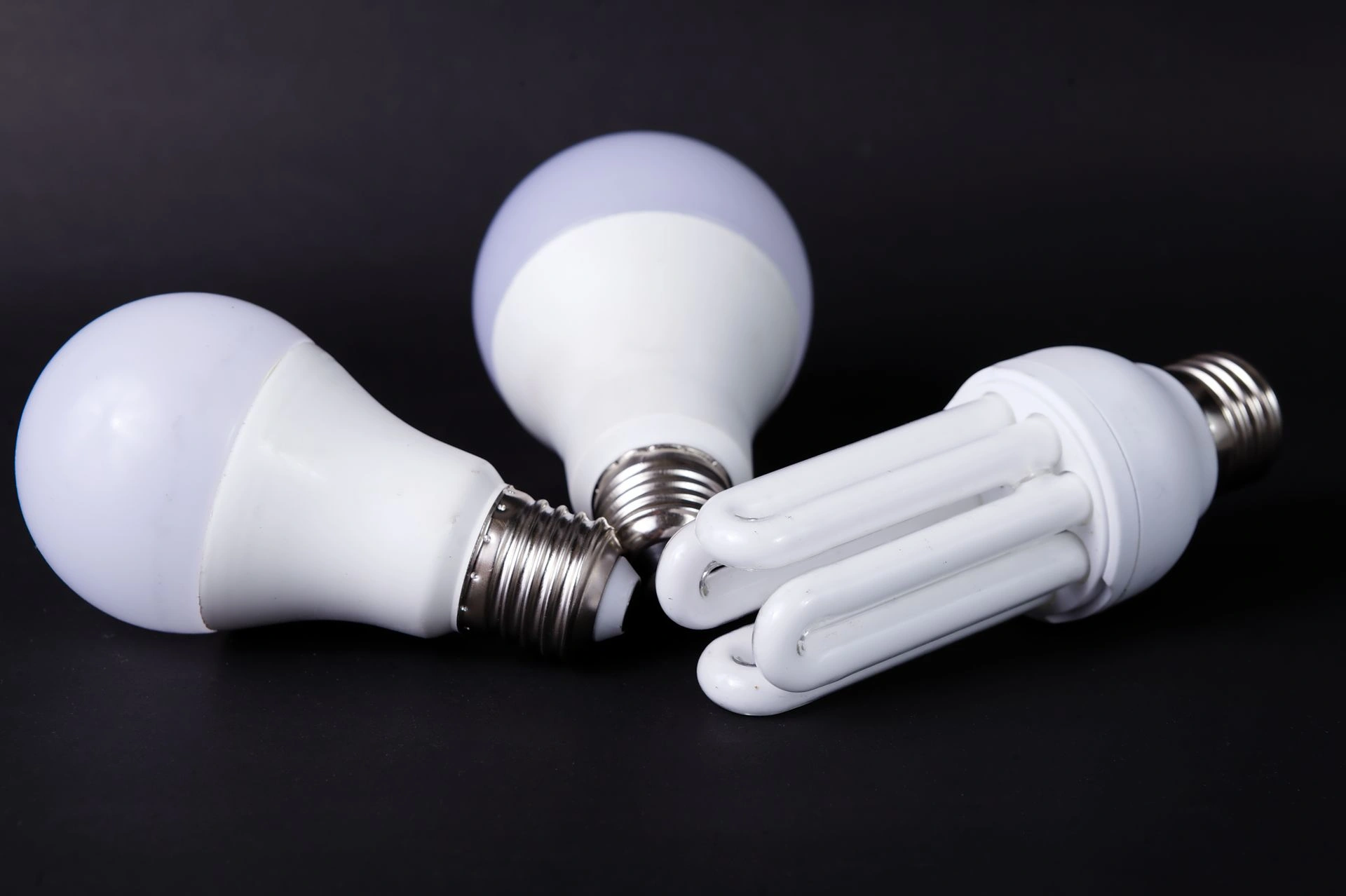
This might, on the surface, sound preposterous. After all, the ubiquitous LED light bulb was ushered in with a compelling promise to reduce the energy needed to create artificial light by up to 90 per cent. Its adoption has helped to tackle climate change while also reducing costs. Before LEDs were introduced, lighting used to account for around 20 per cent of global electricity consumption. Now it stands at around 8 per cent. In addition, LED bulbs can last far longer than incandescent bulbs.
Not for nothing, then, did the 2014 Nobel Prize in Physics recognise the invention of efficient blue light-emitting diodes, which made bright, energy-saving white light possible.
This shining beacon of sustainability, however, may have a dark side. Professor Glen Jeffery, a neuroscientist at University College London, certainly thinks so. He believes that modern LED lighting may pose a serious and largely overlooked health risk.
In fact, he goes so far as to call it the “new asbestos”.

Jeffery, Professor of Neuroscience at UCL’s Institute of Ophthalmology, says that while LEDs were introduced for good reasons, they emit a qualitatively different type of light to their incandescent predecessors.
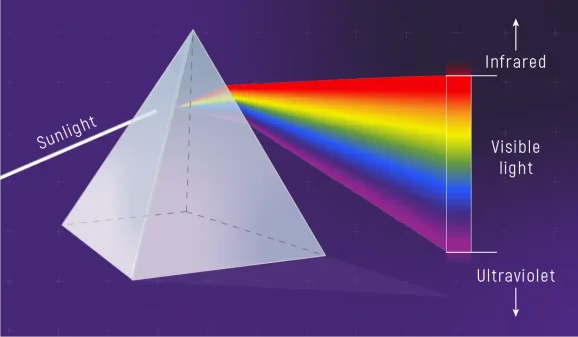
LED bulbs emit a high proportion of short-wavelength blue light, with some of this falling between 420 and 450 nanometres (nm). Blue light, however, is only one part of the visible spectrum. At the opposite end lies longer-wavelength red light, followed by infrared, which sits beyond what the human eye can see.
Sunlight contains the full visible spectrum and extends into infrared. Traditional sources of artificial light, such as candles, oil lamps, incandescent bulbs and halogen lamps, also emit longer wavelengths. Conventional LEDs, by contrast, provide little or no infrared light to balance the short wavelength blue.
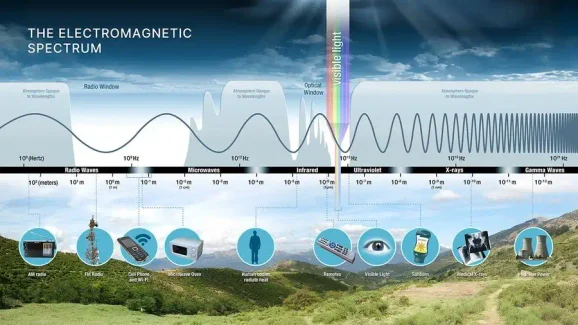
Jeffery, described as “one of the greats of neuroscience”, says that reducing the spectral fingerprint of bulbs might seem a practical measure, but there’s more to it than meets the eye.
In 2010, he began to investigate after colleagues working in vision found that red light appeared to improve patterns of recovery after damage to the visual system in animal models.
“Why have a bulb that generates light that you can’t see? There’s no point, or so we thought. We didn’t understand the potentially detrimental effects of the design,” Jeffery told me.
“We found that neuronal damage was considerably slowed by being exposed to red light. Something was going on.
“Other experiments showed that the process of degeneration was slowed by red light. So I asked, ‘What is the red light actually doing?’ I started to form the link between red light and mitochondria.”
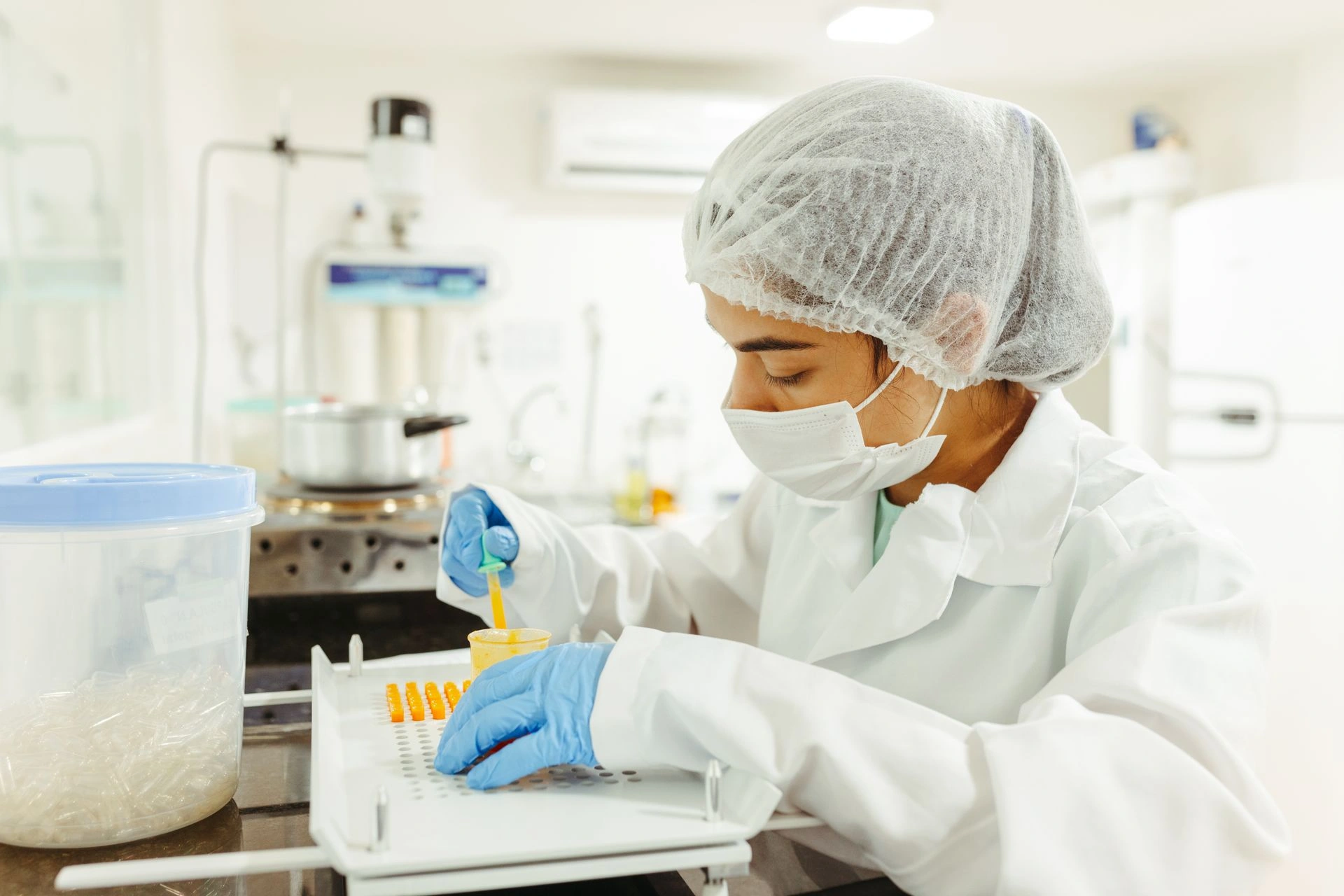
Mitochondria are structures within our cells that help convert energy from food into ATP, a molecular fuel used by the rest of the cell. It’s literally vital that your mitochondria work properly.
Jeffery’s subsequent experiments, he says, found a striking difference between wavelengths.
“We watched the mitochondria directly in the animal model and we found clearly that red light to near infrared light was having a very positive effect. And we found that short wavelengths, like deep blues, were having a very negative effect.”
Jeffery argues that what he calls the “nasty blue” short wavelength light between 420 and 450 nm can impair mitochondrial function. The rest of the blue light is not a problem, he says.
But how does this effect translate to human beings?
Jeffery has also tested red light in people. “There are more mitochondria in your retina than any other part of your body. So, we exposed older people to red light. We found we could improve their vision by using red light at 670nm wavelength for just three minutes. And there was a very significant improvement in colour vision.”
A firm believer in the importance of breaking down silos in science, he assembled a multidisciplinary team including Dr Bob Fosbury, Astronomer Emeritus at the European Southern Observatory and an Honorary Professor at the Institute of Ophthalmology, UCL. Fosbury worked for 26 years at the European Space Agency as part of its collaboration with NASA on the Hubble Space Telescope.
“Life on earth is an antenna tuned to sunlight,” Fosbury explained. “Life has evolved to utilise the sunlight that gets through the atmosphere to its maximum extent. While this may seem obvious, nobody appears to have considered this when the lighting was changed.”
He argues that, alongside photosynthesis, sunlight plays another role in helping organisms metabolise the sugars that provide energy.
“We call it photometabolism. It needs components of sunlight to metabolise properly. This goes back over four billion years of evolution. It was not until a decade after the introduction of the LEDs that we really became aware of the problem.”

This leads to what Jeffery and Fosbury regard as the crucial point. The concern, they argue, is not blue light in isolation but the absence of infrared light from LED-dominated environments in which we as people spend so much time.
“The absence of infrared light in the artificial lighting environment decreases the efficiency of your mitochondria,” Fosbury said. “You’re less able to metabolise properly, over a timescale of days, weeks, months. This is what’s happening to the urban population today, all living indoors. It’s blamed on the blue light from LEDs, but people indoors are in infrared darkness.”
Jeffery uses a battery analogy to explain the proposed mechanism. “If you could put an electrode in a single mitochondrion, you could measure the potential difference between the inside and the outside of a mitochondrion. Think of it as a battery. The blue light discharges the battery.
“Mice exposed to ordinary LED lights display mitochondrial distress, unable to use as much glucose as normal. They tend to be less energetic, to put on weight and to develop fatty liver disease.”
Jeffery also points to animal experiments suggesting that blue-light exposure can alter signalling through the blood. “The mitochondria there send messages around in your blood. This has been demonstrated in animals; it changes the blood signalling through what are called cytokine profiles. The mitochondria form a community and signals are sent throughout your body.”
“The other thing that happens is that blue light is strongly absorbed by chemicals called porphyrins which can result in inflammatory responses,” Jeffery added.
“This area of research is slowly shaking out, but I feel confident enough to stick my neck out and say that it is bad, bad news.”
How far these findings translate into long-term effects in people remains an open question.
But Fosbury is concerned.
In his view, the problem that LED bulbs present is not about adding something you don’t want but, instead, taking away something you need: near infrared light. He compares this part of the spectrum to a servicing centre that keeps the mitochondrial engine running smoothly.
One obvious objection to the supposed benefit of older artificial lighting is that longer wavelengths might be expected to be stopped by clothing, never reaching our skin.
But, amazingly, Jeffery says his research has shown that long wavelength red and near-infrared light can penetrate deeply into the human body, including through clothing.

“If I were to put a spectrometer into your body and look for long wavelength light, it would be bright in there, so much you could see it! You could see it because it’s passing through you.
“We stood someone in sunlight and we took a photograph, through their back with an infrared camera. You can see it. It’s just no one has ever looked before.”
So, in Jeffery and Fosbury’s view, by ditching the incandescent and halogen lighting of yesteryear for more energy-efficient counterparts, we have unwittingly created an unseen environment of chronic light deficiency.
Fosbury continued: “We call it 21st Century scurvy. The disease develops on the same kind of time scale as scurvy, when ancient sailors gradually suffered from a lack of Vitamin C.”
LEDs are now a fact of life, so what can we do about the potential danger?
Jeffery’s answer is to make sure people receive enough near infrared light. He suggests introducing an incandescent or halogen bulb into an LED-lit room to make sure that fuller-spectrum light is present. Experiments, he says, have shown that even an incandescent bulb turned down with a dimmer can bathe a room in infrared light.
There is one practical complication; traditional incandescent bulbs have largely disappeared from the consumer market, while most halogen bulbs have also been phased out in the UK as lighting standards have shifted towards more energy-efficient LEDs.
What is still readily available, however, is daylight, and Jeffery stresses the importance of getting outside, especially in the morning and evening, while avoiding excessive ultraviolet exposure.

His lab is also experimenting with introducing elements at 850 nm into LED lamp clusters, a design change intended to provide some of the longer wavelength light missing from conventional LEDs.
Fosbury adds that tree leaves reflect infrared light.
He said: “Our hypothesis is that forests act not only as producers of food through photosynthesis but also as rich natural sources of biologically active near-infrared light for the wider ecosystem.
“If you stand in the shade under a tree, you have gobs of infrared radiating down on you, serving your metabolism, helping to keep you healthy. It helps explain why forest bathing is so popular, as pioneered in Japan.”

The implications, if Jeffery and Fosbury are right, extend well beyond the home. They include the design of offices, schools and hospitals, where people can spend much of the day under artificial light.
Jeffery points to evidence that access to sunlight and fresh air can benefit intensive care patients. In May 2026, King’s College Hospital in London opened its King’s Critical Care Roof Garden, allowing patients to receive full life support while experiencing fresh air, sunlight and proximity to plants.
The irony, he says, is that this resembles how hospitals used to be conceived before post-war design increasingly prioritised efficiency over recuperation. Florence Nightingale wrote in Notes on Nursing in 1860: “It is the unqualified result of all my experience with the sick that, second only to their need of fresh air, is their need of light; that, after a close room, what hurts them most is a dark room and that it is not only light but direct sunlight they want.”
Compare this to the grim reality of many modern hospitals, where patients are treated in windowless, noisy environments under ultra-bright overhead LED lights, with little natural light and little sense of the time of day.
Jeffery doesn’t hold back in his assessment of just how serious a health risk our LED-dominated environments could be, describing it as nothing less than a “public health emergency”.
He said: “LED lighting is damaging mitochondria and therefore there is no question you’re damaging systemic health. This is a clear and present public health emergency and we need to take action.”
That is a striking claim, and one that wider research will need to continue testing. But the underlying question is difficult to dismiss: in redesigning the world’s artificial light around energy efficiency, did we remove something that human biology still needs?
It may be that it takes the pioneering work of Jeffery and Fosbury for political, business and health leaders to see the light.

Steve McCauley is a London-based leadership coach, strategic advisor, journalist and author who works with presidents, ministers and CEOs on strategy, creativity and resilient leadership. A Senior Fellow at the University of Cambridge and certified executive coach, his career spans music, broadcasting, digital media, public policy and international media reform. He has advised organisations including the BBC, HM Government, Chanel and Universal Music, contributed to media law reform in Rwanda and Sierra Leone, and is the author of London Lockdown: Postcards from a Pandemic (2026).
READ MORE: ‘Visit Rwanda: How football is helping to tell of a remarkable journey from genocide towards prosperity‘. Rwanda’s high-profile European football sponsorships are about far more than sport, forming part of a deliberate strategy to reshape global perception and signal a nation healed and transformed three decades after civil war, writes Steve McCauley.
Do you have news to share or expertise to contribute? The European welcomes insights from business leaders and sector specialists. Get in touch with our editorial team to find out more.
Main Image: Riki Risnandar / Pexels