Britain faces higher winter energy prices as reliance on European electricity imports grows

John E. Kaye
- Published
- News, Sustainability
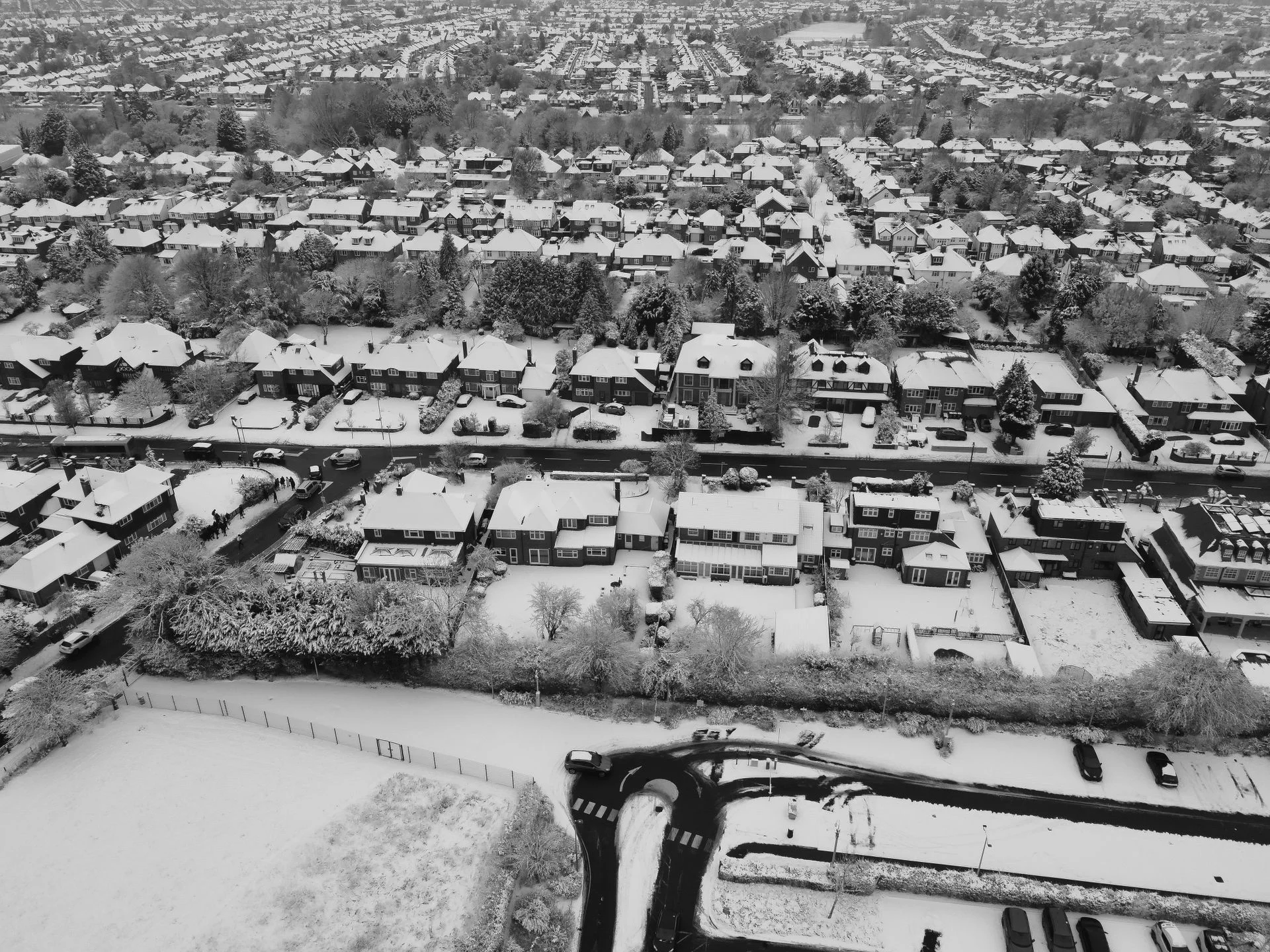
Official forecasts warn that rising gas prices, depleted European reserves and disruption to Middle Eastern supplies could keep electricity costs elevated this winter, despite assurances that Britain will have enough power to meet demand
Britain faces another winter of high energy costs as wholesale electricity prices rise above those in France and the country prepares to rely on imports to meet demand, according to a new official forecast.
The National Energy System Operator (NESO) expects the UK to be a net importer of electricity throughout winter 2026–27, with higher gas prices and disruption to global energy supplies adding pressure to European markets.
Its latest Winter Outlook warns that conflict in the Middle East has restricted liquefied natural gas (LNG) shipments through the Strait of Hormuz, driving up gas and electricity prices at a time when European gas reserves are unusually low.
The report says: “Wholesale prices for Great Britain are in line with other major European markets and trading at a premium to France. This, together with interconnector capacity auction results, suggests an overall import bias this winter.”
Electricity is traded between Britain and neighbouring countries through undersea cables, with supplies generally flowing towards markets offering higher prices.
NESO expects Britain to import electricity from France during much of the winter, with more variable flows between Britain, Belgium and the Netherlands. Electricity is expected to continue flowing from Britain to Ireland and Northern Ireland under typical conditions.
The report says electricity prices have risen over recent months as higher gas costs feed through to wholesale power markets. Prices remain below the peaks recorded in 2022 following Russia’s invasion of Ukraine.
European gas storage levels are also adding to concerns about the coming winter. According to NESO, storage facilities across the European Union were only 72 per cent full on 30 September, 11 percentage points below the same period last year and 17 percentage points below the ten-year average.
The figure was also slightly below the lowest level recorded for that point in the previous decade, with the report warning that the EU’s target of filling storage to 80 per cent by 1 December was unlikely to be achieved.
A cold winter or further disruption to global gas supplies could increase competition for LNG cargoes, adding volatility to electricity prices across Europe.
NESO warns: “As Europe has entered winter with lower-than-normal gas storage levels, the volume of liquefied natural gas (LNG) required over the winter in Great Britain and Europe could vary widely.”
Other pressures include unusually low hydroelectric reserves in southern Norway, where reservoir levels have remained below their ten-year minimum since late July.
The region supplies electricity to Britain through the North Sea Link interconnector. NESO expects imports from Norway to remain available when needed, although the direction of electricity flows could vary more than last winter.
The outlook also identifies uncertainty surrounding power generation in France, where nuclear reactor availability remains important to electricity supplies across interconnected European markets.
Despite the pricing concerns, the system operator says Britain should have sufficient electricity to meet demand throughout the colder months.
Its central forecast shows a reserve margin of 5.9 gigawatts, equivalent to 9.5 per cent of expected peak demand during an average cold spell. That compares with 6.1 gigawatts, or 10 per cent, forecast ahead of last winter.
Increased capacity from battery storage, gas-fired power stations and wind generation is expected to offset much of the rise in electricity demand.
NESO says: “Our analysis indicates that margins will be adequate, within the Reliability Standard and comparable to recent winters.”
However, the report warns that periods of particularly high demand and low renewable generation could require additional measures to keep the electricity system balanced.
The greatest pressure is expected during December and January, excluding the Christmas period, when cold weather, low wind output or unexpected power station outages could reduce spare capacity.
NESO says the likelihood of available supply falling below its normal reserve requirement remains low on any given day, at less than two per cent.
The operator has arrangements to call for additional electricity supplies and manage cross-border trading during periods of pressure.
Kayte O’Neill, NESO’s chief operating officer, said in the report that geopolitical uncertainty and disruption to global energy markets had made preparation particularly important.
“Growing global threats, geopolitical volatility and energy market disruption highlight the importance of energy security and whole system resilience, which remain at the forefront of NESO’s priorities.”
READ MORE: Europe’s solar boom set for two-year slowdown after record growth. Installations are expected to decline in 2026 and 2027 before growth resumes as the industry turns increasingly to batteries, EV charging, heat pumps and AI-controlled energy systems.
Do you have news to share or expertise to contribute? The European welcomes insights from business leaders and sector specialists. Get in touch with our editorial team to find out more.
Main image: Britain faces another winter of high energy costs as rising wholesale prices and low European gas reserves increase pressure on electricity markets. Official forecasts suggest the country will rely on power imports from Europe, although supplies are expected to remain sufficient to meet demand. Credit: Altaf Shah via Pexels
TOP STORIES
-
 Specs appeal: Welsh Parliament bans smart glasses
-
European motoring legends behind Mercedes, BMW and McLaren to enter Hall of Fame
-
Putin 'plotting to break NATO without firing a shot', Latvian military analyst warns
-
British AI chip startup hits £5bn valuation as government backs bid to challenge global tech giants
-
World's biggest military airshow moves to ‘Britain’s Area 51’ after Iran war disruption at RAF Fairford
-
Lisa Nandy threatens crackdown on entertainment industry after David Walliams allegations
-
UK and European experts demand tougher AI laws as Australia considers criminal penalties after OpenAI breach
-
BBC loses bid to throw out Trump's $10bn defamation lawsuit over doctored Panorama speech
-
AI-generated CVs spark hiring crisis as a third of employers lose confidence in job applicants
-
MPs back calls for ‘Black English’ and ‘Asian English’ options on census
-
Nvidia hires top US lawyer to investigate CEO's alleged affair with Chinese spy
-
EXCLUSIVE – Comic Relief confirms David Walliams is no longer an honorary trustee and has ‘no formal association’ with charity
-
Why Airbnb and Uber take off in some cities but flop in others, according to scientists
-
Michael Jackson's Thriller jacket, Princess Diana's dresses and $3m Banksy painting go under the hammer
-
European entrepreneurs trust AI firms more than governments as four-in-10 look beyond Europe
-
Krakow massacre gunman named after hospital death as police officer fights for life
-
British Airways owner warns green fuel rules could ‘kill European aviation’
-
EU to join Ukraine–Russia peace talks as von der Leyen warns of escalating Black Sea attacks
-
Scientists grow world's largest diamond crystal in breakthrough that could stop AI chips overheating
-
China takes on Rolls-Royce with floating £230,000 electric limousine
-
Infront hires Deutsche Börse data expert Jeff Caldwell as AI transforms financial markets
-
US rocket firm plans Scottish launches in bid to revive failed Highland spaceport
-
Job adverts must reveal salaries under new ‘say what you pay’ law
-
Ireland's most wanted jobs for 2027 revealed as employers offer higher salaries to attract talent
-
American firms sign landmark deal to beam solar power from space as Europe faces AI energy crunch