As autonomous weapons and AI-driven warfare move closer to the battlefield, flesh-and-blood military chaplains will be needed more than ever to help keep human conscience, moral responsibility and spiritual care in the loop, writes Dr Linda Parker
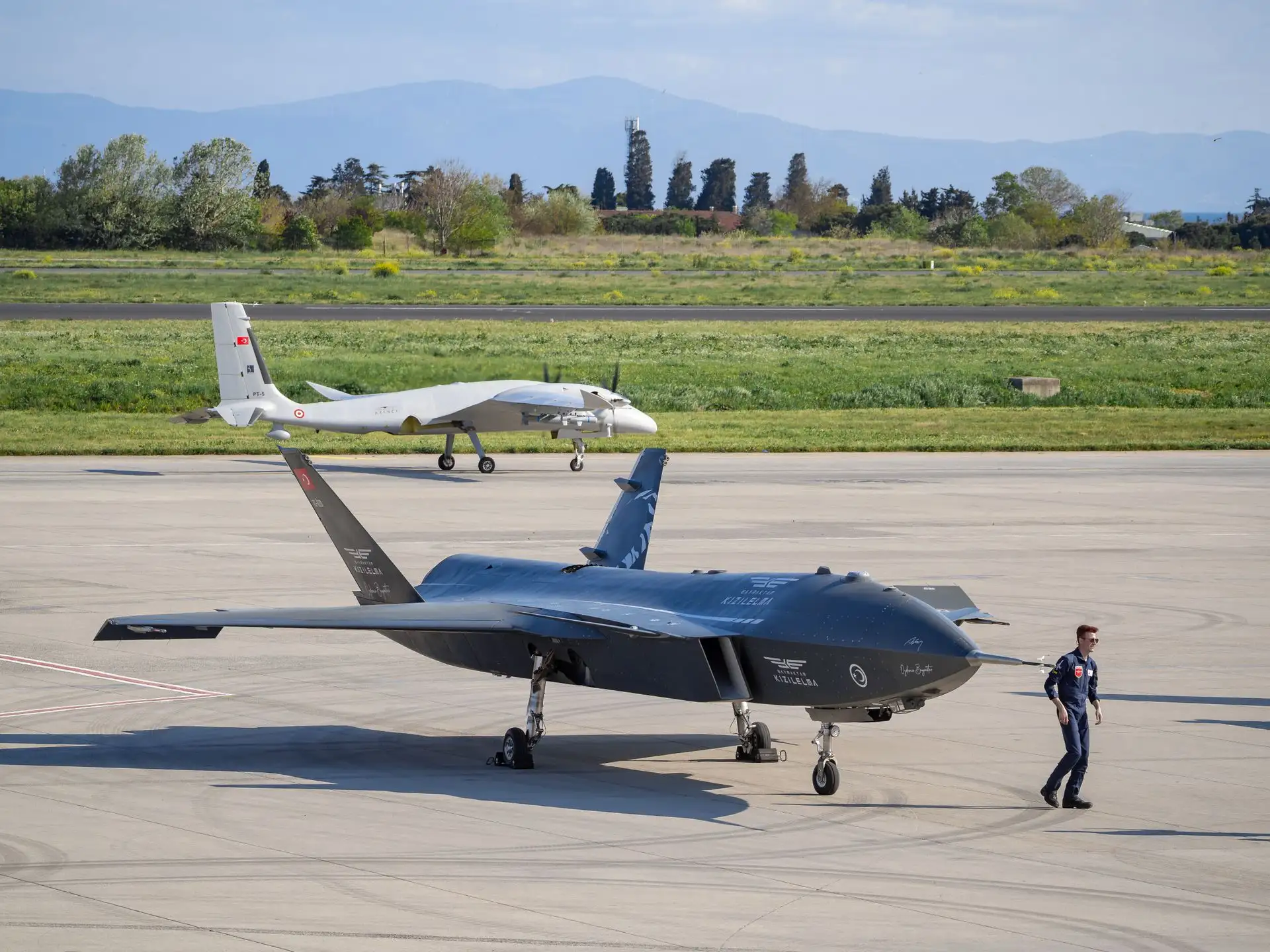
The world’s armed forces are moving nearer to the use of Lethal Autonomous Weapon Systems, known as LAWS. These are AI-powered weapons that can select a target and apply lethal force to that target without further human intervention.
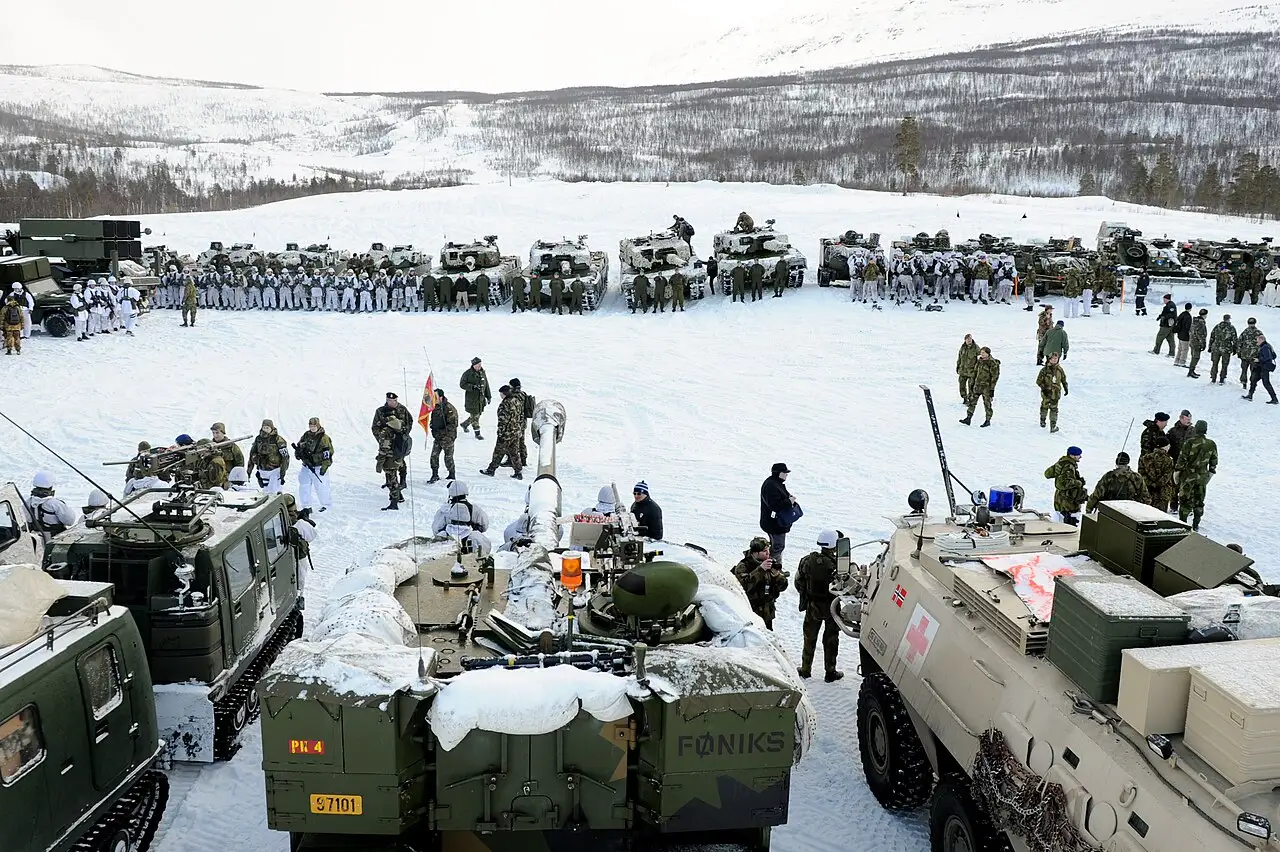
The recent defence review by the UK government shows how much the defensive and offensive capabilities of the UK military forces will depend on semi-autonomous weapons. Among the weapons announced across the three armed forces in the Government’s £5 billion Defence Investment Plan are automated drones, drone swarms, collaborative combat aircraft, ground vehicles and uncrewed underwater vessels.
It is worrying that, as Albert Bandura of Stanford University once observed, ethics often lags far behind military technologies, and the need for moral or spiritual guidance lags even further. An examination of Ministry of Defence papers dealing with human interaction with autonomous weapons says a great deal about the ethical considerations to be considered, but much less about the moral and spiritual implications.
It would seem that the moral and spiritual dimension of what it is to be human in modern combat is in danger of being lost just when the use of autonomous weapons is approaching a critical moment.
In her article The Chaplain’s Paradox, the Revd Cynthia Kane, a U.S naval chaplain, describes two novels about future war, 2034 and Ghost Fleet. In 2034, the U.S fleet is destroyed when autonomous systems turn against their operators. In Ghost Fleet, the mathematical decisions of commanders are taken in “microseconds of algorithmic calculation”. The point she makes is that there are no chaplains mentioned: “No one offers prayers for the dying. No one helps commanders wrestle with the moral weight of their choices. No spiritual advisor serves as a bridge between human conscience and machine calculation.”
Recently, Pope Leo XIV has weighed in on the debate about the morality and ethics of the use of AI in warfare. His encyclical Magnifica Humanitas develops this line: the decision to use lethal force cannot be delegated to opaque or automated processes, but must remain under effective, self-aware and responsible human control.
Peter Lee, a former RAF chaplain, has visited U.S and UK Reaper drone operations centres. He found that almost everyone he interviewed said operating Reaper drones had affected them. Watching personnel conduct lethal operations, he became aware of the “intense visual, emotional and psychological intimacy” of their experience.
Although operators may be far from the action, they remain visually and emotionally present. One widely reported challenge is the disconnection operators feel when they move straight from a “kill” back into ordinary life with friends and family.
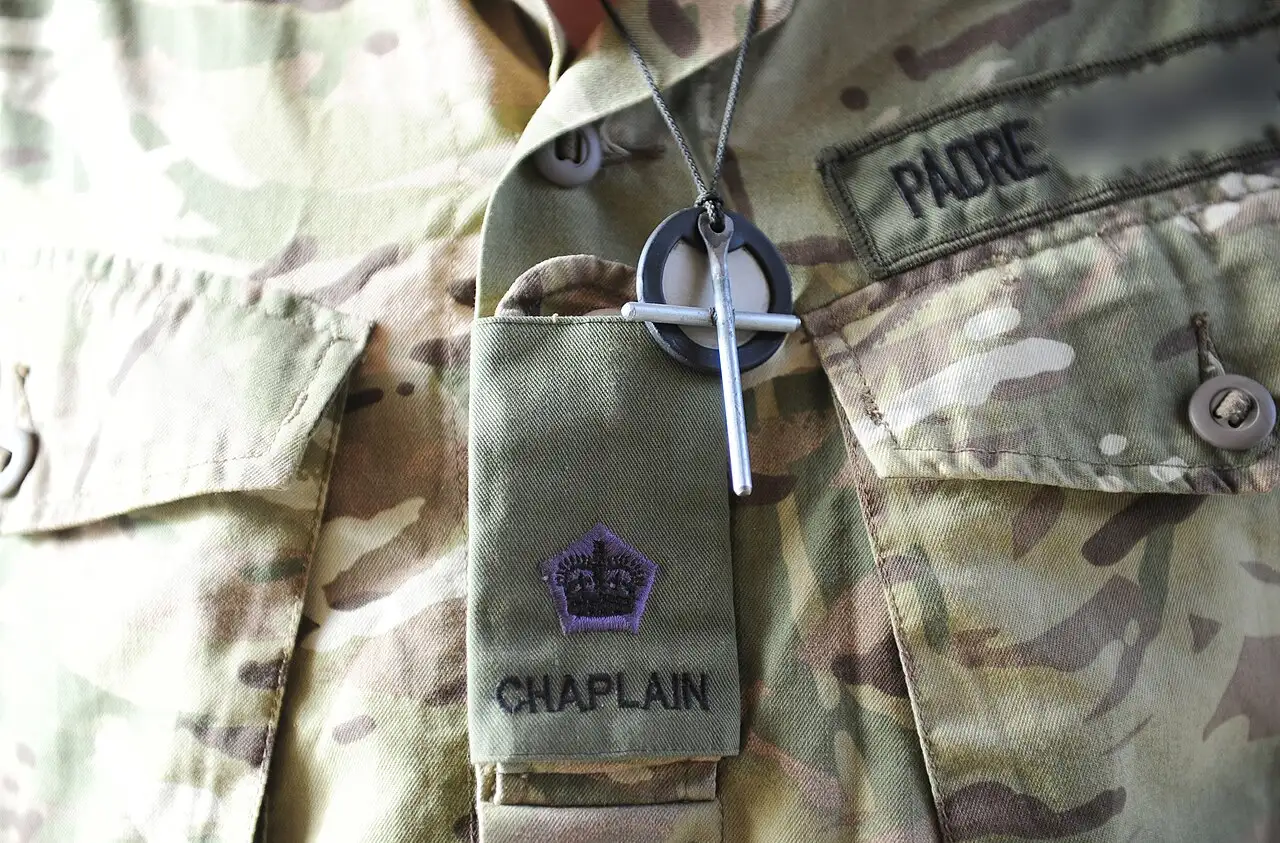
Over many centuries, chaplains have been providing religious and pastoral care to the armed forces and veterans suffering from the aftereffects of war. Chaplaincy as a profession remains needed and valued in the present day. Chaplains are ideally suited to engage in the complex scenarios and moral injuries involved in the use of autonomous weapons.
Although men and women who serve in the military of all nations recognise that there is, in warfare, the necessity for justified killing, there is also the recognition that the taking of life causes thoughts and reactions that need processing. Machines are incapable of understanding justice and mercy, regret and redemption. This is where the chaplain, who is at the moment still human, comes in.
In operating semi-autonomous weapons, there is ambiguity about responsibility. The machine may plan or shape the action, but the human signs it off, and the lethal results are ripe ground for moral injury. The chaplain can help with restoring moral agency and the ability to cope with the dehumanising effects of such warfare.
Chaplains should be on hand to offer ethical advice and to try to ameliorate the effects of decisions being compressed into a timescale that does not allow the full human significance of the action to become obvious.
A recent article by Jan Grimell on Ukrainian military chaplaincy at war examines the complex spiritual and existential challenges faced when dealing with warfare that is heavily supported by unmanned weapons. The interviewees emphasised the importance of the ministry of presence and the importance of religious ritual. Religion, faith, prayers and services were important in maintaining spiritual resilience. Rituals, he argues, contribute not only to the organisation of chaos and a sense of coherence, but also symbolise something greater than the individual, with profound existential resonance.
A NATO report, Commanding with Compassion, reported that chaplains across NATO are trained to address a wide range of spiritual, religious, moral, ethical and existential issues among service members and veterans. It also points to increasing research into the role of military chaplains in addressing moral injury, shame, forgiveness and reconciliation.
There is, then, a growing need for understanding the moral and spiritual implications of swiftly developing technologies such as algorithmic systems of war fighting.
A scenario often quoted in discussions about ethics and AI is one in which an autonomous drone identifies what its algorithms think is an enemy formation and engages without human authorisation. Later analysis reveals that the target was a wedding celebration and many civilians are dead.
Who bears responsibility? The manufacturer? The programmer? The defence contractor? The commander who deployed the autonomous weapon? Often it is the operator who makes the kill who feels most responsible. Machines cannot be held responsible for their actions.
As the geopolitical situation grows more volatile, it is not beyond the realms of possibility that one or more nations may decide to employ fully autonomous lethal weapons. The examples of poison gas in the First World War and the nuclear bomb in the Second World War lead us to conjecture that, once a weapon is invented, it will eventually be used.
Western democracies will have to continue to develop the use of autonomous weapon systems to keep pace with modern warfare. Realising the benefits of AI and countering the threats and challenges associated with the use of AI by others is a critical strategic challenge.
It is, however, imperative that humans are kept very much in the loop, and it is the task of chaplains to ensure that the moral and spiritual implications of autonomous warfare are not forgotten.
Dr. Linda Parker is widely considered to be one of Britain’s leading polar and military historians. She is the author of six acclaimed books, an in-demand public speaker, the co-founder of the British Modern Military History Society, and the editor of Front Line Naval Chaplains’ magazine, Pennant, which examines naval chaplaincy’s historical and contemporary role.
READ MORE: ‘How the Battle of the Somme shaped the role of the modern military chaplain‘. This month marks the 110th anniversary of the Battle of the Somme, one of the bloodiest battles of the First World War. The five-month struggle proved a major turning point of the war, but the Somme also transformed the role of military chaplains in the British Army, shaping a modern ministry ready to accompany troops onto the front line, writes Dr Linda Parker.
Do you have news to share or expertise to contribute? The European welcomes insights from business leaders and sector specialists. Get in touch with our editorial team to find out more.
Main Image: Sergeant Alison Baskerville RLC/MOD (via Wikimedia Commons)