Europe produces more than a fifth of the world’s clean and sustainable technologies, yet many of the companies behind them must look overseas when they need serious growth capital. Could Europe end up inventing the technologies of the clean-energy transition only to see the companies, jobs and economic rewards migrate across the Atlantic? Uche Nneoma investigates
Europe has gone MAGA – Making America Green Again.
The continent has spent years building the science, engineering talent and startup ecosystem needed to lead the clean-energy transition. But a persistent shortage of growth capital is now threatening to push some of its most promising cleantech companies across the Atlantic just as they’re ready to become major businesses.
More than 22 per cent of the world’s clean and sustainable technologies are developed in the EU, according to research by the European Investment Bank (EIB) and European Patent Office (EPO), with European innovators particularly strong in low-carbon energy, clean mobility and alternatives to plastics. Yet turning those technologies into commercially successful businesses can require tens or hundreds of millions of euros for demonstration plants, factories, supply chains and international expansion – sums that many European growth companies are struggling to raise at home.
European Central Bank figures puts the aggregate size of U.S venture funds at around €930 billion, compared with approximately €150 billion in the EU, giving American investors far greater capacity to finance companies through repeated rounds of expansion.
As a result, Europe is funding the science, producing the patents and absorbing much of the early commercial risk before U.S. capital reaps much of the economic reward.
Evidence of that is already visible in cleantech investment. Cleantech for Europe, for example, estimates that EU venture and growth investment in the sector fell to €8.2 billion in 2025, compared with €23.1 billion in the U.S. Series B investment, when successful companies typically need much larger sums to expand, dropped from €2.9 billion to €1.8 billion.
Research by Berlin-based climate technology investor World Fund, meanwhile, found that around 15 per cent of European climate-tech companies raising Seed investment progress to Series B, compared with 25 per cent in the U.S.
European Series B rounds between 2020 and 2024 averaged US$35.2 million, around 20 per cent below the U.S. average of US$45.5 million.
The same problem extends across Europe’s wider startup economy. Take EIB research, which shows that European scaleups have raised 50 per cent less capital than comparable San Francisco businesses by the time they reach 10 years of age. More than four out of five EU scale-up funding deals involve a foreign lead or a sole investor, compared with 14 per cent in San Francisco.
The bigger concern, of course, is what can follow. The EIB has already warned that a shortage of European scale-up finance can push companies toward foreign investors and, eventually, foreign buyers or overseas stock-market listings. It says relocation can then cost Europe industry leaders, skills, and future entrepreneurial activity, weakening the ecosystem that produced some companies in the first place.
“The availability of larger growth rounds is a real weakness,” Gina Domanig of Zurich-based VC firm Emerald Technology Ventures told me.
“Europe needs to do a better job of pooling its deep capital markets, across borders, to help scale growth companies.”
Brussels has begun addressing the gap through programmes intended to keep more promising companies financed in Europe. The European Commission’s Scaleup Europe Fund is due to begin investing this autumn and is targeting approximately €5 billion, including a €1 billion commitment from the Commission, with energy technologies among the strategic sectors it will support.
The European Innovation Council’s STEP Scale Up programme is pursuing a similar objective by investing between €10 million and €30 million in individual companies and helping them assemble private financing rounds of between €50 million and €150 million or more.
The success of such schemes will, of course, depend heavily on the private capital they attract. European pension funds, insurers and other institutional investors remain far less involved in venture and growth capital than their American counterparts, leaving public bodies to provide a much larger share of the money.

ECB research shows that government-backed organisations account for around 36 per cent of investors in EU venture funds, compared with four per cent Stateside. Pension funds represent roughly 10 per cent of investors in Europe and 36 per cent in America, giving U.S venture funds access to much deeper pools of long-term private money.
Ironically, Europe does have substantial investment capital available. Invest Europe reported that European private equity and venture-capital firms held a record €459 billion of uninvested capital at the end of 2025. Only €66 billion sat in venture funds, while €307 billion was held by buyout funds.
Much of Europe’s available investment capital is therefore tied up in funds focused on mature businesses and acquisitions, rather than the growth-stage companies that need it most. Cleantech firms trying to scale may require large sums to build their first commercial factories, buy specialist equipment, secure regulatory approvals, establish supply chains and expand internationally – often years before investors can expect substantial returns.
Lauren Juliff, the head of investor relations and sustainability at UK-based Clean Growth Fund, described the sector’s requirement as one for “patient capital”, reflecting development cycles in which substantial investment may be required long before returns emerge.
So what now for Europe? Clearly, the continent needs to turn more of its existing capital towards companies at the stage where promising technologies become major businesses. That means drawing far larger commitments from pension funds, insurers and other institutional investors into growth finance, while making it easier for capital to move across borders to the companies that need it.
Schemes such as the Scaleup Europe Fund and STEP Scale Up can help, but their real test will be whether they unlock much larger pools of private money. Without that, Europe will continue producing technologies it struggles to finance at scale.
The continent has already proved it can generate the ideas. The challenge now is ensuring it can fund the companies built around them to go MEGA – Making Europe Green Again.

Uche Nneoma is a journalist and former backend engineer whose reporting draws on hands-on technical experience. With a background in technical writing, she is known for making complex technology clear and accessible, and her work has appeared in Forbes, International Business Times, FreeCodeCamp, HackerNoon, and others. As a reporter at Espacio Media Incubator, Uche covers technology, AI, and the business of software.
READ MORE: Your biggest rival could be your best technology partner, research finds. Companies developing new technology can favour competitors over suppliers when those rivals already have a strong grip on the target market, according to new research.
Do you have news to share or expertise to contribute? The European welcomes insights from business leaders and sector specialists. Get in touch with our editorial team to find out more.
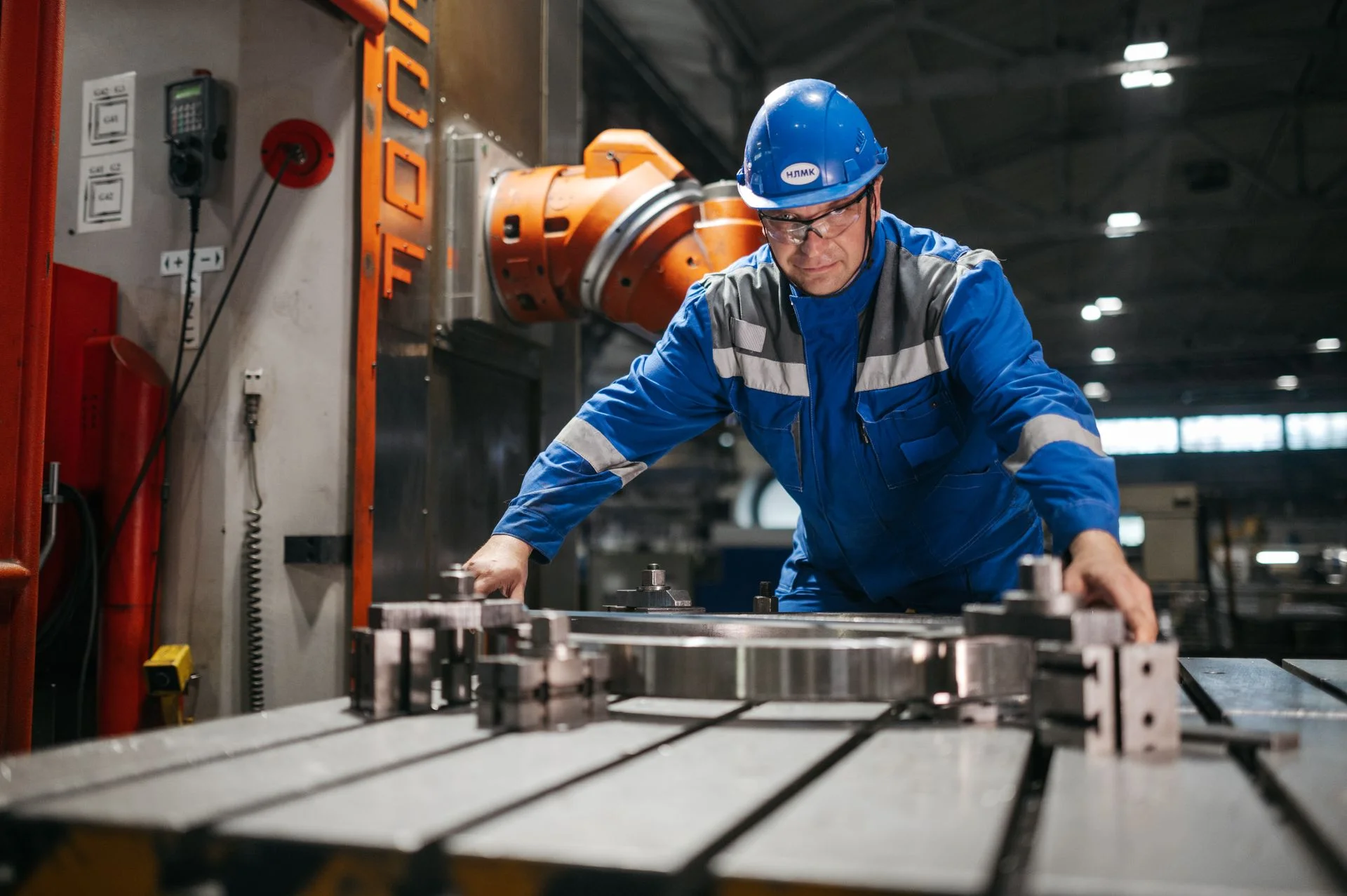
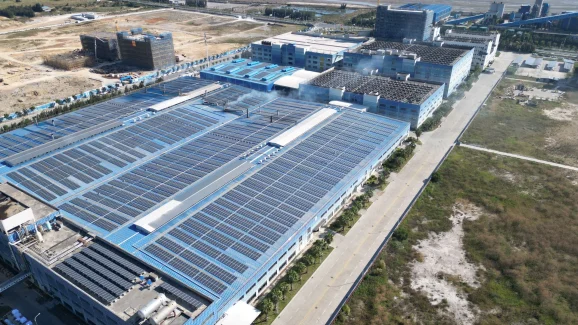
Main image: Built to scale: Europe has the engineering expertise and industrial base to produce world-leading clean technologies, but many of its most promising companies struggle to secure the capital needed to grow. Credit: Sergey Sergeev/Pexels