Prime Minister-in-waiting Andy Burnham is heading to No. 10 promising “good growth in every postcode”, but Matthew Kayne says that Britain’s disabled community will judge his words on whether change reaches their doorstep
Every new Prime Minister arrives in Downing Street promising change. There are always speeches about rebuilding trust, improving public services and creating a fairer Britain. For many people, those promises generate hope. For disabled people, however, hope has become something that is increasingly difficult to hold on to.
We have heard commitments from successive governments for many years, yet too often our daily experience remains one of waiting, barriers and systems that still fail to recognise the realities of disabled people’s lives.
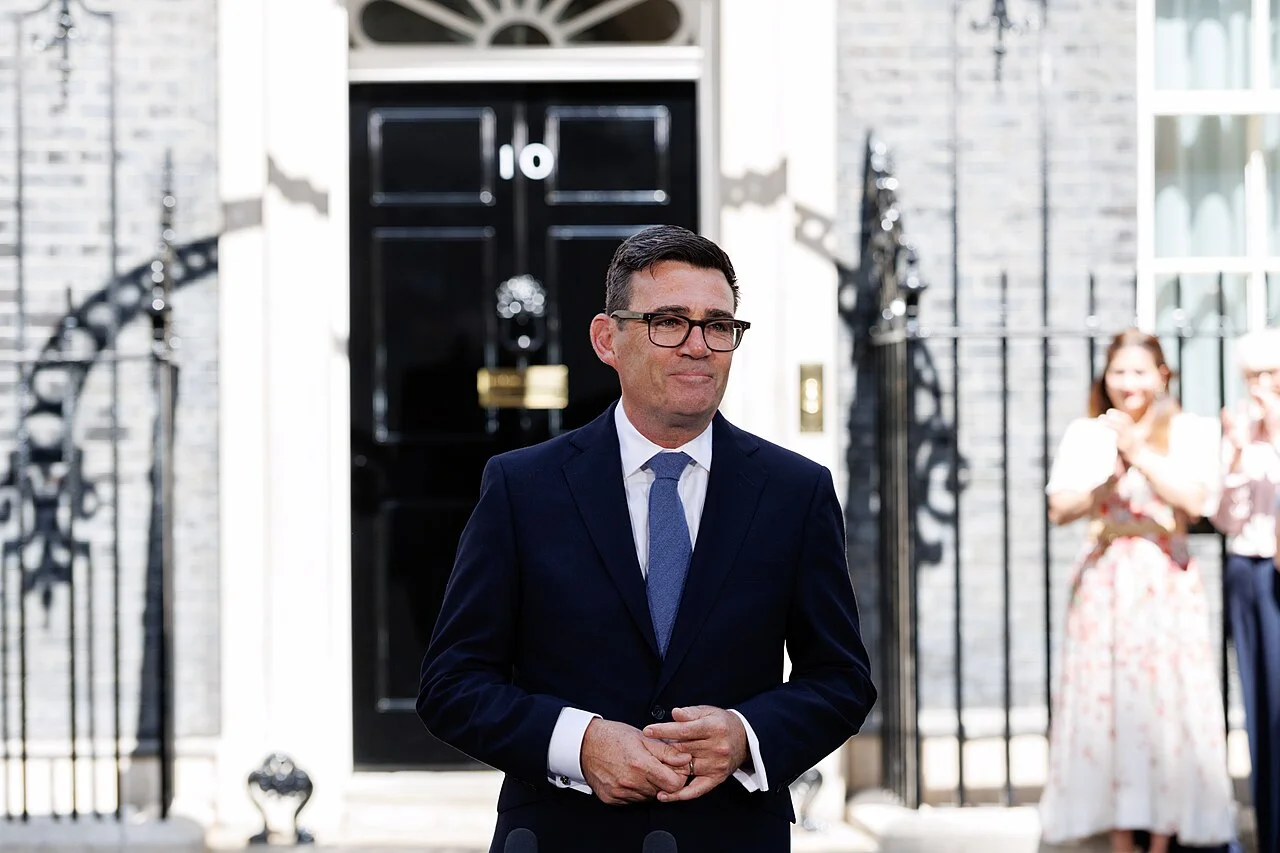
Once Andy Burnham becomes Britain’s next Prime Minister, disabled people should be entitled to ask one simple question: what will actually be different this time?
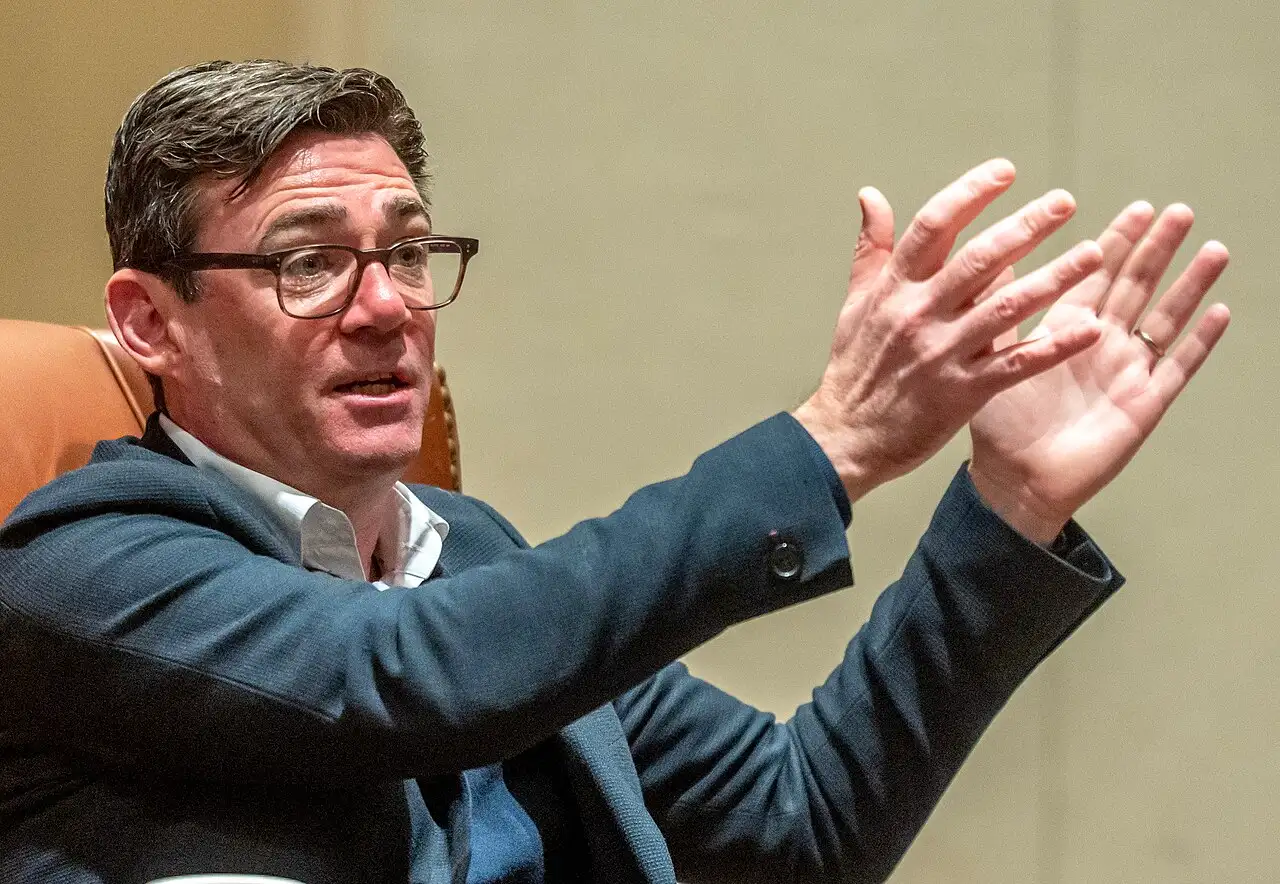
Burnham, who will take office on July 20, has promised, has promised “good growth in every postcode”. His list of proposed changes includes more power for regions and communities, increased social housing, and action this year to transform social care. None is a disability-specific pledge, but each could materially affect disabled people’s independence.
It is a necessary question. Britain is home to approximately 16.8 million disabled people, representing around one in four of the population. Those figures alone demonstrate that disability is one of the defining public policy challenges facing modern Britain.
Yet despite that, disability is still too often discussed as a separate subject rather than something that runs through every major area of government, from healthcare and housing to transport, employment, education and economic growth.
For too long, disability policy has felt reactive rather than strategic. Governments often respond to individual crises, announce reviews or launch consultations, but meaningful long-term reform is much harder to find. The result is that many disabled people have lost confidence that political promises will translate into practical improvements in their everyday lives.
As someone who uses a wheelchair every day, politics is never something distant that happens only in Westminster. Government decisions affect almost every aspect of my daily life. They determine whether I receive the right wheelchair, whether I can travel independently, whether community healthcare is available when I need it, whether suitable housing exists and whether I can participate fully in society. These policy debates shape my independence and the independence of millions of other disabled people across Britain.
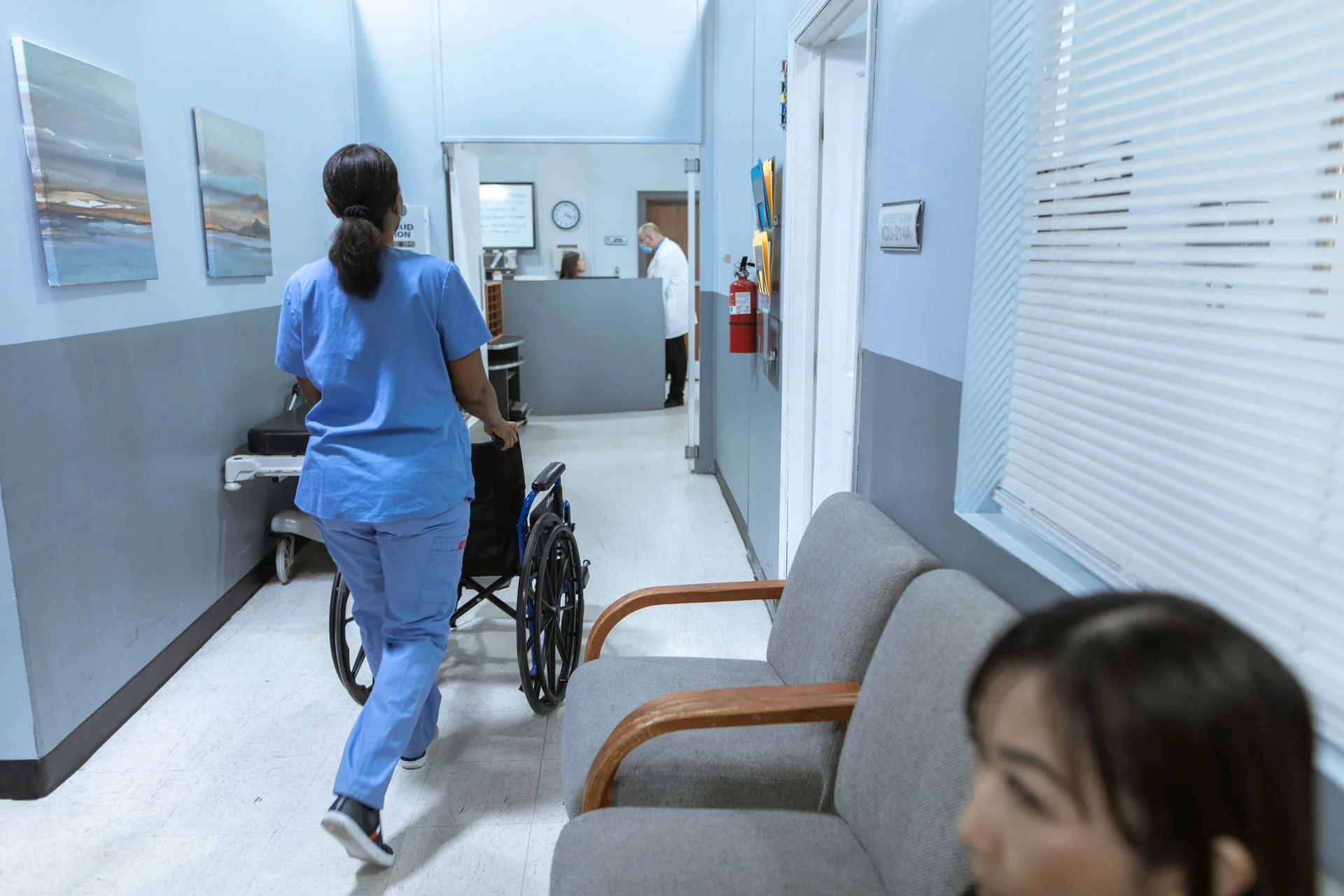
One of the biggest tests of any future Prime Minister will be whether they finally tackle the crisis within NHS wheelchair services. Across the country, wheelchair users continue to face lengthy waits for assessments, repairs and replacement equipment. Many people spend months, and sometimes much longer, living with chairs that no longer meet their clinical needs. Behind every delayed assessment is a person whose mobility, confidence and quality of life are being affected.
A wheelchair is far more than a piece of medical equipment. It represents freedom, employment, education, independence and dignity. When wheelchair services fail, the consequences spread into every other part of a person’s life. Delays can prevent people from working, volunteering, studying or even leaving their own homes safely. Reforming wheelchair services should therefore be recognised as an investment in people’s ability to contribute to society.
Housing presents another challenge that can no longer be ignored. Successive governments have rightly recognised the need to build more homes, yet accessible housing has rarely been given the same political attention. Too many wheelchair users remain trapped in unsuitable properties because genuinely accessible homes are in short supply. Others wait years for adaptations that would allow them to live safely and independently. If Britain is serious about solving its housing crisis, accessibility must become a central part of housing policy rather than an afterthought.
Transport is equally important. Although progress has undoubtedly been made over recent years, inaccessible railway stations, broken lifts, unreliable assistance services and poorly designed public spaces continue to prevent many disabled people from travelling independently. Accessibility should never be viewed as an optional extra. It allows people to work, study, socialise and contribute to their communities. When transport is inaccessible, opportunities disappear alongside it.
Healthcare also demands urgent attention. Governments increasingly talk about moving more care into the community, reducing pressure on hospitals and supporting people at home wherever possible. In principle, this is the right direction. However, that ambition can only succeed if community healthcare services receive the resources they need. Too many patients experience delayed appointments, poor communication and inconsistent support. Disabled people often rely on multiple services working together. When one part of the system fails, the consequences quickly spread across every aspect of daily life.
Social care remains perhaps the greatest unfinished piece of NHS reform. Every government acknowledges that change is needed, yet meaningful reform has repeatedly been delayed. For disabled people, social care enables them to maintain their independence, preserve their dignity and participate equally in society. Without sustainable social care, many of the government’s wider ambitions around employment, health and economic participation become much harder to achieve.
There is also a broader issue that any future Prime Minister must confront: trust. Public confidence in politics has been weakened by years of instability, changing leadership and promises that have not always produced visible results. Disabled people have experienced this particularly acutely. Too often we are consulted but not heard, included in strategies but overlooked during implementation. That pattern has to change.
Rebuilding trust requires more than good intentions. It requires governments to deliver measurable improvements that people can actually experience. It requires shorter waiting times, better access to healthcare, more accessible homes, reliable public transport and disability policy that is shaped by people with lived experience rather than designed entirely on their behalf.
One area where I hope any future Prime Minister would show real leadership is representation itself. Too few disabled people remain in positions where national decisions are made. Policies are often created without enough people around the table who truly understand the barriers disabled people face every day. Greater representation would improve both diversity and decision-making because lived experience offers practical insight that statistics alone can never provide.
Ultimately, the more important question is what kind of country Britain wants to become under its next leader. If disability continues to sit on the margins of political debate, millions of people will continue facing unnecessary barriers. If, however, disability becomes central to government thinking, Britain has an opportunity to create a fairer society that benefits everyone.
For wheelchair users like me, success will never be measured by speeches outside Number 10 or headlines in the following day’s newspapers. Instead, it will be judged by whether waiting times fall, whether wheelchair services improve, whether accessible homes are built, whether community healthcare becomes more reliable and whether disabled people finally feel that government is working with them rather than simply making promises to them.
That is the standard by which any future Prime Minister should be judged. When Andy Burnham becomes the next incumbent of No 10, he should commit this dictum to heart: leadership is remembered through the lives it changes rather than the promises it makes.
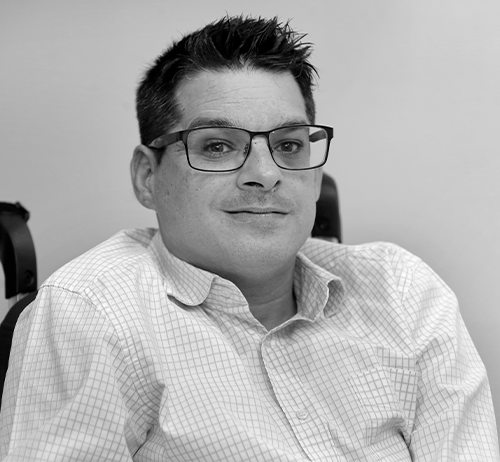
Matthew Kayne is a broadcaster, political campaigner and disability rights advocate who has turned personal challenges into platforms for change. He is the founder and owner of Sugar Kayne Radio, a DAB and online station dedicated to uplifting music and meaningful conversations, and the leader of a national petition calling for reform of the UK’s wheelchair service. Living with cerebral palsy and a survivor of bladder cancer, Matthew channels his lived experience into advocacy, broadcasting and songwriting. His long-term ambition is to bring this experience into politics as an MP, championing disability rights, healthcare access and workplace inclusion.
READ MORE: ‘The NHS cannot call it ‘community care’ while patients are left waiting at home‘. The NHS wants to treat more people in their own homes, yet disabled and vulnerable patients are too often left waiting for care without updates or reassurance. If the system is to improve, staff must be properly supported and communication must be treated as part of healthcare itself, writes Matthew Kayne.
Do you have news to share or expertise to contribute? The European welcomes insights from business leaders and sector specialists. Get in touch with our editorial team to find out more.
Main Image: LBJ Library/Wikimedia Commons