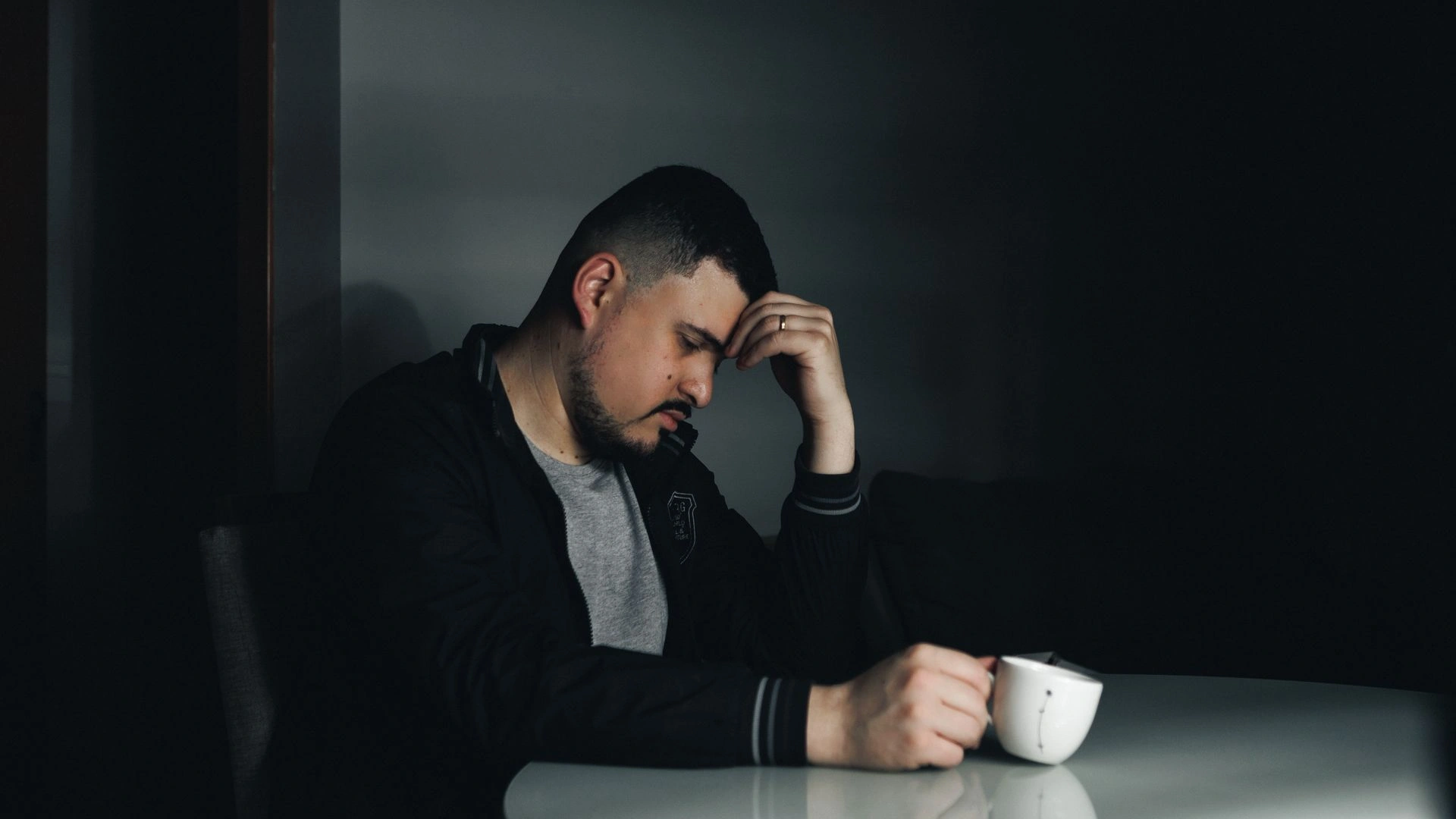
More people are turning to AI chatbots for emotional support and quasi-therapeutic guidance, but psychoanalytic psychotherapist Professor Michael Atar warns that while artificial intelligence may simulate empathy, meaningful therapeutic healing still depends on genuine human connection
A major new European survey has found that nearly half of young people now use AI chatbots to discuss intimate or personal matters, with many describing them as “confidants” or “life advisers”.
In many ways, this should not surprise us. For busy professionals especially, the attraction is obvious as many executives and entrepreneurs are already isolated by the pressures of leadership. Their lives are time-poor and mentally overloaded, and in that dynamic AI — which is instant, available around the clock, non-judgemental and, perhaps most importantly, emotionally uncomplicated — can feel like an appealing shortcut.
There are no waiting lists, no awkward silences, no fear of embarrassment and no need to make time in an already overcrowded diary. You can ask it difficult questions at midnight and receive an immediate response.
For some, that can feel therapeutic, presenting a new form of therapy without the traditional inconveniences.
But I think this growing reliance on AI for emotional support perhaps reflects a wider misunderstanding about what therapy actually is.
There is often a misconception that psychotherapy is primarily advice-giving or reassurance. It is understandable why, to those on the outside, it may seem like this, and if therapy were simply about hearing comforting or sensible words then artificial intelligence may well be capable of replacing much of the process.
The reality, though, is that therapy operates on levels far deeper than language alone.
As human beings, we are profoundly social by nature. From infancy onwards, our emotional wellbeing and development depend upon interaction with other people. We constantly respond to subtle emotional cues in tone, expression, pacing, silence and presence, often without consciously realising it.
This process is not simply ‘body language’, as it is sometimes reduced to. It is much deeper and more instinctive than that.
The psychotherapist and neuroscientist Dr Allan Schore, for example, has written extensively about emotional attunement and how human beings regulate one another through right-hemisphere communication occurring beneath conscious awareness. In simple terms, our nervous systems are constantly interacting with one another — we regulate each other emotionally.
A calm and emotionally present therapist therefore does much more than merely listen to words. Their presence itself becomes part of the therapeutic process. The patient gradually feels safe enough to explore anxieties, fears and vulnerabilities that may otherwise remain hidden or defended against.
Artificial intelligence can undoubtedly provide information. It can reflect language back to us in sophisticated and sometimes impressive ways. It can even simulate empathy, to a degree. But it cannot genuinely participate in human emotional reciprocity because it does not possess emotional experience itself. It cannot sit in the room with another human being, pick up on subtle shifts in emotion, sense tension or hesitation or respond instinctively to the emotional atmosphere that develops.
While modern professional life has become increasingly frictionless, with instant communication and information retrieval, emotional life does not work according to the same principles as productivity software.
Ironically, the very parts of therapy many people find difficult — the moments of silence, vulnerability, unpredictability and emotional discomfort — are often the parts that matter most. A therapist is not there simply to reassure us or validate every feeling we have. Therapy is an evolving relationship through which unconscious patterns gradually emerge over time, and that process requires another human mind.
It requires someone capable not only of hearing what we say but also noticing what we avoid saying, what we repeat, how we emotionally respond and how we relate to someone else in real time.
There are therefore risks in increasingly turning to AI as a form of emotional substitute.
Unlike a therapist, an AI chatbot cannot truly challenge us relationally, because meaningful therapy cannot be reduced to information exchange. The interaction can, therefore, risk becoming a kind of echo chamber where the individual is, in effect, speaking to an endlessly accommodating version of themselves.
This is perhaps comparable to the growing tendency for people to self-diagnose medical conditions online. Access to information can certainly be helpful, but information alone is not the same thing as professional medical care. In the same way, AI may provide reflection or temporary reassurance, but that is not the same as psychotherapy.
Psychotherapy has long been treated as a serious scientific and medical discipline for precisely this reason. Many of the early pioneers of psychoanalysis and psychotherapy, including Freud and Winnicott, were medically trained doctors deeply interested in human development, attachment and emotional life.
Of course, AI may still have a constructive role within mental healthcare. It may help some people access information, reflect upon their feelings or take initial steps towards seeking support. Used ethically and carefully, it may become a valuable supplementary tool.
But we should be cautious about confusing emotional simulation with genuine human understanding.
Over thousands of years, we evolved as social creatures whose survival depended upon cooperation, communication, emotional bonds and community. Our ability to adapt, empathise, create relationships and regulate emotion has always depended heavily upon interaction with one another, and the AI revolution has not changed that core need.
Technology can support many aspects of our lives, but it cannot fully replicate those relational foundations. Regardless of how many advances in machine intelligence come along, our emotional and mental healing will remain, fundamentally, a human process.
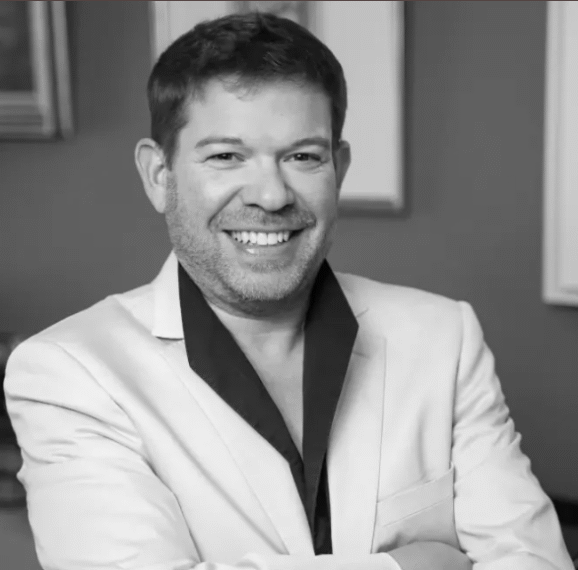
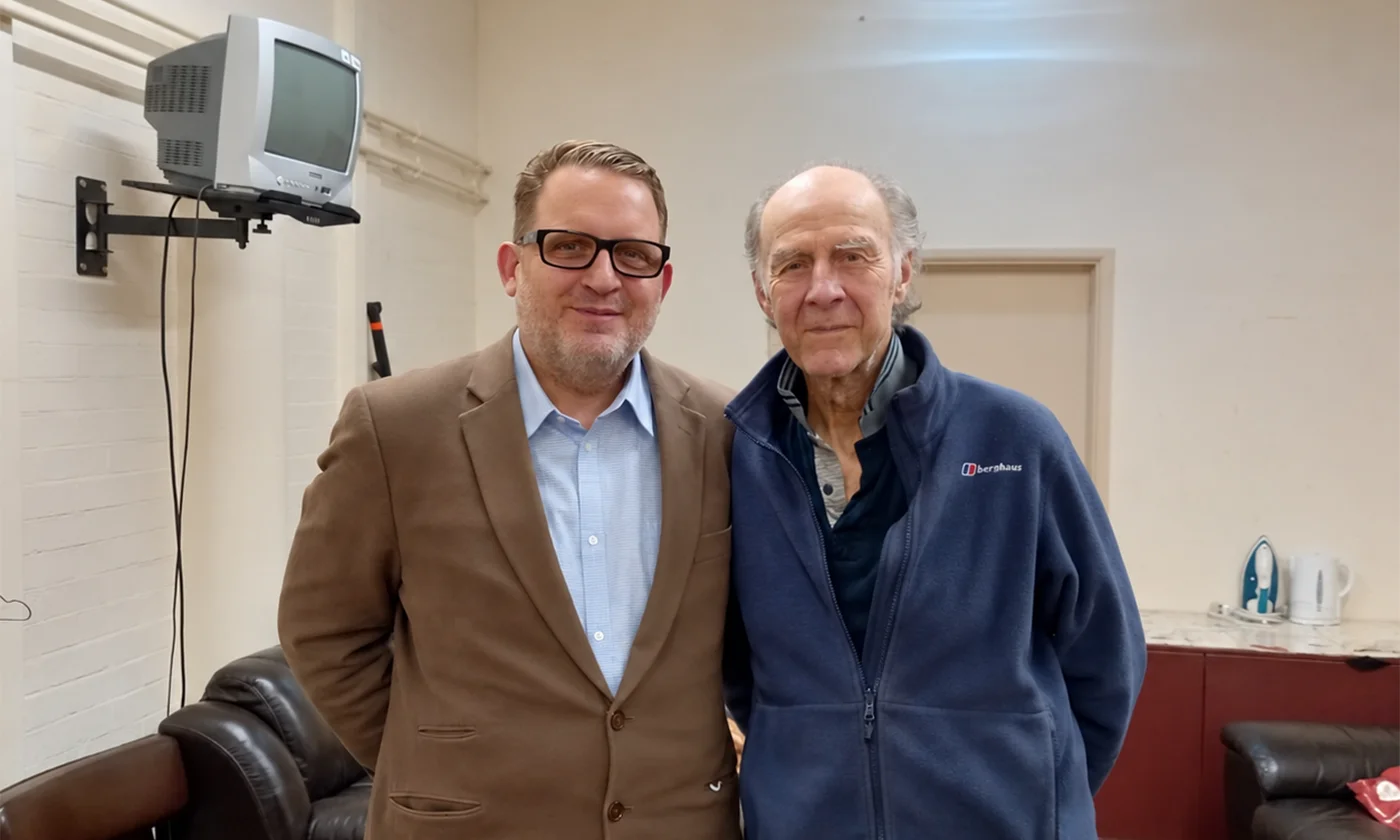
Professor Michael Atar is a psychoanalytic psychotherapist with a background in medicine and over 25 years’ experience as a paediatric dentist. A father to a large family, he works with parents, carers, families, and children of all ages, offering a warm, collaborative and non-judgemental space. His work includes support for postnatal depression, PTSD, and developmental concerns such as feeding, sleep, and bonding difficulties. He also supports individuals and couples before, during and after pregnancy. Professor Atar is a member of UKCP, BACP, and GPsyC.
READ MORE: ‘The many lives of Professor Michael Atar‘. From paediatric dentistry to sepsis technology, psychotherapy and social innovation, Professor Michael Atar has built a career that refuses to stay in one lane. The European’s Dr Stephen Simpson meets the man whose work spans medicine, physics, mental health and community life.
Do you have news to share or expertise to contribute? The European welcomes insights from business leaders and sector specialists. Get in touch with our editorial team to find out more.
Main Image: Tima Miroshnichenko/Pexels