War in the Gulf has left global shipping in “crisis mode”, forcing vessels onto costly detours, placing crews under mounting strain and threatening the flow of vital goods. Cyprus Shipping Deputy Minister Marina Hadjimanolis tells Andrea Busfield how ship managers are juggling security, sanctions, insurance and crew welfare, and why the island has become a vital crisis hub for world trade
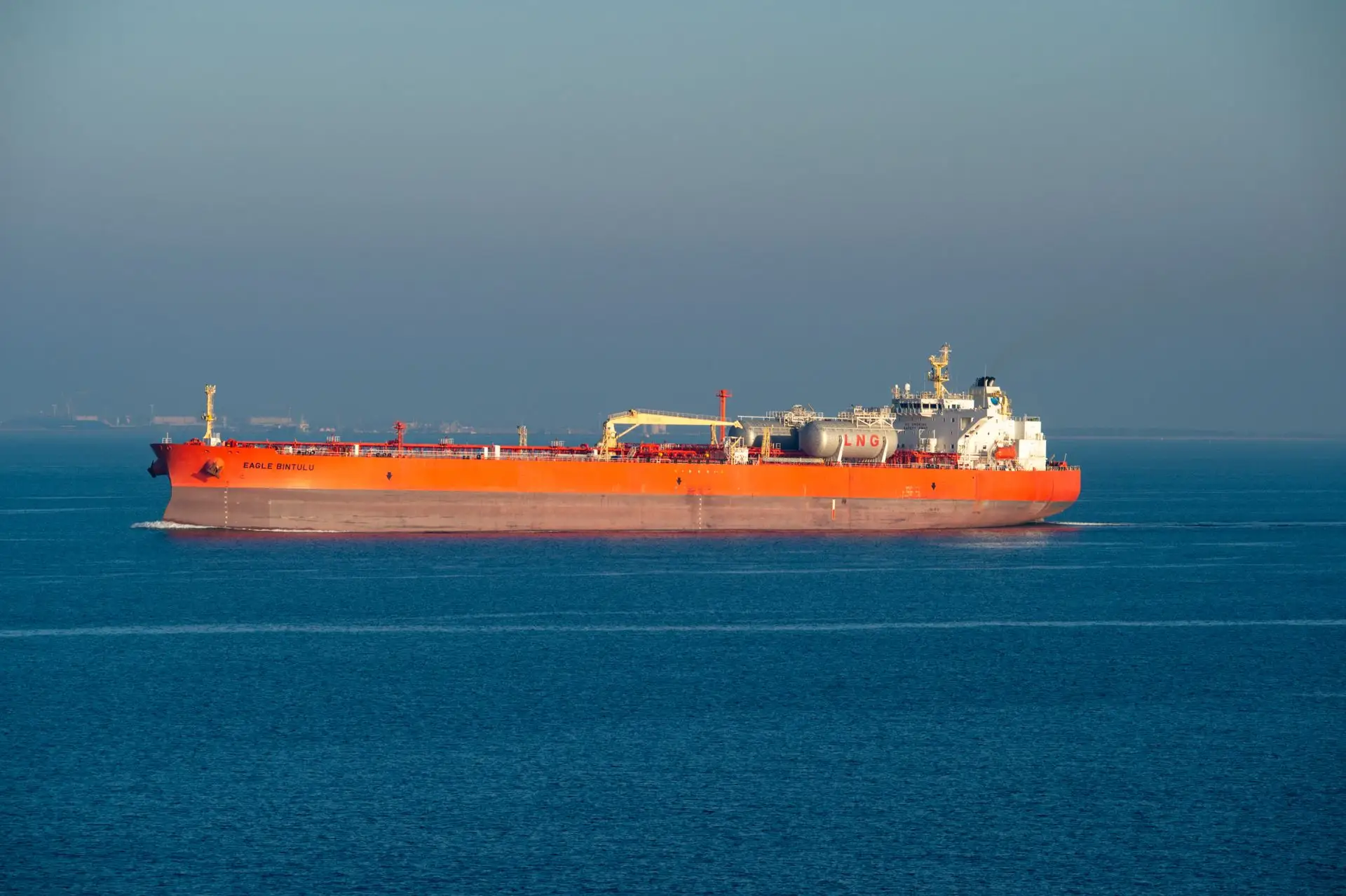
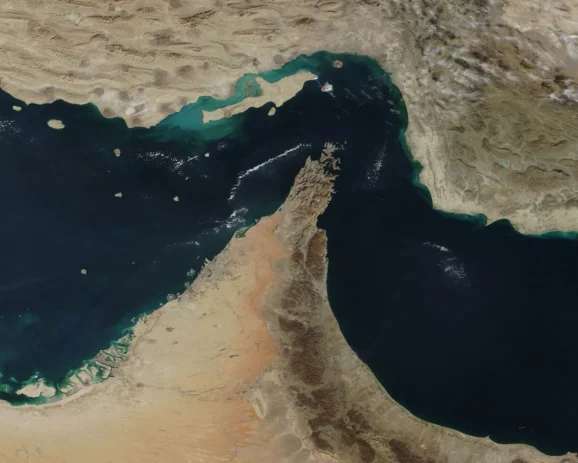
Shipping companies responsible for moving much of the world’s fuel, food and consumer goods remain “in crisis mode” as renewed fighting between the United States and Iran pushes the Strait of Hormuz back to the centre of global shipping disruption, Cyprus’ Deputy Shipping Minister said yesterday.
Marina Hadjimanolis said commercial traffic through the strategic waterway had again been severely disrupted while tensions continued in the Red Sea, forcing operators to make constant decisions over vessel routing, crew safety and security.
Cyprus, the largest ship-management centre in the European Union, is home to operators being forced to reroute vessels, manage security threats and protect crews as instability spreads across some of the world’s busiest maritime corridors.
Hadjimanolis said: “When routes become unsafe, ship managers become crisis coordinators.
“Public attention naturally focuses on military and geopolitical developments, while the critical work undertaken by the civilian maritime sector often remains less visible.”
The Strait of Hormuz normally carries around a fifth of the world’s oil and gas supplies, while the Red Sea-Suez corridor is one of the principal trade routes between Europe and Asia.
With the Strait once again at the centre of military confrontation, many operators continue to divert vessels where possible, while others remain on heightened alert as they assess the risks of transiting the Gulf.
The diversion of vessels, chiefly around the Cape of Good Hope, has added thousands of miles to many voyages, increasing transit times and operating costs for shipping companies already navigating a complex geopolitical environment.
According to the minister, the current reality is that operators must simultaneously navigate security threats, sanctions regimes, war-risk insurance, environmental regulations, cyber risks, crew welfare concerns, and rapidly changing geopolitical conditions.
As a result, the traditional role of ship management has evolved into something far more complex.
“Shipping managers have to reassess routing, manage risk exposure, liaise with flag states, charterers, insurers and crews, and ensure compliance with sanctions and security requirements – often under intense time pressure and uncertainty,” Hadjimanolis added.
“Beyond routing decisions, managers must address crew fatigue, extended contracts, mental health concerns, complex insurance conditions, rapidly changing compliance obligations and heightened scrutiny from multiple authorities.
“Much of this work happens quietly, but is critical to maintaining continuity.”

According to the Minister, Cyprus is uniquely positioned to play this role.
The island has spent decades building one of Europe’s most comprehensive maritime clusters, bringing together ship-management companies, technical managers, crew-management specialists, maritime lawyers, insurers, financiers and regulators within a single ecosystem.
Today, shipping as one of the main pillars of Cyprus economy, contributes more than seven per cent to Cyprus’s GDP, with the ship-management sector, accounting for approximately 5.5 per cent, while its revenues exceeded €1 billion in the second half of 2025, the highest level ever recorded.
Its strategic position, at the crossroads of Europe, the Middle East and Africa, has further strengthened its importance during periods of geopolitical instability.
“Cyprus may be small in size compared to some of the traditional maritime powers, but its operational importance lies precisely in its role as a trusted, responsive and strategically positioned maritime hub at the crossroads of Europe, the Middle East and the Eastern Mediterranean,” Hadjimanolis said.
“In times of crisis, what matters is not only size or historical prominence, but the ability to act quickly, coordinate effectively and maintain stability and continuity for global shipping operations.”
It is a role Cyprus has been called upon to perform repeatedly.
During the 2006 conflict in Lebanon, the island became the principal evacuation hub for tens of thousands of foreign nationals fleeing the war, including thousands of British citizens. During the Covid-19 pandemic, Cyprus emerged as one of the first countries to facilitate crew changes at a time when hundreds of thousands of seafarers worldwide were effectively trapped aboard ships due to travel restrictions and closed borders.
More recently, the maritime sector has faced a succession of overlapping challenges, including sanctions enforcement following Russia’s invasion of Ukraine, attacks on commercial vessels in the Red Sea, renewed disruption in the Strait of Hormuz, and growing instability across the Gulf.
The Minister believes the current crisis involving the Strait of Hormuz is clear proof that maritime resilience depends on far more than military power alone.
“Planning and coordination are essential to maritime resilience,” she said. “Shipping operates in a global, interconnected environment where disruptions can escalate rapidly.”
“The successive crises affecting global shipping in recent years have highlighted the importance of preparedness, coordination and operational resilience. Cyprus has consistently demonstrated its ability to contribute practical solutions and effective support to the international maritime community whenever stability and continuity are most needed.” she added.

Andrea Busfield is an international bestselling author and journalist. Her books include Aphrodite’s War and Born Under a Million Shadows. She has held senior editorial roles across the British press and reported from conflict zones including Afghanistan, where she later worked as a civilian editor with NATO/ISAF. She currently resides in Ireland.
READ MORE: What history can teach Trump about the Strait of Hormuz crisis. As tensions continue to disrupt global shipping through the Strait of Hormuz, Dr Linda Parker argues that the present crisis cannot be fully understood — or resolved — without examining the centuries-long struggle for control of the Persian Gulf.
Do you have news to share or expertise to contribute? The European welcomes insights from business leaders and sector specialists. Get in touch with our editorial team to find out more.
Main image: Oleksiy Yeshtokyn via Pexels