Britain’s new prime minister has promised a political and economic ‘circuit breaker’. Canada shows why he must be prepared to abandon cherished policies when they collide with reality, writes Harry Margulies
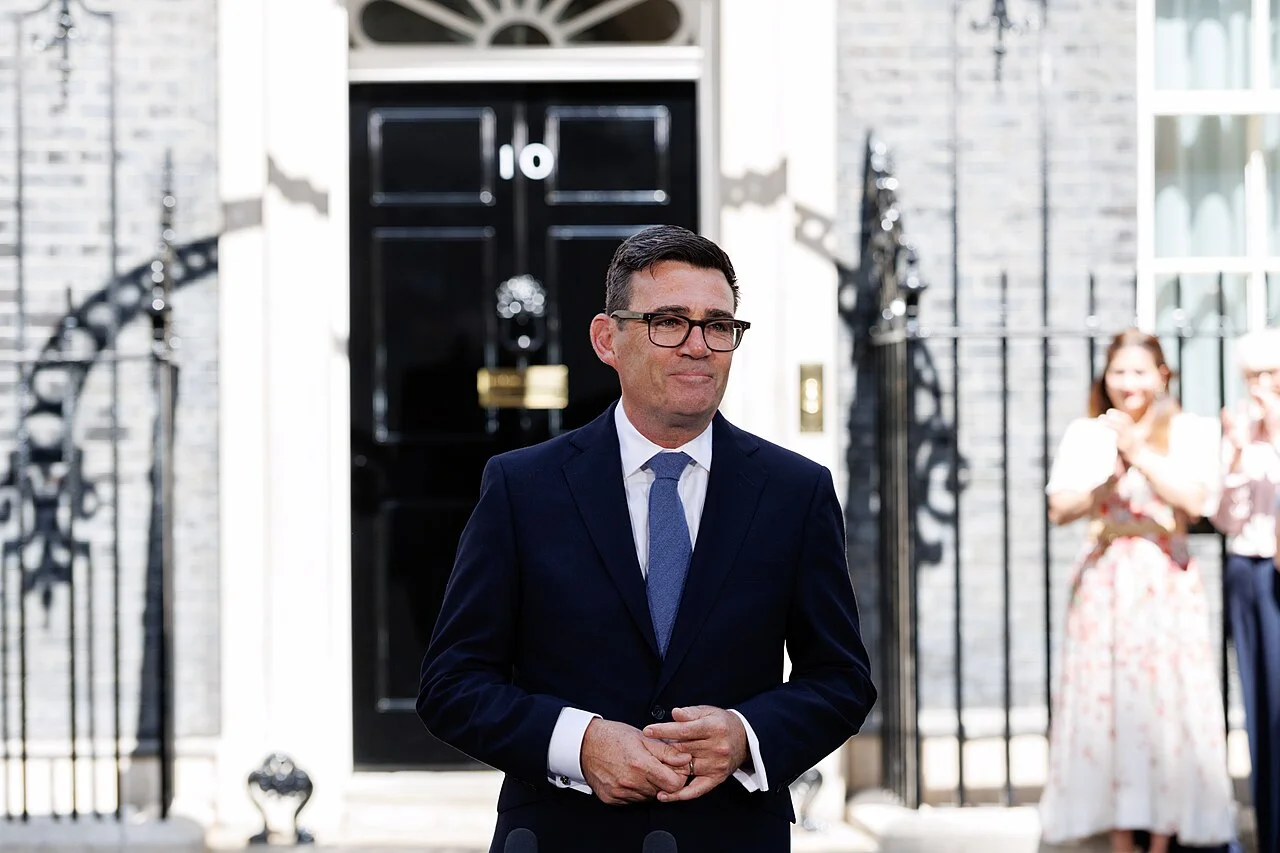
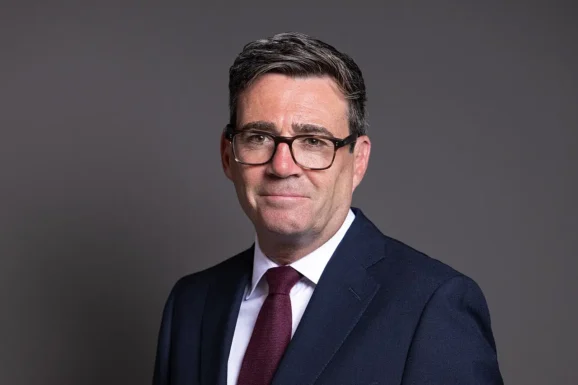
It is easy to overpromise and underdeliver. Britain has already scored enough own goals, yet Andy Burnham has entered Downing Street promising a “circuit breaker” for the country, built around “a new political model and a new economic model”.
He has also promised a ten-year plan for Britain, with re-industrialisation driven by public procurement and a substantial expansion of public housing. Each ambition has obvious appeal. The difficulty is that Britain lacks the economic room to pursue every desirable objective at once.
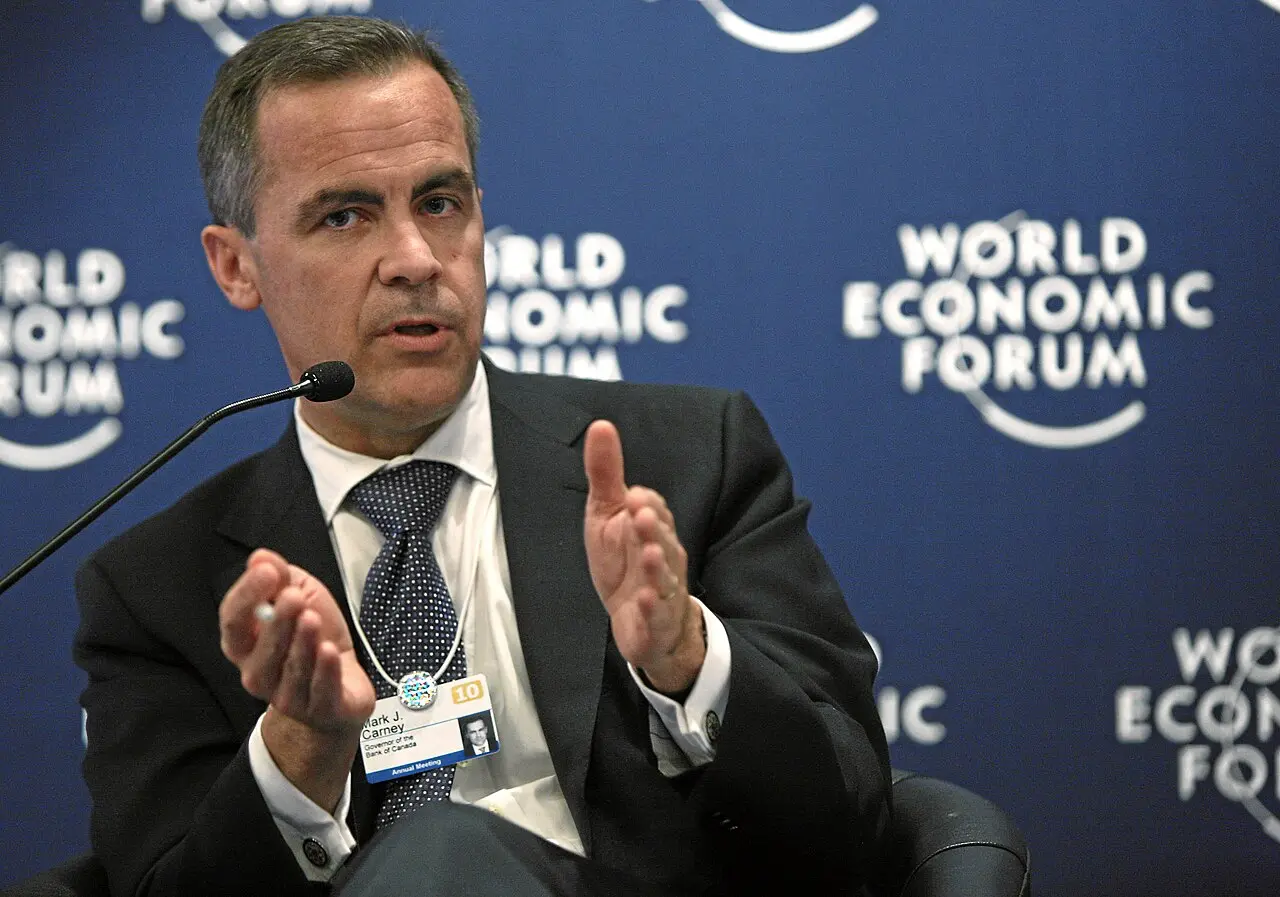
Burnham should therefore look across the Atlantic at Mark Carney, a former Governor of the Bank of England. Since becoming Canada’s prime minister last year, Carney has discovered that governing a nation is less about defending every promise than deciding which promises can survive contact with reality.
In consequence, several Liberal holy cows have had to be slaughtered. Carney cancelled a proposed increase in capital gains tax and has shown a renewed willingness to develop Canada’s natural resources, including conventional energy. While he certainly hasn’t abandoned every previous Liberal priority, he has inculcated the old adage that necessity is the mother of invention.
That is the lesson Burnham should absorb now, while the early optimism surrounding a new government remains intact.
Carney inherited one of the most difficult governing environments faced by a Canadian prime minister in decades: weak productivity, declining business investment, an affordability crisis, mounting defence obligations and a deteriorating relationship with the United States.
His response has been to move the government towards economic growth, major projects, productivity, defence and private investment. The Trudeau government, by contrast, placed greater emphasis on inclusion, diversity and climate policy. Supporters regarded those priorities as overdue social progress, but critics believed that economic growth had become secondary. Carney has therefore sought a different balance because circumstances have required one.
Burnham faces a comparable choice. He may want stronger public services, more public housing, greater equality, re-industrialisation, lower emissions and higher investment, but they cannot all be maximised simultaneously.
Public housing and public procurement may both have a role. Carney has, like Burnham, promised a major push on housing. But government-led programmes ultimately have to be funded by taxpayers, whereas private-sector investment can create new companies, jobs, incomes and future tax revenue. The question, then, is whether public spending encourages that private investment, innovation and productivity or merely transfers money between existing interests.
That distinction will become especially important if Burnham pursues a wealth tax. While it may be politically attractive because it appears to impose the cost on somebody else, the real test is how much revenue it raises after high-net taxpayers change their behaviour, relocate assets or leave the country. Sweden and France abolished their broad wealth taxes after discovering that mobile capital does not always remain where governments expect it to.
Entrepreneurs should spend their time making productive investments rather than arranging their affairs to avoid tax. Britain cannot continually ask investors to accept risk while reducing the rewards when those risks succeed. Carney appears to have recognised a similar problem when he abandoned Canada’s proposed capital gains tax increase.
So, while Burnham shouldn’t ignore inequality, he does need to recognise that wealth must be created before it can be redistributed. His goal should be a faster-growing economy in which more people are better off, even where the policies that encourage investment also produce some increase in wealth disparities.
Canada and Britain share another important economic difficulty. Canada is experiencing what might be called an involuntary Brexit: a “Canexit” from the dependable trading relationship it once assumed it had with the United States.
Britain chose to leave the European Union whereas Canada did not choose the growing uncertainty in its relationship with its largest neighbour. Nevertheless, both countries are learning how difficult it is to reduce dependence on a nearby, wealthy and familiar market.
New trading partners cannot simply be summoned by government announcement. Distance, existing supply chains and geography all matter. Far-away importers, then, cannot always replace the open market next door, however many trade missions a government organises.
Burnham should therefore be cautious about any programme of economic transformation that assumes Britain can easily replace lost trade, investment or capital. Re-industrialisation may be possible, but it will require more than procurement targets and ministerial enthusiasm. Competitive businesses, patient investment and a tax environment in which innovation is rewarded are needed.
The central challenge is one of priorities. How much can be done at once? Who will pay? Which spending will generate greater productivity in future, and which will simply deepen the debt burden?
Political leaders are often rewarded for pretending that no difficult choice is necessary, but governments eventually discover otherwise. The test of Burnham’s ten-year plan will be whether it identifies which ambitions remain affordable, which policies deter investment and which political sacred cows must be sacrificed.
In a year’s time, Burnham will be judged by measurable results. Has Britain become more productive? Has it attracted more private investment? Has public procurement created industries able to compete without permanent government support? Has housing increased without weakening the public finances? Are entrepreneurs more willing to invest and take risks?
Carney’s own judgement has so far been broadly favourable. His government remains ahead in the polls, while Canadians have credited him with improving the country’s international standing, diversifying its trade relationships and managing its increasingly difficult relationship with the United States.
His experience shows that changing direction when circumstances demand it need not be an abandonment of principle but simply the difference between campaigning and governing. Burnham would be wise to learn that lesson before the state of the nation has to teach it to him.

Harry Margulies is a journalist, author, commentator, and public intellectual whose work interrogates religion, politics, and morality with sharp wit and fearless clarity. A second-generation Holocaust survivor, he was born in Austria and spent time in an Austrian refugee camp before moving to Sweden. Educated by Orthodox rabbis throughout his childhood, he ultimately abandoned faith in his teens—a journey that has shaped his lifelong commitment to secularism, critical thinking, and freedom of expression. His latest book, Is God Real? Hell Knows, has been described by ABBA’s Björn Ulvaeus as “funny, sharp, and unafraid.”
READ MORE: ‘Elon Musk’s trillion-dollar fortune shows why taxing wealth is never simple‘. Calls to redistribute the fortunes of the super-rich may be politically attractive. But as Harry Margulies explains, governments risk destroying the value they hope to tax if they mistake productive capital for cash.
Do you have news to share or expertise to contribute? The European welcomes insights from business leaders and sector specialists. Get in touch with our editorial team to find out more.
Main Image: World Economic Forum (CC BY-SA 2.0)