Water scarcity now affects around a third of the EU’s population each year, but Cyprus has spent more than two decades preparing for permanent drought. Agriculture Minister Maria Panayiotou tells Andrea Busfield how desalination, wastewater reuse, leak-reduction technology and a permanent hosepipe ban have helped the island withstand one of its driest years on record, and what the rest of Europe can learn from its experience
Water scarcity affects around 30 per cent of European Union territory and a third of its population every year, according to the European Environment Agency.
Reservoirs in Catalonia have dropped to critical lows, Greek islands have run short of supplies at the height of the tourist season and drought in Italy’s Po Valley has hit crop production, river transport and hydroelectric power.
Few EU countries, though, have been grappling with the problem for as long as Cyprus. One of the most water-scarce countries in Europe, the Mediterranean island has spent more than two decades building a system designed for permanent scarcity rather than occasional crisis – and its officials believe the rest of the continent has little choice but to catch up.
“Cyprus is among the most water-scarce countries in Europe, and the challenges we face today are becoming increasingly familiar,” said Maria Panayiotou, Cyprus’s Minister for Agriculture, Rural Development and Environment, in an exclusive interview.
“The experience of recent years has demonstrated the scale of the pressure climate change is placing on our water resources. Doing nothing is not an option.”
Across Europe, hosepipe bans have become an almost annual summer flashpoint, imposed and lifted as reservoir levels rise and fall.
In the UK, water companies routinely announce and withdraw bans as drought conditions ease. France takes a more localised approach, with prefectures issuing tiered drought decrees that restrict garden watering, car washing and pool filling depending on how severe conditions are in a given area. Germany, too, has seen bans introduced at short notice, with Munich authorities imposing a hosepipe ban this summer as the Rhine ran low and heatwaves gripped the south.
Cyprus’s version is more permanent and far broader. Under long-standing water-saving legislation, hoses cannot be used to wash cars, roads, pavements, verandas or railings, and offenders can be fined. Enforcement powers have recently been strengthened as part of the government’s response to prolonged drought.
“In a country that faces chronic water scarcity and increasingly frequent drought conditions, every cubic metre of water matters,” Panayiotou said.
The restriction is a small but telling illustration of a broader mindset: in Cyprus, water conservation is not treated as an emergency measure but as a permanent feature of daily life.
“Water security is about far more than water supply,” Panayiotou said. “It is closely linked to food security, economic stability and our ability to protect the wellbeing of future generations.”
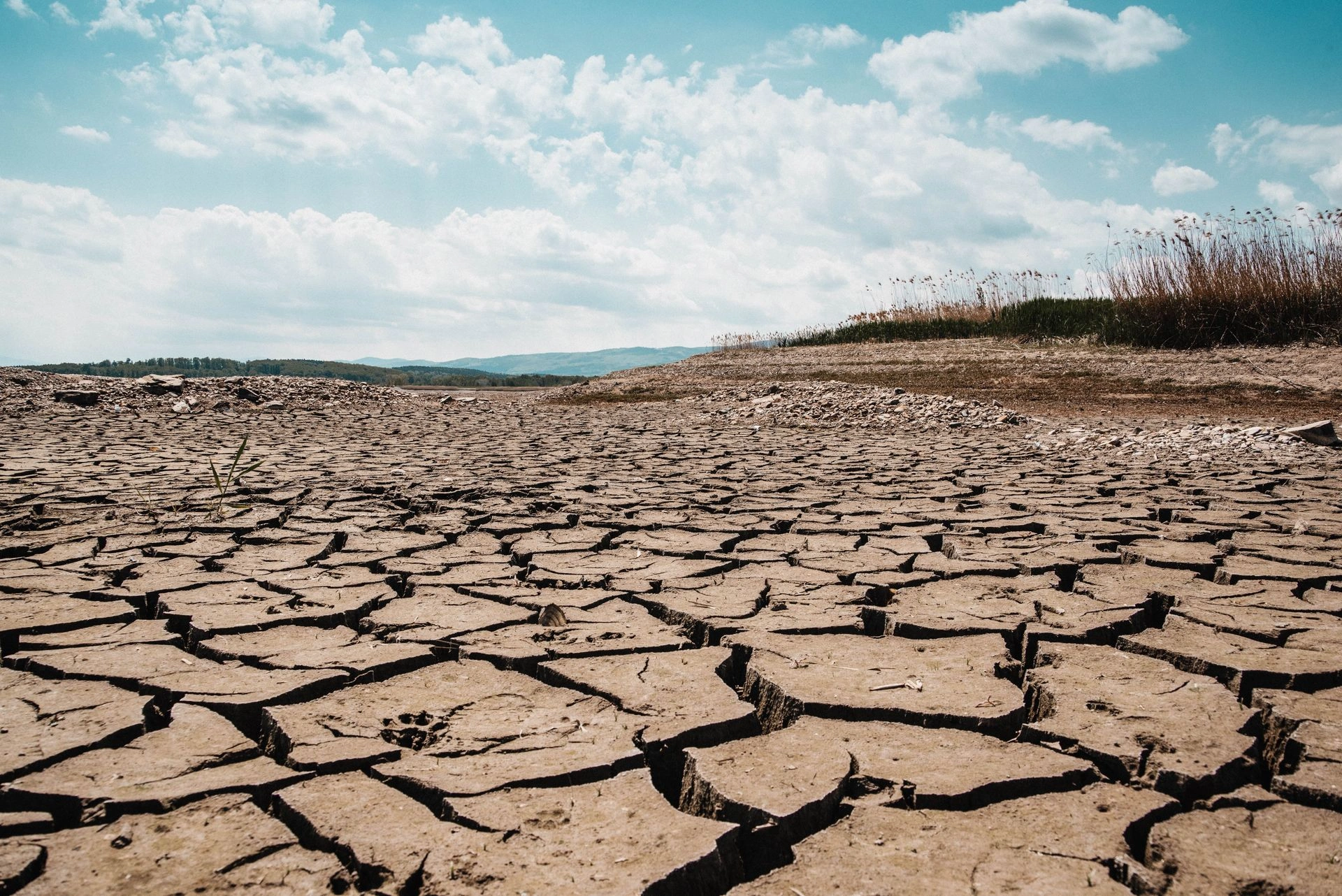
From 2024 to 2025, Cyprus experienced its driest year since records began in 1878, yet managed to keep taps running – something that would have been impossible without more than 20 years of investment in desalination, dams, wastewater recycling, leak reduction and emergency response, Panayiotou said.
“The country would likely be facing a significantly more severe situation today,” she explained. “Water rationing would almost certainly be more widespread, pressure on households and businesses would be greater, and the tourism sector would face increased operational challenges during peak summer months.”
Agricultural allocations would face deeper cuts, she added, and the wider economy would be far more exposed to successive years of drought.
“The measures already taken have not removed the challenge posed by climate change and reduced rainfall,” Panayiotou said, “but they have substantially increased Cyprus’s resilience and helped prevent a much more serious water crisis.”
Desalination now supplies a large share of Cyprus’s drinking water, but the system’s limits were exposed when the island lost capacity at one of its plants during an acute drought. Since 2025, Cyprus has also drawn on emergency support from the United Arab Emirates, which supplied 14 mobile reverse-osmosis desalination units, capable of producing up to 15,000 cubic metres of drinking water a day, along with technical training for Cypriot engineers and operators.
The units have since been folded into the island’s permanent water network.
For a country that already has deep experience with desalination, this experience showed the value of rapidly deployable, modular capacity that can come online quickly under extreme pressure.
“The experience reinforced the importance of flexibility, contingency planning and maintaining multiple sources of water production, rather than relying on any single system,” Panayiotou said.
The mobile units, she added, helped “stabilise supplies during the summer period, reduce the risk of service disruptions to households and businesses, and provide valuable breathing space” while longer-term infrastructure projects are developed.
Alongside desalination, Cyprus has invested heavily in wastewater recycling.
“The reuse of treated wastewater, which has reached 85–90 per cent and is continuously increasing, has allowed us to provide an important and stable source of irrigation water, even when freshwater is not sufficient to cover irrigation needs,” Panayiotou said.
It’s a figure that puts Cyprus among the EU’s leaders in the field and reflects a broader shift towards treating water as a circular resource rather than a disposable one.
The government is also investing in digital tools to cut losses and improve network performance.
A partnership between the Ministry of Agriculture and the KIOS Centre of Excellence at the University of Cyprus produced the Drop-meter app, which helps residents track and reduce daily consumption, while three million water-saving nozzles have been distributed to households and businesses.
“Cyprus is also investing in smart metering, real-time monitoring systems, AI-assisted leak detection and advanced analytics to improve the performance of water distribution networks,” Panayiotou said.
“These tools help identify losses more rapidly, optimise operations and support evidence-based decision-making, ensuring that every available water resource is used as efficiently as possible.”

But technology only goes so far, she said. “Water resilience cannot be achieved through infrastructure alone. It requires a collective effort involving government, local authorities, businesses and citizens working together to change consumption patterns and strengthen long-term sustainability.”
Officials are now building on that experience with a comprehensive Water Scarcity Action Plan.
“Our approach is based on a simple principle: increasing water availability, curbing water demand and increasing efficiency,” Panayiotou said.
“A key priority is the expansion of desalination capacity through both permanent and mobile desalination units. This is an important step towards reducing dependence on rainfall and strengthening the security of drinking water supplies.”
The government also sees an opportunity in the crisis, pointing to advanced desalination technology, smart infrastructure, digital monitoring, wastewater treatment and precision irrigation as priority areas for future investment, alongside continued international collaboration.
Cyprus’s approach is not a finished blueprint and its challenges are far from solved. But for a continent still working out how to live with permanently drier summers, the island’s mix of infrastructure, enforcement and behaviour change offers a rare, decades-long case study.
“For countries across Europe grappling with rising temperatures, declining rainfall reliability and growing pressure on water resources,” Panayiotou said, “the lessons we have learned may prove increasingly difficult to ignore.”

Andrea Busfield is an international bestselling author and journalist. Her books include Aphrodite’s War and Born Under a Million Shadows. She has held senior editorial roles across the British press and reported from conflict zones including Afghanistan, where she later worked as a civilian editor with NATO/ISAF. She currently resides in Ireland.
READ MORE: ‘Hormuz flashpoint keeps global shipping on high alert‘. War in the Gulf has left global shipping in “crisis mode”, forcing vessels onto costly detours, placing crews under mounting strain and threatening the flow of vital goods. Cyprus Shipping Deputy Minister Marina Hadjimanolis tells Andrea Busfield how ship managers are juggling security, sanctions, insurance and crew welfare, and why the island has become a vital crisis hub for world trade.
Do you have news to share or expertise to contribute? The European welcomes insights from business leaders and sector specialists. Get in touch with our editorial team to find out more.
Main Image: Dominika P/Pexels