Scientists to gather in Lisbon to tackle next pandemic threats

John E. Kaye
- Published
- News
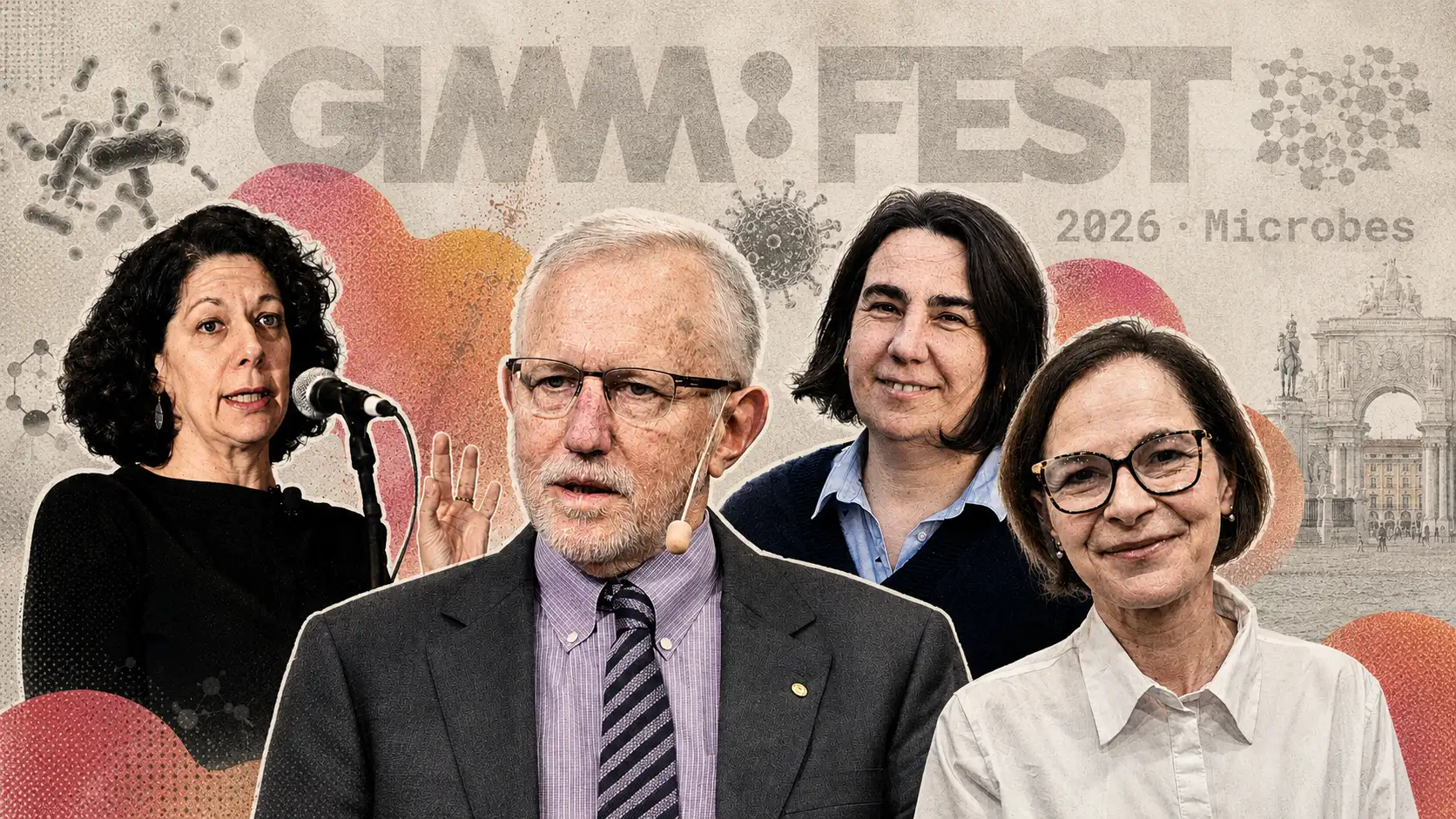
Nobel laureate Charles M. Rice joins experts examining emerging viruses, antibiotic resistance and engineered microbes
Some of the world’s leading microbiologists will meet in Lisbon to examine how microbes could shape the next pandemic, the future of medicine and the fight against antibiotic resistance.
Nobel Prize-winning virologist Charles M. Rice will join researchers including Yasmine Belkaid, Bonnie Bassler and Isabel Gordo for discussions on how microorganisms evolve, spread, communicate and affect human health.
The talks will focus on emerging viruses, antimicrobial resistance, bacterial evolution, host-microbe interactions and the use of biological engineering to turn microbes into tools for medicine, biotechnology and environmental protection.
Rice, of Rockefeller University, won the 2020 Nobel Prize in Medicine for work that helped identify the hepatitis C virus and enabled the development of effective antiviral treatments.
His appearance comes as researchers and governments continue to examine how better understanding of viruses can improve preparedness for future pandemics.
Yasmine Belkaid, president of the Institut Pasteur, will bring expertise in the microbiome and its relationship with the immune system.
Bonnie Bassler, of Princeton University, is known for her work on quorum sensing, the chemical communication system used by bacteria.
Isabel Gordo, of the Gulbenkian Institute for Molecular Medicine, studies how bacteria evolve inside the human body and how antibiotic resistance emerges.
The central question for the programme is how science can better understand microbes before they become larger threats.
Bacteria are constantly evolving, and many are becoming more resistant to medicines used to treat infection.
The World Health Organization has described antimicrobial resistance as one of the greatest threats to global health, with the potential to cause millions of deaths in the coming decades if effective action is not taken.
The programme, held under the theme Microbes – The Questions of the Future, will also explore how microbiome research is changing understanding of human health, and how engineered microorganisms could be used in prevention, diagnosis, treatment and environmental sustainability.
The discussions will take place during the second GIMM Festival, organised by the Gulbenkian Institute for Molecular Medicine from September 17 to 19.
Maria Manuel Mota, chief executive of the Gulbenkian Institute for Molecular Medicine, said: “The microscopic world has a profound impact on our health, ecosystems and the future of biotechnology.
“The GIMM Festival aims to bring researchers and society closer together to discuss how these discoveries can shape the future.”
READ MORE: Nobel laureate Omar Yaghi launches global science network. Research initiative will link institutions across seven countries to work on water scarcity, carbon capture, clean energy and climate resilience.
Do you have news to share or expertise to contribute? The European welcomes insights from business leaders and sector specialists. Get in touch with our editorial team to find out more.
Main image: Nobel laureate Charles M. Rice is joined by microbiologists Bonnie Bassler, Isabel Gordo and Yasmine Belkaid ahead of GIMM Fest 2026 in Lisbon, where experts will examine emerging viruses, antibiotic resistance and the future use of engineered microbes. Credits: GIMM Fest/The Gulbenkian Institute for Molecular Medicine; Staff Asbmb, CC BY 2.0; Riad S. Bereksi, CC BY-SA 4.0; John Sears, CC BY-SA 4.0.
TOP STORIES
-
 Britain faces higher winter energy prices as reliance on European electricity imports grows
 -
Andy Burnham to make special Gogglebox appearance for Stand Up To Cancer
-
WPSL Golf targets £120 million valuation as billionaire-backed corporate deals and other commercial deals drive explosive global growth
-
Hackers could bring Britain’s essential services to a standstill, security chief warns after global website shutdowns
-
We're talking to almost twice as many people on the phone as a decade ago, study finds
-
TalkTalk sells majority stake in Telecom Acquisitions as founder Nigel Barnett regains control
-
Company closures soar ahead of tax rises as new Budget looms
-
Himalayan mountainside moved 40cm before avalanche killed 1,451 in Nepal, scientists reveal
-
Russia takes control of more European corporate assets amid Ukraine tensions
-
EU leaders resist calls to delay carbon rules as energy costs soar
-
‘A big step forward’ – PM Andy Burnham hails plans for Great British Railways HQ in Derby
-
UK economy grows just 0.1 per cent as construction falls and services stall
-
Germany risks losing €155bn a year under tighter AI data rules, new study warns
-
Pope Leo XIV diagnosed with lung cancer after surgery in Rome
-
France faces freezer meltdown as hackers strike supermarket chains
-
Bumble shares soar 50% amid $1bn takeover talks
-
China slump drives Volkswagen to sharpest quarterly fall in more than four years
-
Hollywood mega-powerhouse created as Paramount completes Warner Bros Discovery takeover
-
Gamers face gridlock as latest Grand Theft Auto download 'nears two days'
-
Samsung profits soar ninefold to record £61bn amid AI chip boom
-
New Springer books put the UN’s struggling sustainability goals to the real-world test
-
Europe’s solar boom set for two-year slowdown after record growth
-
Let it pea. Musicians turn vegetables into instruments at Beatles' Abbey Road studios
-
Golden naked Trump statue unveiled at European Parliament
-
Jaguar puts controversial rebrand on the road with £130K 1,030PS Type 01