Shell earnings more than double as Middle East conflict lifts energy prices

John E. Kaye
- Published
- News
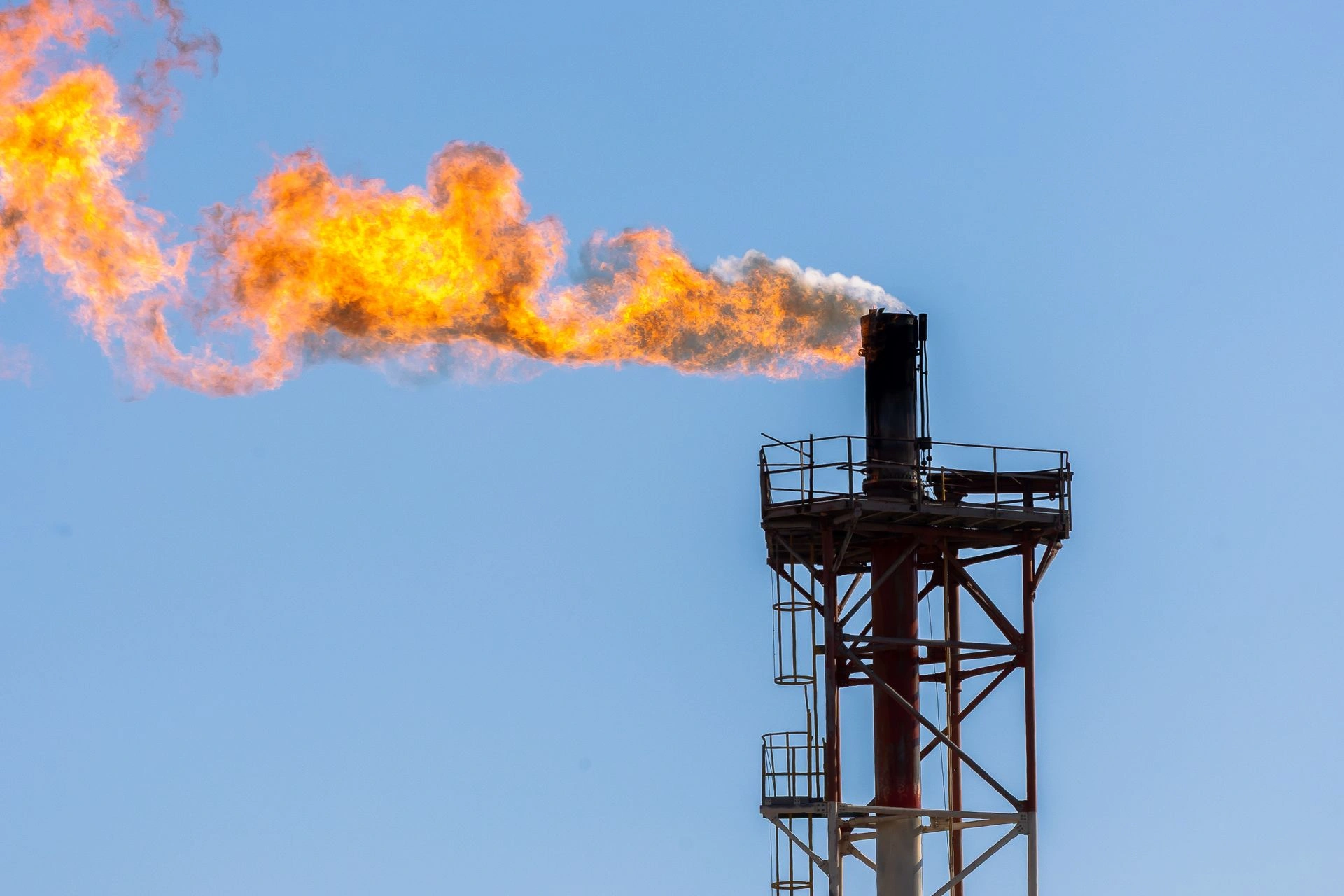
Higher oil and gas prices, stronger trading and improved refining margins have pushed the energy group’s adjusted quarterly earnings to US$9.84 billion
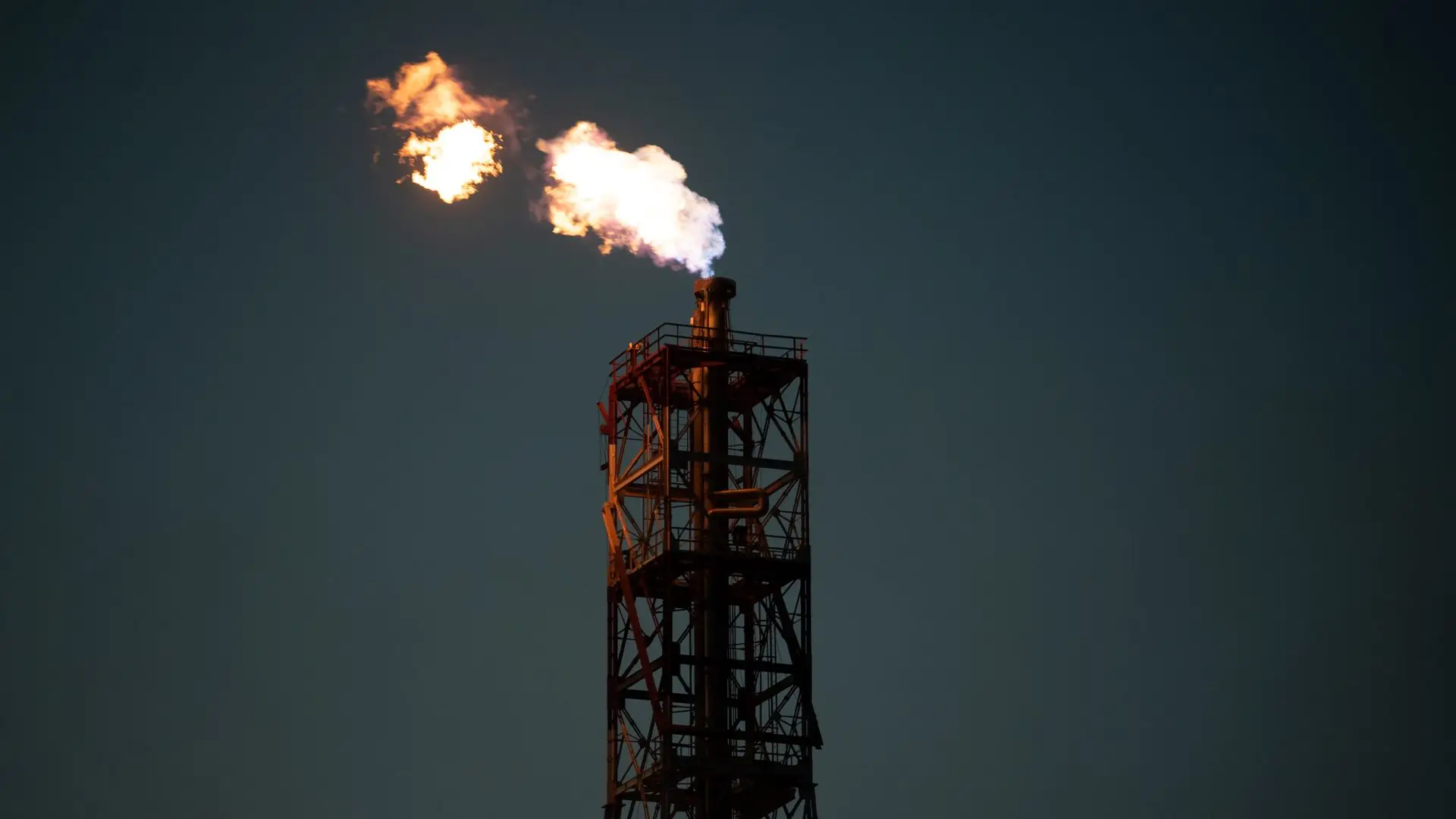
Shell’s adjusted quarterly earnings have more than doubled to US$9.84 billion as conflict in the Middle East has driven up energy prices and created stronger opportunities for its global trading operations.
The result for the three months to the end of June is up from US$4.26 billion a year earlier and has exceeded the US$8.92 billion forecast by analysts.
It is the company’s second-highest quarterly adjusted profit on record, surpassed only during the market disruption that followed Russia’s invasion of Ukraine in 2022.
Higher oil and gas prices, stronger liquefied natural gas and oil trading, and improved margins within Shell’s chemicals business have supported the performance, offsetting lower production caused by disruption to its operations in Qatar.
Brent crude has averaged about US$97 a barrel during the quarter, while benchmark European gas prices have averaged approximately €46 per megawatt-hour. Both are significantly higher than a year earlier.
Income attributable to shareholders, the company’s closest statutory profit measure, has reached US$10.82 billion, while cash flow from operations has risen above US$21 billion.
The energy group has announced a further US$3 billion share-buyback programme, marking the 19th consecutive quarter in which it has unveiled repurchases worth at least that amount.
It will also complete the outstanding portion of its previous buyback programme, which was suspended because of regulatory restrictions associated with its proposed acquisition of Canadian producer ARC Resources.
Speaking about the company’s quarterly results, Shell Chief Executive Wael Sawan said: “The macro was supportive – but what these results show more than anything is that Shell delivers through volatility.”
Shell’s Chief Financial Officer, Sinead Gorman, added: “In Q2 we reduced net debt to some 42 billion dollars, or 12 billion dollars excluding leases. And today, we have announced 3 billion dollars of share buybacks.”
Shell’s shares rose by 1.6 per cent in early trading, outperforming a 0.4 per cent increase across the wider European energy sector.
The company’s integrated gas division has reported adjusted earnings of US$2.69 billion despite gas production falling by 31 per cent from the previous quarter.
The division, which includes Shell’s liquefied natural gas trading operation, has benefited from increased market volatility and the group’s ability to redirect supplies through its international portfolio.
Gas production has fallen from 909,000 barrels of oil equivalent per day during the first quarter to 631,000 during the second, while liquefied natural gas production has declined more modestly from 7.9 million tonnes to 7.7 million tonnes.
Production at Shell’s Pearl gas-to-liquids plant in Qatar has been halted since an attack damaged one of the facility’s two processing trains in March.
Repairs could take about a year, although additional production in Canada, Nigeria and Australia is helping to compensate for some of the lost capacity.
The Middle East accounts for about 20 per cent of Shell’s total oil and gas production, with approximately half of that linked to Qatar.
Shell’s upstream business, which covers oil and gas extraction, has generated adjusted earnings of US$3.49 billion.
Total upstream production has fallen slightly from 1.84 million barrels of oil equivalent per day in the first quarter to 1.82 million, although the company has recorded another quarter of record production in Brazil.
Sawan said the company’s efforts to improve operating performance had “unlocked additional production” during the quarter.
He added: “We continue to optimise and deliver turnarounds ahead of schedule, enabling performance such as in Brazil, where we delivered another quarter of record production.”
Shell’s chemicals and products division has delivered adjusted earnings of US$2.9 billion, up from US$118 million a year earlier and its strongest quarterly result since 2021.
Its refineries have operated at 102 per cent of their stated capacity as the company has sought to take advantage of higher fuel prices and stronger refining margins.
Jet-fuel production has increased by a fifth from a year earlier, a Shell spokesperson told Reuters.
The company’s net debt has fallen to US$41.8 billion from US$52.6 billion at the end of the first quarter.
Its gearing ratio – which measures debt in relation to equity and includes leases – has declined from 23.2 per cent to 18.7 per cent.
Shell has maintained its capital-expenditure forecast of between US$24 billion and US$26 billion for the full year.
Its proposed acquisition of ARC Resources has received shareholder approval and is awaiting final regulatory clearance.
Shell has said the transaction will increase its expected annual production growth between 2025 and 2030 from about 1 per cent to approximately 4 per cent.
But the scale of the earnings increase has renewed calls from environmental campaigners for governments to impose windfall taxes on oil and gas producers.
Greenpeace political campaigner Rudy Schulkind told The Guardian that the organisation was “running out of words to describe the obscenity” of Shell’s profits.
He called for the proceeds of a windfall tax to be used to support households, strengthen resilience against extreme weather and accelerate investment in cleaner energy.
READ MORE: ‘Deutsche Bank profits rise as trading business booms‘. Germany’s largest lender has beaten market expectations after volatile trading and a revival in corporate dealmaking drove strong growth at its investment bank.
Do you have news to share or expertise to contribute? The European welcomes insights from business leaders and sector specialists. Get in touch with our editorial team to find out more.
Main Image: Yerevan Malerva/Pexels
TOP STORIES
-
 Britain faces higher winter energy prices as reliance on European electricity imports grows
 -
Andy Burnham to make special Gogglebox appearance for Stand Up To Cancer
-
WPSL Golf targets £120 million valuation as billionaire-backed corporate deals and other commercial deals drive explosive global growth
-
Hackers could bring Britain’s essential services to a standstill, security chief warns after global website shutdowns
-
We're talking to almost twice as many people on the phone as a decade ago, study finds
-
TalkTalk sells majority stake in Telecom Acquisitions as founder Nigel Barnett regains control
-
Company closures soar ahead of tax rises as new Budget looms
-
Russia takes control of more European corporate assets amid Ukraine tensions
-
EU leaders resist calls to delay carbon rules as energy costs soar
-
‘A big step forward’ – PM Andy Burnham hails plans for Great British Railways HQ in Derby
-
UK economy grows just 0.1 per cent as construction falls and services stall
-
Germany risks losing €155bn a year under tighter AI data rules, new study warns
-
Pope Leo XIV diagnosed with lung cancer after surgery in Rome
-
France faces freezer meltdown as hackers strike supermarket chains
-
Bumble shares soar 50% amid $1bn takeover talks
-
China slump drives Volkswagen to sharpest quarterly fall in more than four years
-
Hollywood mega-powerhouse created as Paramount completes Warner Bros Discovery takeover
-
Gamers face gridlock as latest Grand Theft Auto download 'nears two days'
-
Samsung profits soar ninefold to record £61bn amid AI chip boom
-
New Springer books put the UN’s struggling sustainability goals to the real-world test
-
Europe’s solar boom set for two-year slowdown after record growth
-
Let it pea. Musicians turn vegetables into instruments at Beatles' Abbey Road studios
-
Golden naked Trump statue unveiled at European Parliament
-
Jaguar puts controversial rebrand on the road with £130K 1,030PS Type 01
-
Deepfakes and identity fraud drive new wave of post-hire background checks