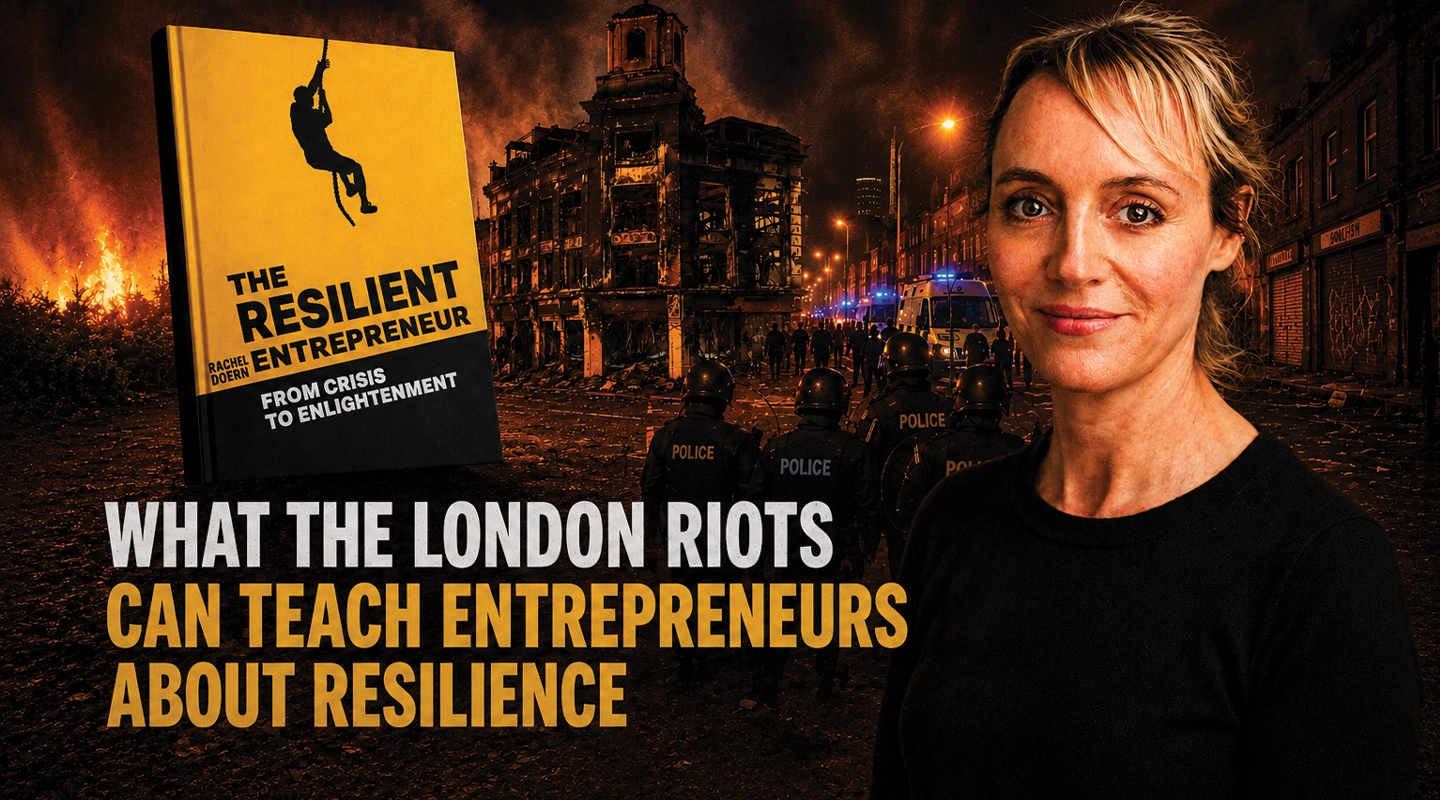
This month marks the 15th anniversary of the London riots, which caused widespread damage to businesses across the capital. After studying the riots, Rachel Doern, Associate Professor of Entrepreneurship at Goldsmiths, University of London, says the experiences of entrepreneurs who endured looting and destruction during the unrest can teach today’s business leaders how to build greater resilience in crises of all kinds
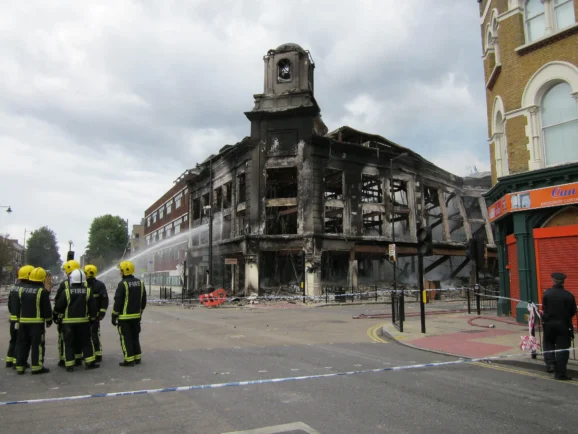
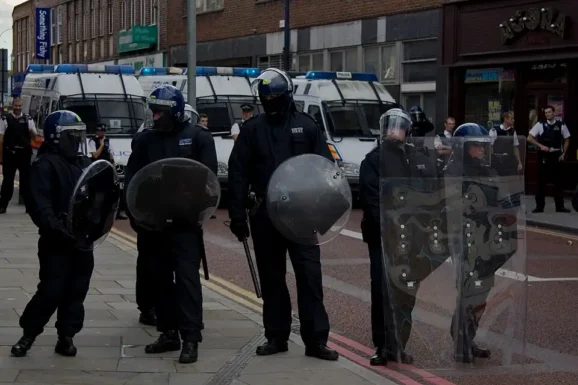
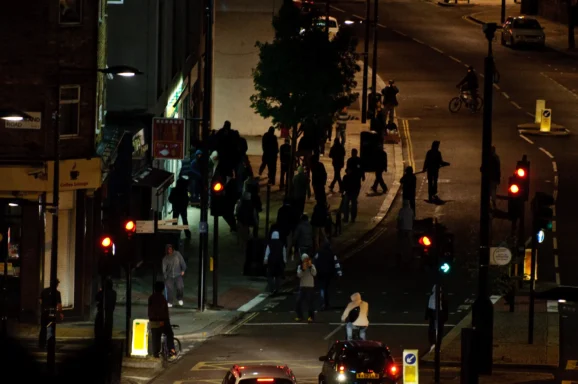
A terrifying cacophony of noise. Wailing sirens mixed with screams as crowds, some with faces covered by scarves and balaclavas, confronted police officers carrying riot shields and batons. Cars burned fiercely nearby, flames bursting high into the night sky. Shops were severely vandalised, looted and set alight.
This was London on the night of August 6, 2011.
Similar scenes soon followed in Manchester, Salford, Birmingham, Liverpool and Nottingham. Five people died and more than 2,000 businesses were affected during the unrest.
The financial impact of the London riots was substantial. More than 3,800 claims were subsequently made under the Riot (Damages) Act in London, with the resulting liabilities costing the UK between £200 million and £500 million in damages, lost trade and policing.
Scores of shop owners were forced to watch the destruction unfold on the evening news, sitting helplessly at home while decades of hard work went up in flames in front of their eyes.
Many never reopened – but others did.
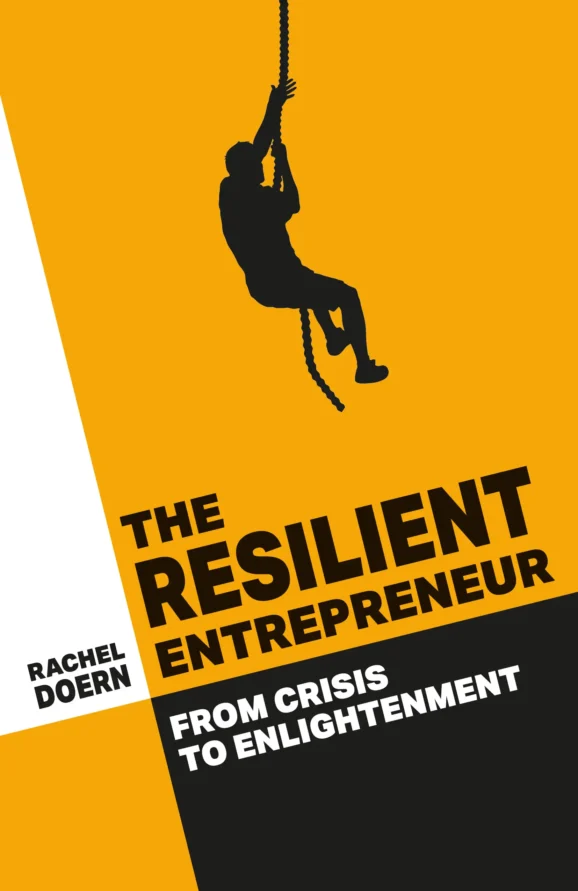
I have spent 20 years studying how entrepreneurs respond to crisis, including the impact of the London riots on business owners. Their experiences form part of the research behind my book, The Resilient Entrepreneur: From Crisis to Enlightenment.
Riots are not something many entrepreneurs plan for. They can arrive suddenly, with little or no warning, creating psychological distress and forcing people to make decisions amid ambiguity, uncertainty and intense time pressure.
Yet the same is true of many crises, from COVID-19 to personal crises, illness and bereavement, as well as professional crises including natural disasters, terrorist attacks, recessions and organisational or operational failures.
How entrepreneurs and other business leaders respond in such circumstances can be critical to their survival. How they maintain and develop resilience matters to them and their families, the staff who depend on them and the communities they serve.
Many coping strategies used by entrepreneurs following the London riots had positive implications, strengthening resilience. These included managing expectations, positive self-talk and reappraisal, leaning into social support and finding ways to offset losses. But some strategies threatened to make people more vulnerable: denial, rumination and behavioural disengagement.
Bringing awareness to the negative as well as the positive coping strategies we may draw on during a crisis is essential, particularly when uncertainty is high and stress levels are elevated. We also need ways to protect ourselves from their harmful effects.
Marie, the owner of a children’s clothing shop in west London, was devastated after her business was looted and vandalised during the riots. On the third day of the unrest, she received emails from her local business improvement district and council warning businesses about the movement of rioters and advising them to be vigilant and remove expensive items from their windows.
She recalled: “I’d seen what happened in Tottenham, but I just thought, ‘Have they really got the right place? Why would anyone come here?’”
Marie’s experience illustrates denial: an early-stage defence mechanism directed towards potentially painful stimuli from the outside world. Denial involves ignoring a potential problem, or the extent of it. Many of us are guilty of this at one point or another.
While denial aims to reduce discomfort, it can also delay the very thoughts, feelings and actions we require to prepare for a crisis or to help us recover from its effects.
In The Resilient Entrepreneur, I describe the ‘four Cs’ of denial busting. The first is checking and challenging what is working: being vigilant about stability, routine and complacency, and recognising that organisational practices or culture can reinforce denial. The second is checking in with others – including staff, partners, clients, friends and family – to process what is happening and decide whether concerns should be acted upon or dismissed.
The third is checking vitals: monitoring your mental and physical health as well as the health of the business, including staff morale, financial security, operational pressures and changing workplace practices. The fourth is checking in with prior experiences and reflecting on what helped you persevere through earlier difficult periods. Previous experience of crisis can help us feel more prepared and focused.
Rumination presents a different danger. Jacob, the owner of a high-end clothing store in south-east London, was alerted by a neighbour when rioters broke into his business. He managed to scare them away and stood guard for the remainder of the night. But dealing with insurers and the council afterwards became burdensome, and he was unable to recover all his losses.
He described feeling isolated once the immediate crisis had passed and becoming “quite an angry, negative person” because of what had happened. Even two years later, he was still questioning whether he should have made greater provision to protect the business.
Rumination involves fixating on a problem, letting it circle round in our heads and shifting our attention towards negative thoughts and emotions. It can feel as though it is helping, and can even be comforting at times, but it may generate more stress and stop us taking the steps needed to resolve a problem – or noticing that the problem is no longer present.
There are several ways to protect against its effects. Social support can provide advice, perspective and guidance. Mindfulness can help us notice negative thoughts and emotions without becoming absorbed by them. Positive distractions such as exercise, socialising, gardening or baking can provide a short-term reprieve and allow us to look at our source of rumination in a new light.
Allocating a specific period for worry can also help. Rather than allowing concerns to emerge throughout the day, setting aside 30 to 60 minutes can improve focus and make it less likely that worries will intrude at night. It is also useful to turn vague concerns into specific ones. “Why does this always happen to me?” is difficult to resolve. “What can I do about it?” shifts attention towards problem-solving.
Behavioural disengagement is another avoidant coping strategy. It involves withdrawing effort or ceasing to act when we feel we no longer have the resources to cope effectively.
Mark had been running a small electronics repair shop for decades when rioters struck. His stock was completely wiped out and his premises severely damaged. Afterwards, he became more withdrawn from the business and stopped pursuing insurers with the same determination.
He put it starkly: “I don’t care about the business as much as I used to … I want to be here, but I don’t want to be here.”
That response is understandable when a person feels exhausted or overwhelmed. But by directing attention and energy away from the source of stress, behavioural disengagement can also leave the underlying problem unmanaged.
One response is active confronting: engaging with the stressor directly and asking whether it can be removed, whether its effects can be reduced or whether it has to be accepted.
Reassuring thoughts can also help by reminding us what we have already managed to do – staying calm, retaining staff, finding a new client or source of income, or identifying a new supplier.
Active planning is equally important. Developing a concrete strategy and breaking the problem down into clear steps can strengthen our sense of control at a point when a crisis has weakened it.
Resilient entrepreneurs still experience distress, anger, uncertainty and loss. What matters is recognising how we are coping and whether a strategy that initially protects us is beginning to work against us.
The London riots made those patterns unusually visible. Fifteen years later, their relevance extends far beyond riots. Business leaders cannot anticipate every crisis they may face, but they can become more aware of denial, rumination and disengagement – and better equipped to stop those responses from making a difficult situation even harder.

Rachel Doern is Reader/Associate Professor of Entrepreneurship at Goldsmiths, University of London. She researches crisis management and resilience in an entrepreneurial context. Her work has appeared in the popular press, including the BBC and Los Angeles Times. The Resilient Entrepreneur: From Crisis to Enlightenment, is out now.
READ MORE: Could YOU spot a deepfake influencer? AI-generated influencers are attracting millions of followers and becoming increasingly difficult to distinguish from real people. Here, deepfake detection expert Julia Jakimenko explains how to recognise the warning signs – and why your instincts are no longer enough.
Do you have news to share or expertise to contribute? The European welcomes insights from business leaders and sector specialists. Get in touch with our editorial team to find out more.
Main image: Fifteen years after the London riots, Rachel Doern says the experiences of business owners who survived the unrest offer valuable lessons in resilience for entrepreneurs facing today’s crises. Composite image using photographs by Hugh Epaul (CC BY 2.0), Alan Stanton (CC BY-SA 2.0) and Stuart Bannocks (CC BY 2.0) via Wikimedia Commons. Other images: Supplied