Iran war shock hits Eurozone spending twice as hard as expected

John E. Kaye
- Published
- News

New analysis by the European Central Bank suggests household spending has fallen much more sharply than previous economic predictions as nervous consumers delay purchases
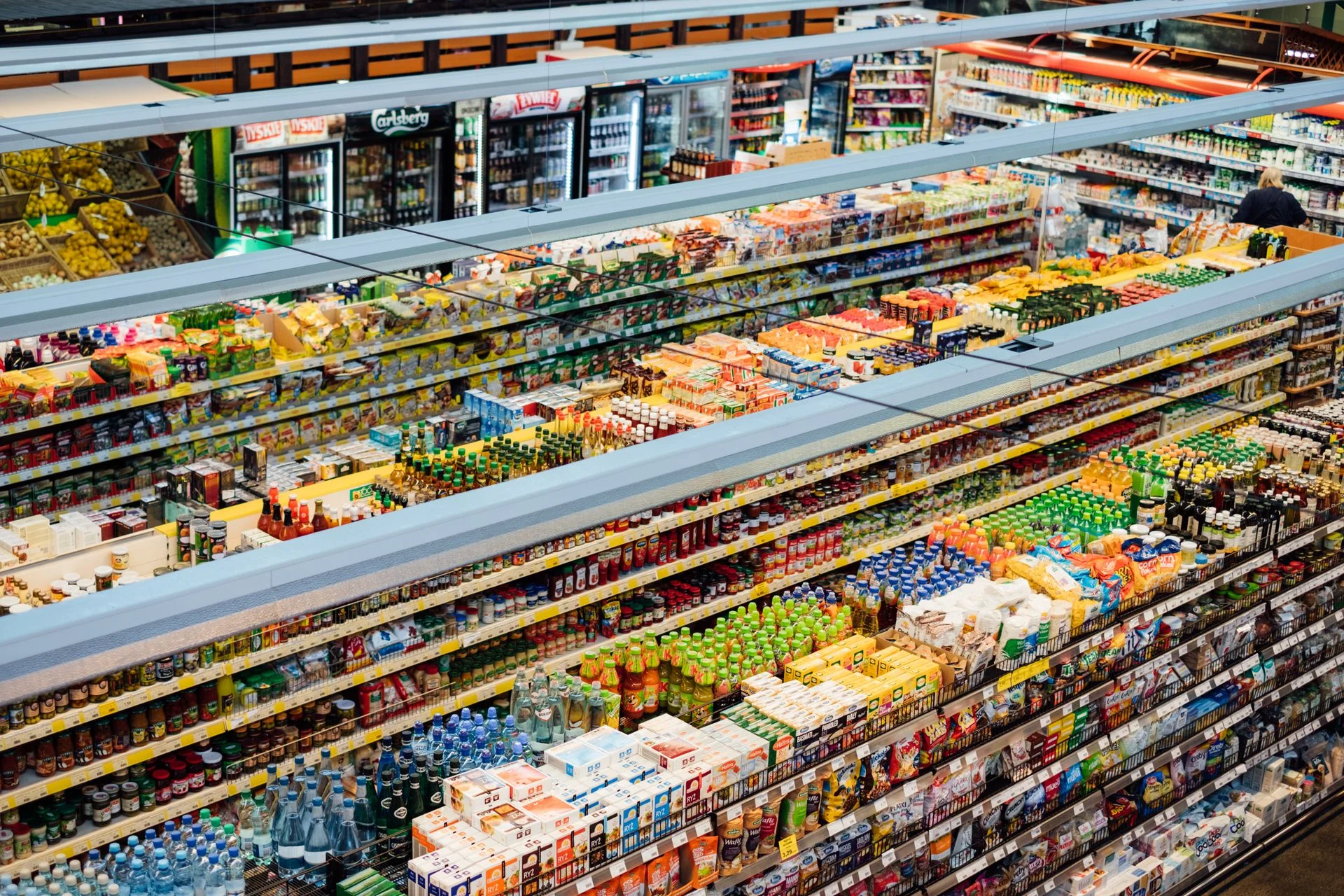
The Iran war has hit eurozone consumer spending twice as hard as predicted, according to new analysis by the European Central Bank (ECB).
Household consumption has fallen sharply since the conflict began in late February as confidence has weakened across the currency bloc.
Nominal consumption growth – spending measured before inflation – has fallen to about 2.5 per cent, the ECB reports.
Prior to the outbreak of the Iran war, it had averaged around 3 to 4 per cent annually since mid-2024.
The drop in spending is around twice as large as historic trends would suggest and is similar in scale to the reaction seen after Russia’s invasion of Ukraine in early 2022.
Higher-income households have driven much of the slowdown by cutting discretionary purchases, according to the ECB.
Household expectations have also deteriorated since fighting began.
In March, consumers raised their average expectations for inflation over the following year by about 2.5 percentage points while cutting their expectations for economic growth by about 1.2 points.
ECB researchers have described the reaction as a potential “double scar”, with households entering the Iran conflict already affected by the post-pandemic inflation surge and the economic fallout from Russia’s invasion of Ukraine.
Writing on the ECB Blog, they said: “This evidence suggests that consumers are experiencing the war in Iran with a potential ‘double scar’,
“These two scars may reinforce each other and are likely to shape consumer expectations and behaviour in the coming months, as conflicts and heightened macroeconomic uncertainty persist.
“This makes stagflationary scenarios – rising prices and declining growth – more pronounced and persistent in their beliefs.”
The ECB’s latest analysis also indicates that the slowdown is being driven more by caution than by households simply running out of money.
Around 40 per cent of households surveyed said they did not expect to recover the loss of real income caused by higher prices linked to the conflict.
Energy costs have added to the pressure.
Energy-price inflation more than doubled from 5.1 per cent in March to 10.9 per cent in April as the Middle East war drove up energy prices.
The central bank has warned that sustained increases in energy costs could squeeze household incomes further and reduce spending and investment.
The euro area economy contracted by 0.2 per cent in the first quarter of 2026, according to Eurostat, after growing by 0.2 per cent in the final three months of last year.
Euro area inflation, meanwhile, rose to 3 per cent in April, up from 2.6 per cent in March and 1.9 per cent in February.
ECB survey indicators point to weaker economic momentum during the second quarter and beyond, with uncertainty continuing to weigh on household spending.
Separate ECB modelling has warned that rising energy prices and consumer uncertainty could increase household saving.
Under a scenario of higher consumer uncertainty, the ECB estimates that euro area growth could be reduced by 0.3 percentage points in 2027.
Its models also suggest the impact is concentrated disproportionately among wealthier households, which also account for most of the recorded decline in consumption.
The central bank has said the outlook will depend on how long the war lasts and how severely it affects energy and commodity markets and global supply chains.
The ECB said the scale of the fall showed how strongly uncertainty was affecting households.
“This suggests that the confidence channel is particularly strong in the case of large shocks that are widely perceived as such by consumers,” it said, as Reuters reported.
READ MORE: Hormuz flashpoint keeps global shipping on high alert. War in the Gulf has left global shipping in “crisis mode”, forcing vessels onto costly detours, placing crews under mounting strain and threatening the flow of vital goods. Cyprus Shipping Deputy Minister Marina Hadjimanolis tells Andrea Busfield how ship managers are juggling security, sanctions, insurance and crew welfare, and why the island has become a vital crisis hub for world trade.
Do you have news to share or expertise to contribute? The European welcomes insights from business leaders and sector specialists. Get in touch with our editorial team to find out more.
Main Image: Tirachard Kumtanom/Pexels
TOP STORIES
-
 Britain faces higher winter energy prices as reliance on European electricity imports grows
 -
Andy Burnham to make special Gogglebox appearance for Stand Up To Cancer
-
WPSL Golf targets £120 million valuation as billionaire-backed corporate deals and other commercial deals drive explosive global growth
-
Hackers could bring Britain’s essential services to a standstill, security chief warns after global website shutdowns
-
We're talking to almost twice as many people on the phone as a decade ago, study finds
-
TalkTalk sells majority stake in Telecom Acquisitions as founder Nigel Barnett regains control
-
Company closures soar ahead of tax rises as new Budget looms
-
Russia takes control of more European corporate assets amid Ukraine tensions
-
EU leaders resist calls to delay carbon rules as energy costs soar
-
‘A big step forward’ – PM Andy Burnham hails plans for Great British Railways HQ in Derby
-
UK economy grows just 0.1 per cent as construction falls and services stall
-
Germany risks losing €155bn a year under tighter AI data rules, new study warns
-
Pope Leo XIV diagnosed with lung cancer after surgery in Rome
-
France faces freezer meltdown as hackers strike supermarket chains
-
Bumble shares soar 50% amid $1bn takeover talks
-
China slump drives Volkswagen to sharpest quarterly fall in more than four years
-
Hollywood mega-powerhouse created as Paramount completes Warner Bros Discovery takeover
-
Gamers face gridlock as latest Grand Theft Auto download 'nears two days'
-
Samsung profits soar ninefold to record £61bn amid AI chip boom
-
New Springer books put the UN’s struggling sustainability goals to the real-world test
-
Europe’s solar boom set for two-year slowdown after record growth
-
Let it pea. Musicians turn vegetables into instruments at Beatles' Abbey Road studios
-
Golden naked Trump statue unveiled at European Parliament
-
Jaguar puts controversial rebrand on the road with £130K 1,030PS Type 01
-
Deepfakes and identity fraud drive new wave of post-hire background checks