A former fossil energy region in North Rhine-Westphalia is attracting investment in data centres, cloud computing, microelectronics and research as it builds Europe’s digital infrastructure. NRW.Global Business explains why Rheinisches Revier is fast becoming a new base for the digital economy
Rheinisches Revier, once one of Germany’s most important fossil energy regions, is being transformed into a major European hub for digital technology, data infrastructure and advanced research.
The region, in North Rhine-Westphalia, is positioning itself as a base for companies that need space, power, connectivity and access to one of Europe’s largest markets.
Its location at the intersection of major European data routes gives businesses access to a potential market of 60 million people within a 250-kilometre radius, with latency of less than 20 milliseconds for companies working in artificial intelligence, cloud computing and data-driven services.
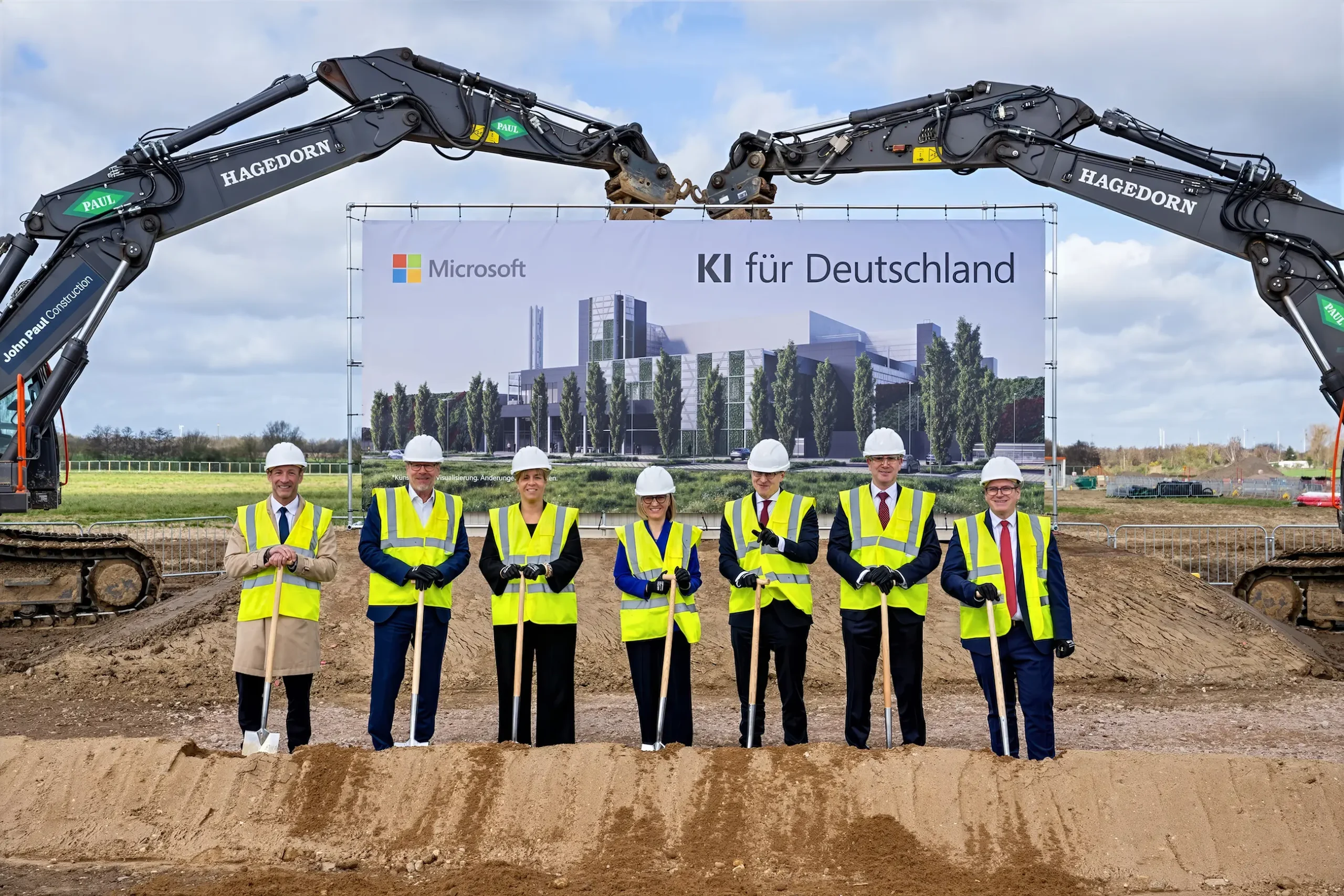
Microsoft is among the largest investors, with plans to build four hyperscale data centres for AI applications and cloud services as part of an investment of more than €3 billion. Two digital parks are also in planning for companies with digital business models.
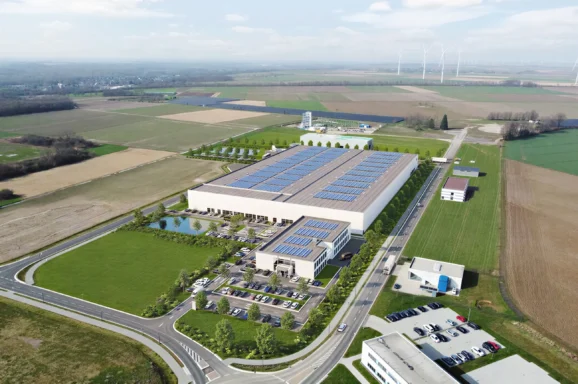
The region already has strengths across the digital value chain, including microelectronics, semiconductors, artificial intelligence, cloud infrastructure and applied research.
Companies including AIXTRON and Black Semiconductor are part of its microelectronics cluster, developing technologies used in future industries such as autonomous driving. Taiwanese electronics group Quanta is also strengthening the region’s industrial base with a new production facility in Jülich, creating 700 jobs.
That industrial network is supported by one of Europe’s strongest research environments. RWTH Aachen University, leading Fraunhofer Institutes and the Jülich Research Centre form an innovation corridor linking academic expertise with applied technology and industrial development.
Jülich is home to JUPITER, Europe’s fastest exascale supercomputer, strengthening the region’s role in highperformance computing and AI research. Projects including Neurotec, the AI Village and the Blockchain Reallabor are helping advance work in artificial intelligence and emerging digital technologies.
Jochen Pollotzek, Head of Division Rheinisches Revier at NRW. Global Business, said: “This combination of state-of-the-art digital infrastructure, an established industrial network, and excellent research is unique in Europe.
“We are creating ideal conditions for companies that want to benefit from and actively drive digitalisation. And all investors are invited to be part of this success story.”
Rheinisches Revier’s development is backed by a €14.8 billion fund from the German federal government and the state of North Rhine-Westphalia, reflecting its role in Germany’s effort to replace former fossil energy capacity with new industries, skilled jobs and digital infrastructure.
The region has already been named one of Top 10 Innovations Zones by Real FDI, underlining its growing international profile among investors.
For digital companies, it offers an ecosystem where data centres, AI, semiconductors, cloud services and manufacturing can develop together.
Further Information
Produced with support from NRW.Global Business. Rheinisches Revier’s transformation is backed by Germany’s Federal Ministry for Economic Affairs and Energy and North Rhine-Westphalia’s Ministry of Economic Affairs, Industry, Climate Action and Energy. Advertisement by Rheinisches Revier. To find out more, visit www.rheinisches-revier.com
READ MORE: Inside Costa Rica’s medtech boom. Costa Rica’s medical device ecosystem now includes major multinationals such as Edwards Lifesciences, Boston Scientific, Medtronic and Abbott. With the Life Sciences Forum 2026 approaching, the country’s growing importance is coming into sharper focus as tariffs and industry contraction force medtech companies to rethink where they build and invest, writes John E. Kaye.
Do you have news to share or expertise to contribute? The European welcomes insights from business leaders and sector specialists. Get in touch with our editorial team to find out more.
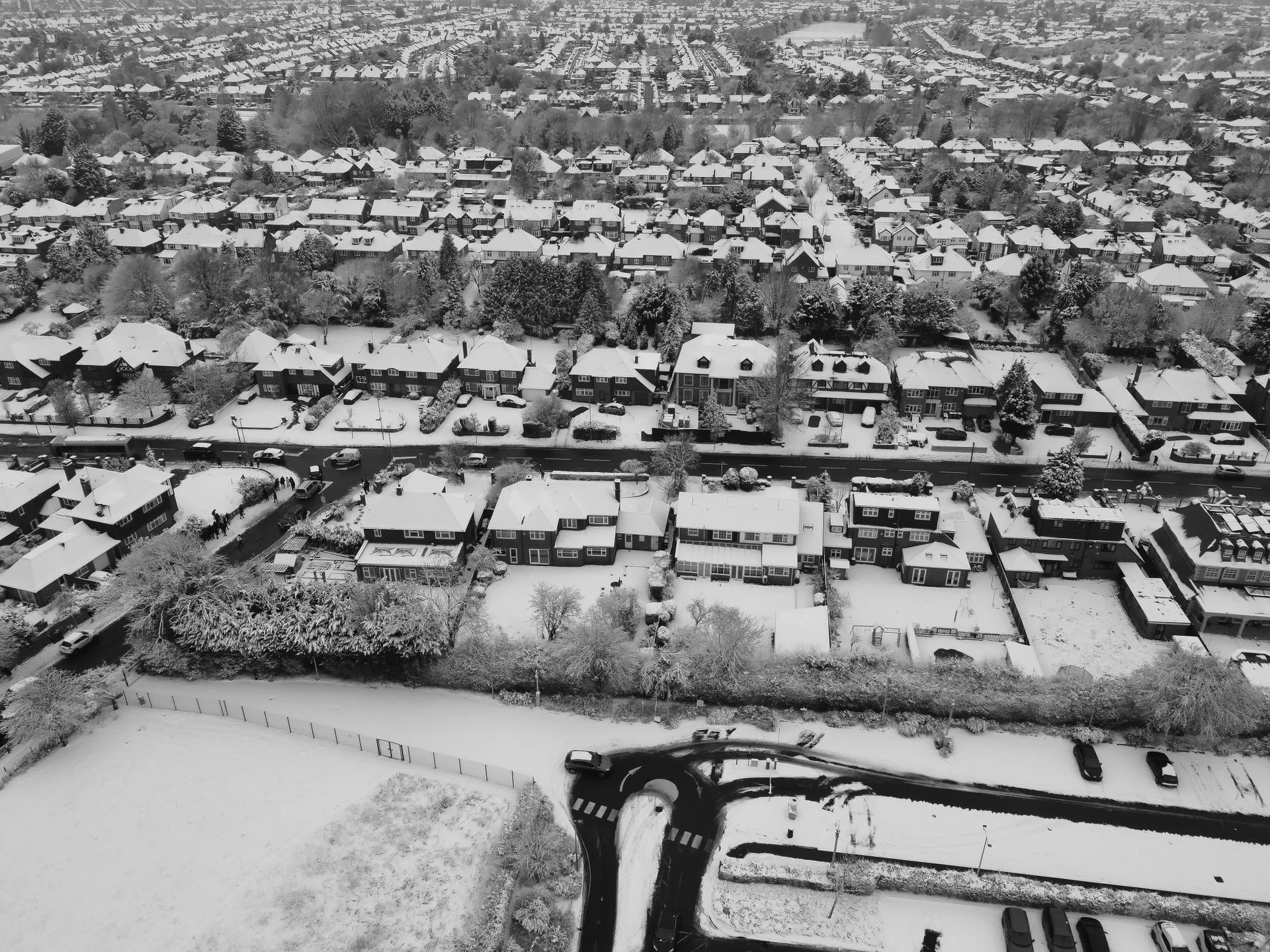
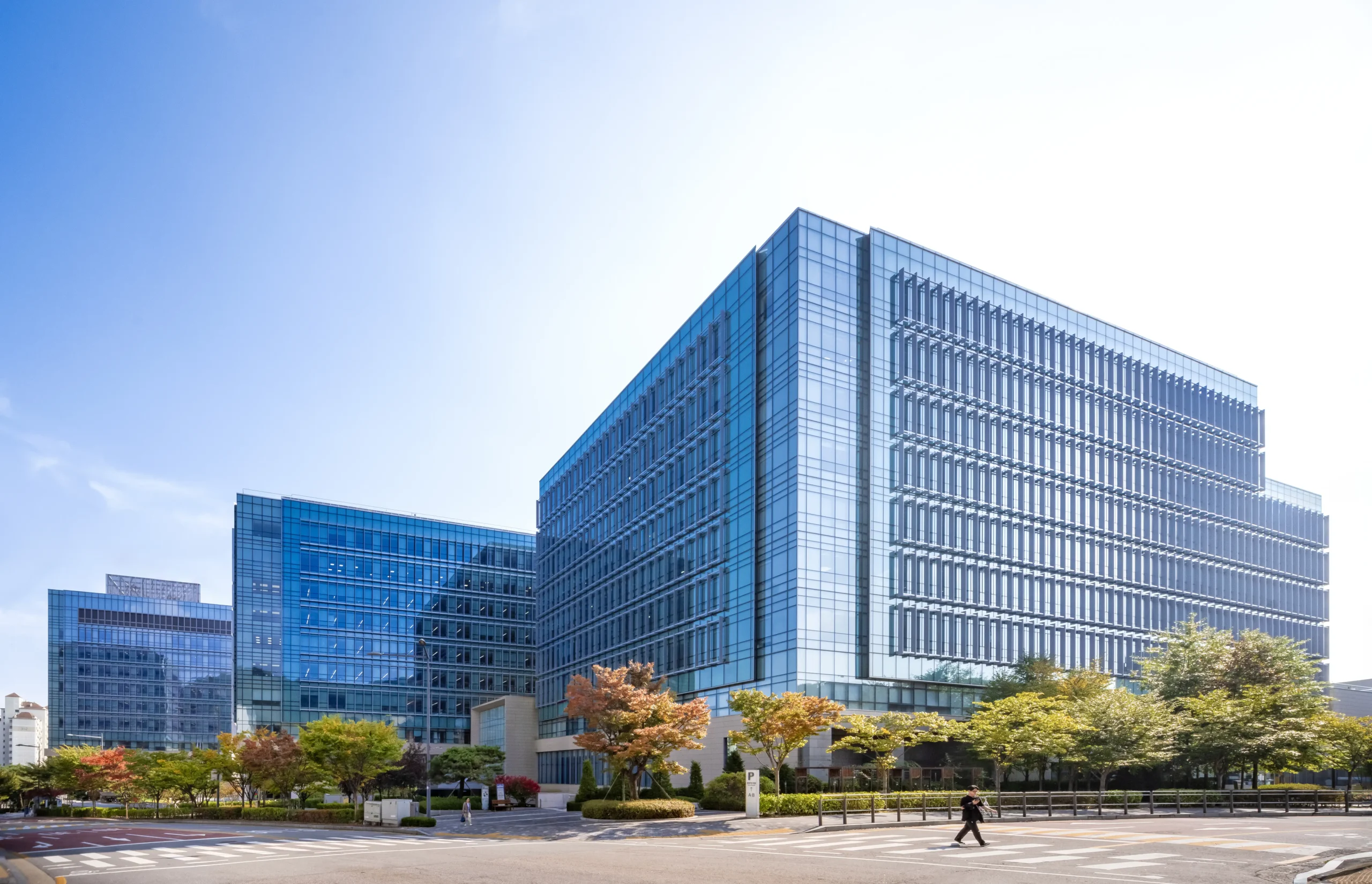
Main image: © Kreisstadt Bergheim. Credit: Supplied.