Donald Trump’s return to the centre of American political life is not just an American story. As trust in institutions declines on both sides of the Atlantic, Britain risks falling into a ‘Trump trap’ where reactive politics replaces effective governance, public anger overrides long-term reform and vulnerable communities are pushed further to the margins, writes Matthew Kayne
British politics often behaves as though it exists in isolation. We debate our own institutions, leaders and policy failures as if the forces shaping our future stop at the edge of our borders.
In reality, they do not.
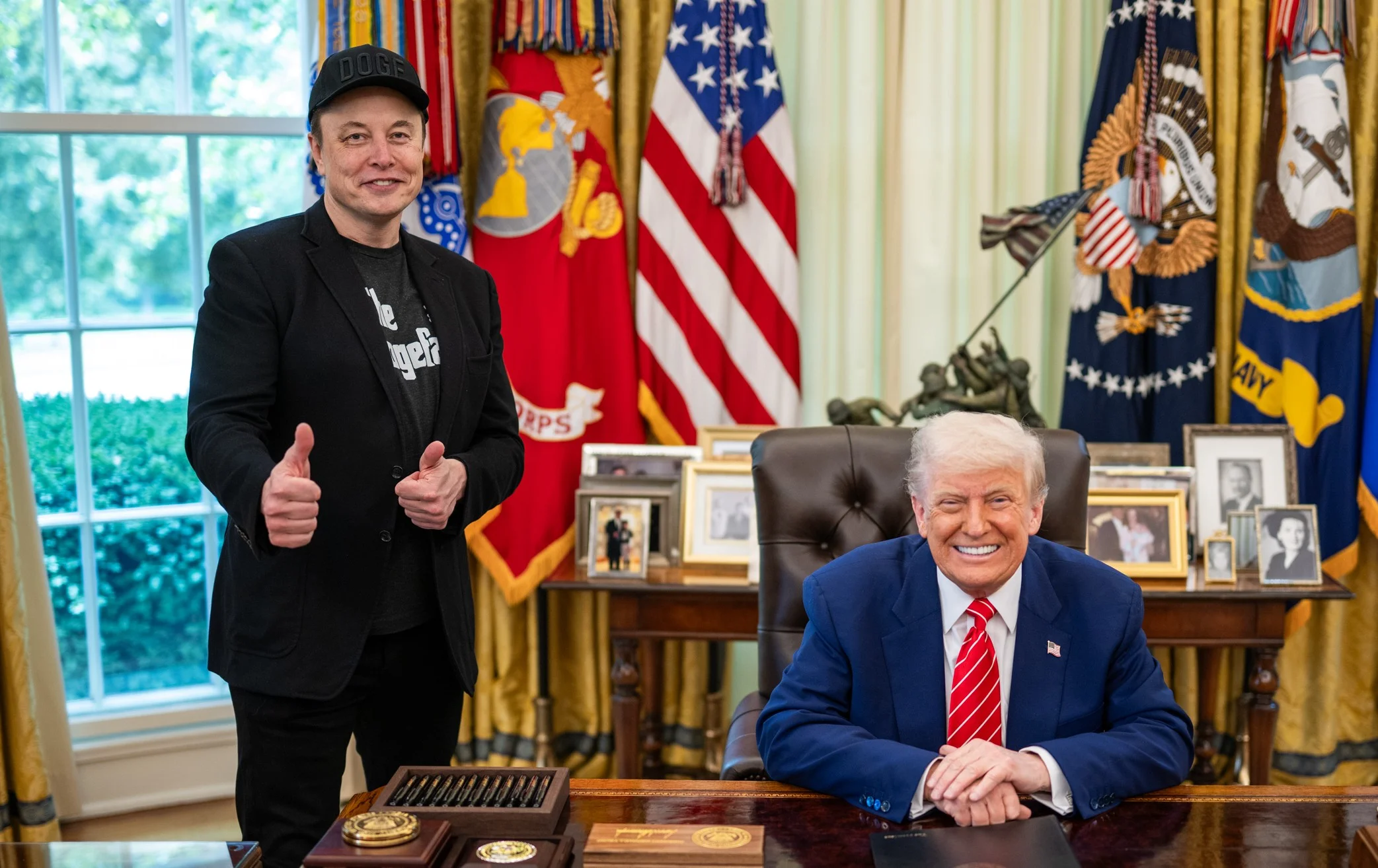
Donald Trump’s return to the centre of American political life is a global story, and for the UK it raises serious questions about political direction, public discourse and the kind of leadership that will define the years ahead.
Because when America shifts, Britain feels it.
For decades, British politics has followed — sometimes subtly, sometimes directly — the tone set by the United States. Not always in policy detail but certainly in political style.
The confrontational, anti-establishment style of politics Trump represents is increasingly shaping expectations of leadership beyond the U.S. Language has hardened, debate has become more polarised and institutions have been questioned more aggressively.
At the same time, the public’s trust in the system has eroded. According to recent Electoral Commission research, only a small minority of Britons (14 per cent) now say they trust politicians, while more than half (54 per cent) believe elected representatives do not care about people like them.
This reflects the situation in America, where trust in institutions has fallen sharply over recent decades. Pew Research has found only a small minority of Americans consistently trust the federal government to do the right thing.
While it is tempting to view Trump as a uniquely American phenomenon, the conditions that enabled his rise exist here in different forms: frustration with public services amid the continued pressure of rising living costs.
Across the UK, people are dealing with higher energy bills, rising food prices, increased rents and household budgets stretched beyond what feels manageable. For many, the problem is no longer simply that life is becoming more expensive but that it is becoming harder to sustain.
And when political systems fail to respond effectively, space opens for more disruptive and confrontational forms of politics to take hold.
Political scientists such as Matthew Goodwin and Roger Eatwell have argued that populist movements grow when large sections of society feel economically insecure, politically ignored and disconnected from mainstream institutions.
Britain is increasingly showing signs of that fragmentation. Support for Reform UK has surged largely through anti-establishment messaging aimed at voters who feel abandoned by Westminster politics.
But the real danger for Britain is not simply the rise of louder political movements but that distrust itself begins changing the behaviour of mainstream politics.
Politics increasingly operates in permanent reaction mode. Governments announce policies before systems are ready to deliver them, then quietly delay or dilute implementation once practical difficulties emerge. Major issues such as social care reform, NHS waiting lists, asylum processing and SEND provision have repeatedly become trapped in cycles of announcement, backlash and partial retreat rather than sustained long-term resolution.
Communication gradually becomes more important than competence, but institutions cannot function effectively this way. Policies are designed around headlines and immediate reaction, civil servants become more risk-averse and ministers prioritise short-term political survival over institutional stability.
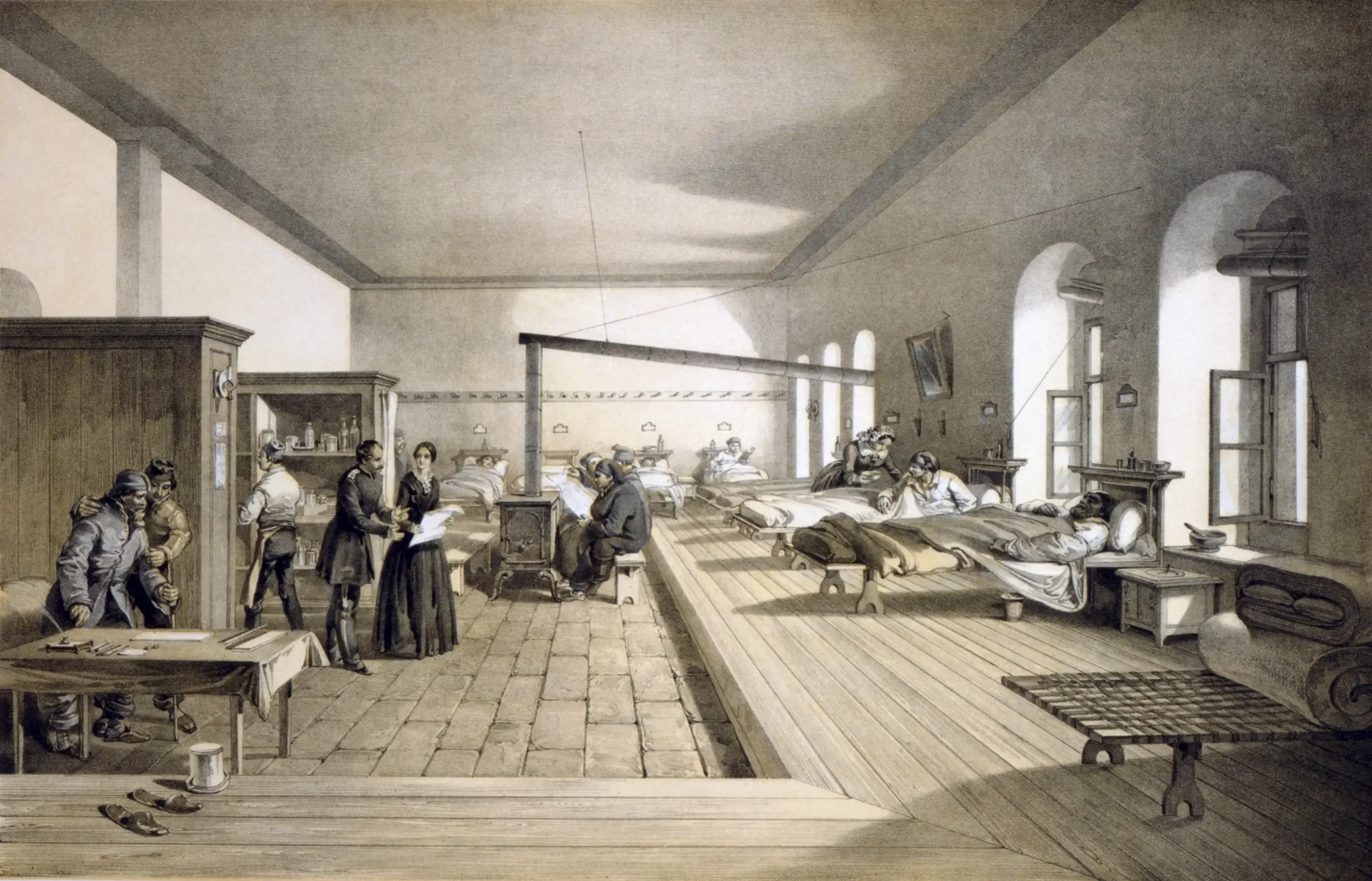
Disabled communities often experience this institutional decline earlier and more severely than the wider population because disabled people rely more heavily on public systems functioning consistently in practice.
For disabled people, policy failure affects independence, employment, mobility, financial security and the ability to participate fully in society. Delayed assessments, inaccessible systems and overstretched support services fundamentally shape their lives.
As someone living with cerebral palsy, I have seen firsthand how quickly confidence in institutions breaks down when services become unreliable, inaccessible or detached from lived reality.
And this is where the comparison with Trump’s America becomes important.
Disabled Americans have repeatedly raised concerns about attempts to weaken disability protections, reduce social support oversight and frame welfare primarily through the language of dependency and cost reduction.
Britain is not the United States, but similar pressures are increasingly visible here too.
Reform UK has advocated significant reductions in public spending and tougher approaches to welfare, while wider political discourse increasingly treats disability support primarily as a financial burden rather than infrastructure enabling participation in society.
This is a slippery slope, because once vulnerable groups are viewed primarily through the lens of cost and resentment, trust between citizens and institutions deteriorates further.
It becomes a self-sustaining negative cycle that dismantles society from the inside. This is the real Trump trap.
The more disconnected people feel from mainstream politics, the more receptive they become to anti-establishment anger and increasingly confrontational styles of leadership. In response, politicians adopt harsher rhetoric and more populist forms of communication in an attempt to reconnect with frustrated voters.
Distrust on both sides — both in Westminster and the streets — pushes all politics into a permanent state of emotional management, where governments become better at responding to anger than solving the conditions creating it. The cycle extends beyond elections and party politics, changing the very fabric of society.
And once that social erosion becomes embedded, building a fair and equal society becomes far harder.
The answer is not simply for politicians to ‘listen more’. It is to rebuild institutional credibility before distrust hardens permanently into political culture.
That means creating systems that are visibly competent, reliable and responsive in people’s daily lives. It means involving disabled communities more directly in policymaking rather than treating them as passive recipients of policy decisions. And it means moving away from a political culture built around constant outrage, symbolic conflict and permanent reaction.
But most of all, it is recognising that the UK is at the edge of a trap, and it only takes a few more missteps to plunge straight into it.

Matthew Kayne is a broadcaster, political campaigner and disability rights advocate who has turned personal challenges into platforms for change. He is the founder and owner of Sugar Kayne Radio, a DAB and online station dedicated to uplifting music and meaningful conversations, and the leader of a national petition calling for reform of the UK’s wheelchair service. Living with cerebral palsy and a survivor of bladder cancer, Matthew channels his lived experience into advocacy, broadcasting, and songwriting. His long-term ambition is to bring this experience into politics as an MP, championing disability rights, healthcare access, and workplace inclusion.
READ MORE: ‘Britain cannot claim to be united while disabled people still feel invisible‘. The government says Britain is becoming fairer, more united and more inclusive. Yet millions of disabled people still face inaccessible housing, overstretched services and political invisibility that leave those promises sounding increasingly detached from reality, writes Matthew Kayne.
Do you have news to share or expertise to contribute? The European welcomes insights from business leaders and sector specialists. Get in touch with our editorial team to find out more.
Main Image: Edmond Dantès/Pexels