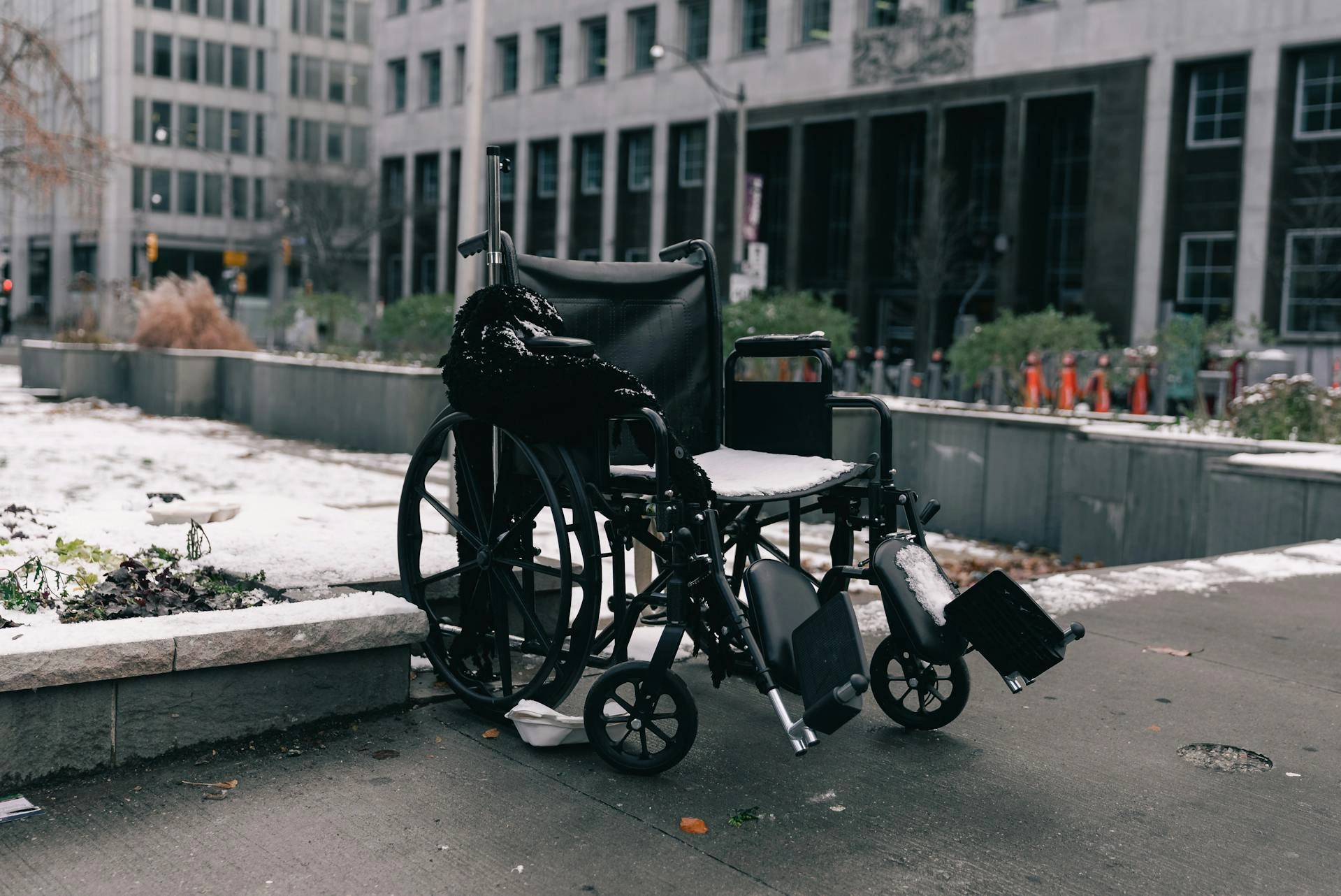
The government says Britain is becoming fairer, more united and more inclusive. Yet millions of disabled people still face inaccessible housing, overstretched services and political invisibility that leave those promises sounding increasingly detached from reality, writes Matthew Kayne
Last week’s King’s Speech was designed to project stability, direction and national purpose after bruising local government election results and growing frustration with political institutions.
Again and again, the language of the speech returned to fairness, community and rebuilding confidence in the country’s institutions. The government spoke about creating a Britain where communities feel safe, where opportunity is shared and where people unite “under our common flag”.
Listening to the debate unfold, I kept returning to a more uncomfortable question: how many disabled people across Britain genuinely feel included within that vision of national belonging?
Because, for many disabled people, the disconnect from politics is experienced daily through inaccessible housing, overstretched care systems, transport barriers, NHS delays and public services that often feel designed around administrative convenience rather than lived reality.
Modern British politics speaks constantly about inclusion, representation and equality. Accessibility language appears regularly in political speeches, consultations and strategy documents.
Yet the fact is that accessibility still sits at the edge of mainstream political debate instead of at the centre of how millions of people experience the country every day. Many within the disabled community continue to encounter systems that feel fragmented, exhausting and difficult to navigate.
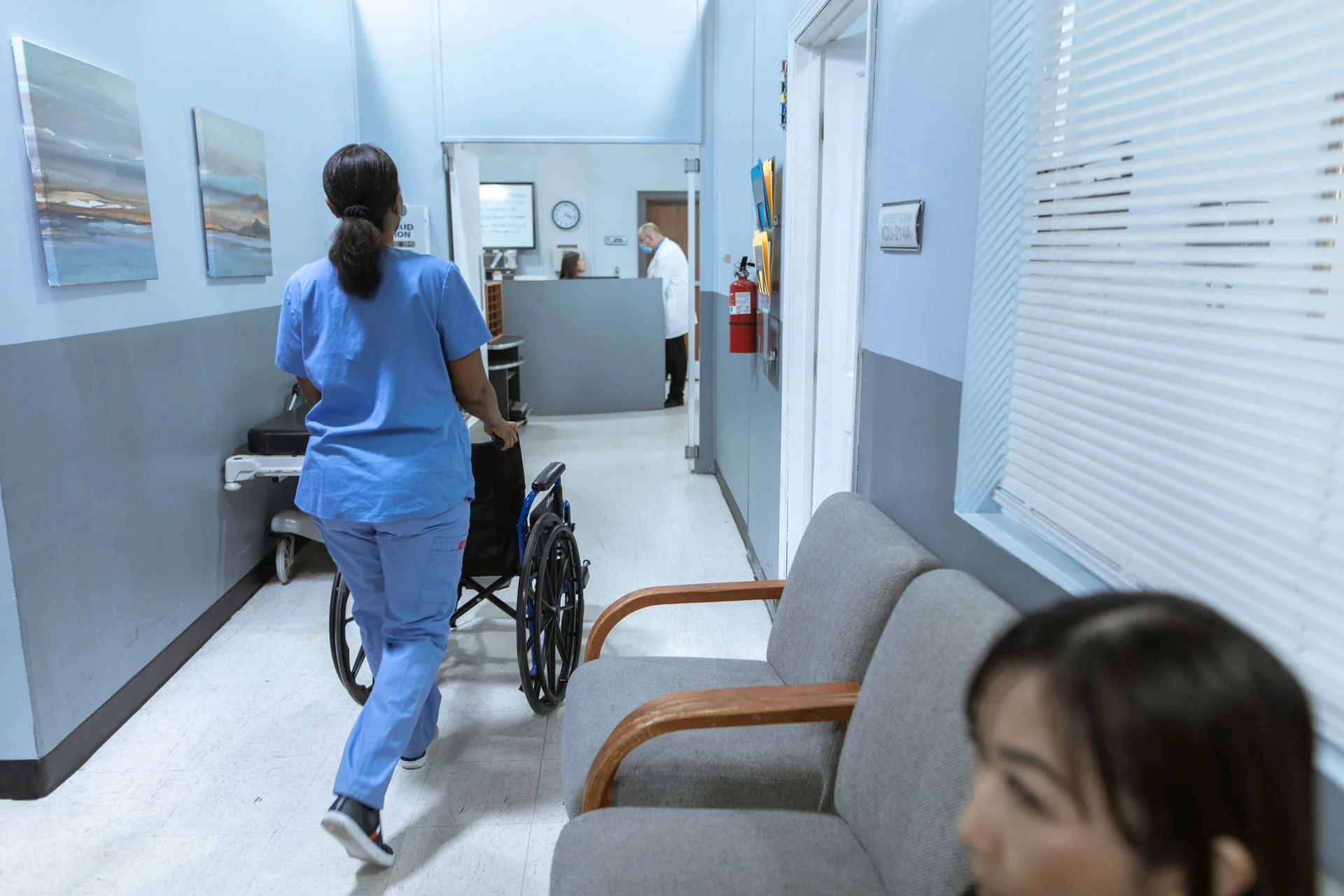
Families battle constantly for support, wheelchair users struggle to find accessible housing, vulnerable patients wait months for appointments or essential equipment, public transport accessibility remains inconsistent across large parts of the country, while local authority support can vary dramatically depending on postcode rather than need.
Over time, those experiences shape whether people feel seen inside the systems governing their lives.
That is one of the deeper political problems Britain is now facing.
Much of the post-election political analysis focused on party performance, tactical voting and Westminster strategy. But beneath the electoral calculations sits a wider public mood of disconnection from political institutions altogether.
For disabled communities, that disconnection is often intensified because public systems shape independence and quality of life in a much more immediate way. Housing becomes critical when accessible homes are in short supply, and transport becomes critical when inaccessible stations determine whether somebody can work, study or participate socially. Healthcare becomes critical when delays affect dignity, mobility and long-term wellbeing, and social care becomes critical when it determines whether people can live independently at all.
These are all pressing issues with significant negative effects but, perhaps, housing provides one of the clearest examples.
Much of the national conversation around housing focuses on affordability, planning reform and housebuilding targets. Of course those issues matter enormously, particularly for younger generations increasingly locked out of home ownership or trapped in unstable rental conditions.
But disabled people often experience the housing crisis through a completely different lens.
The challenge is finding housing that is accessible, adaptable and suitable for independent living in the first place. According to Habinteg Housing Association, only around nine per cent of homes in England currently provide even the most basic accessibility features needed by many disabled people and older residents.
That statistic exposes a deeper structural problem. Housing policy still treats accessibility as optional, despite the impact inaccessible housing has on employment, physical health, mental wellbeing, social isolation, family stability and long-term independence.
These concerns affect a substantial part of the population. Around 16 million people in the UK are disabled according to government figures, representing almost one quarter of the country. Yet accessibility remains peripheral in many mainstream political conversations.
British politics also continues struggling with a lack of genuine lived-experience representation inside decision-making itself. Disabled people remain significantly underrepresented across Parliament, local government, media and wider public leadership, and that absence shapes policy outcomes more than many politicians are willing to admit.
Lived experience changes how problems are understood. It changes priorities, assumptions and the questions being asked in the first place.
As somebody living with cerebral palsy, I know how exhausting it can become constantly navigating environments and systems that were clearly not fully designed with disabled people in mind. That experience changes how you see politics because accessibility stops being theoretical. Housing stops being abstract, healthcare stops being a policy debate and public transport stops being a line item in a spreadsheet. These become daily realities shaping freedom, dignity and independence.
That perspective remains missing from too many of the rooms where decisions are made.
The government clearly understands that confidence in institutions is weakening. That reality sat beneath much of last week’s King’s Speech, even when not stated directly. The emphasis on delivery, rebuilding and reform reflected growing public pressure for institutions that feel competent, responsive and connected to people’s lives again.
But administrative reform alone will not rebuild confidence while communities continue feeling excluded from the systems shaping their lives.
The anxiety surrounding reform runs deeper than concern over policy details alone. Many families no longer trust that reform will improve their lived reality, and once confidence in institutions weakens, even necessary reform can begin to feel threatening rather than reassuring.
Parents fear children losing support, disabled people fear becoming invisible inside restructuring processes, and communities fear ‘efficiency’ becoming another word for reduction.
Those fears have developed through years of difficult interactions with systems already viewed as overstretched and inconsistent.
People regain trust in institutions when they feel recognised within them. Confidence grows when lived experience is reflected inside policymaking itself and when accessibility is treated as part of mainstream national life rather than a secondary policy concern.
If Britain wants to speak seriously about fairness, shared belonging and communities united under a common flag, disabled people cannot continue feeling politically invisible within the systems shaping everyday life.
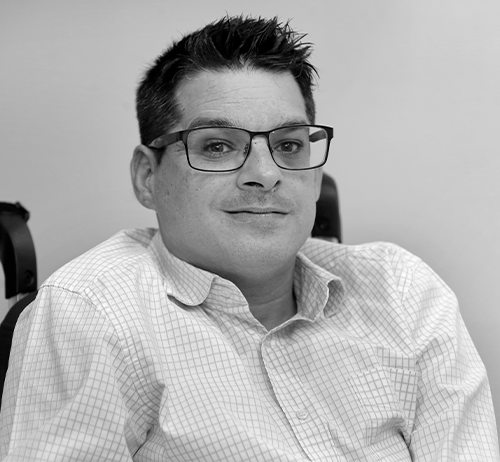
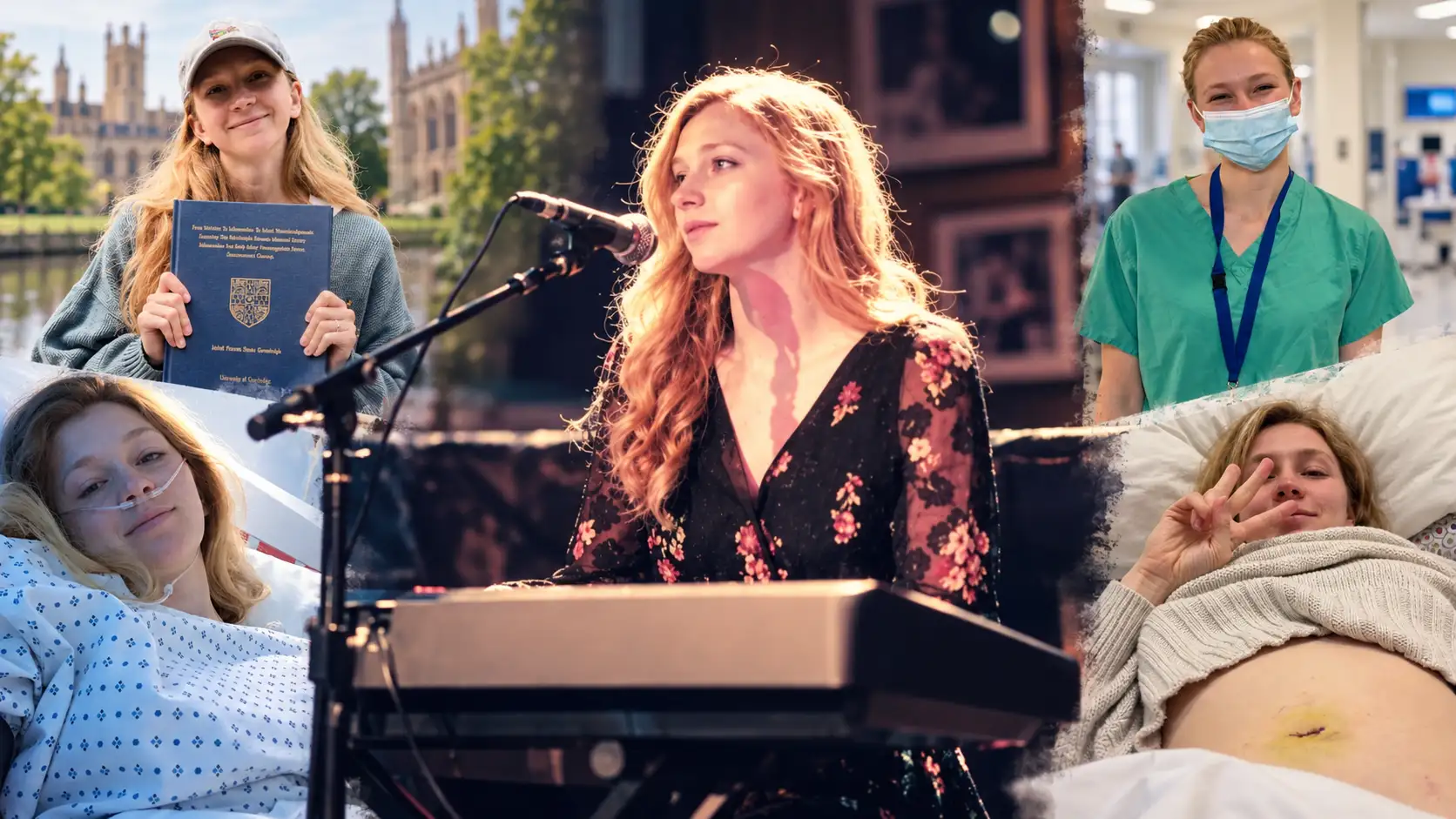
Matthew Kayne is a broadcaster, political campaigner and disability rights advocate who has turned personal challenges into platforms for change. He is the founder and owner of Sugar Kayne Radio, a DAB and online station dedicated to uplifting music and meaningful conversations, and the leader of a national petition calling for reform of the UK’s wheelchair service. Living with cerebral palsy and a survivor of bladder cancer, Matthew channels his lived experience into advocacy, broadcasting, and songwriting. His long-term ambition is to bring this experience into politics as an MP, championing disability rights, healthcare access, and workplace inclusion.
READ MORE: ‘Who gets to belong in British politics?‘. Stories like that of Liberal Democrat candidate Darius Nasimi are often presented as proof that British politics is becoming more open and representative. But while individual stories matter, they can also expose how difficult political access still is for those from underrepresented or disabled backgrounds, writes Matthew Kayne.
Do you have news to share or expertise to contribute? The European welcomes insights from business leaders and sector specialists. Get in touch with our editorial team to find out more.
Main Image: Erik Mclean/Pexels