European supporters arriving for the 2026 World Cup have found a country shaped by scale, hospitality, food and civic pride, with the tournament giving visitors a first-hand experience of everyday America beyond the impressions formed by politics, television and social media, writes Jing Zhao Cesarone
There is a line making the rounds among European travel creators this summer, and it has stuck because it is so exactly right: coming to America right now feels like a sleepover at a big, loud, generous friend’s house.
You arrive expecting the version of them you’ve heard about for years – the one from the news, the memes, the arguments at dinner parties. And then you actually stay the night, and the house is warmer than you thought, the fridge is fuller, and the friend keeps introducing you to people who want to know your whole life story before they’ll let you leave the room.
This summer, that sleepover has 48 national teams, 16 stadiums, and a scoreboard.
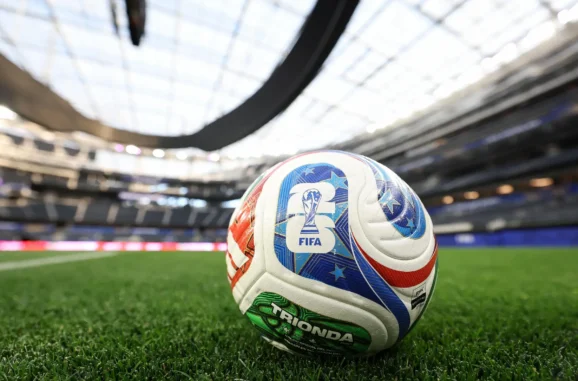
The 2026 FIFA World Cup – the biggest in the tournament’s history, spread across the United States, Mexico, and Canada – has done something that a decade of diplomatic communiqués could not: it has put ordinary Europeans inside ordinary American cities, for weeks at a time, with nothing to do but wander, eat, and wait for kick-off. And what they are finding, again and again, is a country that does not match the picture they packed in their suitcase.
Nowhere has the gap between expectation and experience been wider than in Texas, which is hosting more World Cup matches than any other state in the country. Dallas Stadium in Arlington and Houston’s stadium have carried a combined 16 matches between them, including knockout rounds and a semi-final – and European fans arriving for a football match have found themselves, almost by accident, on the receiving end of a geography lesson.
The scale is the first shock. European visitors are used to distances measured in train stops; here, “nearby” can mean a 90-minute drive that Texans describe, without irony, as just up the road. The stadiums themselves compound the effect – Dallas Stadium is large enough, fans are fond of pointing out, to fit the entire Statue of Liberty inside it with the roof closed. Standing in a parking lot the size of a small European town, watching tailgate grills fire up hours before kick-off, more than one visiting supporter has said some version of the same thing: nobody had told them it would feel this vast, or this open.
And then there is the food. The clichés about American cuisine – the ones that travel well on European television – do not survive contact with a Texas smokehouse. Fans making the rounds of Dallas’s Deep Ellum and Bishop Arts District, or Houston’s sprawling food scene, have been discovering brisket smoked for 12 hours, barbacoa, and a Tex-Mex tradition that owes as much to Mexico City as to Texas itself. It is not fast food. It is slow, deliberate, and – to the visible surprise of European palates primed for disappointment – genuinely excellent.
If there is one word that recurs, unprompted, across dozens of European accounts of this World Cup, it is friendly – used not as polite observation but as something closer to bewilderment. Visitors describe strangers striking up conversations in stadium queues, offering rides, insisting on paying for a round of drinks because a guest is “new in town.” It is a version of hospitality that many Europeans associate with small towns, not with major cities hosting a global event – and it has landed as one of the tournament’s quiet revelations.
Part of this is simply the nature of a World Cup on home soil: Americans are hosting, and hosting well is a point of pride. But the fans who have spent real time here – not just a match day, but a week wandering Fair Park in Dallas or the fan zones threading through Houston and Atlanta – describe something that outlasts tournament etiquette. It is curiosity. Americans, they say, ask questions. Where are you from, what do you think of it here, what does your country think of us. It is the opposite of indifference, and for visitors raised on a media diet of American self-absorption, it does not compute at first. Then it becomes the best part of the trip.
The timing has made all of this sharper. This World Cup summer overlaps directly with the 250th anniversary of American independence – a milestone the country has been marking all year with flags, festivals, and an unmistakable surge of civic sentiment. More than 1 million international visitors are estimated to have crossed into the U.S for the tournament, and the coincidence of dates has turned the country’s own birthday party into an accidental global one: Americans didn’t just celebrate turning 250, they did it with a house full of foreign guests, which by most accounts made the party better. European visitors who expected a subdued, apologetic patriotism, chastened by years of political turbulence, have instead found bunting on Main Streets, fireworks over stadium car parks, and a Fourth of July that landed squarely inside the tournament’s group stage like a second kick-off whistle.

For many Europeans, whose own relationship with overt national pride is more complicated and more self-conscious, the sheer unselfconsciousness of it is startling. This is not patriotism performed defensively. It is patriotism performed as celebration – closer to a family reunion than a political statement – and World Cup crowds have absorbed it into the general mood of the tournament rather than treating it as a jarring note. Chanting for Portugal or Morocco one night, then watching a small-town fireworks display the next, visitors have found the two forms of pride sitting comfortably side by side.
None of this erases the real and serious debates happening inside the U.S, and no honest dispatch should pretend otherwise. But there is a difference between a country’s headlines and a country’s front porch, and this World Cup has put thousands of Europeans on the porch for the first time in years.
The image many carried across the Atlantic – of a nation defined by its arguments, its extremes, its exhausting news cycle – has not been so much refuted as quietly set aside for a few weeks, replaced by something more immediate: a stranger who bought them a beer, a stadium security guard who taught them a phrase in Texan English, a family that invited them to a backyard barbecue after meeting them 20 minutes earlier at a fan zone. It is a reminder of something worth putting in print, precisely because it is so easy to forget: the media covers what is loud and unresolved, not what is quiet and kind, and a country’s daily texture rarely makes the evening bulletin.
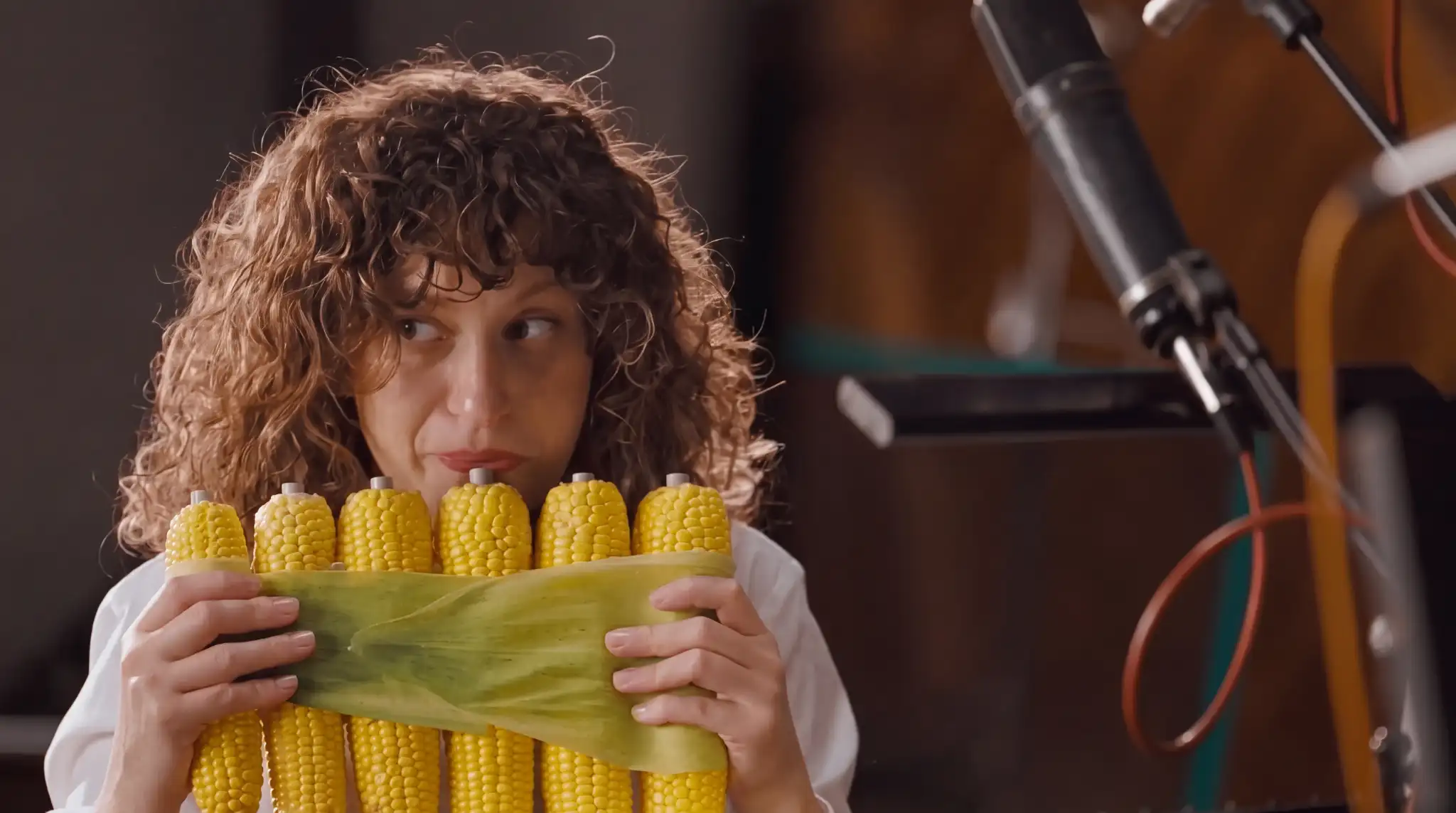
That sleepover line captures something true about this whole tournament. One YouTuber turned the idea into a song – strangers from different countries trading stories and tunes, nobody quite ready for the night to end, becoming friends before they had even learned to pronounce each other’s names. Her closing message is the one worth carrying home: that the world felt, for a few weeks, like it was healing together – the same hope expressed in a dozen languages, the whole planet gathered under one roof – and that maybe countries should hold sleepovers like this more often. A sleepover is intimate in a way a hotel stay is not. You see the house with the lights on and the guard down – the actual rhythm of a family’s evening, not the version prepared for company. That is what six weeks of World Cup travel has given Europeans this summer: not a curated tour of American landmarks, but an accidental, sprawling, slightly chaotic house-stay in a country three time zones and one ocean away from home.
The final whistle in New Jersey on July 19 will send the visiting fans back to their own cities, their own routines, their own newspapers. But something will travel back with them that a headline never could: the taste of 12-hour brisket, the particular quality of Texas heat at dusk, the memory of a stranger who wanted to know their whole story before letting them go. If this World Cup has done anything for the relationship between Europe and America, it may be this – it turned an abstraction into a house with the porch light on, and left the door open long enough for a few million guests to notice.

Jing Zhao Cesarone is an author, leadership thinker and founder of the Global CSR Foundation, a U.S.-registered nonprofit established in 2018 to advance sustainable development, responsible leadership, women’s empowerment and cross-sector partnerships aligned with the United Nations Sustainable Development Goals. She writes for The European on climate change, women’s leadership, responsible business, sustainability, social impact and the changing role of leadership in a more interconnected world.
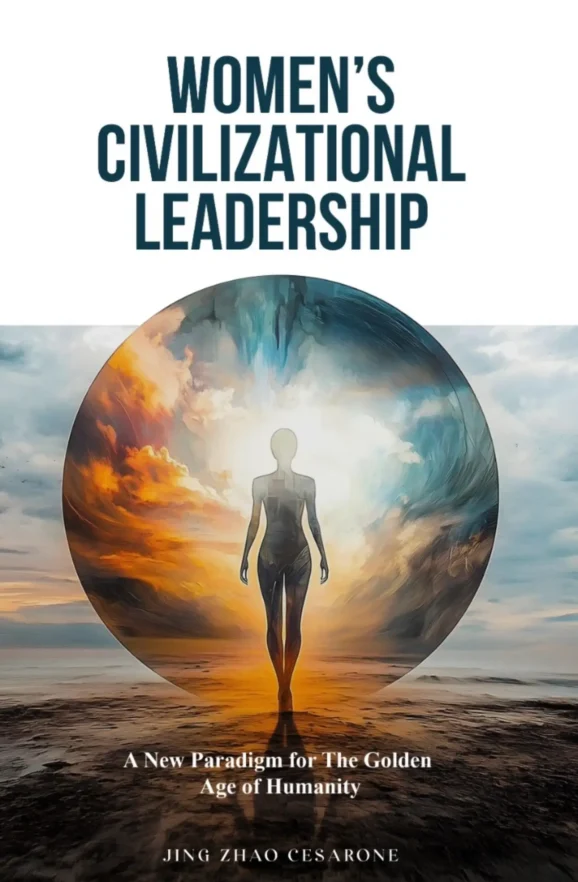
Her book, Women’s Civilizational Leadership: A New Paradigm for the Golden Age of Humanity, is available on Amazon or from www.jingzhaocesarone.com
READ MORE: ‘Buffett succession moment frames investor talks on long-term value‘. Global CSR Foundation’s Omaha Dialogue brought investors together during Berkshire Hathaway’s annual meeting to examine value investing, sustainability, AI disruption and the growing financial power of women.
Do you have news to share or expertise to contribute? The European welcomes insights from business leaders and sector specialists. Get in touch with our editorial team to find out more.