Artificial intelligence could transform music-making for disabled artists, giving them greater independence over writing, recording and producing their work. Yet accessibility problems with existing AI software threaten to exclude those who could benefit most. Music technology companies must involve disabled musicians in designing their products to ensure the AI revolution is accessible to everyone, says Matthew Kayne
Artificial intelligence is transforming the music industry. From software that can generate songs in seconds to tools that assist with recording, production and promotion, AI is challenging traditional ideas about creativity and what it means to be a musician.
For some artists, this represents an exciting technological revolution. Others have serious concerns about copyright, originality and the future of human creativity.
But one aspect of this debate deserves far greater attention: could artificial intelligence help disabled musicians achieve creative independence and professional opportunities that have previously been difficult to access?
As someone born with cerebral palsy who has used a wheelchair throughout my life, I believe this question to be of enormous importance. I’m an independent recording artist and my songs, including Free Like a Bird and Look at Me Now, reflect my personal experiences, emotions and determination to overcome adversity.
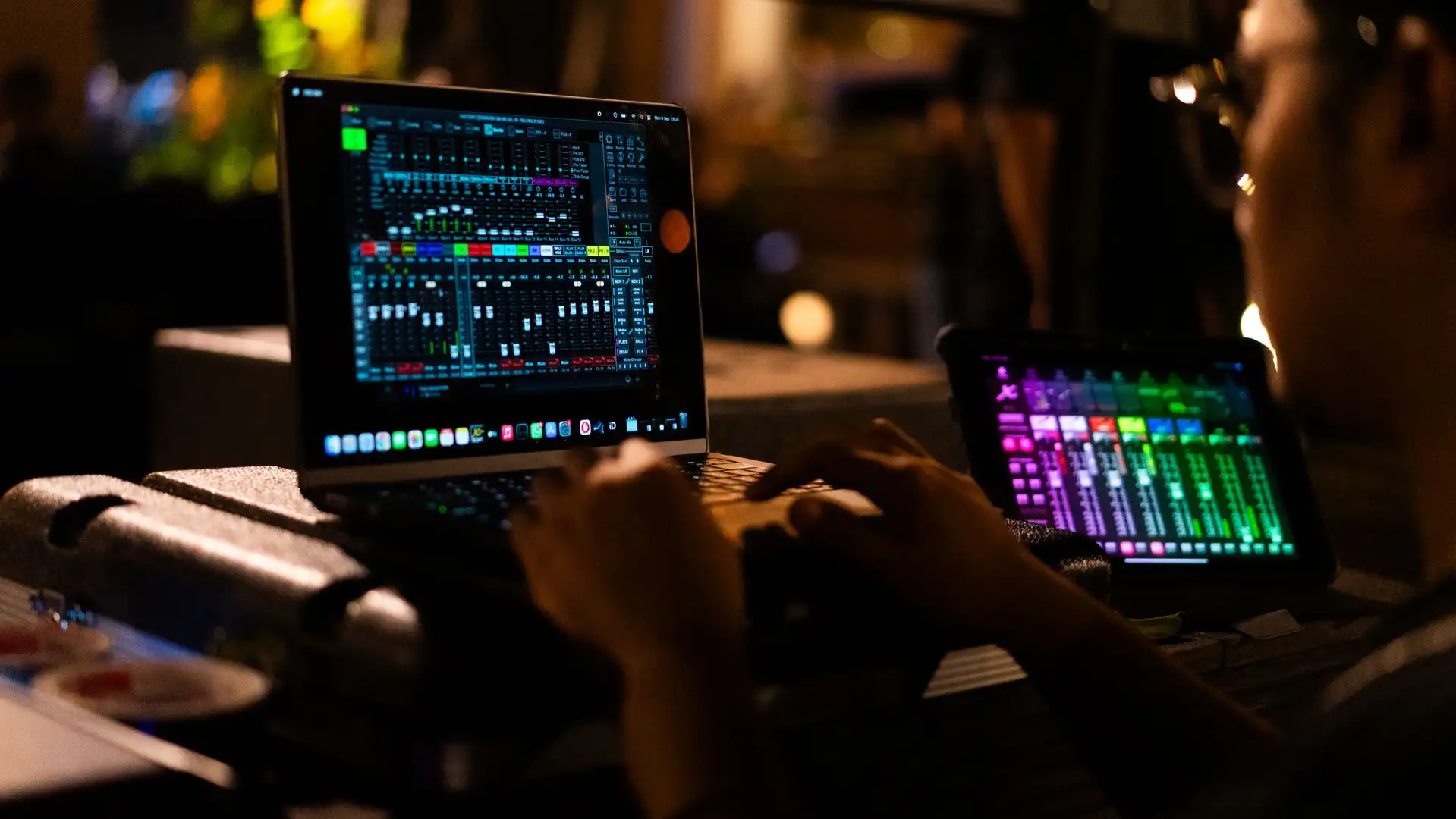
AI can already assist with audio editing, separating instruments and vocals, creating demonstrations, analysing recordings and generating musical ideas. For established producers, these tools may save time and simplify technical processes. For disabled musicians, however, their potential significance could be much greater.
For someone with restricted mobility, conventional music production can involve relying on other people to operate equipment, make adjustments or complete technical tasks. That support can be invaluable but accessible technology could allow musicians to make more decisions independently.
Imagine a songwriter with limited hand movement who struggles to operate a conventional keyboard or recording console. Voice-controlled software and AI-assisted production tools could make it easier for them to edit recordings.
A musician who cannot easily travel to recording studios could use accessible digital tools to collaborate with producers remotely. Speech recognition could make it easier to capture lyrical ideas while someone who experiences difficulties with conventional music notation might benefit from technology that translates sung or played ideas into editable musical arrangements.
Of course, every disability presents different challenges, and many AI systems still require complex interfaces, expensive subscriptions or considerable technical knowledge. Even so, emerging technology could allow more musicians to participate directly in the creative process.
Living with cerebral palsy has taught me the importance of independence and having control over my own decisions. My music is an extension of that independence. It allows me to communicate experiences that have shaped my life and share messages that I hope will inspire other people.
I would never want technology to replace the personal meaning behind my songs. But if emerging tools can help disabled musicians translate their own ideas into professional recordings more easily, that’s something worth supporting.
A 2023 survey by PRS for Music, involving more than 1,400 members, found that 29 per cent were already using AI for music-related activities, while 55 per cent said they would or might use it in the future.
At the same time, 74 per cent were concerned about AI-generated music competing with human compositions, 93 per cent believed creators should receive compensation when their music is used to generate AI content, and 89 per cent wanted transparency about how AI systems produce music.
Musicians invest years developing their abilities and identities, pouring their heart and soul into songs. If AI systems reproduce an artist’s distinctive sound or imitate their voice without permission, questions arise about ownership, consent and fair payment.
But there is a fundamental difference between using software to improve a recording and allowing an AI system to reproduce another artist’s voice or compositions without authorisation.
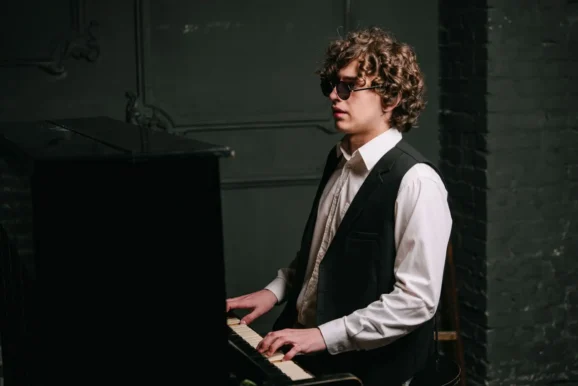
AI-assisted music should not automatically be dismissed as less authentic. If a disabled musician writes the lyrics, develops the melody, makes the artistic decisions and uses technology to overcome physical barriers, their creative contribution should be recognised. What matters is who created the artistic vision, whether other people’s rights were respected and who retains control of the work.
So my message to any disabled musician is to embrace AI. If used as a tool instead of a replacement for creativity, the results could be transformative.
And I urge music technology companies to involve disabled musicians directly when designing software, recording equipment and AI-powered production tools. Products should support accessible controls, assistive technologies, adaptable interfaces and different methods of interaction.
At present, this is not always the case. For example, a 2025 review by the American Foundation for the Blind found that Suno, a popular AI music-generation platform, presented difficulties for blind users, including poorly labelled controls, an inaccessible volume control and functions that required complicated workarounds when using a screen reader.
Developers should also consider affordability. A tool that requires expensive hardware or a costly monthly subscription may remain inaccessible to many of the disabled musicians who could benefit most.
Record labels, artist-development organisations and music educators have responsibilities too. They should provide opportunities for disabled musicians to learn about emerging technologies, experiment with accessible equipment and develop professional skills while retaining control over their creative work.
For when it comes to the disabled music community, the term ‘AI revolution’ is actually justified. It could help more disabled musicians develop their abilities and compete professionally –provided the industry is prepared to recognise and support the talent that emerges. Otherwise, technological progress could simply make music production faster while leaving existing inequalities untouched.
As a disabled musician, I don’t want a computer to tell my story for me, but I do want the freedom, tools and opportunities to be able to tell it myself.
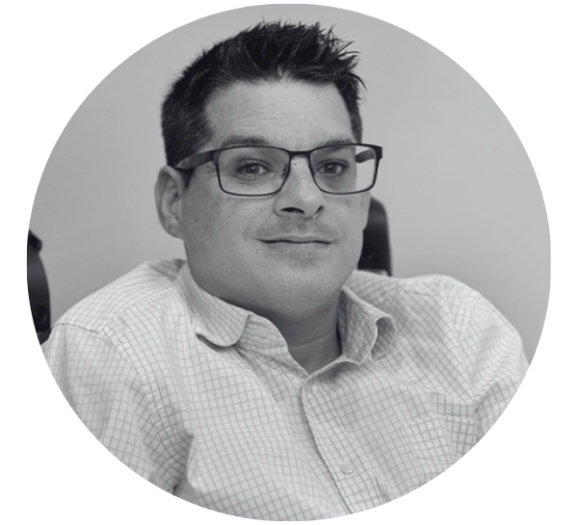
Matthew Kayne is a broadcaster, political campaigner and disability rights advocate who has turned personal challenges into platforms for change. He is the founder and owner of Sugar Kayne Radio, a DAB and online station dedicated to uplifting music and meaningful conversations, and the leader of a national petition calling for reform of the UK’s wheelchair service. Living with cerebral palsy and a survivor of bladder cancer, Matthew channels his lived experience into advocacy, broadcasting and songwriting. His long-term ambition is to bring this experience into politics as an MP, championing disability rights, healthcare access and workplace inclusion.
READ MORE: If I were Chancellor, disabled people’s independence would be at the heart of the Budget. The Autumn Budget has offered UK households welcome help with bills but, according to Matthew Kayne, the Chancellor has missed an opportunity to address the extra costs and inadequate services that leave millions of disabled people struggling for independence. A dedicated NHS wheelchair fund, better social care and targeted financial support should be priorities, he says.
Do you have news to share or expertise to contribute? The European welcomes insights from business leaders and sector specialists. Get in touch with our editorial team to find out more.
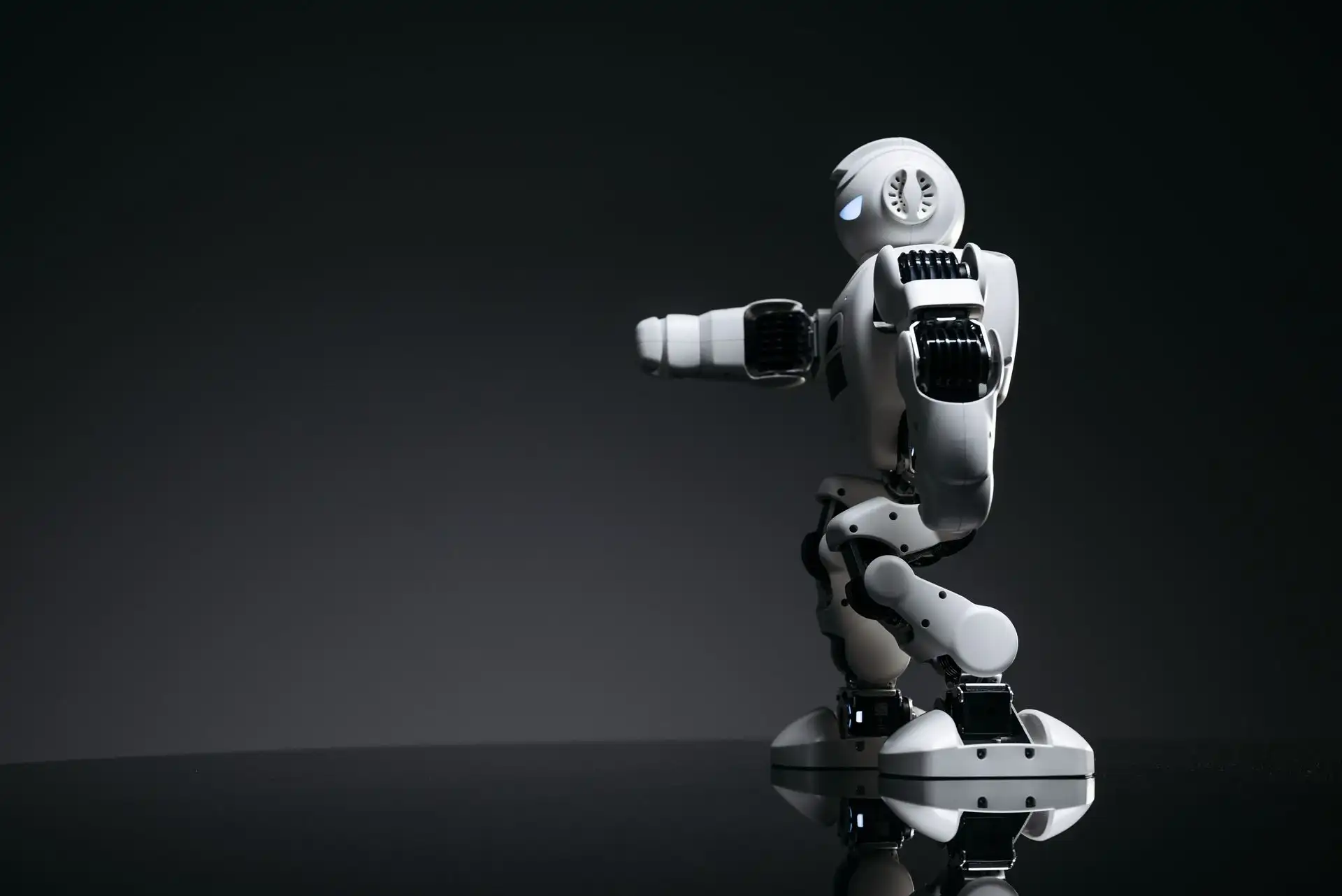
Main Image: gabriel bodhi / Pexels