
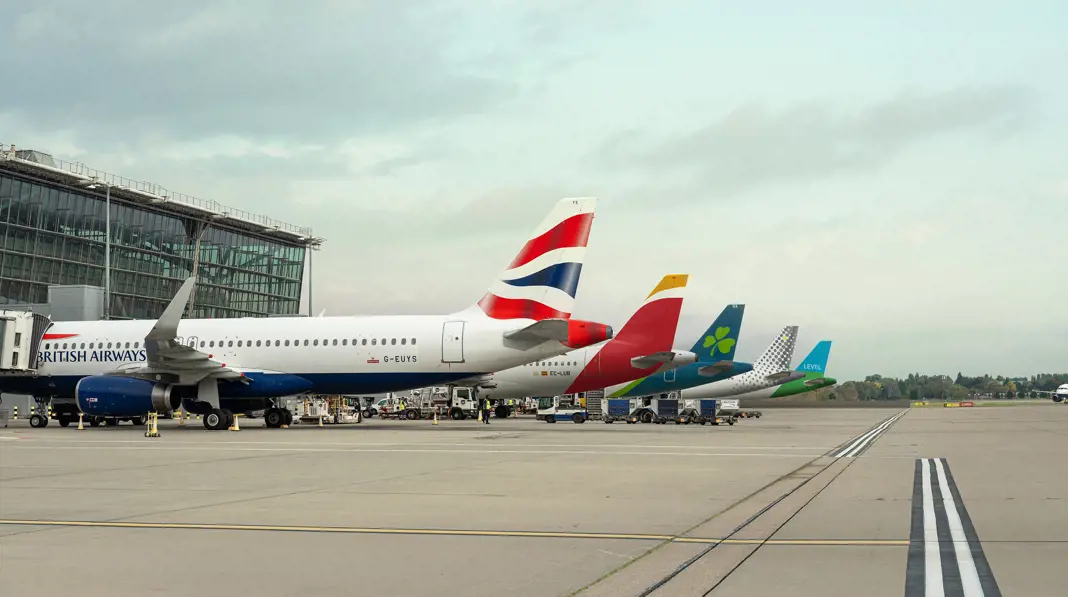
The chief executive of BA’s parent company has warned that rising environmental costs could force up air fares and leave European airlines struggling to compete with international rivals, as ministers consider changes to UK sustainable aviation fuel requirements
The boss of British Airways’ parent company has warned that increasingly expensive environmental regulations could “kill European aviation”, as airlines face billions of pounds in additional costs and growing pressure to meet green fuel targets.
Luis Gallego, the chief executive of International Airlines Group (IAG), which owns British Airways, Iberia and Aer Lingus, said European carriers risked being placed at a serious disadvantage against international competitors because of the speed and cost of new environmental requirements.
Speaking to the Financial Times, Gallego questioned whether sufficient quantities of sustainable aviation fuel (SAF) would be available to meet the targets imposed on airlines.
“We have mandates for things that do not exist,” he said.
His warning comes as the UK Government considers changes to parts of its SAF mandate following concerns that fuel production is failing to keep pace with regulatory requirements.
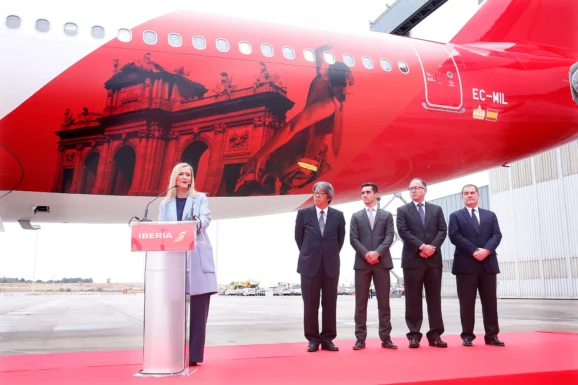
The aviation industry has warned that the existing rules could impose a combined £2 billion in additional costs on British airlines by the end of the decade, with passengers potentially facing higher ticket prices as a result.
Under the UK’s SAF mandate, introduced in January last year, sustainable fuel must account for 3.6 per cent of total jet fuel demand in 2026. The requirement increases to 5.2 per cent in 2027 and 10 per cent by 2030.
European Union rules are less demanding over the same period, requiring a minimum SAF share of two per cent from 2025, rising to six per cent in 2030.
The difference has prompted concerns that British airlines could face substantially higher operating costs than their European competitors, particularly as more expensive forms of sustainable fuel become mandatory.
The Department for Transport launched a call for evidence in June examining whether sufficient quantities of advanced sustainable aviation fuel would be available to meet future obligations.
The review focused partly on restrictions due to take effect in 2027 on the proportion of SAF that can be produced from materials such as used cooking oil and animal fats.
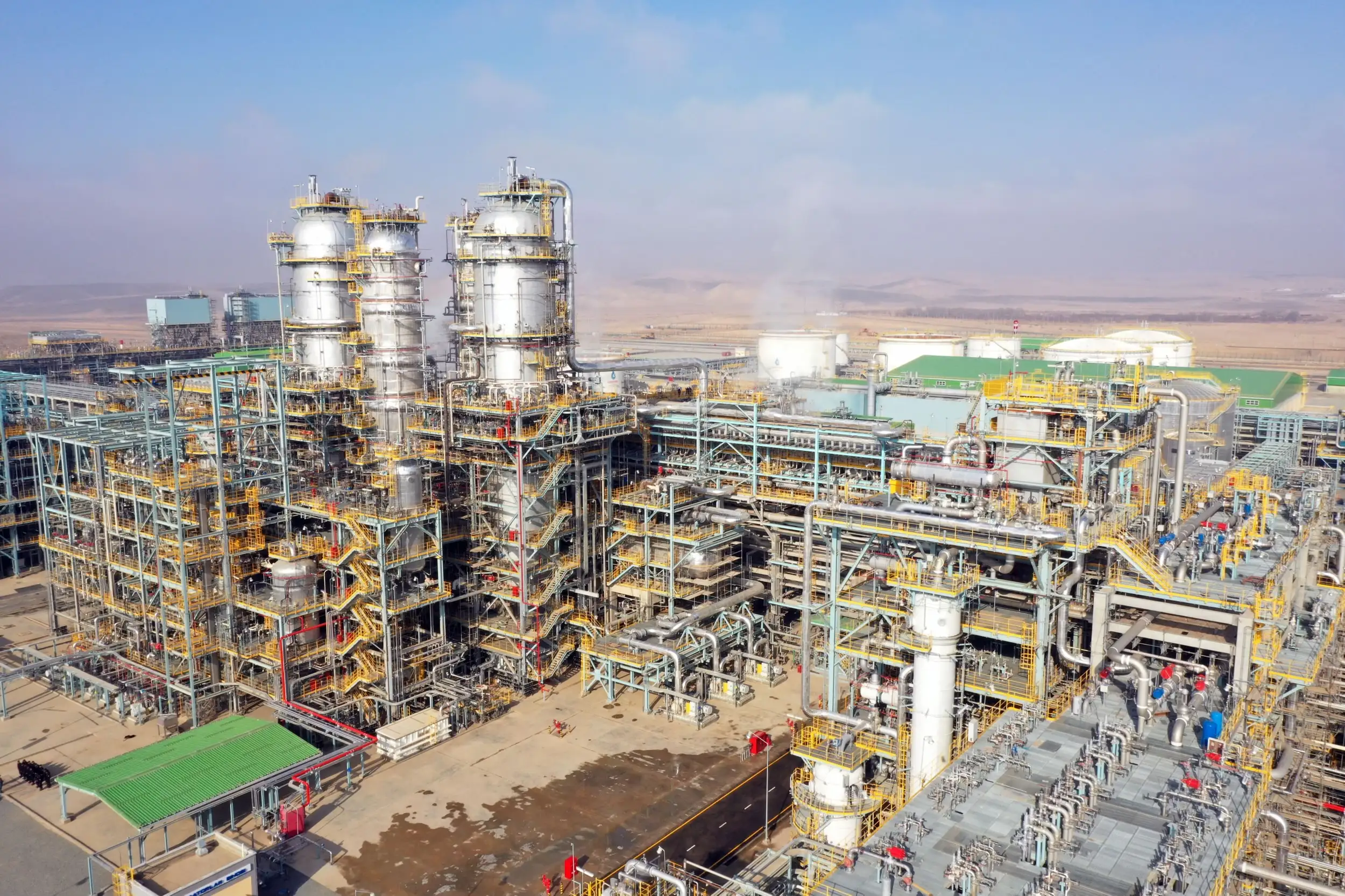
These restrictions are intended to encourage investment in newer production technologies, including synthetic fuels manufactured using electricity. But the Government acknowledged that more advanced alternatives were not yet being produced in significant quantities.
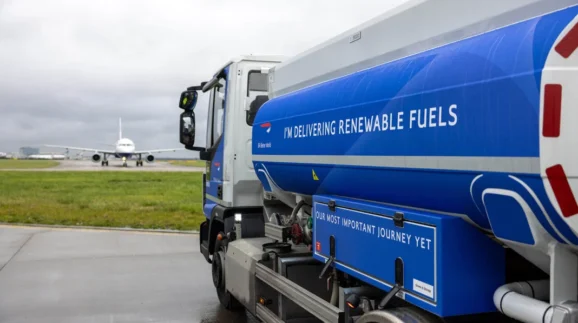
Airlines UK, the trade association representing British carriers, has already warned that imposing requirements beyond available fuel supplies could lead to additional costs and weaken the industry’s international competitiveness.
According to figures reported by Argus Biofuels and cited by the Financial Times, developers and lenders expect European synthetic aviation fuel production capacity to reach between 40,000 and 80,000 tonnes annually by 2030.
This compares with an estimated 640,000 tonnes needed each year to satisfy the EU’s synthetic fuel requirements.
READ MORE: Could THIS be the future of cheap flying? World’s largest electric aircraft uses just $5 of power. Heart Aerospace says its record-breaking 27-minute test flight could pave the way for cheaper, cleaner regional flights as it develops a 30-seat hybrid-electric airliner for commercial service.
Do you have news to share or expertise to contribute? The European welcomes insights from business leaders and sector specialists. Get in touch with our editorial team to find out more.
Main image: Aircraft from British Airways and other IAG airlines line up at an airport as the group’s chief executive warns that rising environmental costs could leave European carriers struggling to compete with international rivals. Credit: IAG