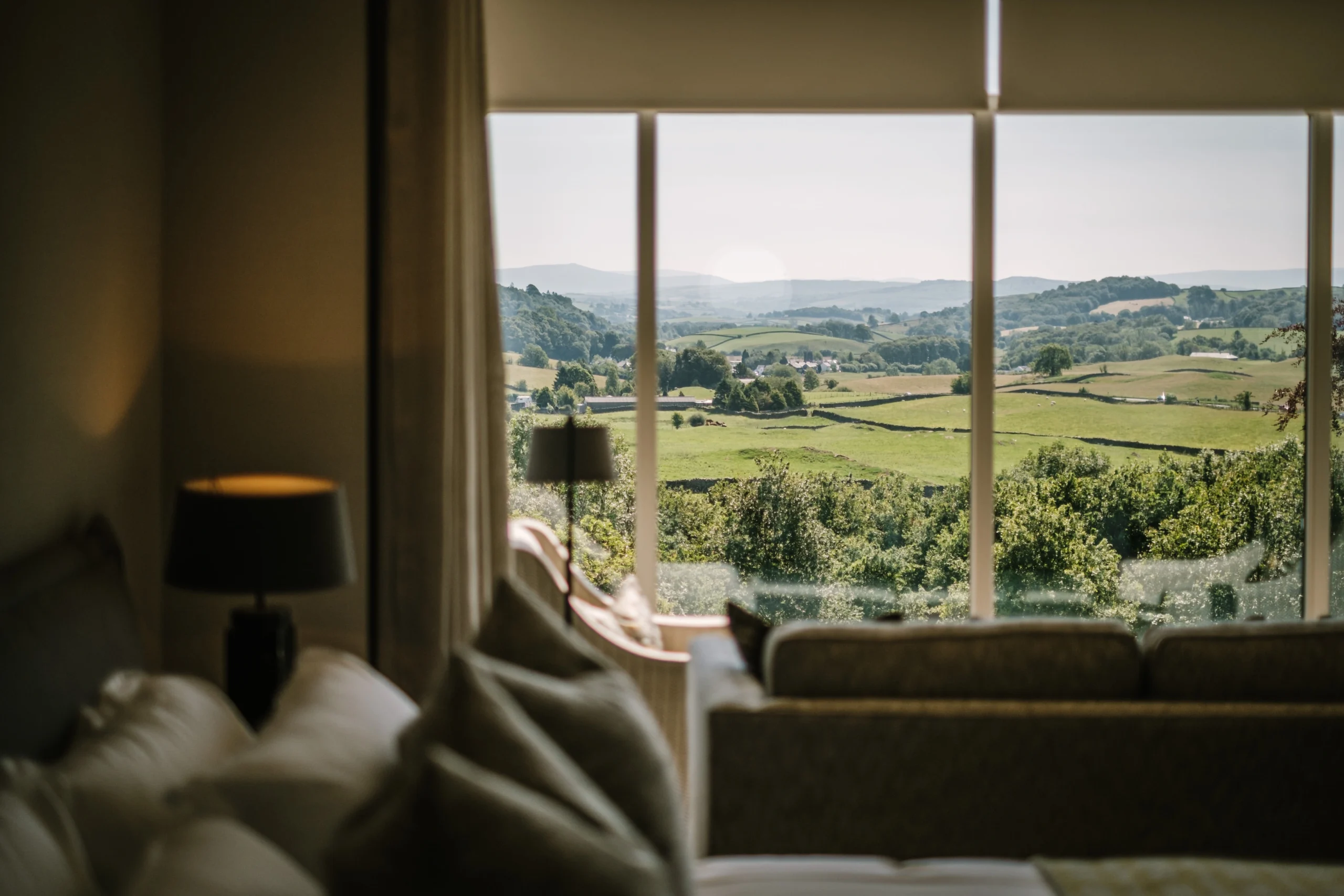
With more Britons choosing to holiday closer to home, hospitality entrepreneur and The European’s Travel, Hospitality & Culture correspondent Deborah Lyon explores why staycations are no longer seen as second best
Everywhere we look, doom-laden headlines abound. Whether it’s global uncertainty over conflicts, jet fuel prices soaring higher than a Dreamliner or interminable queues for fingerprint machines to access the borders of our closest European neighbours, international travel feels increasingly pricey and stressful.
So, is 2026 the year of the staycation for the UK?
If you’re contemplating staying put this summer, you aren’t alone. More than 25 million Brits are skipping foreign holidays in favour of domestic getaways, with the Lake District, Peak District, Devon and Cornwall ranked the most sought-after spots. According to a survey by the leading website, holidaycottages.co.uk, Travel trends report: UK staycations, 61 per cent of adults are now more likely to choose a staycation this year than last.
With the UK staycation market valued at £25.3 million in 2025 and a projected CAGR of 6.1 per cent per annum, this sector is a serious contributor to the UK economy. Every stay in a local holiday cottage brings additional custom to local restaurants, cafes and pubs, to village shops, museums, galleries and other attractions, as well as creating employment for those who manage, maintain and clean the properties. And as the cost of living continues to rise, more consumers prefer their own backyard for a summer holiday.
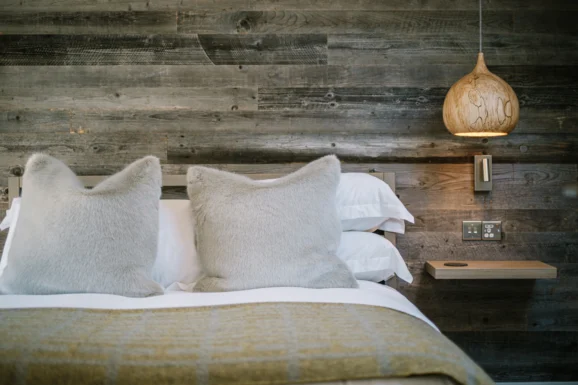
There are a few trends we’ve spotted coming to the fore this year. Increasingly, people are looking for breaks that fit their everyday lifestyles and routines, alongside higher expectations from their accommodation. “Relaxed luxury” is the name of the game, with a focus on quality. Hotel-level fixtures and fittings, such as crisp cotton bedsheets, thoughtful design, clever storage, fast Wi-Fi, Smart TVs, powerful showers, EV chargers, eco-toiletries, coffee machines and so on are no longer ‘nice to have’ but expected as the norm. And quite right too.
Across the self-catering space, luxury accommodation is in demand as people seek quality places to lay their heads and spend their cash. The whole sector is raising its game, and staycations are no longer seen as second best to a foreign break. Research suggests that this shift is being driven not simply by convenience or cost. According to the Travel Trends Report, a third of Brits say their reason for choosing a staycation is to “explore the UK”, with 71 per cent of those travellers wanting to discover new places and almost half (49 per cent) seeking unique experiences.
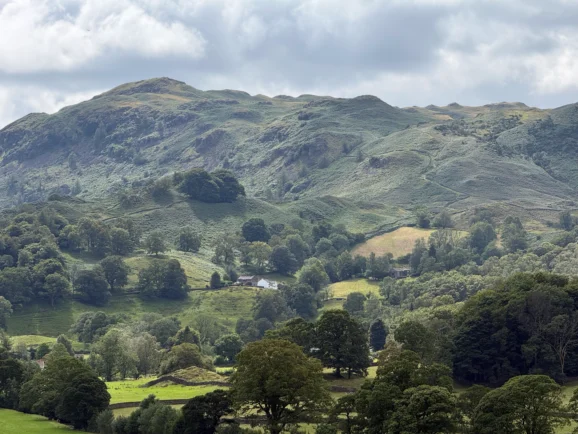
“Local immersion” is, then, another defining trend of 2026. Guests want to shop at farms on their doorstep, find hidden trails, eat at real village pubs or take a dip in a mountain tarn. These experience-driven holidays — with a focus on authenticity and slow, mindful moments, paired with traditional activities such as fell walking and wild swimming — are becoming increasingly popular. There’s also a huge push for nostalgic, analogue activities such as literary visits, writing, painting, journalling, foraging and forest bathing.
Perversely though, social media is now the biggest driver for discovering such experiences. The growth of travel influencers has shone a light on the more hidden places in the UK, with 65 per cent of modern travellers basing their destination choices on influencers and social content. Content creators are, in many ways, the travel agents of the modern age. Comfortingly perhaps, word-of-mouth recommendations are still the second-most powerful reason given for destination choices. This makes it even more essential guests enjoy their stay, so they tell others about it in the old-fashioned way.
Adventure-driven staycations are another key trend. Travellers are swapping passive holidays for “playtime itineraries” where they can let their inner child loose in search of adrenaline-fuelled fun. Destinations such as the Lake District, with its range of water sports, cycling, abseiling, ghyll-scrambling, bushcraft, climbing, kayaking, fell-walking and other outdoor pursuits, tick every box when it comes to raising the adventurous traveller’s pulse.
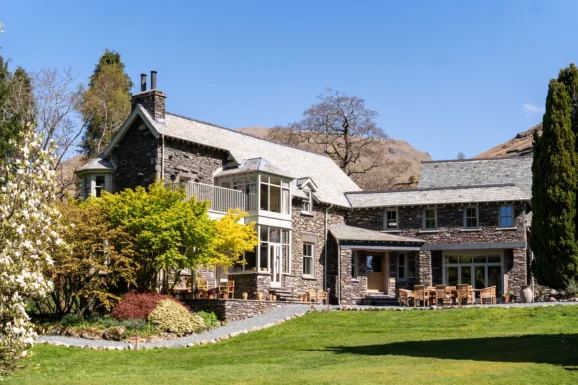
At The Heaning Estate, our family business, we’re seeing this trend play out across all our eleven properties, with a 30 per cent rise in bookings in the year to date. We’re also noticing people booking well in advance, with 2027 already beginning to fill. And repeat visits also seem to be coming in earlier, as family groups and parties of friends choose to have a certain weekend set in the calendar every year in their Lake District “home from home”, as we are often described. We’ve also just launched our new venture, three luxury properties at Meadow Brow Grasmere, which we hope will attract more new guests to come and explore, based in beautiful accommodation on the doorstep of Wordsworth country.
The last time we saw a similar upsurge in staycation bookings was just after COVID, when people were unable to travel internationally. But perhaps having a reason to explore what’s on your doorstep, only a train ride or a car journey away, is not such a bad thing. Whether it’s the rugged mountains of Scotland, the valleys of Wales, the seascapes of the southwest or the dales of Yorkshire, there’s so much to rejoice in across our sceptred isle.
And if you do choose the gorgeous little corner of mountains and lakes where we live in the northwest of England as your destination for the summer of the staycation, then I’m quietly confident you won’t be disappointed.
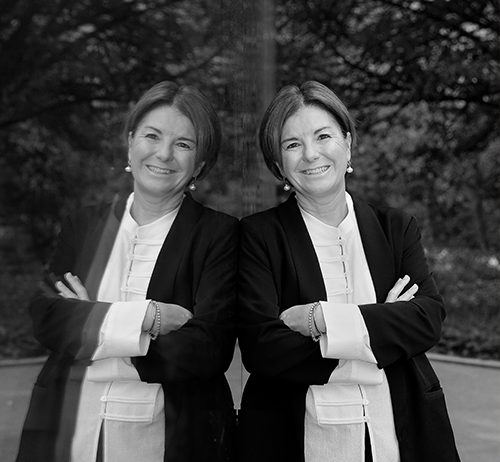
Deborah Lyon is a writer, editor and hospitality entrepreneur based in the Lake District. She left London two decades ago to restore a derelict Victorian estate near Windermere, now The Heaning — a five-acre collection of self-catering properties rooted in local craftsmanship and Cumbrian heritage. Alongside running the estate, she writes about landscape, place and belonging, drawing inspiration from the fells and literary traditions that surround her. Her first novel, the acclaimed children’s book Timewaif & The Roman Road, was praised for its evocation of Roman Cumbria and its “human stories told with tenderness and truth”. She is also the author of Lake District Unlocked, a family travel guide to the region’s hidden landmarks.
READ MORE: ‘Bluebird returns to Coniston 59 years after Campbell’s fatal crash‘. Donald Campbell’s restored Bluebird has been fired up on Coniston Water for the first time since the 1967 crash that killed him, with thousands watching from the lakeside.
Do you have news to share or expertise to contribute? The European welcomes insights from business leaders and sector specialists. Get in touch with our editorial team to find out more.
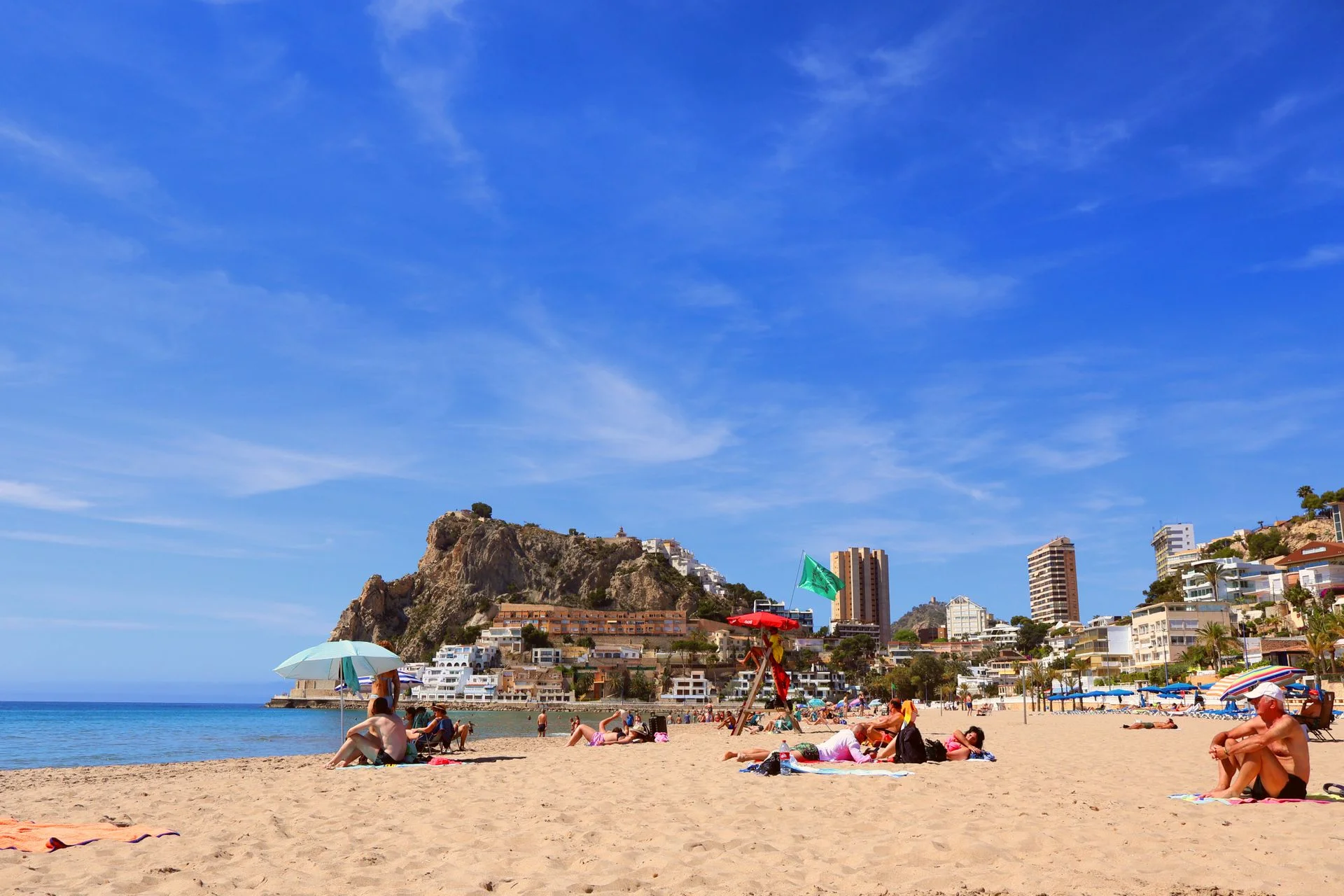
Main Image: Staycations continuing to grow in popularity as travellers seek authentic experiences across the UK. Credit: Supplied.