And now for something completely different. Julian Doyle, the British Filmmaker behind some of Monty Python’s most celebrated films, including Life of Brian and The Meaning of Life, believes he has solved one of the Bible’s greatest mysteries. Drawing on ancient geographical clues, he argues that Adam and Eve’s legendary paradise was a fertile valley in modern-day Iran
In the Book of Genesis, the Garden of Eden is where Adam and Eve live before their expulsion. It has inspired religious teachings, works of art and countless attempts to understand humanity’s origins. But could we potentially locate Eden?
The Bible also contains geographical references that can be compared with real-world locations. Genesis records that Noah’s Ark came to rest on the ‘mountains of Ararat’, a geographical region traditionally associated with eastern Turkey. Other ancient traditions identify Mount Judi, farther south, as the Ark’s resting place. Such differences illustrate the challenges of identifying biblical locations, but also why the geographical clues are worth investigating.
It may seem an impossible place to find, but the Bible is surprisingly specific in its directions. It names four rivers, places the garden eastward in Eden and tells us where Cain, one of Adam and Eve’s children, went after killing his brother, Abel. I believe those clues lead to a real place: the Aji Chay valley near Tabriz in northern Iran.
The Book of Genesis describes a river flowing out of Eden to water the garden and then dividing into four. It reads: “Now a river flowed from Eden to water the garden, and from there it divides into four headstreams.” These are named as the Pishon, Gihon, Hiddekel and Euphrates. Two are readily identifiable: the Hiddekel is generally identified with Tigris, while the Euphrates retains its biblical name. Both rise in the mountains of eastern Turkey before flowing south through Mesopotamia, in modern-day Iraq.
The other two rivers are harder to identify. Some interpretations have associated them with the Nile and Ganges, but these are thousands of miles from the sources of the Tigris and Euphrates. If the biblical account describes rivers belonging to the same geographical region, I believe we should look instead towards the highlands, where the two known rivers originate.
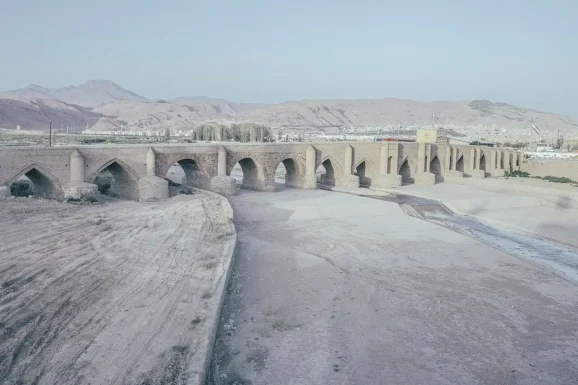
That brings us to two further waterways: the Araxes, also known as the Aras, and the Uizhun. The Aras flows through the wider region of eastern Turkey and the southern Caucasus, while the Uizhun is associated with the river system of north-western Iran. Based on my research, the Aras may correspond to the biblical Gihon and the Uizhun to the Pishon. My reason for considering it is geographical: their positions make them candidates in the same broad region.
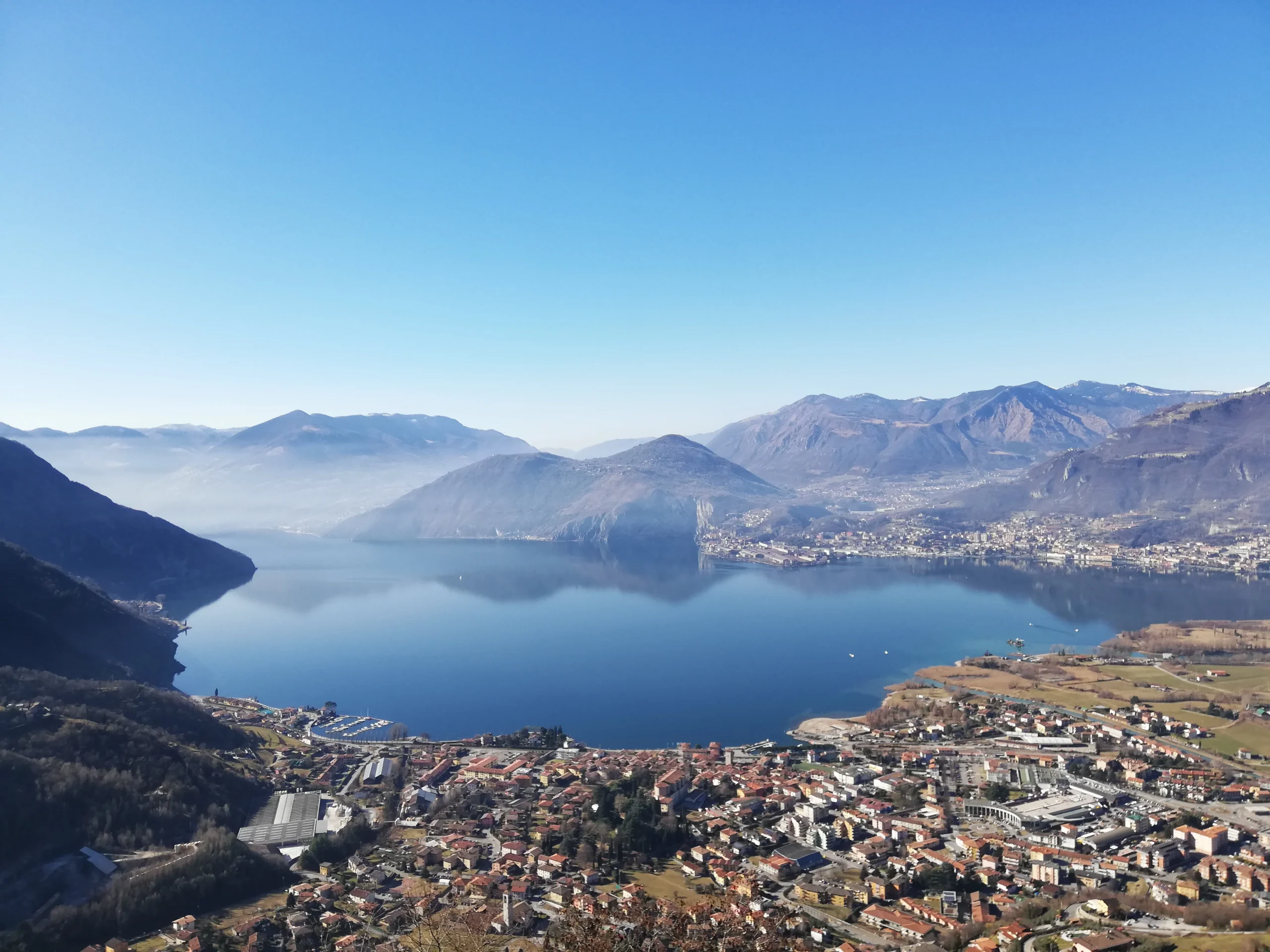
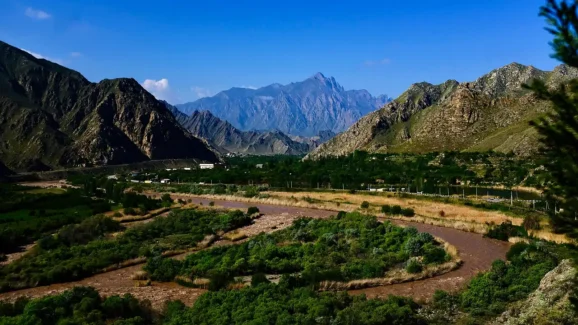
The next clue is a distinction that is easily missed. Genesis does not simply say that God planted Eden. It says, “And God planted a garden eastward in Eden.” It also says that a river flowed from Eden to water the garden. That suggests a larger territory called ‘Eden’, with the garden occupying a particular part of it. I believe the Aji Chay valley near Tabriz fits that description. The river runs along the valley floor and eventually reaches Lake Urmia. To me, the course of the river through the valley is more significant than the scenery alone.
The names add to the attraction. The word ‘paradise’ ultimately derives from the Old Iranian word pairidaeza, meaning a walled enclosure or garden. I also associate Eden with the Babylonian word edinu, meaning plain. Surrounded on three sides by mountains, the fertile valley looks to me like a plausible setting for the biblical description.
Cain’s journey offers another clue. After killing Abel, Cain goes to the land of Nod, east of Eden, according to the Bible. Travelling east from the proposed location leads over a mountain pass towards places identified as Upper and Lower Noqdi, with settlements named Noqdi and Noadi. Similar-sounding names do not establish an ancient connection but the direction interests me: both the text and the proposed geography both point east.
Genesis also says that cherubim – a type of angel – were placed at the east of the garden, with a flaming sword. At the head of the mountain pass is Heruabad, also described as Kheru-abad. I see a possible connection between that name and the word ‘cherubim’. I am also struck by the association of the region with ancient metalworking and the reference in Genesis to Tubal-Cain, an ancestor of those who worked bronze and iron. These details strengthen my interest in the eastern approach to the valley.
A further reference appears in 2 Kings in the Bible, which mentions “the people of Eden who were in Tel Assar”. I place Tel Assar in northern Mesopotamia, near the region I have been examining. The early stories in Genesis came from Mesopotamia, where Abraham – according to the Bible, the founding patriarch of Judaism, Christianity and Islam – was born before travelling towards Canaan. I think those stories may preserve a memory of a real place of origin, in the high valleys from which people eventually travelled south.
The rivers, the valley, the eastward position of the garden and Cain’s journey all point to the same conclusion: the biblical Garden of Eden was in northern Iran, in the fertile Aji Chay valley near Tabriz. If you want to look for the garden described in the Bible, that is where I would start.

Julian Doyle is a distinguished British filmmaker with an outstanding career in the film industry. He is widely recognised for his long-standing collaboration with Monty Python, where he worked on their most celebrated films including Monty Python and the Holy Grail, Life of Brian, and The Meaning of Life. While internationally recognised for his work in film, he is also an expert on biblical history and is the author of multiple books on the subject including The Assassination of Mary Magdalen, The Secret Life and Hidden Death of the Galilean, and Who Killed Jesus? His latest book, Esoteric Jesus, explores the hidden teachings of Christ.
READ MORE: Andy Burnham to make special Gogglebox appearance for Stand Up To Cancer. Prime Minister Andy Burnham and Mayor of Liverpool Steve Rotheram to join Gogglebox on Channel 4 this evening.
Do you have news to share or expertise to contribute? The European welcomes insights from business leaders and sector specialists. Get in touch with our editorial team to find out more.
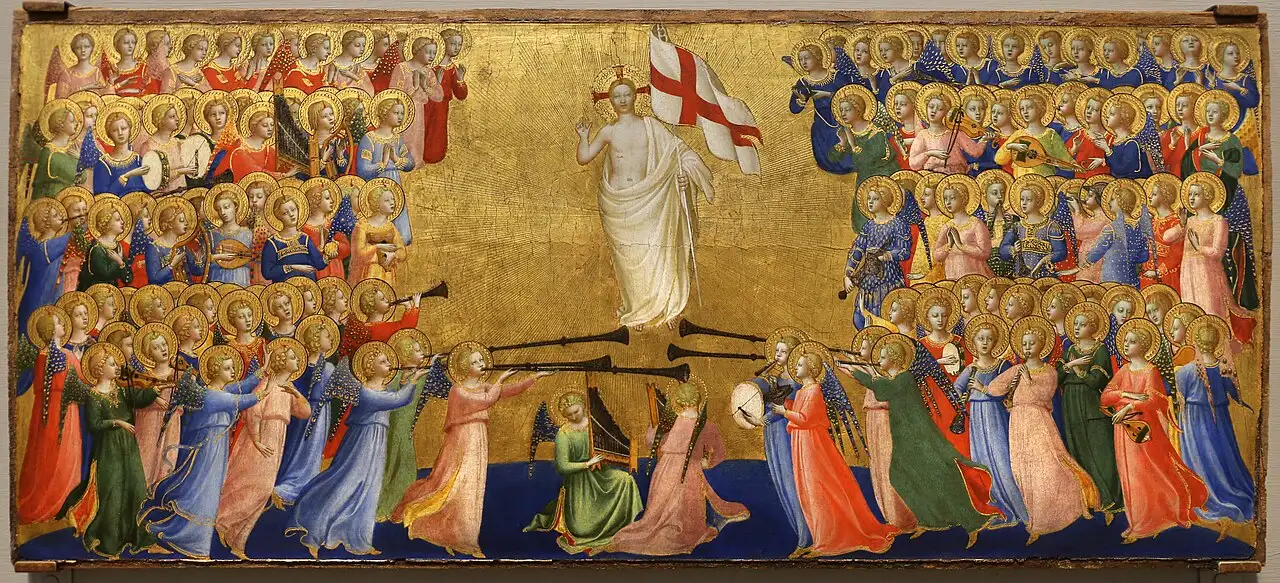
Main Image: Credit: Fra Angelico, photographed by Sailko / CC BY 3.0