Specs appeal: Welsh Parliament bans smart glasses

John E. Kaye
- Published
- News, Technology
Senedd reverses decision to allow high-tech eyewear as teleprompters amid concerns over privacy, recording and parliamentary rules
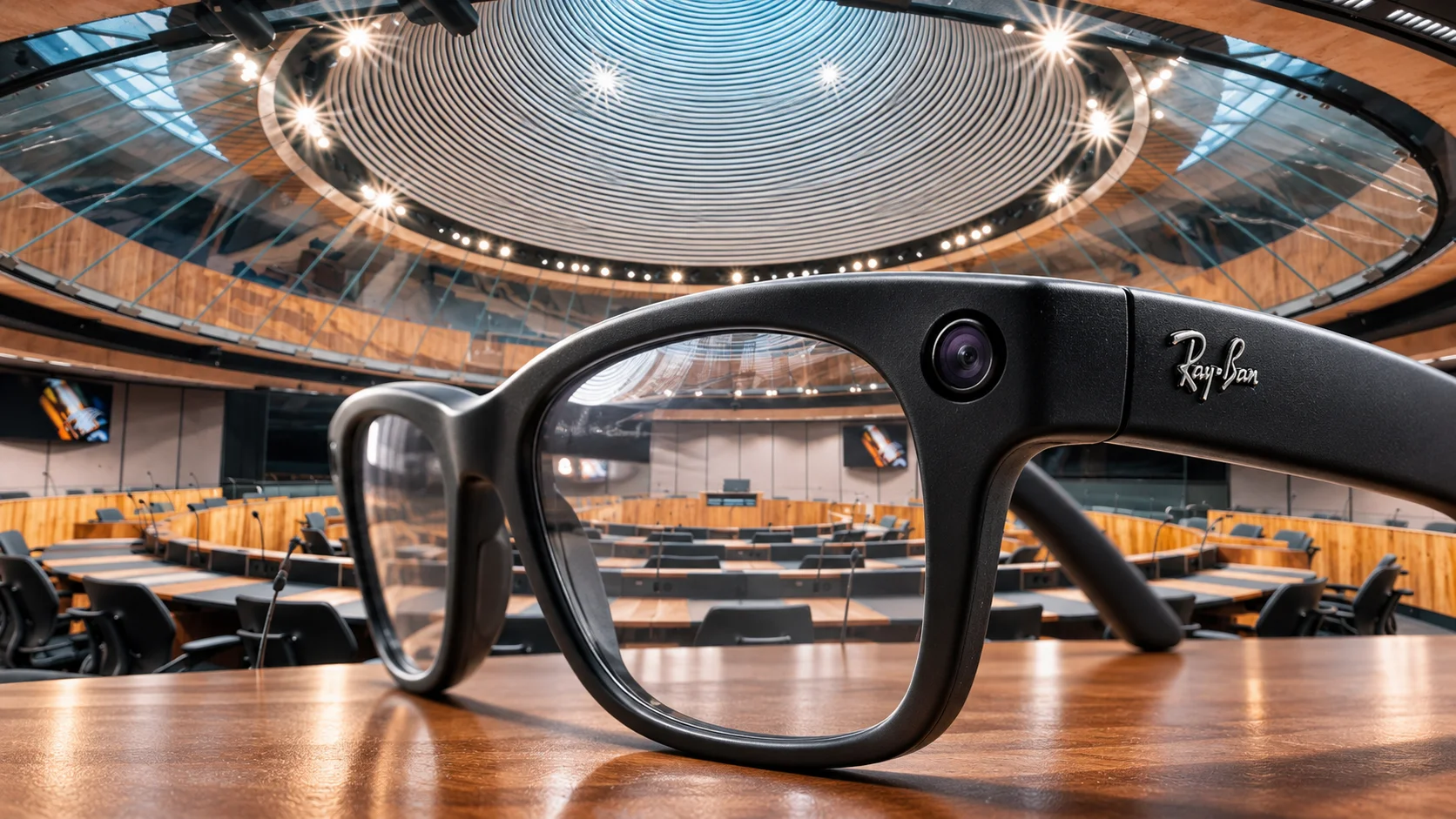
Smart glasses have been banned from use in the Welsh Parliament’s debating chamber until further notice, just days after politicians were told they could use them to deliver speeches.
The Senedd’s presiding officer, Huw Irranca-Davies, has suspended permission for the devices pending a review of wearable technology, including concerns about covert filming and accessibility.
The reversal comes after an earlier ruling that smart glasses could be used in the chamber provided the presiding officer received advance notice.
Teleprompter glasses display a digital script in the wearer’s field of vision, allowing them to read prompts discreetly while appearing to speak from memory.
The decision follows publicity surrounding Reform UK Member of the Senedd Jason O’Connell, who has reporteldy used camera-free smart glasses as a teleprompter to help deliver speeches.
O’Connell said the glasses help improve his public speaking and reduce his reliance on paper notes.
He told BBC Wales: “I’ve voluntarily agreed to stop using the ones I’m using as a teleprompter until the review completes.”
Addressing the Senedd, Irranca-Davies confirmed that unauthorised filming and recording were already restricted across the parliamentary estate.
“Importantly, those restrictions are technology neutral, and they apply regardless of whether recording is undertaken using conventional equipment, a phone, smartglasses or any other device,” he said.
“However, we recognise that wearable and AI-enabled technologies are developing rapidly. I’ve therefore commissioned a review of our policies and guidance to ensure that they remain effective and keep pace with these developments.
“Our aim is to ensure that Members and their staff, Commission officials and the Senedd estate are properly protected, while allowing the legitimate benefits of new technologies, including, by the way, accessibility benefits, to be realised where their use is appropriate and properly authorised.”
The consultation is expected to conclude by the end of the year, with recommendations due in 2027.
READ MORE: Smart glasses and AI are opening a new route to sexual exploitation. Smart glasses make it easier to record women and children without their knowledge, while AI can transform everyday images into sexualised material. In the first of a two-part series on the risks posed by wearable cameras, Raj Joshi argues that the danger begins before any abusive image is ever created — at the point of capture.
Do you have news to share or expertise to contribute? The European welcomes insights from business leaders and sector specialists. Get in touch with our editorial team to find out more.
TOP STORIES
-
 Specs appeal: Welsh Parliament bans smart glasses
-
European motoring legends behind Mercedes, BMW and McLaren to enter Hall of Fame
-
Putin 'plotting to break NATO without firing a shot', Latvian military analyst warns
-
British AI chip startup hits £5bn valuation as government backs bid to challenge global tech giants
-
World's biggest military airshow moves to ‘Britain’s Area 51’ after Iran war disruption at RAF Fairford
-
Lisa Nandy threatens crackdown on entertainment industry after David Walliams allegations
-
UK and European experts demand tougher AI laws as Australia considers criminal penalties after OpenAI breach
-
BBC loses bid to throw out Trump's $10bn defamation lawsuit over doctored Panorama speech
-
AI-generated CVs spark hiring crisis as a third of employers lose confidence in job applicants
-
MPs back calls for ‘Black English’ and ‘Asian English’ options on census
-
Nvidia hires top US lawyer to investigate CEO's alleged affair with Chinese spy
-
EXCLUSIVE – Comic Relief confirms David Walliams is no longer an honorary trustee and has ‘no formal association’ with charity
-
Why Airbnb and Uber take off in some cities but flop in others, according to scientists
-
Michael Jackson's Thriller jacket, Princess Diana's dresses and $3m Banksy painting go under the hammer
-
European entrepreneurs trust AI firms more than governments as four-in-10 look beyond Europe
-
Krakow massacre gunman named after hospital death as police officer fights for life
-
British Airways owner warns green fuel rules could ‘kill European aviation’
-
EU to join Ukraine–Russia peace talks as von der Leyen warns of escalating Black Sea attacks
-
Scientists grow world's largest diamond crystal in breakthrough that could stop AI chips overheating
-
China takes on Rolls-Royce with floating £230,000 electric limousine
-
Infront hires Deutsche Börse data expert Jeff Caldwell as AI transforms financial markets
-
US rocket firm plans Scottish launches in bid to revive failed Highland spaceport
-
Job adverts must reveal salaries under new ‘say what you pay’ law
-
Ireland's most wanted jobs for 2027 revealed as employers offer higher salaries to attract talent
-
American firms sign landmark deal to beam solar power from space as Europe faces AI energy crunch