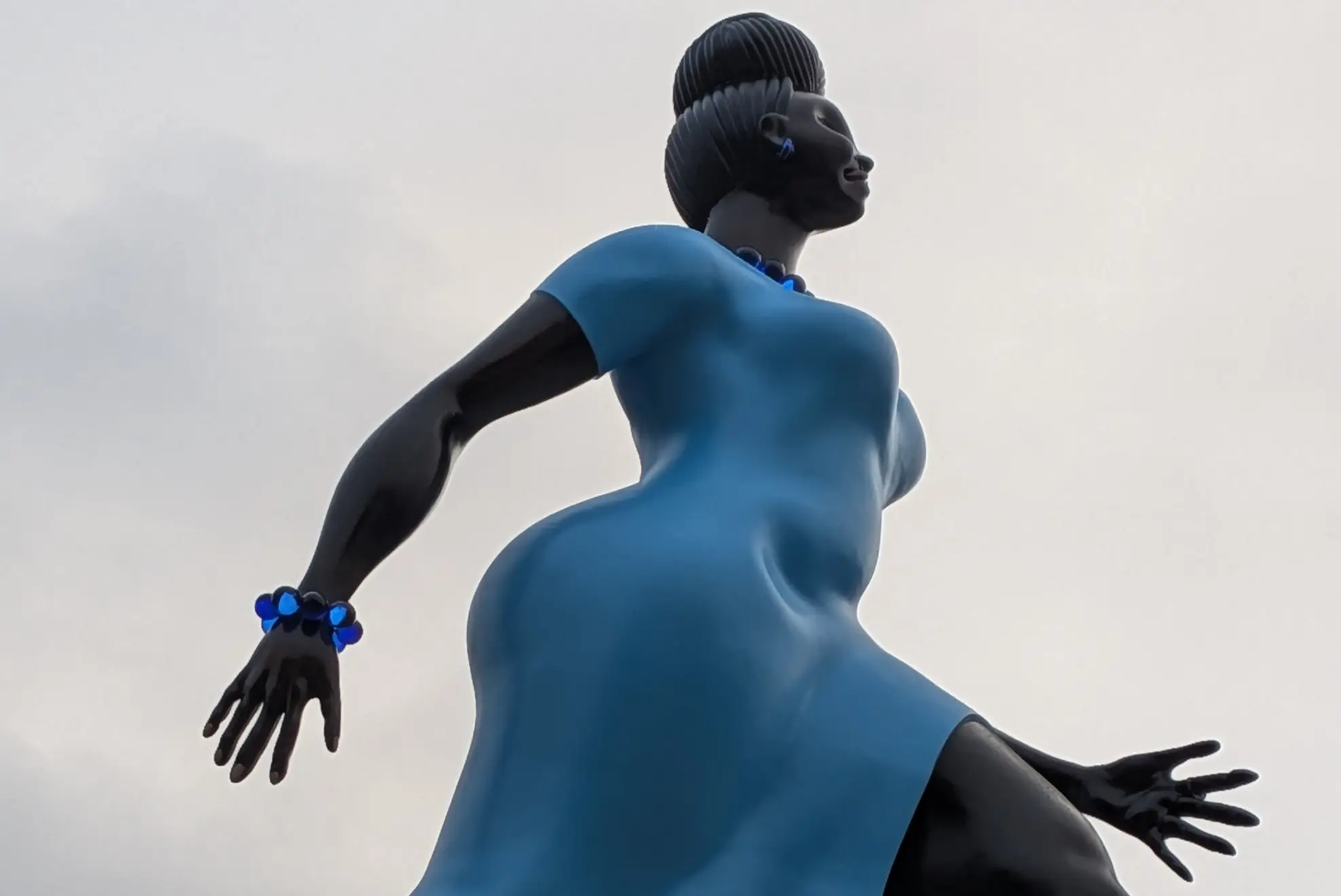
On Trafalgar Square’s Fourth Plinth, Tschabalala Self’s Lady in Blue depicts an everyday Black woman. Cities across the UK should follow London’s lead and use public art to honour the Black women who have shaped their communities, says Dawn-Maria France
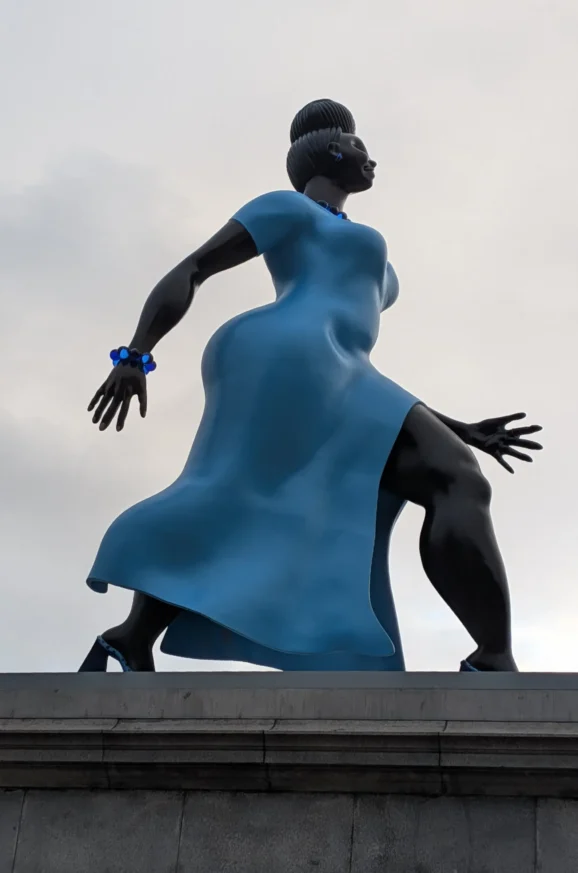
On September 10, 2026, Tschabalala Self’s Lady in Blue was unveiled on the Fourth Plinth in Trafalgar Square. A young woman in a vivid blue dress strides across the plinth, cast in bronze. Self wanted Londoners to recognise someone they might pass in the square. The sculpture is a temporary commission. Another work is due to take its place in 2028.
So much of Britain’s public sculpture asks us to look up at monarchs, generals and politicians. The people who cared, laboured, organised and held communities together have often been less visible. Self puts a Black woman in one of London’s most prominent public spaces and asks us to see the dignity in an ordinary life. She need not be royal, wealthy or a military hero to deserve public recognition.
The sculpture is important because it depicts Black womanhood outside the familiar frames of suffering and exceptional achievement. The figure embodies the dignity and everyday leadership of Black women whose contributions have shaped London and Britain. Her presence makes a powerful civic statement. Black women belong at the centre of Britain’s story, and the places where we put our public art should reflect that.
Bristol, Birmingham and Manchester each have their own histories of Black women’s leadership and influence. They should commission public art that draws on those histories. A monument chosen simply to satisfy a diversity target would miss what makes the London commission worth learning from. The most meaningful commission would emerge from local history and local conversation. It should involve schools, historians, artists, community groups and residents, especially the women whose experiences have too often been interpreted by others. Let the people who know those stories help decide what is made and where it goes.
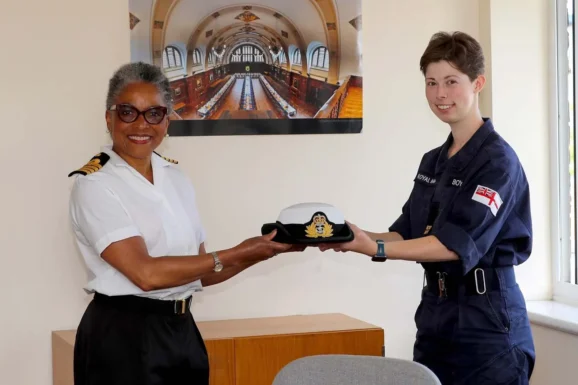
In Bristol, that conversation would have to make room for a complicated history of maritime wealth, migration, protest, education, commerce and community organising. It would need to acknowledge injustice and recognise the people who built institutions and helped the city grow. One figure who deserves serious consideration is Peaches Golding, Bristol’s Lord-Lieutenant since 2017 and the King’s representative in the city and county. An American-British business executive, administrator and former academic, Golding has combined professional achievement with civic service, education and work to strengthen relationships across Bristol’s communities. In 2026, she was appointed Pro-Chancellor of the University of Bristol.
Recognising Golding would say something distinctive about Bristol. Belonging is something people help build through their service to the city, and leadership extends beyond those who inherit power. For young people, particularly young Black women, seeing someone who has served and represented Bristol at the highest civic level can make a life of civic service easier to imagine for themselves.
A commission might take the form of a statue, a mural, a memorial garden, a group portrait or a memorial to collective action. It could stand where people live, work and gather, so that encountering it becomes part of an ordinary day. A statue changes what residents and visitors see in a city. It can put a life or a piece of local history in front of someone who would otherwise pass it by. In doing so, it says something about whose work the city values and whose story it wants people to remember.
A single tribute can only tell part of that story. One city might choose to honour a woman whose work has changed civic life. Another might tell the story of women who organised to keep a community going. Those choices are vital because they give people different ways to see how their city came to be and who helped shape it. Public art should reflect the lived experience of the women it honours and give local people a way to take part in telling those stories. A commission can only do so much on its own. What it can do is make those contributions part of the history people encounter in public, including young Black girls who rarely see those lives commemorated.
Other cities should start by asking local people whose work they want to see remembered. Their knowledge of local history should help shape what the city commissions and where it goes. That is how a city can use public art to tell more of its own story.
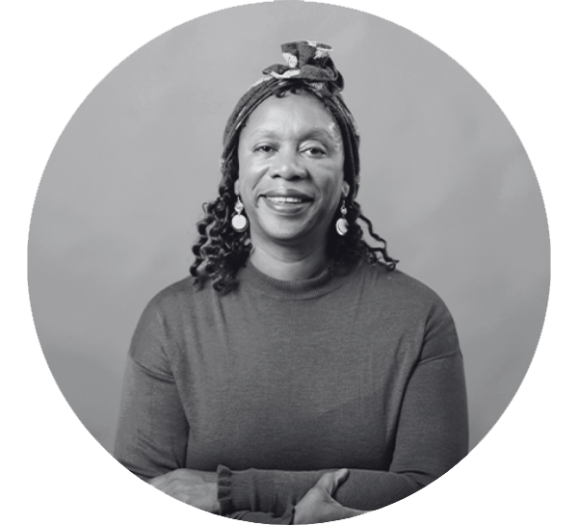
Dawn-Maria France is an award-winning journalist and broadcaster with experience across BBC News, Sky News, TalkTV and ITV News, alongside bylines in national and international publications. The winner of a Special Award at the 2026 Community Black Achievers Wings Awards, her work focuses on mental health, social affairs, carers’ rights and wellbeing, informed by a background in community care, youth work and psychology.
READ MORE: The hidden workplace cost of microaggressions against Black women. Workplace microaggressions can force Black women to weigh the professional cost of speaking up or staying silent, giving employers practical as well as moral reason to address them, argues Dawn-Maria France.
Do you have news to share or expertise to contribute? The European welcomes insights from business leaders and sector specialists. Get in touch with our editorial team to find out more.
Main Image: Tschabalala Self’s Lady in Blue. Credit: Paul Downey / CC BY 4.0 / cropped.