With new EU limits on mineral oil contamination looming, the palm oil industry’s early investment in food safety could give it a competitive advantage over other edible oil producers. Journalist and international bestselling author Andrea Busfield examines how an industry long criticised for its environmental record has turned years of scrutiny to its advantage
New EU rules on mineral oil contamination in food are due to take effect next year, and the palm oil industry has stolen a march on its rivals by investing early in food safety, leaving other edible oil producers scrambling to catch up.
Formal adoption of the regulations by the European Commission is expected next month, with maximum levels for mineral oil aromatic hydrocarbons (MOAH) applying from 1 January 2027, although some requirements will be phased in later.
But a good part of the edible oil world is not ready.
Coconut oil exporters in the Philippines, for instance, who send more than 60 per cent of their crude coconut oil to the EU, have publicly warned that testing equipment is expensive, difficult to operate and not yet widely available at farm and mill level.
In Spain, the Senate’s Agriculture Committee has considered the impact of the proposed restrictions on olive oil producers, including the additional costs and practical difficulties facing the industry.
Campaigners and lawmakers, meanwhile, have sparred over how far the new rules should go, and how quickly industry can realistically comply. Consumer organisation Foodwatch has campaigned for stringent restrictions on mineral oil contamination in food, calling for limits low enough to prevent detectable contamination with potentially carcinogenic MOAH.
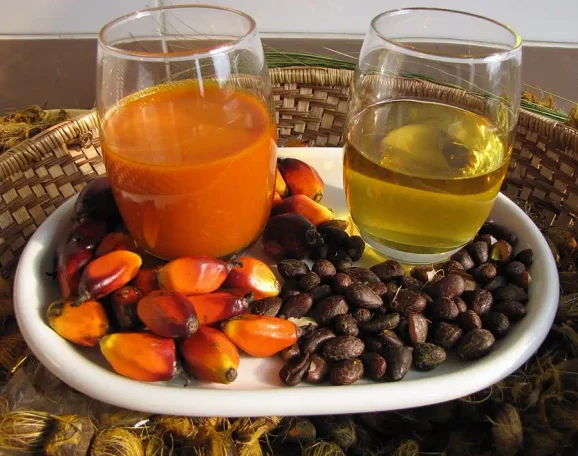
MOAH sits in the same broad family as the mineral oil used in industrial lubricants. Presses, conveyors, decanters – all of it needs lubricating, and if what’s used isn’t food-grade, trace amounts can migrate into the product as it’s pressed, stored and moved.
Contamination can occur at several stages of food production, including through machinery, processing aids, packaging and environmental exposure.
One part of this contamination, known as MOAH, is the one that regulators are most worried about.
The European Food Safety Authority’s 2023 risk assessment found that certain MOAH compounds may be associated with genotoxicity and carcinogenicity, meaning they could damage DNA or contribute to cancer risk.
As a result, Brussels is moving from voluntary guidance to legally enforceable limits, measured in milligrams per kilogram, across a long list of products that include vegetable oils and fats, dairy, cocoa, cereals, tree nuts, spices and infant food.
For some, MOAH compliance has been framed as a burden imposed on tropical agriculture by Western bureaucracy.
However, the palm oil experience suggests tropical producers who invested early are now the ones setting the pace – and the sectors still lobbying for delay actually have a working blueprint sitting in front of them.
This blueprint comes from palm oil, an unlikely source given the sector has spent much of the last decade as the food industry’s designated villain, blamed for deforestation and the decline of orangutans, land conflicts and the displacement of local communities, and every headline about vanishing rainforest.
Years of scrutiny from concerned NGOs, retailers and publicity-aware buyers like Nestlé effectively pushed producers to act long before regulators did. Nestlé’s published sourcing policies document its environmental requirements, supplier monitoring and use of satellite technology.
Some producers, such as Indonesia’s Musim Mas, made the switch years ago. The company states that it has used exclusively food-grade lubricants in food-production machinery since 2018. Its published contamination controls include changes to production processes, supplier monitoring and regular internal and external testing.
And the infrastructure, testing protocols and supply-chain discipline that the rest of the food industry is now scrambling to build were, for parts of the palm oil sector, already a cost of doing business.
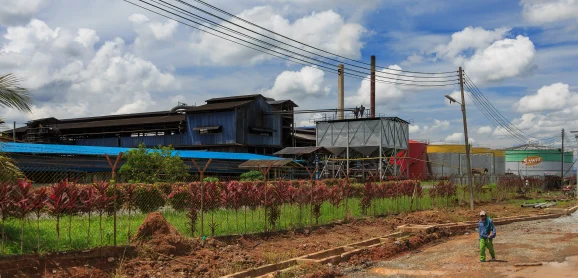
Malaysian palm oil giant SD Guthrie is a case in point, having begun tackling mineral oil contamination years before the EU drew up its new regulations.
Company researchers were assessing mineral oil hydrocarbon levels across its Malaysian palm oil mills as early as 2019. A scientific paper published that year examined mineral oil saturated hydrocarbon contamination at two Sime Darby Plantation mills in Malaysia, comparing their production methods and contamination levels.
In 2022, that groundwork became a formal programme, dubbed Project OMEGA, a company-wide effort to convert every mill the group operates across Malaysia, Indonesia, Papua New Guinea and the Solomon Islands into certified food-safe facilities. The company announced the programme in April 2022, initially targeting its 33 Malaysian mills before extending it to the other countries.
Out of that work came KALIS, developed through systematic contamination prevention and supply-chain controls at source. According to SD Guthrie, KALIS has product specifications of MOSH (mineral oil saturated hydrocarbons) below 10 ppm and MOAH below 1 ppm.
Under the EU’s latest draft regulations, many edible oils will initially be subject to a MOAH limit of 4 mg/kg, falling to 2 mg/kg in 2028. Coconut and groundnut oils sold to consumers or used as food ingredients will have an initial allowance of 6 mg/kg, falling to 4 mg/kg in 2028 and 2 mg/kg in 2030. Argan oil will initially have a 10 mg/kg allowance, while olive oils have separate implementation dates.
KALIS’s stated MOAH specification is therefore below the proposed initial limits for these categories, although the precise comparison depends on the product’s regulatory classification.
There’s also KALIS+, a premium variant developed on the same platform with free fatty acid levels held below three per cent, built for speciality manufacturing where purity requirements go beyond the regulatory floor.
Coconut oil and olive oil producers now facing the EU deadline aren’t being asked to invent something new but to catch up to a standard a tropical commodity sector already met, on its own initiative, under considerably less regulatory pressure than exists today.
Being forced to adapt early, rather than late, has turned out to be a competitive advantage for the palm oil industry.

Andrea Busfield is an international bestselling author and journalist. Her books include Aphrodite’s War and Born Under a Million Shadows. She has held senior editorial roles across the British press and reported from conflict zones including Afghanistan, where she later worked as a civilian editor with NATO/ISAF. She currently resides in Ireland.
READ MORE: How Cyprus is surviving Europe’s growing water crisis. Water scarcity now affects around a third of the EU’s population each year, but Cyprus has spent more than two decades preparing for permanent drought. Agriculture Minister Maria Panayiotou tells Andrea Busfield how desalination, wastewater reuse, leak-reduction technology and a permanent hosepipe ban have helped the island withstand one of its driest years on record, and what the rest of Europe can learn from its experience.
Do you have news to share or expertise to contribute? The European welcomes insights from business leaders and sector specialists. Get in touch with our editorial team to find out more.
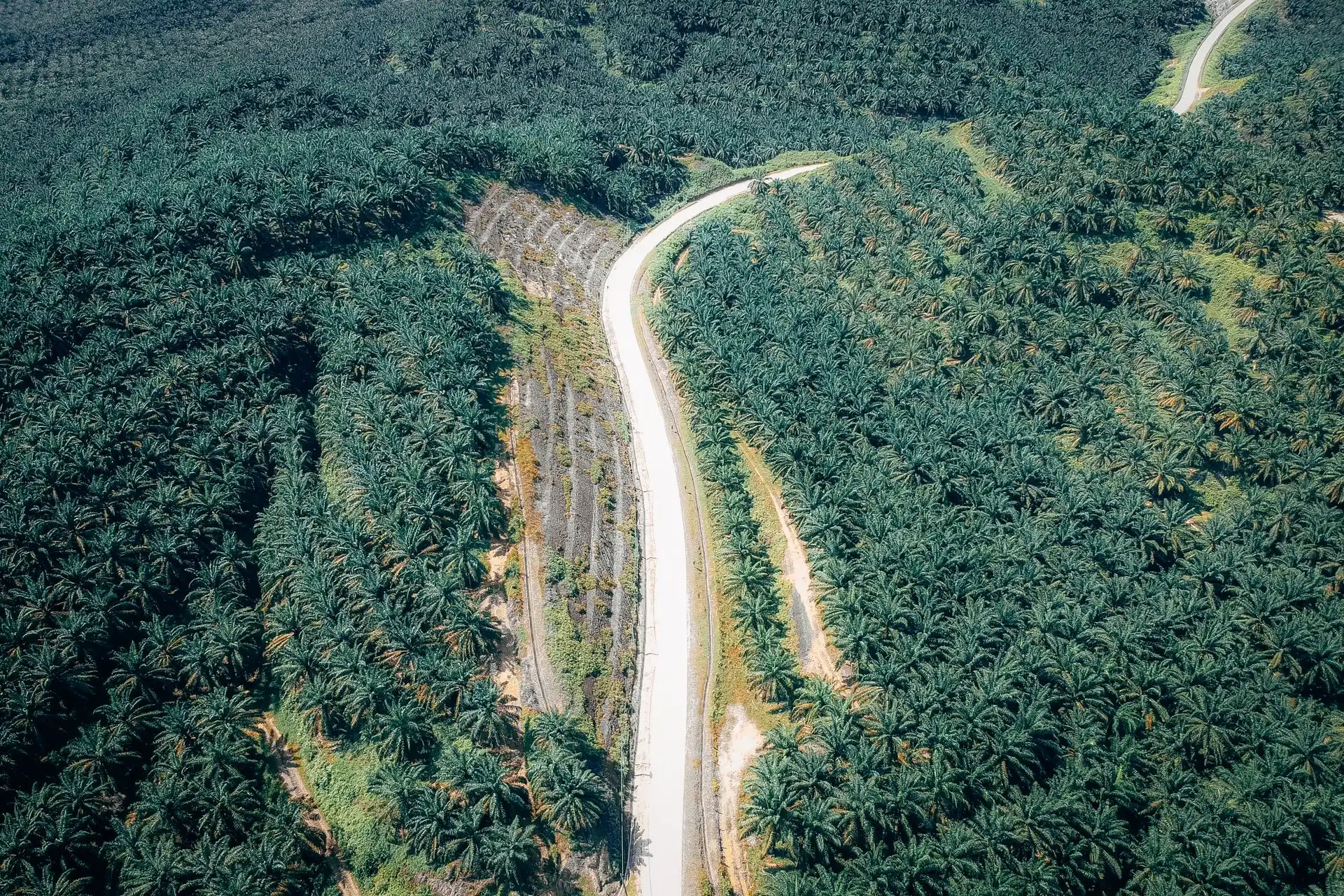
Main image: Palm oil plantations stretch across the landscape, with the industry’s early investment in food safety now giving producers an advantage ahead of new EU regulations. Credit: Pok Rie via Pexels