Today, Sir Keir Starmer will confront the social media giants at Downing Street over child safety online. But banning teenagers from social media risks pushing the problem underground, where it may become harder to spot and harder to tackle, argues our Mental Health & Social Affairs Correspondent Dawn-Maria France
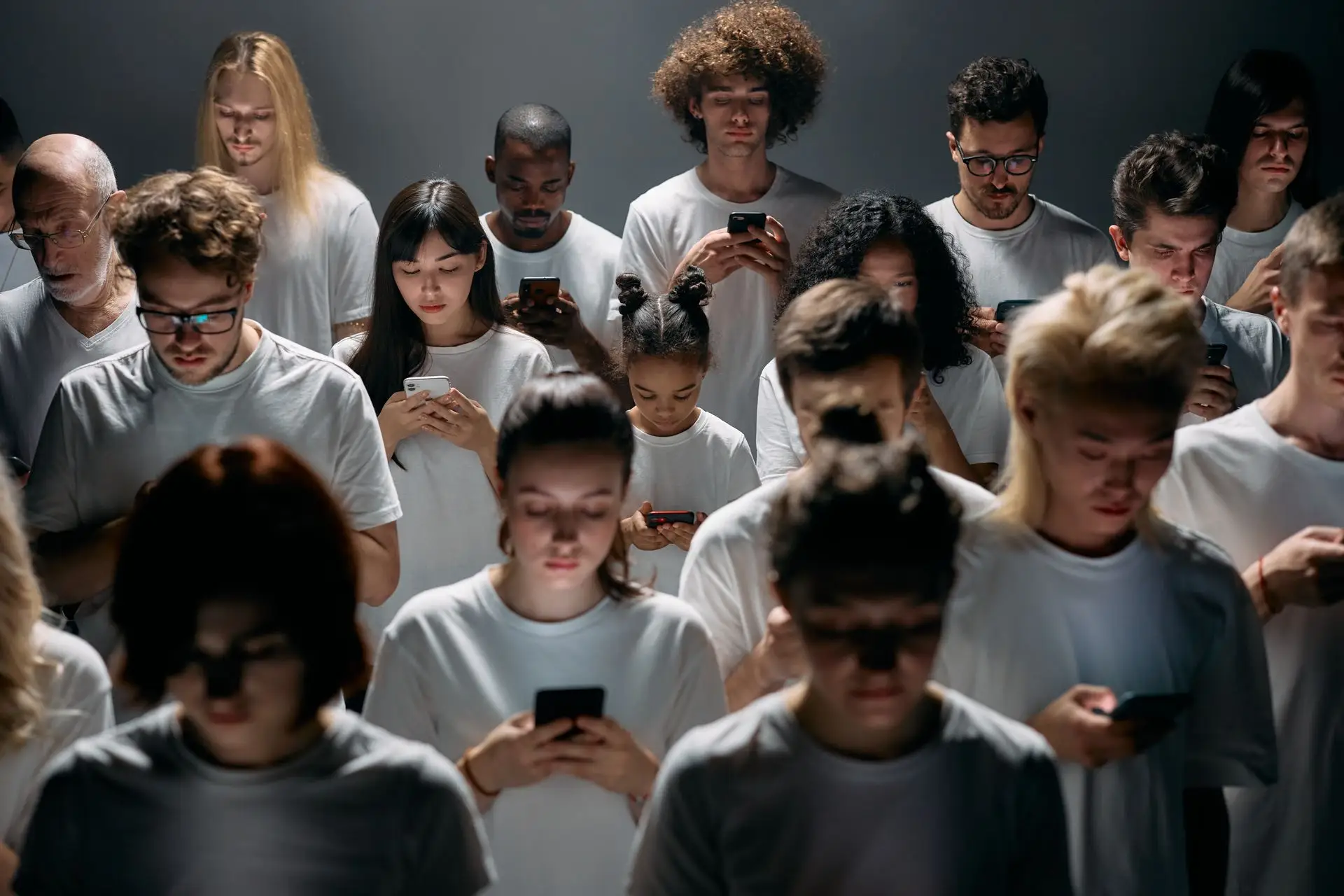
Concern over teenage social media use has reached a new pitch in the UK. Only today, Prime Minister Keir Starmer called senior executives from Meta, Snap, Google, TikTok and X into Downing Street, warning that “looking the other way is not an option” as ministers weigh further steps to protect children online. It comes just weeks after a Los Angeles jury delivered what many are already calling Silicon Valley’s ‘Big Tobacco’ moment. Meta and YouTube were found liable in a first-of-its-kind lawsuit, with the jury concluding that the companies designed their platforms to hook young users without concern for their wellbeing.
This reflects a broader global shift, with countries such as France, Spain, and Australia also exploring or implementing stricter age limits on social media use for teens.
On the surface, a blanket ban seems like the simplest solution. After all, by cutting off access, you eliminate harm at the source. While this instinct is completely understandable, it’s also misguided. A total ban would not solve the problem but simply push it elsewhere.
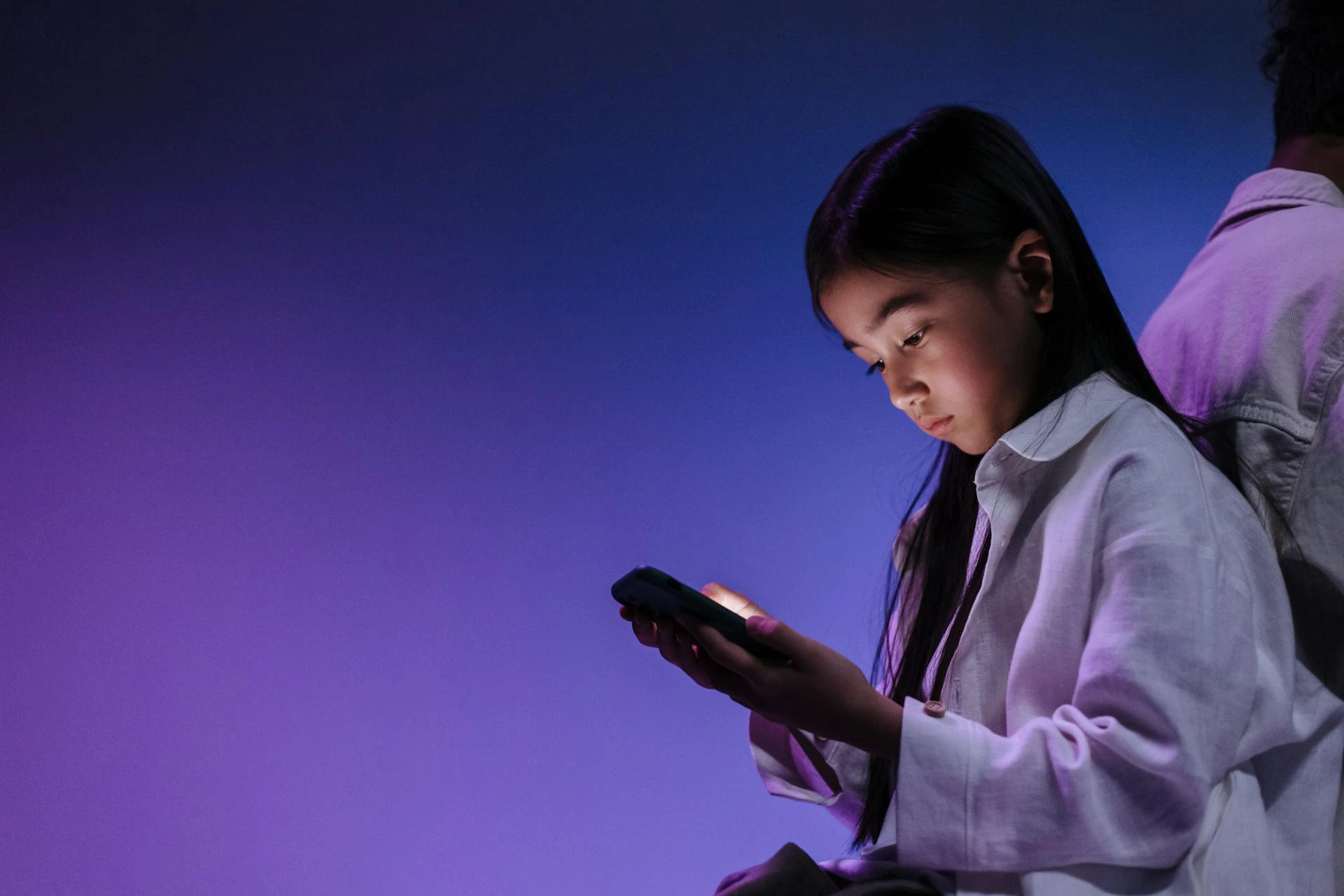
Teenage life has always revolved around friendships, identity and belonging. Today, for millions of young people in the UK and beyond, those experiences increasingly play out on social media, which has become a central part of daily life as well as a source of entertainment.
Concerns about social media’s impact are well-founded. In 2017, 14-year-old Molly Russell took her own life after being exposed to large volumes of self-harm content online – a case that sparked national outrage and intensified scrutiny of social media use among teenagers. Since then, research has consistently linked heavy social media use in adolescents with higher rates of anxiety and depression. Research from the Royal Society for Public Health also found that seven-in-10 young people reported experiencing cyberbullying. Further research suggests that many teenagers are regularly exposed to violent or distressing social media content.
The risks are certainly real but the solution is not, sadly, as simple as removing access altogether.
The concern lies in the way social media functions and the incentives built into it. I spoke to Dr Catherine Bryan, a clinical psychologist at The Light Side Practice, who said these platforms are not designed with wellbeing in mind. She added: “What I find particularly concerning is how accessible extreme views and harmful narratives can be, and how quickly that content gets reinforced through the algorithm.”
Platforms are designed to maximise engagement, often promoting content that provokes strong emotional reactions. Yet a ban does nothing to address this underlying model – it merely avoids confronting it. A ban would not only deny teenagers the benefits of social media but may also push it underground, which comes with its own issues.
Teenagers are highly adaptable. When something is restricted, young people rarely abandon it altogether. Instead, they find workarounds, often moving to less-regulated platforms, secondary accounts, or private online spaces where supervision and protection are far weaker.
Dr Lori Bohn, a board-certified psychiatric nurse practitioner at Voyager Recovery Center, cautions against plans to restrict or ban social media use entirely. She says such measures could drive teenagers’ online activity into less visible spaces, leaving parents and educators with less oversight and fewer opportunities to step in when problems begin to develop.
She told me: “Such an outright ban could drive online activities underground, making it more difficult for parents and educators to influence positive practices or intervene when problems do arise. It could also ignore the value of teaching teens digital and emotional literacy skills, which are essential regardless of the level of restriction.”
Dr. Bohn believes that online environments are an integral part of social connection for adolescents. “For some teens – particularly those who might feel isolated in their offline environments – online communities can be a source of belonging and self-validation that might not be available elsewhere,” she said. “Social media, when used in a thoughtful and intentional way, can be powerful in creating feelings of connection, identity and empowerment.”
This is supported by research, which highlights social media’s ability to nurture peer support, build communities and reduce feelings of isolation. Social media can also be important for mental health support and accessing health information.
That is what makes today’s Downing Street meeting so important. If Sir Keir is serious about protecting children online, the answer lies in forcing platforms to change how they operate, not simply in trying to push teenagers off them. My research, and the experts I spoke to, point in the same direction: stronger safeguards, better digital literacy, closer adult guidance and far greater corporate accountability stand a better chance than a blanket ban of dealing with the problem as it actually exists. The real question after today is whether ministers are prepared to confront the business model behind the harm, rather than settle for a response that sounds tough while leaving the underlying system intact.
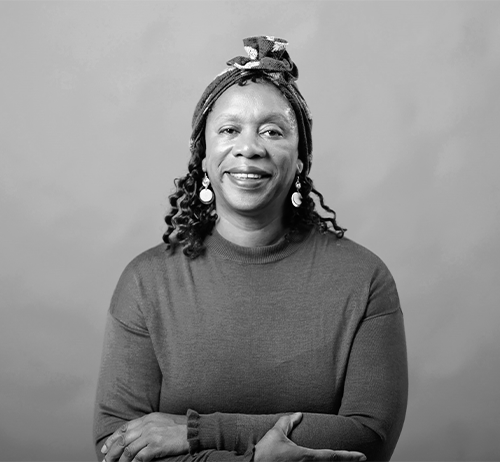
Dawn-Maria France is an award-winning journalist and broadcaster with experience across BBC News, Sky News, TalkTV and ITV News, alongside bylines in national and international publications. Her work focuses on mental health, social affairs, carers’ rights and wellbeing, informed by a background in community care, youth work and psychology.
READ MORE: ‘First Adolescence, now Inside the Manosphere. How do we protect boys from misogynistic alpha male influencers?‘. New global data suggests a worrying rise in sexist attitudes among some young men. As Louis Theroux’s new Netflix documentary explores the online “manosphere”, the scale of the problem is becoming harder to ignore, writes Dr Stephen Whitehead.
Do you have news to share or expertise to contribute? The European welcomes insights from business leaders and sector specialists. Get in touch with our editorial team to find out more.
Main image: Ron Lach/Pexels