New global data suggests a worrying rise in sexist attitudes among some young men. As Louis Theroux’s new Netflix documentary explores the online “manosphere”, the scale of the problem is becoming harder to ignore, writes Dr Stephen Whitehead
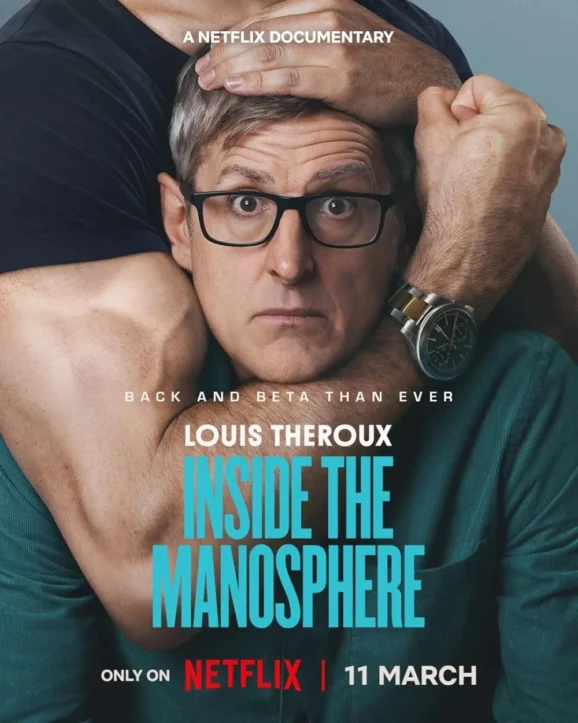
Louis Theroux: Inside the Manosphere has landed on Netflix. For 90 minutes, the veteran documentarian travels to Miami, New York and Marbella to meet the influencers and content creators reshaping how millions of young men think about women, power and themselves.
It is Theroux at his most discomfiting — probing and quietly persistent, allowing his subjects to reveal themselves on their own terms.
The timing is striking. Theroux has described the film as arriving in the wake of last year’s drama series Adolescence, which explored similar territory through fiction. What emerges is troubling. One was a work of fiction while the other brings the real world into view. Together they point to a picture that any responsible society should find deeply unsettling.
I have been writing about men and masculinities for more than thirty years, and I published Toxic Masculinity in 2019. At the time the phrase was often dismissed as provocative. Today it is widely recognised as shorthand for a cluster of attitudes that harm both men and women. The question is no longer whether there is a problem but whether we are prepared to address it.
The manosphere —that section of the internet that endorses toxic masculinity and sexist views — is itself not a fringe phenomenon. It is a loosely connected network of online communities, influencers and content creators promoting the idea that modern society is biased against men and that the remedy lies in a return to dominance-based masculinity. Its vocabulary has entered mainstream conversation: “red-pilling”, “incels”, “hypergamy” and the idea of “sexual market value”.
Some of its most visible figures command audiences in the millions. Andrew Tate — currently facing charges of human trafficking and rape in Romania and under investigation in the United Kingdom — remains one of the most searched individuals on the internet.
What distinguishes Theroux’s approach is patience. He does not arrive to denounce his interviewees. Instead he listens, asking questions and allowing them to explain their worldview. What emerges is more complex than simple caricature. These men are clearly reaching an audience. Their messages resonate with young men who feel disoriented by rapid social change.
That sense of disorientation is real and deserves serious attention. It does not excuse the answer the manosphere offers: a narrative of grievance and entitlement that frames women as the source of men’s frustrations.
Theroux’s documentary has landed alongside research that gives this debate statistical weight. A major survey published by Ipsos and the Global Institute for Women’s Leadership at King’s College London — conducted across 29 countries with more than 23,000 respondents to mark International Women’s Day — produced findings that should concern anyone who assumes generational progress on gender equality is inevitable.
Nearly a third of Gen Z men worldwide — 31 percent — agreed that a wife should always obey her husband. A further 33 percent said husbands should have the final word on important family decisions. These are not the views of ageing traditionalists but of men aged between 14 and 28 — the most digitally connected generation in history.
More striking still, the figures are roughly double those recorded among Baby Boomer men, of whom only 13 percent expressed the same view. Somewhere between the post-war patriarchal era and the TikTok generation, something appears to have gone wrong.
The contradictions in Gen Z male attitudes are particularly revealing. This same generation was also the most likely to say that a woman with a successful career is more attractive. Female ambition is admired, yet expectations of obedience remain. Almost a quarter — 24 percent — think women should avoid appearing too independent. Three in ten say men should not tell male friends they love them. More than one in five believe men who care for children are less masculine.
These attitudes narrow the range of what masculinity allows men to be.
Former Australian prime minister Julia Gillard, now chair of the Global Institute for Women’s Leadership, has warned that such attitudes limit both women and men. A zero-sum view of gender — where progress for women is interpreted as loss for men — damages everyone involved.
The attitudinal data is troubling, but the behavioural evidence is even more concerning.
On International Women’s Day itself, the Youth Justice Board for England and Wales published an evidence pack examining harmful sexual behaviour, misogyny and violence among children. Proven sexual offences committed by children rose by 47 percent in 2023–24 and increased by a further six percent the following year.
Sexual harassment and image-based abuse are now widely reported by girls in schools as part of everyday school life.
A YouGov survey published earlier this year found that nearly half of UK primary and secondary school teachers believe misogynistic attitudes among boys are a significant problem. Among secondary school teachers, 54 percent said boys openly express such attitudes in class. More than 40 percent of young men also reported a positive view of Andrew Tate.

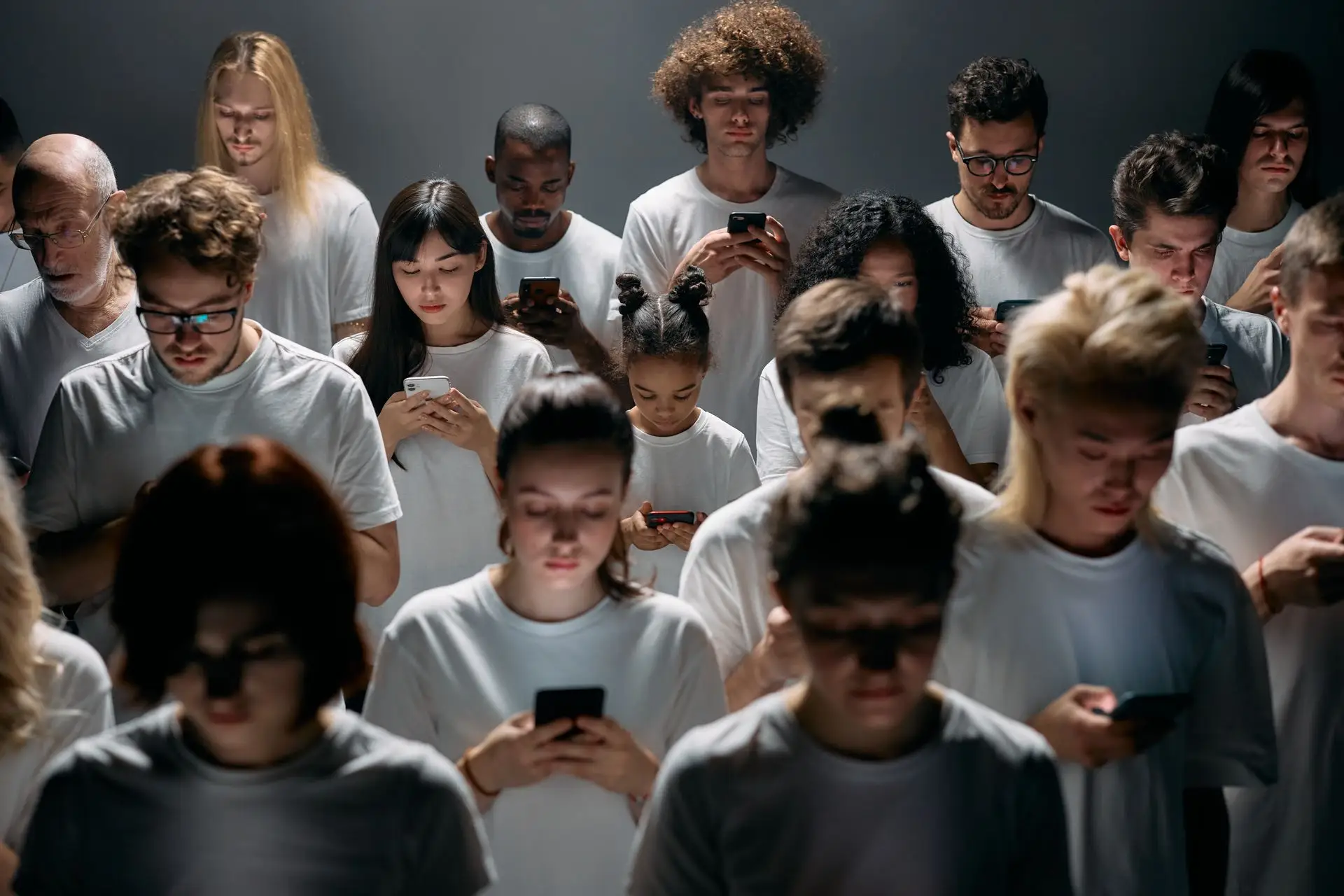
These figures form a pattern. The attitudes documented by Ipsos and King’s College London are developing somewhere. The Youth Justice Board statistics represent their downstream effects. Theroux’s documentary shows the ecosystem in which this shaping occurs: social media algorithms that reward outrage, influencers who profit from male insecurity, and the long hours boys spend inside digital spaces that frame women as adversaries.
This article is not an indictment of all men. Framing it that way would be counterproductive.
A major study drawing on data from more than 15,000 men in New Zealand found that only around one in ten displayed clear markers associated with toxic masculine attitudes. Most men are not the problem. Yet most men still have a role in addressing it.
Cultural change rarely begins in legislation but in everyday interactions: fathers talking with their sons, teachers challenging harmful language and friends refusing to treat misogyny as humour.
There is also a growing political dimension to this divide. Research suggests British Gen Z men are noticeably more right-leaning than women of the same age. In the United States the gap is wider still, with women aged 18–30 significantly more liberal than their male peers.
The manosphere is therefore becoming more than a cultural curiosity. It is shaping attitudes, identities and political behaviour.
Louis Theroux has long had a talent for creating conversations in which his subjects feel comfortable revealing more than they perhaps intended. In Inside the Manosphere, that skill is used to explore a simple but important question: who exactly is shaping the worldview of the next generation of men?
The answer that emerges is a mixture of grievance, performance and commercial opportunism packaged as masculine authenticity.
What links Theroux’s documentary, the latest research findings and the Youth Justice Board’s statistics is the quiet but profound miseducation of boys. It is not taking place in classrooms but during the private hours they spend online, absorbing a version of masculinity that diminishes everyone it touches — including themselves.
In my book Toxic Masculinity, I wrote that if men learn to be peaceful, society becomes safer for everyone. That remains true today.
The culture-war framing surrounding these debates — which treats concern about male violence as hostility toward men — has obscured what is actually at stake. Supporting the wellbeing of women and girls does not conflict with supporting boys and men. The two goals are inseparable.
International Women’s Day has once again focused attention on gender equality. The arrival of Theroux’s documentary during the same week has brought another conversation into the open.
Both point toward the same conclusion. Ignoring it would be the real mistake.

Dr Stephen Whitehead is a gender sociologist and author recognised for his work on gender, leadership and organisational culture. Formerly at Keele University, he has lived in Asia since 2009 and has written 20 books translated into 17 languages. He is based in Thailand and is co-founder of Cerafyna Technologies.
READ MORE: ‘Celebrities who apologise after a scandal get a better reaction than those who deny it, study finds‘. Instagram users are more likely to back famous figures who show remorse and accept responsibility after a scandal, while denial and evasive statements tend to trigger the fiercest backlash.
Do you have news to share or expertise to contribute? The European welcomes insights from business leaders and sector specialists. Get in touch with our editorial team to find out more.
Main Image: Towfiqu barbhuiya/Pexels