How to become a (sales) guru

Andrew Horn
- Published
- Opinion & Analysis

Mindfulness might be all the rage among executives but by digging a little deeper into the ancient Indian spiritual teachings that underpin it, professionals can become gurus in life and at winning new business, writes our health and wellbeing correspondent, Andrew Horn
It’s dog-eat-dog world, and nowhere does it bite harder than when it comes to closing sales. Words such as ‘fast-paced’ and ‘competitive’ don’t begin to describe the realities of a situation where the pressure to land that account is often off the dial.
Unfortunately, the winning tactics required are confidence, clarity, and the ability to connect with your potential clients—things that can be particularly challenging to bring to the table when the stress is bearing down.
Now, there’s no end to executive self-help books on the subject, some global bestsellers, but their typically pseudo-intellectual, dry-as-dust dissections aren’t the only way to professional growth. Rather than spend your cash on a handbook, or get your company to foot the eyewatering bill for a workshop or two, we can learn a lot about becoming a sales guru by looking to the home of the original gurus: India.
The Sanskrit word ‘guru’ means someone who is a mentor, guide, expert, or master. We all want to master our sales techniques and having been both a Hare Krishna monk and, latterly, a businessman, I know firsthand how ancient Indian spiritual principles have much to teach us today.
One of the most powerful teachings handed down from the ancients is mindfulness—the practice of maintaining full awareness of the present moment. Why? Because heightened awareness and keeping your focus in the present allows you to turn down the internal pressure. This helps to read clients better, to anticipate objections, and to respond with clarity. The Bhagavad Gita describes the mind as both an ally and an obstacle; when controlled, it fosters focus and insight, but when left unchecked, it leads to distraction and inefficiency.
Breath control is key to being mindful. In stressful situations, that growing sense of anxiety can be disastrous for winning the sale, bringing about rushed conversations, poor listening, and a palpable aura of collapsing confidence. Practising deep, controlled breathing before important meetings can help regulate those troublesome emotions so you come across as someone in full control. Clients will note it and naturally assume the same level of mastery will be shown on their account. The internet’s full of quick and easy-to-follow breathing exercises. A simple one involves placing one hand on your chest and the other on your belly, taking slow, measured breaths, and visualising success with each inhale while releasing tension with each exhale.
I would like to reference, verbatim, an easy, but essential means to perfect breath control as inculcated in me by good-guru/mindfulness aficionado-in-chief, Eli Barosco: “In the words of the great Zen Buddhist Master Thich Nhat Hanh: ‘Breathe, you are alive!’”
Another crucial lesson, and one too often overlooked, is the importance of selfless service. In sales, there is often an urge to close deals quickly, sometimes at the expense of genuine client relationships. Indian philosophy underlines that true success lies in prioritising the needs of others. The Sanskrit phrase “a-manina, mana-dena” translates to “do not seek honour, but be prepared to offer it to others.” It might sound a bit too lofty for the real world but taking a little extra time and effort to understand your clients’ true needs means you can offer solutions that genuinely benefit them rather than just focusing on short-term wins.
Ultimately, the bona-fide sales guru is akin to the Hindu guru: someone who has inner confidence, composure, insight, and the ability to build trust and create lasting relationships. Draw upon the same teachings they use to master themselves and you have a comprehensive framework for transforming your hit rate, growing your business and yourself at the same time.
Author Andrew Horn, the son of the great neuroscientist Sir Gabriel Horn and grandson of the socialist peer Baron Soper, is widely regarded as one of the world’s leading experts on traditional Indian and Sanskrit drama whose English translation of the epic 16th-Century Vidagdha Madhava by Rupa Goswami is considered the most accurate ever published. Despite his notable lineage, Andrew chose a different path, becoming a Hare Krishna monk for 20 years. During this time, he was given the name ‘Arjundas Adhikari’, signifying devotion to the hero Arjuna from the Mahabharata. He also appeared on Top of the Pops with Boy George for the singer’s 1991 hit, Bow Down Mister.
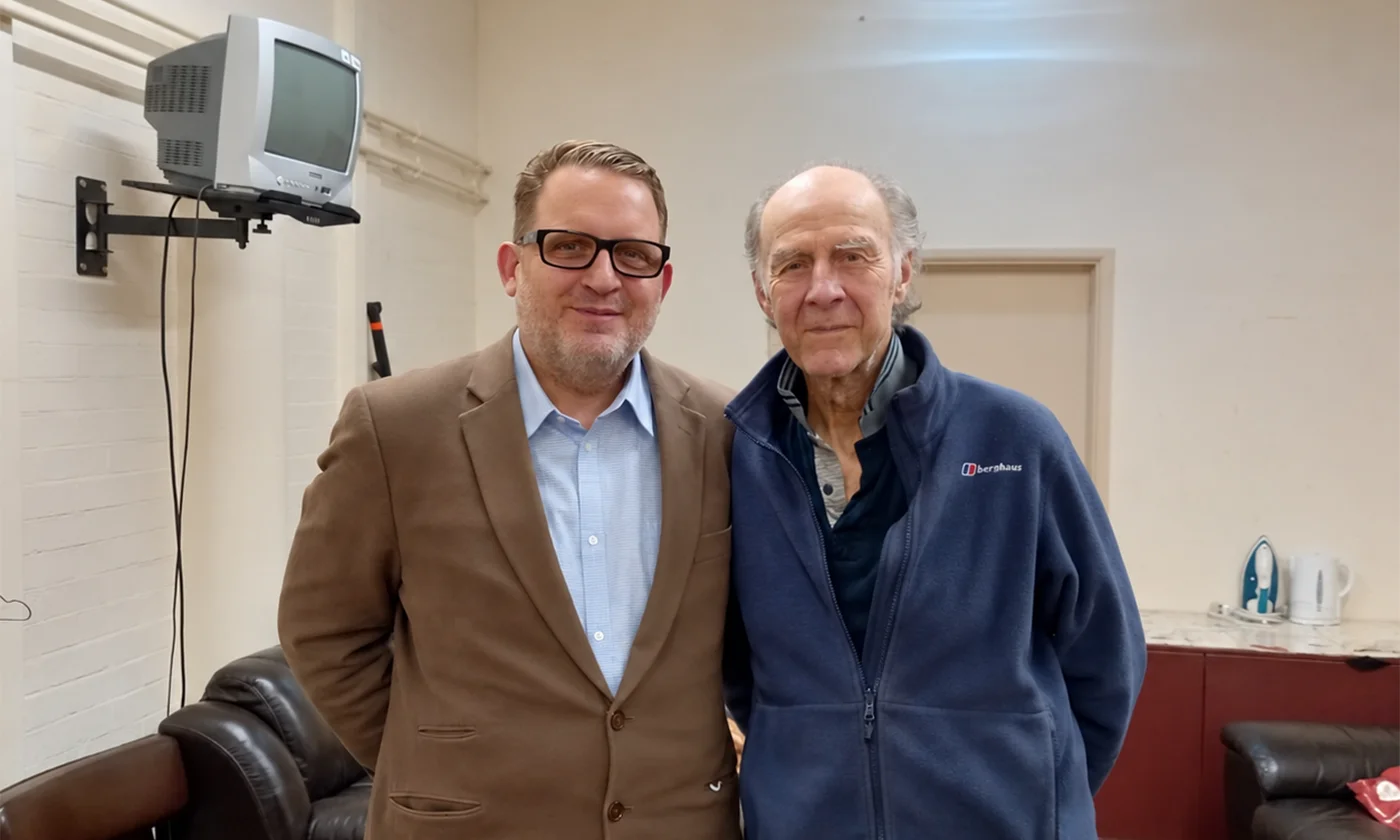
Main image: Andrew Horn.
TOP STORIES
-
 France faces freezer meltdown as hackers strike supermarket chains
 -
Bumble shares soar 50% amid $1bn takeover talks
-
China slump drives Volkswagen to sharpest quarterly fall in more than four years
-
Hollywood mega-powerhouse created as Paramount completes Warner Bros Discovery takeover
-
Gamers face gridlock as latest Grand Theft Auto download 'nears two days'
-
Samsung profits soar ninefold to record £61bn amid AI chip boom
-
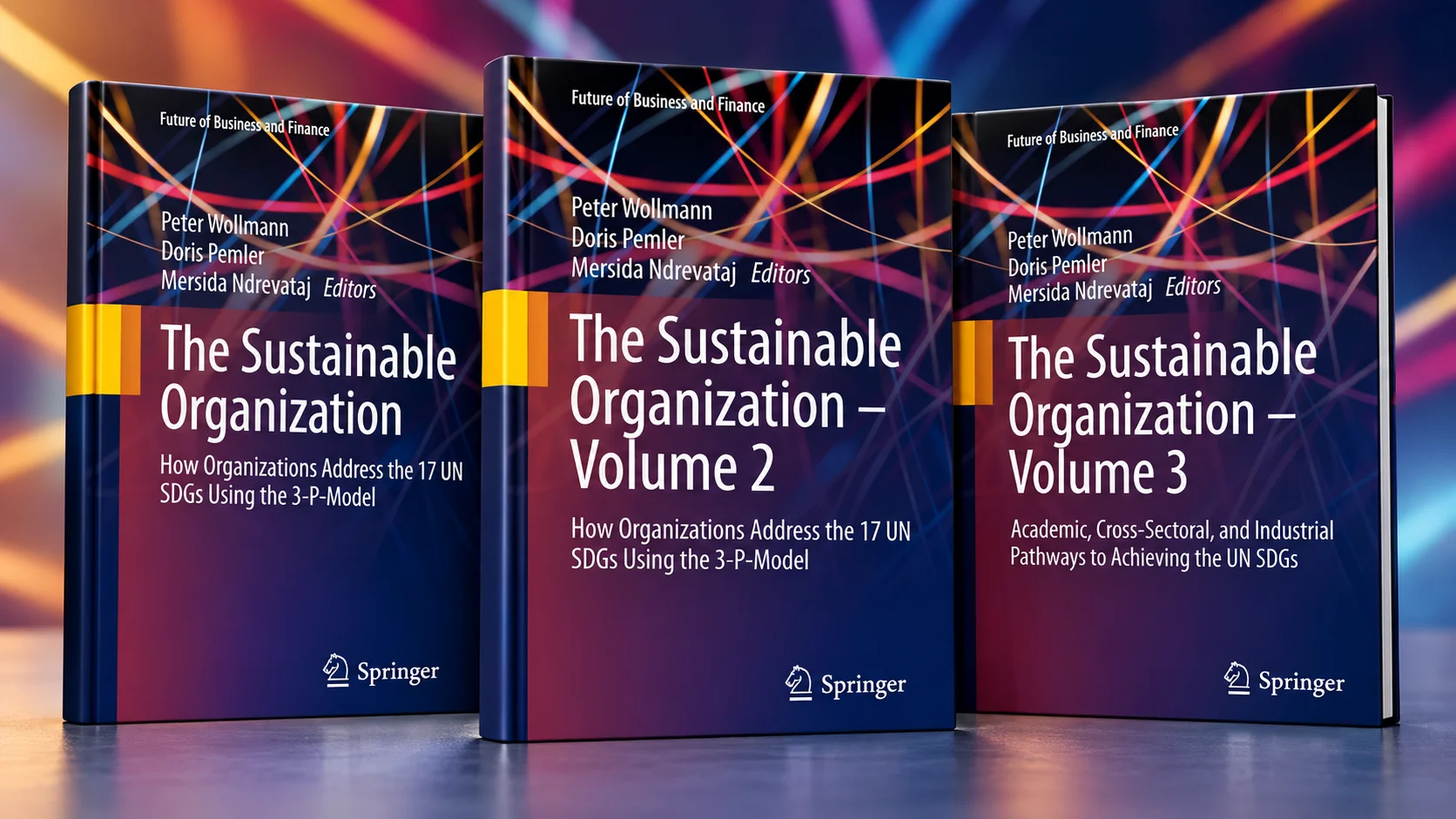
New Springer books put the UN’s struggling sustainability goals to the real-world test
-
Europe’s solar boom set for two-year slowdown after record growth
-
Let it pea. Musicians turn vegetables into instruments at Beatles' Abbey Road studios
-
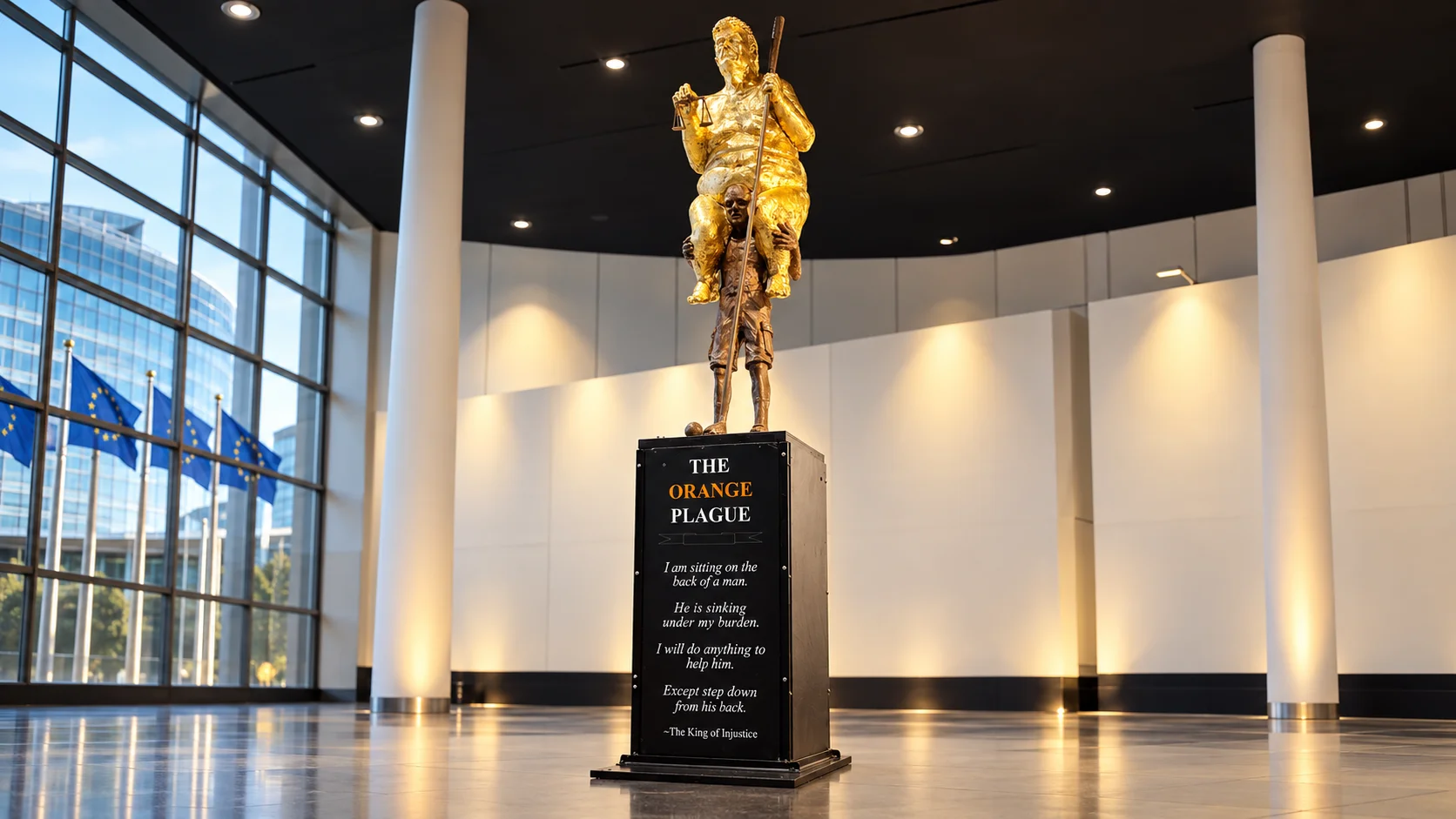
Golden naked Trump statue unveiled at European Parliament
-
Jaguar puts controversial rebrand on the road with £130K 1,030PS Type 01
-
Deepfakes and identity fraud drive new wave of post-hire background checks
-
Spain crowned Europe’s top retirement destination
-
More than half of UK professionals report workplace burnout
-
More than 1.2m English drivers may have eyesight too poor for the road, study finds
-
David Reuben, Britain’s second richest person, leaves London for Monaco
-
UK prisoner release plan faces a major lag as tougher rules risk sending inmates back to jail
-
Brits trust AI with their health but not their money
-
Britain still hungry for Italian food as exports hit €4.56bn despite Brexit
-
Women who earn more than their partners still pay the price at work, landmark study finds
-
Vape expectations go up in smoke as new UK tax sparks fury
-
Robot sales rocket 24% as 250,000 machines snap up jobs in warehouses, hotels and hospitals
-
New-build homeowners should not be left with ‘mud and a fence’, campaigners warn
-
Bank of England governor warns AI poses growing ‘increasingly significant’ threat to financial stability
-
UK economy grows faster than first thought as household incomes bounce back






















TOP STORIES
-
A Thai queen’s solo jet flight shatters the male macho pilot stereotype
-
Barclays offers a golden lesson in how not to handle a return-to-office mandate
-
Rethink AI governance or risk an uncontrolled intelligence explosion
-
Young people are living through a rights crisis
-
Strong leaders know when to make a U-turn
-
Life’s last expedition should not be made alone
-
If the NHS can’t be a place of psychological safety for staff, where can?
-
Under fire, Iran’s carpet weavers fight to keep an ancient art alive
-
How COVID silenced my music and taught me to listen to my body
-
Marisa Papen – the naked truth behind one of the world's most controversial models
-
The blame game – why Britain can't stand losing
-
As hospitals shut out fresh air, common sense goes out the window
-
The law must catch up with the sexual exploitation risks posed by wearable cameras
-
Who governs 900 billion AI agents?
-
Why disabled musicians are still struggling to get a fair hearing from record labels
-
The five types of masculinity and what they reveal about modern men
-
Who let the bots out? The disturbing truth behind rogue AI
-
Palm oil steals a march on rivals ahead of new EU food safety rules
-
Who pays the price when men withdraw from society?
-
Smart glasses and AI are opening a new route to sexual exploitation
-
Europe risks losing its cleantech stars to the US
-
Lost in translation: can Europe's publishing industry sustain its linguistic diversity?
-
No, Elon, AI won't make money obsolete
-
Brussels’ sustainability rollback has exposed a crisis of corporate belief
-
AI regulation has a knowledge problem