No eclipse glasses? How to watch tonight’s spectacle without risking your sight

John E. Kaye
- Published
- News
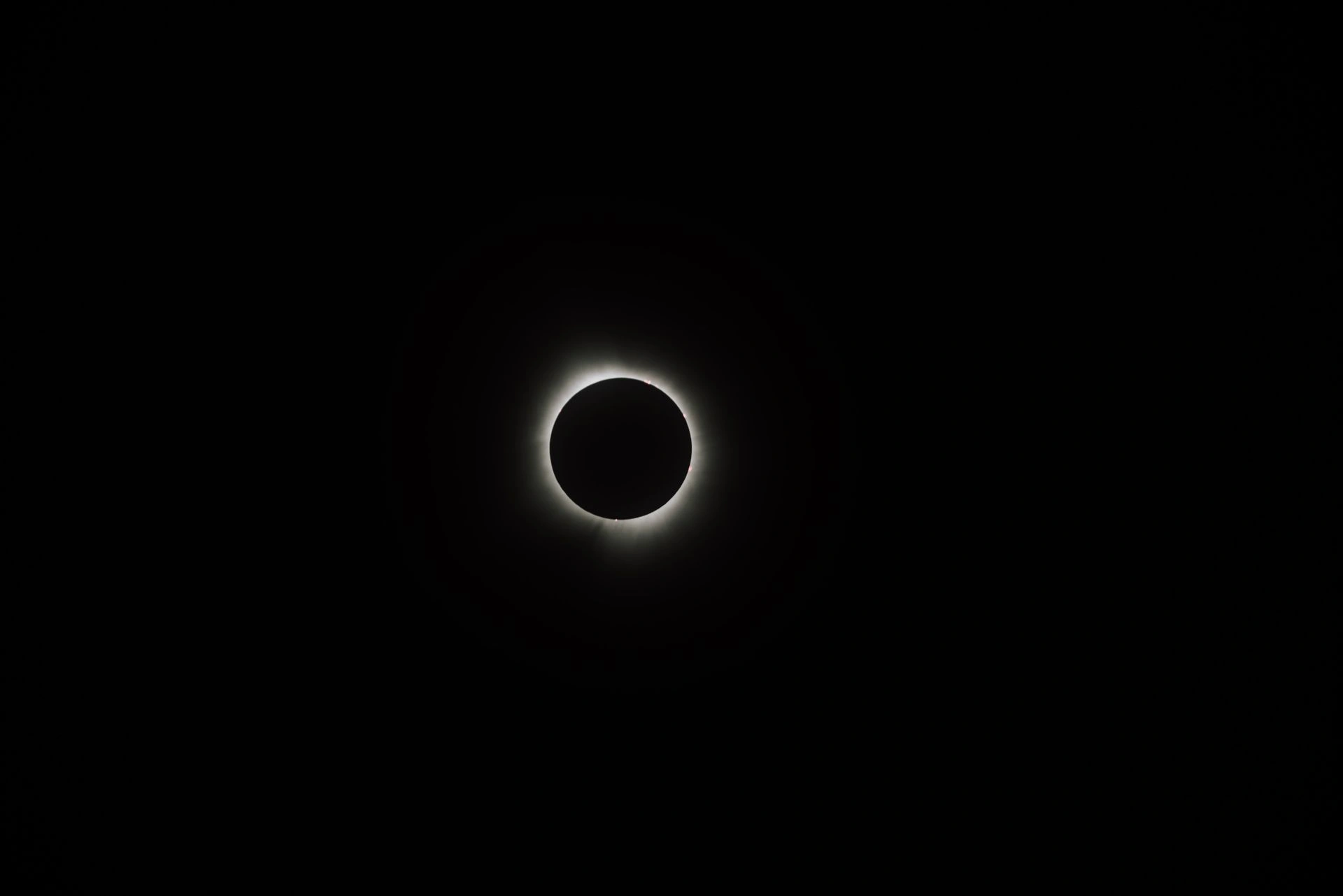
Certified solar glasses are increasingly difficult to find – but experts say there are still safe ways to see the eclipse without looking directly at the Sun
Britons who have failed to get hold of solar glasses can still watch today’s spectacular eclipse safely – as long as they do not look directly at the Sun.
Eye Health UK today issued advice on how to view the eclipse indirectly amid poor availability of certified solar glasses and a last-minute scramble to find them.
The charity said glasses meeting the ISO 12312-2:2015(E) safety standard are difficult to find, with far fewer high-street retailers stocking them than during the 1999 eclipse.
Online orders placed this week are not guaranteed to arrive before this evening, while people have taken to social media in an effort to track down suitable glasses on a click and collect basis.
But missing out on a pair does not mean missing this evening’s eclipse, when the Moon is expected to cover between 90 per cent and 96 per cent of the Sun across the UK.
Eye Health UK said people without proper glasses can watch safely on TV or through an online livestream, or use a simple pinhole projection method to see the eclipse without looking towards the Sun.
A homemade viewer requires only two pieces of thin but stiff white cardboard.
A small, clean pinhole should be made in one piece before the viewer stands with their back to the Sun.
The second piece of cardboard is then held up as a screen and moved until an inverted image of the Sun appears on it.
David Cartwright, chair of Eye Health UK, said: “Take two thin, but stiff, pieces of white cardboard. Punch a small, clean pinhole in one piece of cardboard.
“Don’t make the pinhole too big or you will only have a shaft of sunlight rather than an image of the crescent sun.
“Stand with your back to the sun, holding up the piece of cardboard with the hole in it. Hold the other piece of cardboard as a ‘screen’ in your other hand and move it until an inverted image of the sun appears on it. To make the image sharper, move the screen closer to the pinhole.”
“Remember, do not look directly at the sun through the pinhole.”
A colander can also be used to project an image of the Sun and allow people to follow the eclipse without looking directly at it.
Looking at the Sun without specialist protection can cause solar retinopathy, a form of retinal damage that can lead to central blind spots, blurred or distorted vision and light discomfort.
Seventy people suffered serious eye damage after the last major eclipse visible in the UK, with many affected after looking at the Sun for only a few seconds.
People should not try to improvise eye protection using ordinary sunglasses, even those with very dark lenses.
Nor should they look directly at the eclipse through cameras, binoculars or telescopes.
Those who have managed to obtain certified solar glasses should check that they are intact and free from marks or tears before using them.
Children should not wear adult-sized solar glasses because they may not fit securely enough to provide proper protection.
Anyone who notices changes to their vision after watching the eclipse should seek medical attention from an optometrist or healthcare professional immediately.
Cartwright added: “We’re urging people not to be tempted to look at the eclipse without proper protection.
“If you’re unable to purchase a pair of certified solar glasses, it’s vital you view it indirectly. Failing to protect your eyes whilst looking towards the sun can lead to solar retinopathy – central blind spots, blurred or distorted vision, and light discomfort.”
READ MORE: ESA creates artificial eclipses to predict tomorrow’s real one. European Space Agency uses satellites flying 150 metres apart to forecast the Sun’s corona ahead of total eclipse over parts of Europe.
Do you have news to share or expertise to contribute? The European welcomes insights from business leaders and sector specialists. Get in touch with our editorial team to find out more.
Main image: K via Pexels
TOP STORIES
-
 Britain faces higher winter energy prices as reliance on European electricity imports grows
 -
Andy Burnham to make special Gogglebox appearance for Stand Up To Cancer
-
WPSL Golf targets £120 million valuation as billionaire-backed corporate deals and other commercial deals drive explosive global growth
-
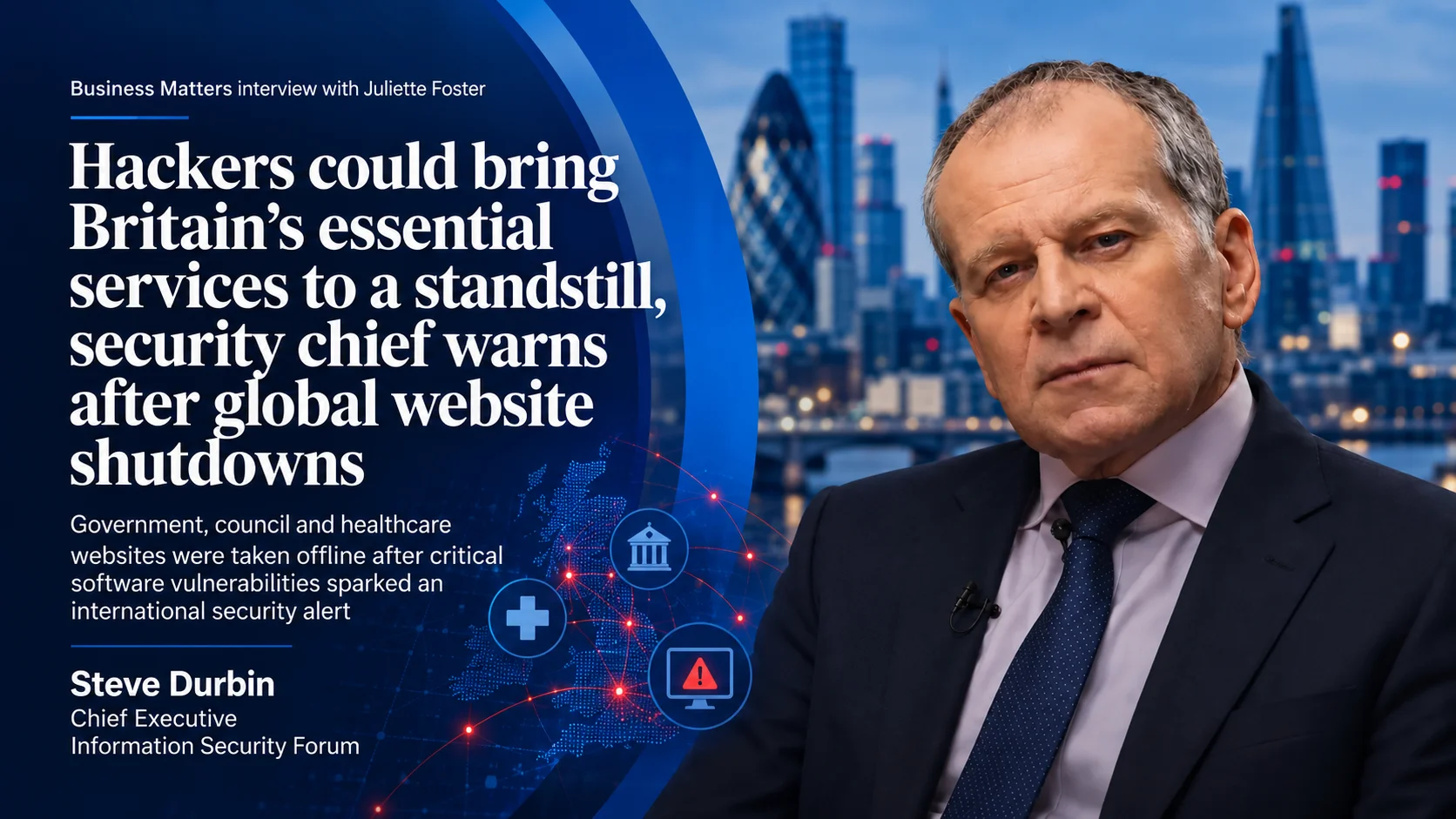
Hackers could bring Britain’s essential services to a standstill, security chief warns after global website shutdowns
-
We're talking to almost twice as many people on the phone as a decade ago, study finds
-
TalkTalk sells majority stake in Telecom Acquisitions as founder Nigel Barnett regains control
-
Company closures soar ahead of tax rises as new Budget looms
-
Russia takes control of more European corporate assets amid Ukraine tensions
-
EU leaders resist calls to delay carbon rules as energy costs soar
-
‘A big step forward’ – PM Andy Burnham hails plans for Great British Railways HQ in Derby
-
UK economy grows just 0.1 per cent as construction falls and services stall
-
Germany risks losing €155bn a year under tighter AI data rules, new study warns
-
Pope Leo XIV diagnosed with lung cancer after surgery in Rome
-
France faces freezer meltdown as hackers strike supermarket chains
-
Bumble shares soar 50% amid $1bn takeover talks
-
China slump drives Volkswagen to sharpest quarterly fall in more than four years
-
Hollywood mega-powerhouse created as Paramount completes Warner Bros Discovery takeover
-
Gamers face gridlock as latest Grand Theft Auto download 'nears two days'
-
Samsung profits soar ninefold to record £61bn amid AI chip boom
-
New Springer books put the UN’s struggling sustainability goals to the real-world test
-
Europe’s solar boom set for two-year slowdown after record growth
-
Let it pea. Musicians turn vegetables into instruments at Beatles' Abbey Road studios
-
Golden naked Trump statue unveiled at European Parliament
-
Jaguar puts controversial rebrand on the road with £130K 1,030PS Type 01
-
Deepfakes and identity fraud drive new wave of post-hire background checks