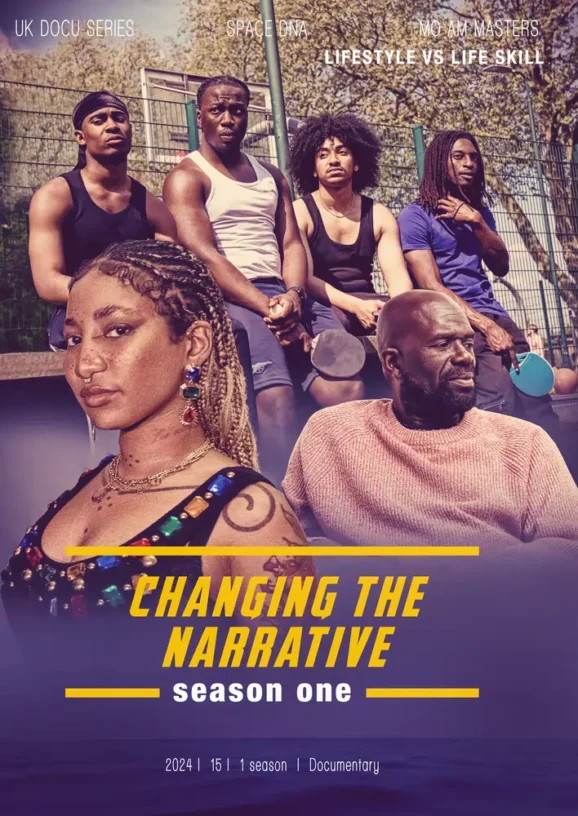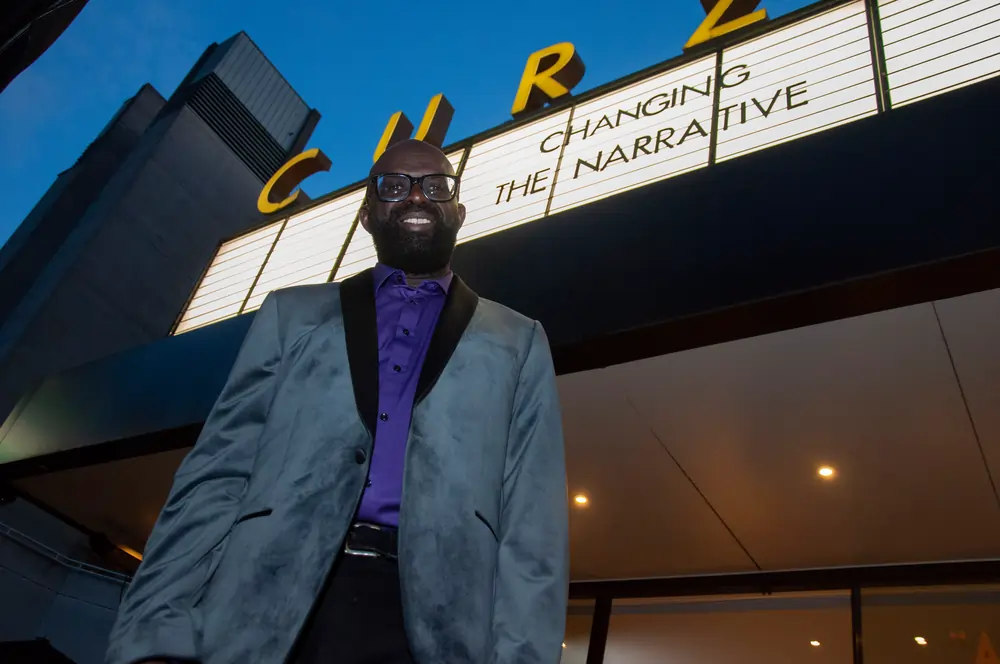
As filmmaker Ed Accura’s latest documentary series, Changing the Narrative, concludes its impactful five-week run —having shined a spotlight on the “shameful reality” that 97% of Black adults and 96% of Asian adults in England do not swim or participate in other water-related activities—he poses a vital question: will stakeholders now step up to dismantle these barriers or let the status quo persist?
As we conclude the transformative five-week release of the documentary series “Changing the Narrative“, we stand at a pivotal crossroads.
Having unveiled the deeply personal barriers that have hindered youth participation in aquatics within African, Caribbean, and Asian communities, we must now demand bold action. It is no longer acceptable to passively acknowledge these disparities.
We challenge the aquatic sector, national governing bodies, the education system, media, corporate leaders, and community stakeholders: Will you take decisive steps to dismantle these barriers, or will you perpetuate the status quo?
The goal of this documentary was to ignite meaningful conversations with young people about the low participation rates in swimming activities within Black and Asian communities. We are pleased to see the impact this series has had, engaging the younger generation in unprecedented ways through powerful storytelling and open dialogue.
The documentary reveals the daily realities faced by these individuals, showcasing their personal experiences in various daily settings. At its core, it addresses the critical issue of limited aquatics participation by inviting honest discussions about their experiences and the broader social implications. Topics explored include mental health, physical health, aquatic career pathways, family challenges, dietary choices, religion, culture, and media representation—all supported by concerning statistics from the latest Active Lives data.
“Changing the Narrative” emphasises the importance of integrating swimming into youth culture and highlights the role of young people as future parents, leaders, and policymakers. It calls for a collective effort to dismantle the longstanding challenges surrounding aquatic participation. As the narrative unfolds, viewers are invited to engage in the vital conversation about breaking the cycle of low engagement in swimming across different ethnicities.
We have listened to the stories of struggle, anxiety around water, and the challenges faced. It is imperative that we do not let this opportunity for change go to waste.
Many have suggested that Black and Asian youths are hard to reach, making conversations about aquatics and other related subjects difficult. However, this documentary has proven that the communication barriers can be dismantled. The opportunity for dialogue has been opened.
So, I ask again: What will stakeholders do with the knowledge and insights gained from this documentary? Are we going to continue believing that we are doing everything possible to increase aquatic participation in these communities? Will we park this conversation and continue on the next Black History Month, or will we take meaningful action to create change?
The question remains: What will have changed in five years? Are we going to allow this moment to pass without meaningful action? Will we ever change the narrative and create a more inclusive aquatic environment for future generations?
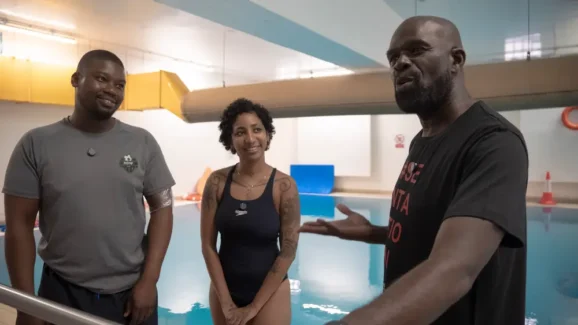
Ed Accura is known internationally as the co-founder of the Black Swimming Association (BSA), a non-for-profit organisation that aims to increase diversity to the world of aquatics through research, education and advocacy, and as the acclaimed filmmaker behind groundbreaking documentaries including Blacks Can’t Swim, a three-part series released on Amazon Prime, SKY, Apple TV and Google Plus to encourage more people from African, Caribbean and Asian heritage in England to learn how to swim. His latest five-part docuseries, Changing the Narrative, premiered on September 29th 2024 and explores the limited participation of African, Caribbean, and Asian communities in aquatics. It has been released weekly throughout October to mark Black History Month.