As economic pressure, fragmented communities and increasingly screen-led lives reshape modern society, millions of people are finding meaningful human connection harder to sustain. Britain’s loneliness crisis now demands urgent action, writes Dawn-Maria France
Loneliness in Britain is often framed as a personal failing, the result of spending too much time online or not making enough effort socially. “You should get out more and meet people” may be well-meaning advice but loneliness is far more complex than that, shaped as much by the conditions we live in as by individual behaviour.
Across the UK, modern life is making meaningful connection harder both to build and to sustain. As James Preece, an expert in social connection and relationships, notes, loneliness is “almost always caused by social and economic conditions” rather than the individual alone.
During the pandemic, loneliness became a far more visible public issue as lockdowns and social restrictions left many people isolated for extended periods. But according to the UK Government’s Community Life Survey, around seven per cent of adults — roughly four million people — still report feeling lonely on a regular basis, while 22 per cent experience loneliness at least some of the time. The problem has clearly persisted well beyond the immediate aftermath of Covid.
Perhaps unsurprisingly, social isolation has also been linked to poor mental and physical health. The NHS reports that severe or long-lasting loneliness can increase the risk of conditions such as dementia, stress, anxiety and depression, while other studies have associated loneliness with a greater likelihood of early mortality.
Yet loneliness is not confined to any one demographic. Research by Professor Pamela Qualter of The University of Manchester has repeatedly shown that loneliness affects people across all age groups.
For young adults, the paradox is particularly stark. They have more ways than ever to connect, yet much of that interaction now takes place digitally, where a sense of genuine belonging can be harder to sustain.
While post-pandemic disruption has played a role, it can only explain so much. Many young people are also navigating graduate debt, insecure work, housing instability and delayed life milestones, resulting in lives that feel less rooted and relationships that are harder to maintain. Without anything stable to build around, loneliness can begin to take hold.
In midlife, the pressures shift but the outcome can be the same. Long working hours, family responsibilities and an ongoing cost-of-living crisis leave little time or energy for social connection. With so much pressure and so little free time, maintaining friendships becomes harder while building new ones can feel virtually impossible.
As Preece has noted, “People in their 30s, 40s and 50s start to notice their social circle shrinking due to life changes. Priorities shift, and friendships and relationships end, leaving many feeling displaced and confused about how to find new ones as the rules have changed.
“The old ways — like going down the pub or trying group activities — have been massively cut down due to the cost of living. Even dating has become too expensive for some people, and it’s something they have to do without.”
That decline in shared social spaces matters more than many realise. Over time, Britain has steadily lost many of the everyday places and routines that once created casual human connection, whether through pubs, youth clubs, community groups or wider civic life. What remains is often more fragmented, more transactional and, increasingly, mediated through screens.
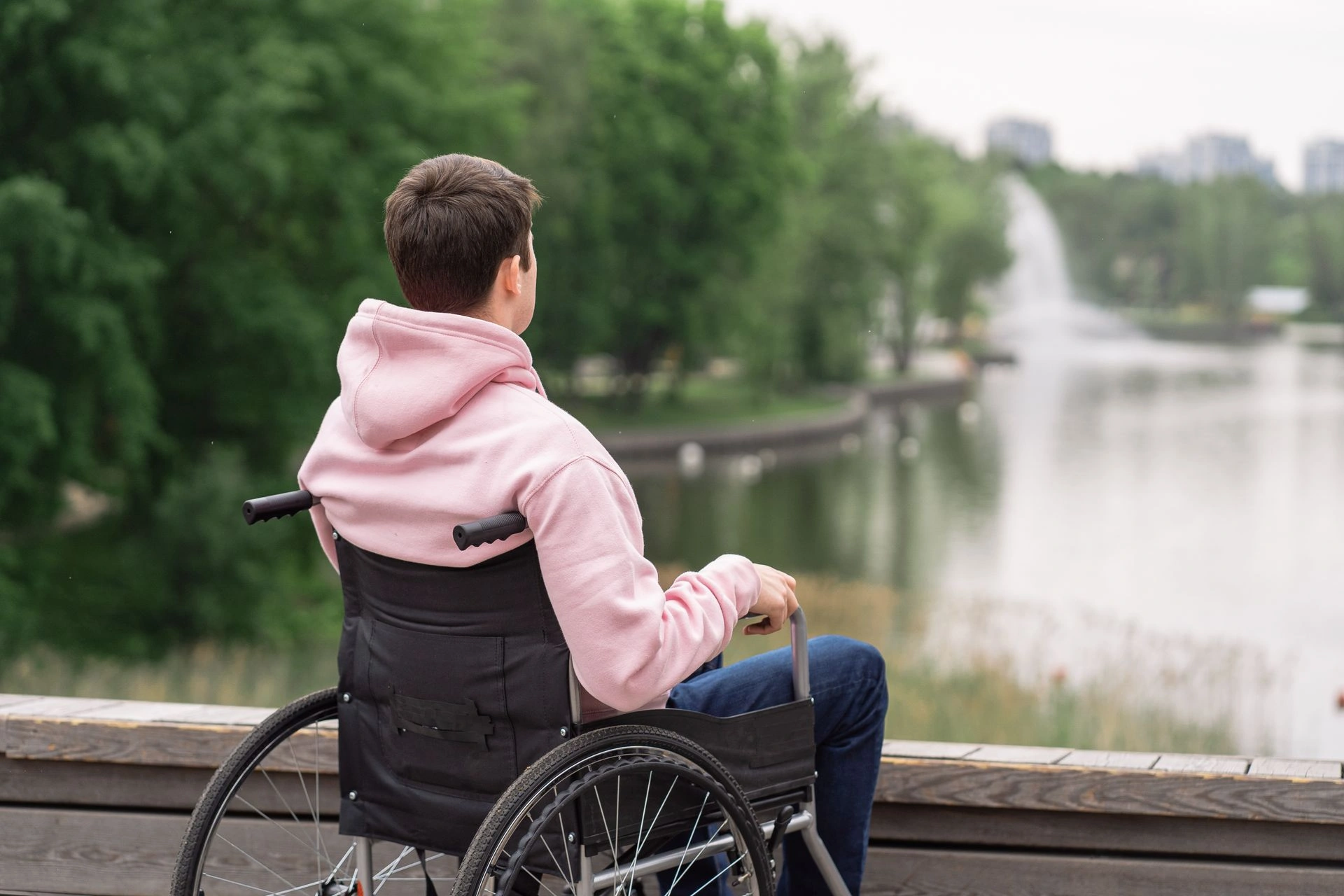
Older adults are often seen as the face of entrenched loneliness, and for good reason. Retirement can bring a loss of routine and identity, while bereavement and shrinking social circles further reduce opportunities for connection. When you add in reduced mobility, social interaction feels even more challenging.
Loneliness in later life is too often treated as inevitable when, in reality, it reflects how little structure society provides for connection beyond working life.
And while loneliness may present differently across age groups, the underlying drivers are often strikingly similar: economic instability, fragmented communities and a lack of shared spaces.
Ultimately, we are living in a society that has made meaningful connections more difficult to maintain. Britain has become a country that breeds loneliness.
For that reason, social isolation must no longer be treated simply as an individual problem. When loneliness is viewed as a personal failing, the solutions offered are inevitably small and often ineffective. Of course, individuals have their part to play in maintaining relationships and building new ones, but the wider conditions shaping modern life cannot be ignored. The most effective solution to the loneliness epidemic will be collective — and immediate.
That response begins with recognising loneliness for what it truly is: a public health and social issue. Government has a role in addressing housing instability and economic insecurity, while employers have a role in enabling balance rather than overwork and creating conditions for life beyond work. Communities, meanwhile, must find ways to rebuild the everyday forms of connection that give people a sense of belonging, particularly in later life.
Professor Julianne Holt-Lunstad, one of the world’s leading experts on loneliness, has been clear that social connection should be treated as a public health priority in the same way governments approach issues such as diet, exercise and disease prevention.
And as Preece has put it, “People need to consistently feel part of a wider community — to have somewhere to go and people to see. It’s not about one-off events, but creating ongoing opportunities for connection.”
Because this is ultimately a structural problem, a structural solution is required. The UK became the first country in the world to appoint a ministerial lead on loneliness in 2018, but nearly a decade later, the conditions driving loneliness remain deeply embedded in everyday life.
Britain doesn’t need more talk about loneliness; it has moved well beyond that point. What it needs now is action to reshape the social conditions that created it in the first place.
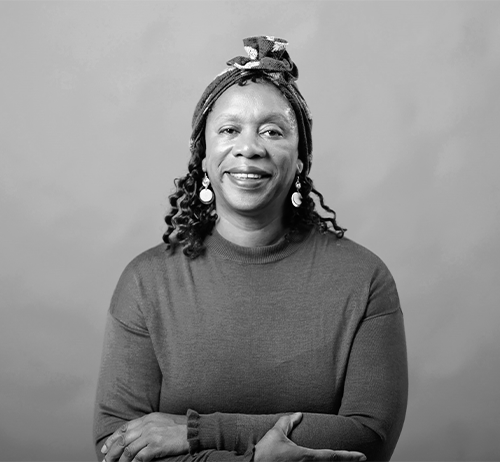
Dawn-Maria France is an award-winning journalist and broadcaster with experience across BBC News, Sky News, TalkTV and ITV News, alongside bylines in national and international publications. Her work focuses on mental health, social affairs, carers’ rights and wellbeing, informed by a background in community care, youth work and psychology.
READ MORE: ‘Starmer’s tough line on teen social media risks making a bad problem worse‘. Today, Sir Keir Starmer will confront the social media giants at Downing Street over child safety online. But banning teenagers from social media risks pushing the problem underground, where it may become harder to spot and harder to tackle, argues our Mental Health & Social Affairs Correspondent Dawn-Maria France.
Do you have news to share or expertise to contribute? The European welcomes insights from business leaders and sector specialists. Get in touch with our editorial team to find out more.
Main Image: Lukas_Rychvalsky/Pixabay