Existing laws can punish many forms of AI-generated sexual abuse but they are less equipped to deal with the covert capture of ordinary images that can provide its source material. In the concluding part of his two-part series, barrister Raj Joshi argues that the law urgently needs to become smarter on smart glasses
Ordinary images of women and children can become source material for AI-enabled sexual exploitation, including footage captured without their knowledge through wearable cameras. The legal question that follows is unavoidable: how does the law respond to a form of harm that can begin at the point of capture, before the victim even knows that exploitation has occurred?
The United Kingdom already criminalises AI-generated child sexual abuse material under existing child-image offences. The Crime and Policing Act 2026 goes further, creating new offences targeting AI models optimised to create such material and strengthening the law on intimate-image abuse. These reforms acknowledge that AI can sexualise children’s images with devastating realism. But they do not address the earlier stage of the pipeline: the non-sexualised capture of ordinary source material. The law criminalises the abusive output but not the silent recording that makes that output possible.
This distinction is critical. The Protection of Children Act 1978 and Criminal Justice Act 1988, as amended, criminalise indecent photographs and pseudo-photographs of children but they don’t criminalise the non-sexualised capture of children’s images in public spaces. A child filmed at a swimming pool, playground or school event without parental consent is not caught by those offences unless the footage itself is indecent.
The Protection from Harassment Act 1997 requires a ‘course of conduct’, meaning that a single act of covert recording will often fall outside the Act. In Majrowski v Guy’s and St Thomas’ NHS Trust [2006] UKHL 34, the House of Lords confirmed that harassment does not require threats or violence, but does require persistence. In R v Curtis [2010] EWCA Crim 123, the Court of Appeal reaffirmed that a single incident will rarely meet the statutory threshold.
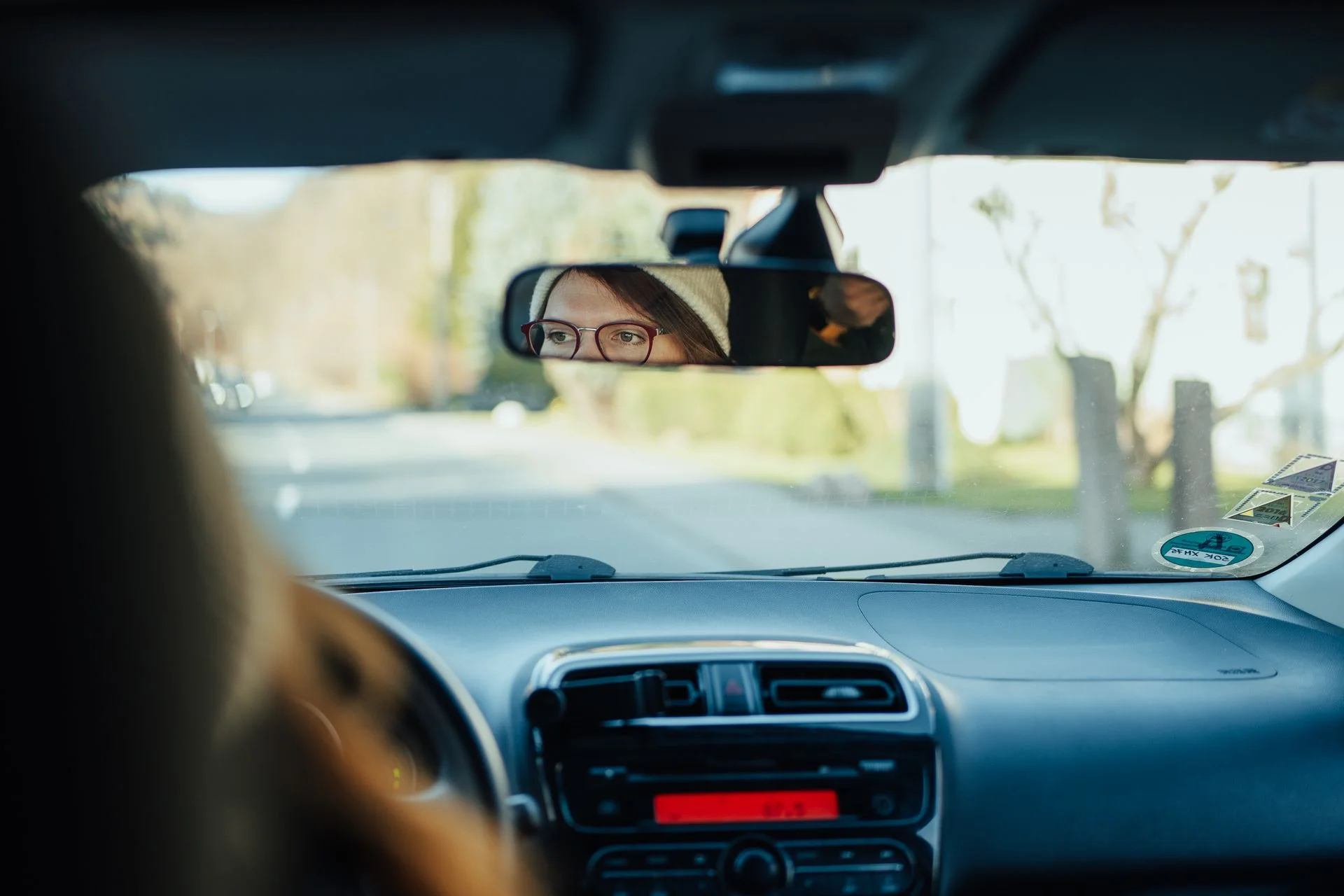
That presents a particular problem with wearable cameras. A woman filmed on a train without her knowledge may not experience distress at the moment of recording because she does not know it has happened. The technology therefore exposes a tension in a legal framework that often depends upon identifiable conduct, awareness and evidence of its effect on the victim.
The voyeurism and upskirting offences are similarly constrained. Voyeurism under section 67 requires observation of a ‘private act’. In R v Bassett [2008] EWCA Crim 1174, the Court of Appeal illustrated how narrowly ‘private act’ is defined, with section 68 limiting it to specified circumstances including exposure of the genitals, buttocks or breasts, use of a lavatory or a sexual act not ordinarily done in public.
Filming a woman in a public space, even in a sexualised manner, will often fall outside the offence. The upskirting offence introduced in 2019 criminalises images taken beneath clothing but does not cover all forms of sexualised filming of women’s bodies in public spaces. These laws were not designed with wearable cameras in mind: devices capable of recording hands-free from ordinary-looking eyewear.
Data protection law provides another layer of protection, but only in certain circumstances. The ‘domestic purposes exemption’ means that individuals filming strangers for purely personal or household use may fall outside data protection obligations. Posting footage publicly on TikTok, Instagram or other social media will not necessarily fall within that exemption, which is limited to genuinely personal or household activity. Women and children can therefore have limited recourse under data protection law against private individuals using smart glasses to record them.
The problem becomes more serious where seemingly ordinary footage is later fed into AI systems to generate synthetic sexual material. The legal framework often treats capture and subsequent abuse as separate events, even though one may provide the source material for the other. This creates a conceptual gap in how the law addresses the relationship between capture and subsequent abuse.

European law faces similar difficulties. The EU Child Sexual Abuse Directive already covers some synthetic material, including realistic images and depictions of a person appearing to be a child. The Digital Services Act places obligations on platforms in relation to illegal content, but enforcement still depends upon detection. The AI Act now also prohibits certain AI systems intended to generate or manipulate child sexual abuse material, but does not itself provide a complete criminal framework for synthetic child sexual abuse material.
The United States has begun to confront the problem more directly, although its jurisprudence also reveals conceptual tensions. Under 18 U.S.C. § 2256(8), ‘computer-generated images’ that are indistinguishable from a minor can be treated as child pornography. This provision has been considered in United States v Bach, 400 F.3d 622 (8th Cir. 2005), United States v Williams, 553 U.S. 285 (2008), and United States v Hotaling, 634 F.3d 725 (2d Cir. 2011).
In Hotaling, the images used the identifiable faces of real minors digitally superimposed onto adult bodies engaged in sexually explicit conduct. The Second Circuit upheld the conviction because the interests of real children were implicated even though the bodies were not theirs. But that distinction raises a deeper question: what happens where synthetic sexual material does not depict an identifiable real child at all? Child sexual abuse material may involve a direct photograph, a composite or a synthetic construct. The social harm does not disappear simply because a particular child cannot readily be identified.
The outrage lies in both the gaps and the assumptions that created them. Much of the law still responds most clearly once harmful material has been created or particular conduct falls within an established offence. Wearable cameras and generative AI make the earlier stage increasingly important: an apparently ordinary act of capture can now provide source material for exploitation that occurs later, elsewhere and potentially without the subject ever knowing.
The reforms required are structural. The United Kingdom needs a new offence of covert recording without consent, covering wearable cameras and silent, hands-free devices. It needs a child-specific recording offence that criminalises the capture of children’s images in public spaces without parental consent, regardless of sexual intent.
Wearable cameras should be regulated as surveillance devices, with mandatory hardware-level safeguards including prominent visual and audible recording indicators, enforced bans in sensitive environments and strict limits on silent recording.
Platforms need obligations under the Digital Services Act and national law to detect and block AI-generated child sexual abuse material proactively. Children and adults alike also need an effective right to digital erasure, recognising that AI-enabled exploitation is age-agnostic and can be rooted in non-consensual capture, manipulation and sexualisation long before the resulting material comes to light.
Europe, meanwhile, cannot continue pretending that its current legal frameworks are adequate. They were built around assumptions of visible cameras, intentional photography and abuse requiring physical proximity. Wearable cameras and generative AI challenge those assumptions.
The machinery of harm described in my last article, Smart glasses and AI are opening a new route to sexual exploitation, is already built. If the law is to keep pace, it must recognise that the chain of harm can begin before the final abusive image exists. The question now is how far protection should extend upstream towards the point of capture – and whether the United Kingdom, with its proud tradition of child protection law, is willing to lead.

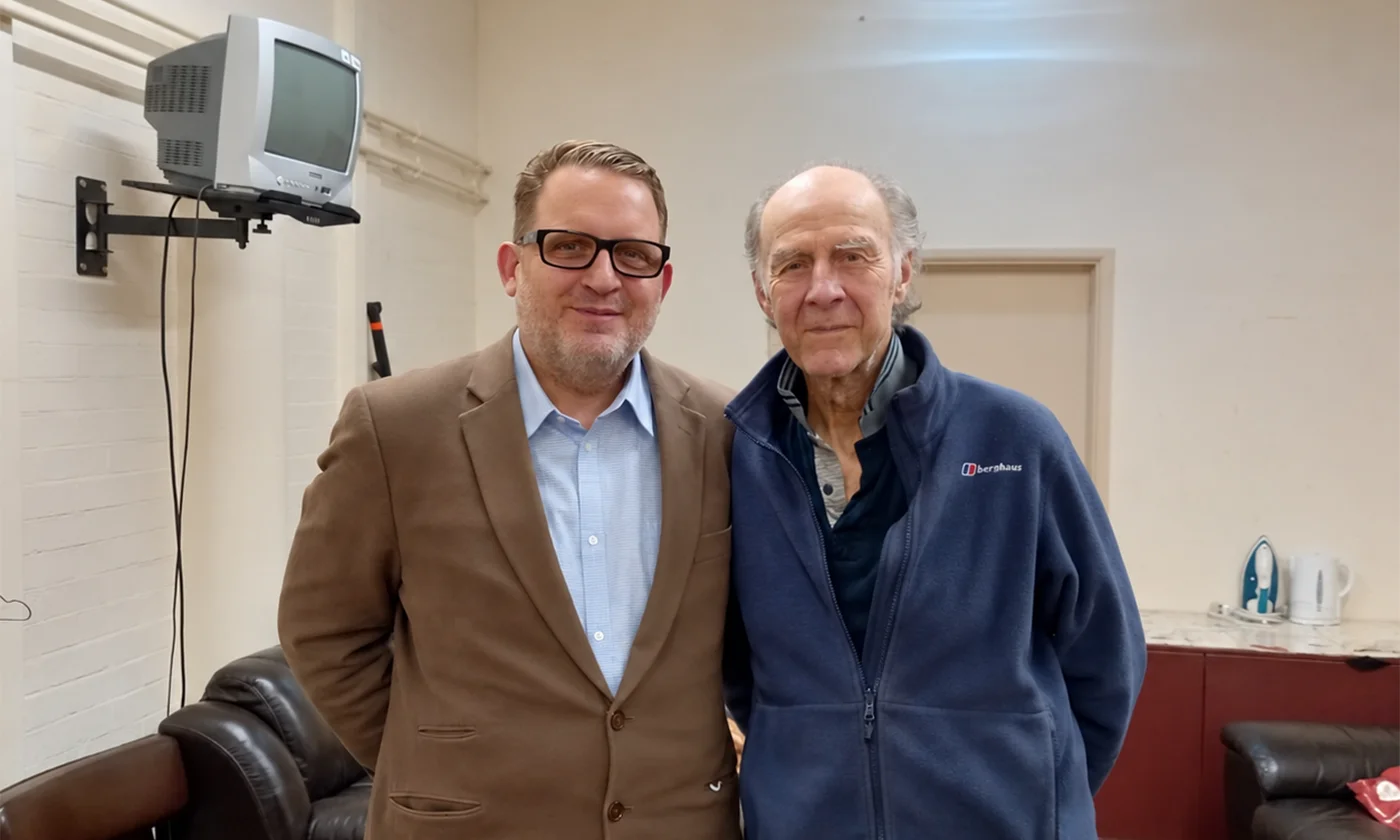
Dr Raj Joshi is a senior barrister and prominent civil rights advocate whose career spans frontline legal practice, regulatory reform, and international justice. Twice named among the ‘Top 10 Asian Lawyers in the UK’ and listed in the ‘100 Most Influential Asians in the UK’, he has appeared before major inquiries, including giving evidence in the Stephen Lawrence case, and served as Chair of the Society of Black Lawyers. A former Adjudicator to the Solicitors Regulation Authority, Dr Joshi has advised ministers, helped shape legal protocols, and represented the UK in international legal forums.
READ MORE: Smart glasses and AI are opening a new route to sexual exploitation. Smart glasses make it easier to record women and children without their knowledge, while AI can transform everyday images into sexualised material. In the first of a two-part series on the risks posed by wearable cameras, Raj Joshi argues that the danger begins before any abusive image is ever created — at the point of capture.
Do you have news to share or expertise to contribute? The European welcomes insights from business leaders and sector specialists. Get in touch with our editorial team to find out more.
Main Image: AI-generated for The European