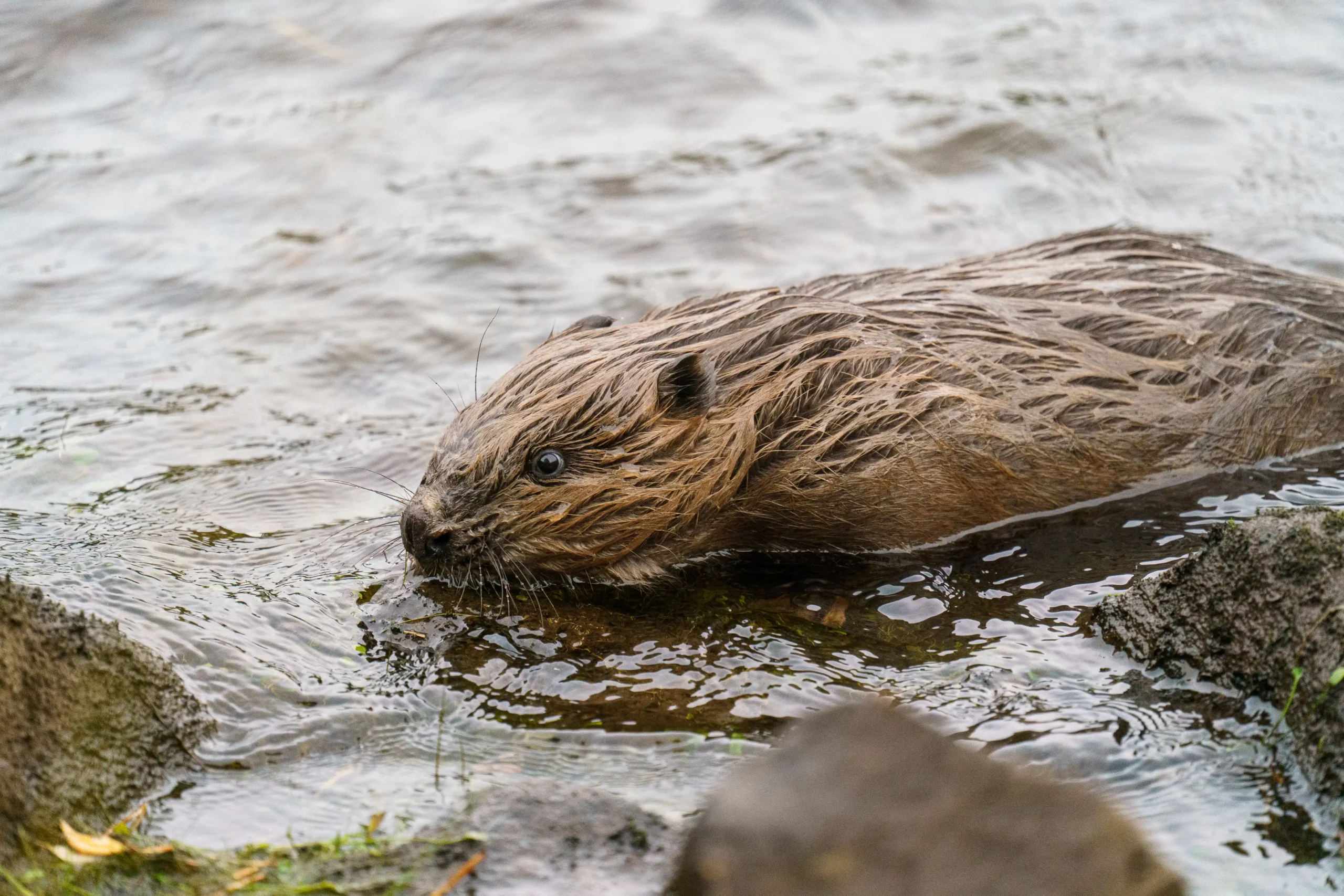
Six beavers have been released into the Scottish Highlands, five centuries after the animals were last recorded around Loch Ness, in a major conservation project that could see up to 15 families reintroduced
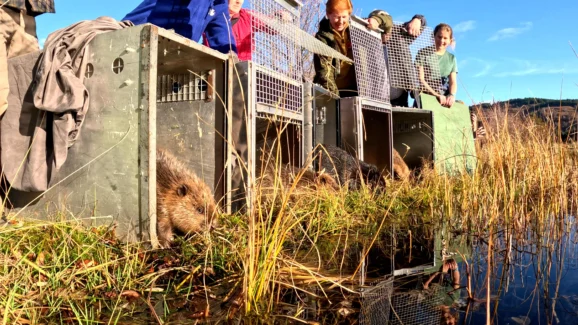
Beavers have returned to the Loch Ness area for the first time in 500 years after a family of six was released into the Scottish Highlands as part of a major wildlife restoration project.
The animals were released on 4 November into a small loch on the 10,000-acre Dundreggan rewilding estate in Glenmoriston, having been relocated from elsewhere in Scotland.
Their release marks the beginning of the Ness Beaver Project, a three-year programme led by conservation charities Trees for Life and Beaver Trust to establish a breeding population across rivers, lochs and wetlands around Loch Ness.
Up to 15 beaver families could now be introduced under a licence granted by Scottish government agency NatureScot on 30 October, with sites selected to allow the animals to spread naturally through the surrounding landscape.
Beavers were hunted to extinction in Scotland several centuries ago, with one of the last widely cited historical records placing them beside Loch Ness in 1526–27.
Alan McDonnell, from Trees for Life, said: “Five hundred years since Loch Ness became the last recorded site of Scotland’s beavers before they were eradicated, they are back with the space and habitat to flourish – bringing with them the potential for new wetlands, more wildlife, and healthier rivers.”
The return is the latest stage in Scotland’s efforts to restore a species that disappeared from the country centuries ago. An official reintroduction trial began in Knapdale, Argyll, in 2009, and beaver populations have since become established in several parts of Scotland.
Known for building dams and digging channels, beavers can transform rivers and wetlands, creating habitats for fish, amphibians, insects and birds. Their activities can also improve water retention and slow the movement of floodwater.
The Loch Ness catchment was identified by NatureScot in 2022 as a suitable area for further reintroductions, with extensive woodland and hundreds of kilometres of river and loch banks offering potential habitat.
But the animals’ return has raised concerns among a small number of farmers, fisheries managers and residents about localised flooding, damage to riverbanks and the possible obstruction of fish migration.
NatureScot said more than 73 per cent of respondents to the project’s consultation supported the releases, although monitoring and measures to address potential conflicts will be required.
Dr Roisin Campbell-Palmer, the head of restoration at Beaver Trust, said: “It has been profoundly rewarding to release the first beavers at Dundreggan, marking the start of their return to the Loch Ness catchment.”
She added: “We look forward to seeing the changes the beavers bring and to working with Trees for Life, local communities and land managers over the next three years to support further releases and help people live alongside them.”
The charities plan further releases over the next three years, with the animals undergoing veterinary checks before relocation.
Trees for Life also hopes to introduce guided wildlife tours at Dundreggan once the first family has settled, allowing visitors to observe signs of beaver activity and learn about their role in restoring Highland ecosystems.
READ MORE: Rewilding improves wellbeing and community connection, charity report says. Heal Rewilding says hundreds of people reported better understanding of nature, stronger connections and positive behaviour changes.
Do you have news to share or expertise to contribute? The European welcomes insights from business leaders and sector specialists. Get in touch with our editorial team to find out more.
Main image: An Eurasian beaver, once hunted to extinction in Scotland, is now being reintroduced to help restore wetlands, support biodiversity and improve river habitats. Credit: Chris Aldridge / Trees for Life