With Robert Pattinson named as the next 007, disability rights campaigner Matthew Kayne has a question for Hollywood. If James Bond can survive exploding buildings, outwit international villains and escape almost certain death, why is the idea of a wheelchair-using secret agent still beyond the film industry’s imagination?
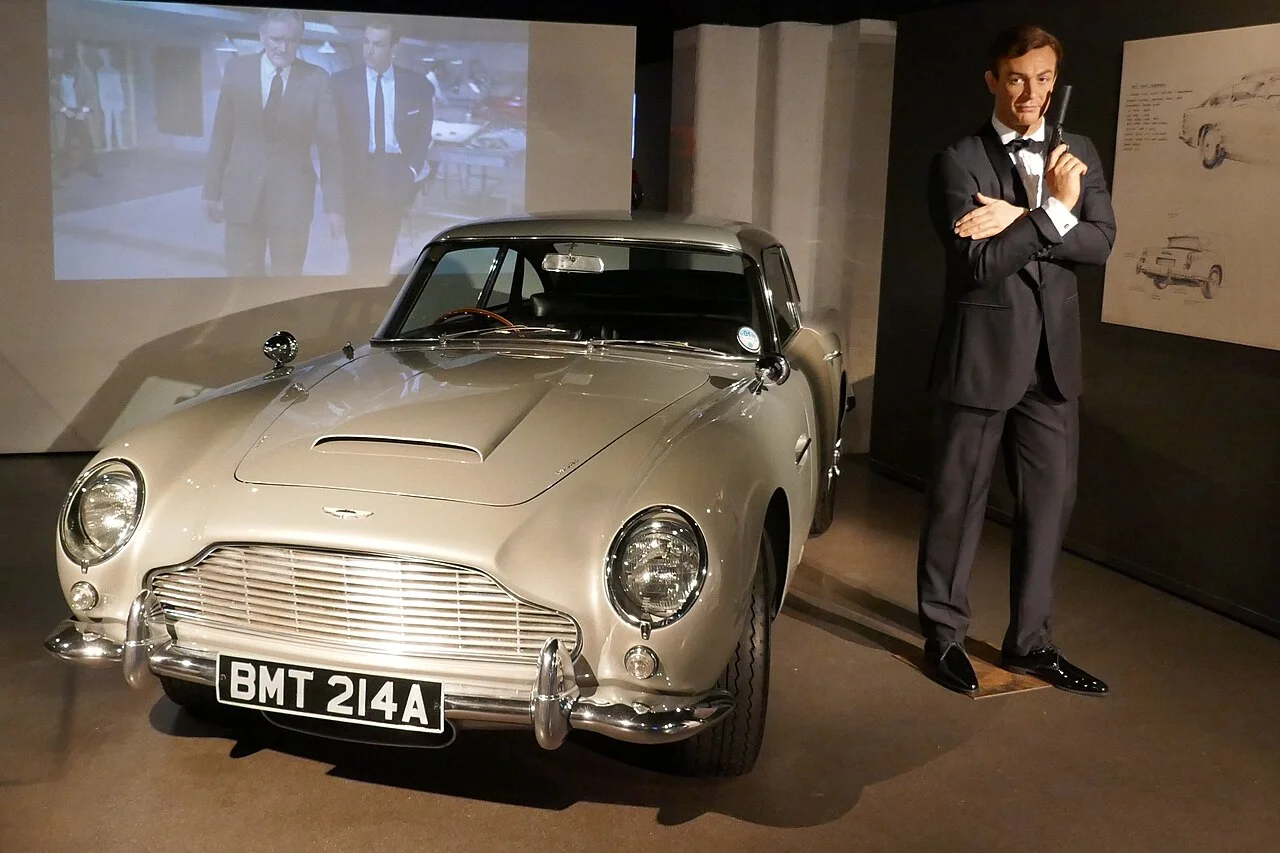
So it’s official: Robert Pattinson has been named the next James Bond. Every new 007 brings an argument about what makes the perfect secret agent. Is he suave enough? Tough enough? Can he handle an Aston Martin, a dangerous villain and a dinner jacket without looking flustered? I have a rather different question: why couldn’t James Bond use a wheelchair?
I know what some Bond fans will say. He has to chase people across rooftops, fight his way out of impossible situations and escape exploding buildings. Those are part of the fun. But think about the Bond scenes that stay with you. He talks his way past a suspicious guard, spots an opponent’s weakness or keeps his nerve when someone thinks they’ve got him beaten. His intelligence, confidence and resourcefulness are as important as his fists. None of those qualities requires a particular pair of legs.
Imagine a wheelchair-using intelligence officer whose enemy takes one look at him and makes a fatal mistake: assuming he is harmless. Bond could turn that assumption to his advantage, using technology, careful planning and the ability to read people. You could build a terrific thriller around an adversary who has underestimated the very person sent to stop him. And there would still be danger, suspense, gadgets and all the other ingredients audiences expect from Bond.
Of course, not every disabled person can perform every physical activity, and authentic representation shouldn’t pretend otherwise. A wheelchair-using Bond would face situations differently from the Bond we know. That is a creative challenge, not a reason to dismiss the idea. Writers regularly dream up ingenious ways for their hero to escape a trap. Why should they run out of imagination when the hero is disabled?
This is important to me personally. I was born with cerebral palsy and have used a wheelchair all my life. I’m a journalist, musician and broadcaster, and I established my own radio station. I rely on carers around the clock and have spent years campaigning for suitable wheelchair equipment and accessible services. My disability shapes some of the arrangements I have to make but it does not define the things I want to do or the ambitions I have for the future.
I have never wanted people to feel sorry for me because I use a wheelchair. Nor do I want every disabled character on screen to be treated as an inspiration simply for getting out of bed in the morning. I want to see people who happen to be disabled given the same opportunity to be clever, funny, reckless, romantic, difficult or downright unlikeable as everyone else. James Bond, after all, is hardly a model of flawless behaviour. That’s part of what makes him interesting.
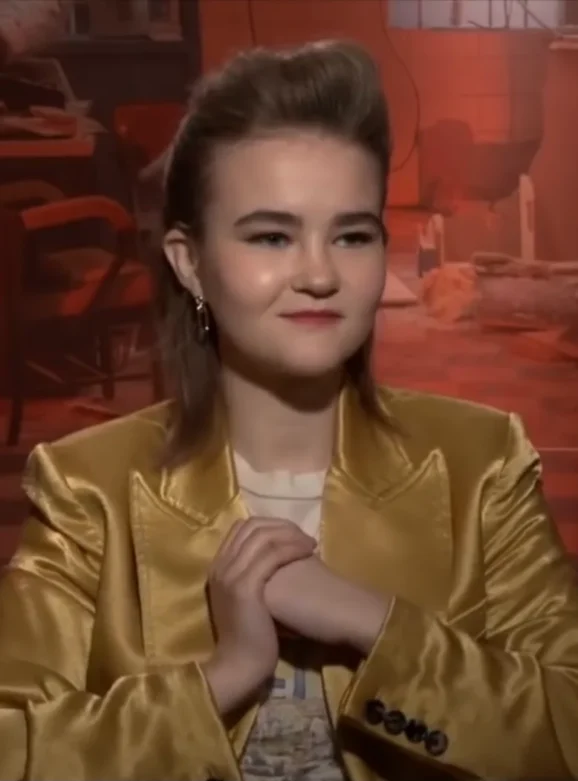
The screen has already shown what is possible when disabled characters are allowed to do more than suffer or overcome adversity. In A Quiet Place, deaf actor Millicent Simmonds plays Regan Abbott, who is courageous, resourceful and central to the family’s survival. Her deafness matters to the story, but it’s not the sum of her character. CODA gives deaf performers substantial roles in a different kind of film, with Troy Kotsur winning an Academy Award for his performance. Those films show how much audiences can gain when filmmakers give disabled people consequential parts.
I’m not demanding that Pattinson be replaced by a wheelchair user. I understand why some people want Bond to remain close to the character they grew up with, and each actor has brought something different to the role since Dr. No appeared in 1962. I’m asking why disability should be treated as unthinkable before anyone has even explored what it might add. And if the next Bond stays much as he is, why not give an original spy thriller, with a disabled lead, the same ambition and budget?
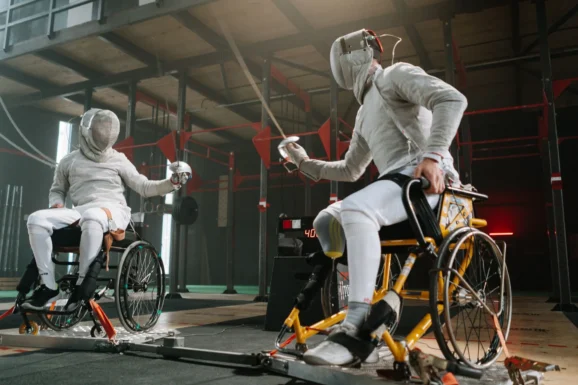
There is an obvious obstacle to that ambition, and it has little to do with whether a character can hold a gun or drive a car. Disabled performers need a fair chance to be considered for the part in the first place. If producers only look for disabled actors when a script specifically mentions a disability, they shut those performers out of countless other roles. A wheelchair user could play a detective, a political leader, a villain or a romantic lead without the entire story revolving around the wheelchair.
The opportunities also have to be real. An actor must be able to get into an audition, access the material and arrange whatever support they need. Equity’s guidance on self-tape and video auditions points out that some disabled performers need extra preparation time or assistance from a personal assistant or access worker. Those are practical matters that casting teams can plan for rather than obstacles to discover at the last minute.
As someone who relies on round-the-clock care, I understand the planning involved in taking part in professional activities. That doesn’t make me less committed or capable. It means that the right arrangements need to be in place. If a production can organise international filming schedules, dangerous stunts and elaborate special effects, it can surely think about accessible transport, facilities and working hours before the cameras start rolling. The TV Access Project has already set out guidance for making access part of production planning.
The people behind the camera should be considered, too. Casting a disabled actor is only one part of authentic representation. Disabled writers, directors and producers should have the chance to shape characters and stories before the big decisions are made, not merely comment on a finished script. Otherwise, we risk seeing the same two versions of disability again and again: the helpless victim and the extraordinary person whose entire purpose is to inspire others.
I know that seeing a disabled secret agent on a cinema screen won’t repair an unsuitable wheelchair, shorten an NHS waiting list or make a building accessible. I’ve campaigned on those problems for years. But stories can influence what people imagine is possible. I’d like a young disabled person watching a blockbuster to see someone who shares an aspect of their experience outsmart the villain, make mistakes, take risks and carry the film. That would be exciting in its own right, not merely a lesson in representation.
Bond has spent more than 60 years escaping traps that seemed impossible to survive. Surely Hollywood can manage a smaller feat of imagination: recognising that a hero need not look or move exactly as audiences expect. Give disabled performers a genuine opportunity, make the productions accessible and let talented writers do their jobs. Disabled people don’t need Hollywood to rescue us. We just need Hollywood to recognise that we are capable of being the heroes, too.
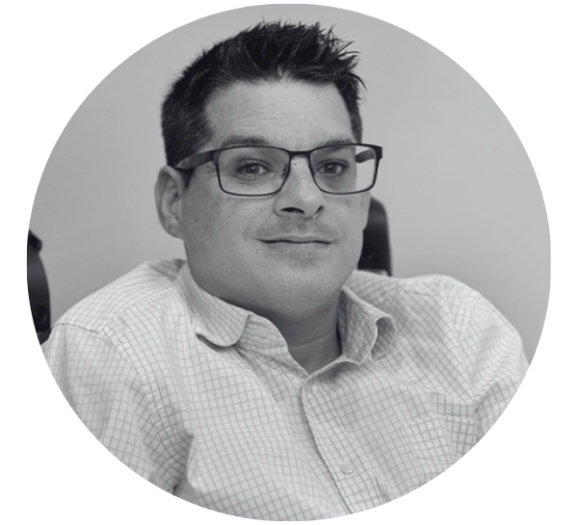
Matthew Kayne is a broadcaster, political campaigner and disability rights advocate who has turned personal challenges into platforms for change. He is the founder and owner of Sugar Kayne Radio, a DAB and online station dedicated to uplifting music and meaningful conversations, and the leader of a national petition calling for reform of the UK’s wheelchair service. Living with cerebral palsy and a survivor of bladder cancer, Matthew channels his lived experience into advocacy, broadcasting and songwriting. His long-term ambition is to bring this experience into politics as an MP, championing disability rights, healthcare access and workplace inclusion.
READ MORE: Sound of silence: Why AI could leave disabled musicians unheard. Artificial intelligence could transform music-making for disabled artists, giving them greater independence over writing, recording and producing their work. Yet accessibility problems with existing AI software threaten to exclude those who could benefit most. Music technology companies must involve disabled musicians in designing their products to ensure the AI revolution is accessible to everyone, says Matthew Kayne.
Do you have news to share or expertise to contribute? The European welcomes insights from business leaders and sector specialists. Get in touch with our editorial team to find out more.
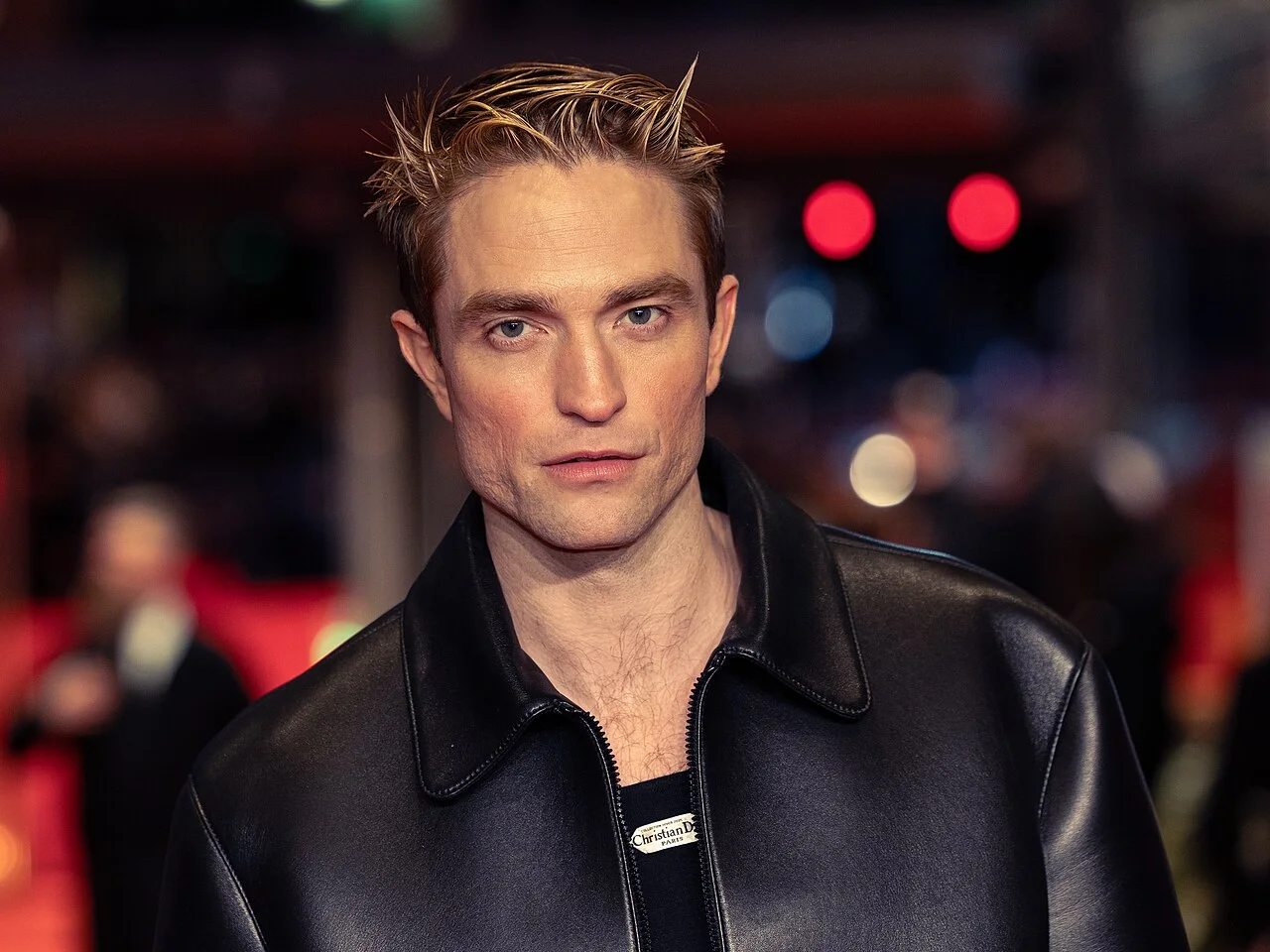
Main Image: Robert Pattinson, who has just been announced as the next James Bond, at the 2025 Berlin Film Festival. Harald Krichel / CC BY-SA 4.0