Sir Keir Starmer’s resignation may have dominated the headlines, but Britain’s deeper political crisis is the recurring political instability that prevents long-term reform and leaves disabled people paying the price, writes Matthew Kayne
Sir Keir Starmer’s resignation has dominated the political conversation for the past week and will, no doubt, continue to shape British politics in the weeks ahead.
There has been extensive analysis of what went wrong, debate about Labour’s future direction and continued speculation over who comes next. But a more important question sits beneath all that political noise: what does it say about Britain that yet another prime minister has been forced to step down in an era defined by instability?
Since 2010, Britain has seen six prime ministers come and go, with five leaving office before completing what might once have been considered a normal period of political leadership.
This is part of a broader pattern. Over the past decade, the UK has experienced Brexit, a global pandemic, a cost-of-living crisis, repeated changes in leadership and a steady erosion of public trust in politics. Events that would once have been regarded as extraordinary have become almost routine.
Now the country finds itself entering a new period of uncertainty.
For Westminster, the focus will be on personalities and power. For millions of people, however, the consequences are far more practical. Political instability filters into public services, local decision-making and long-term reform programmes that depend on consistency to succeed.
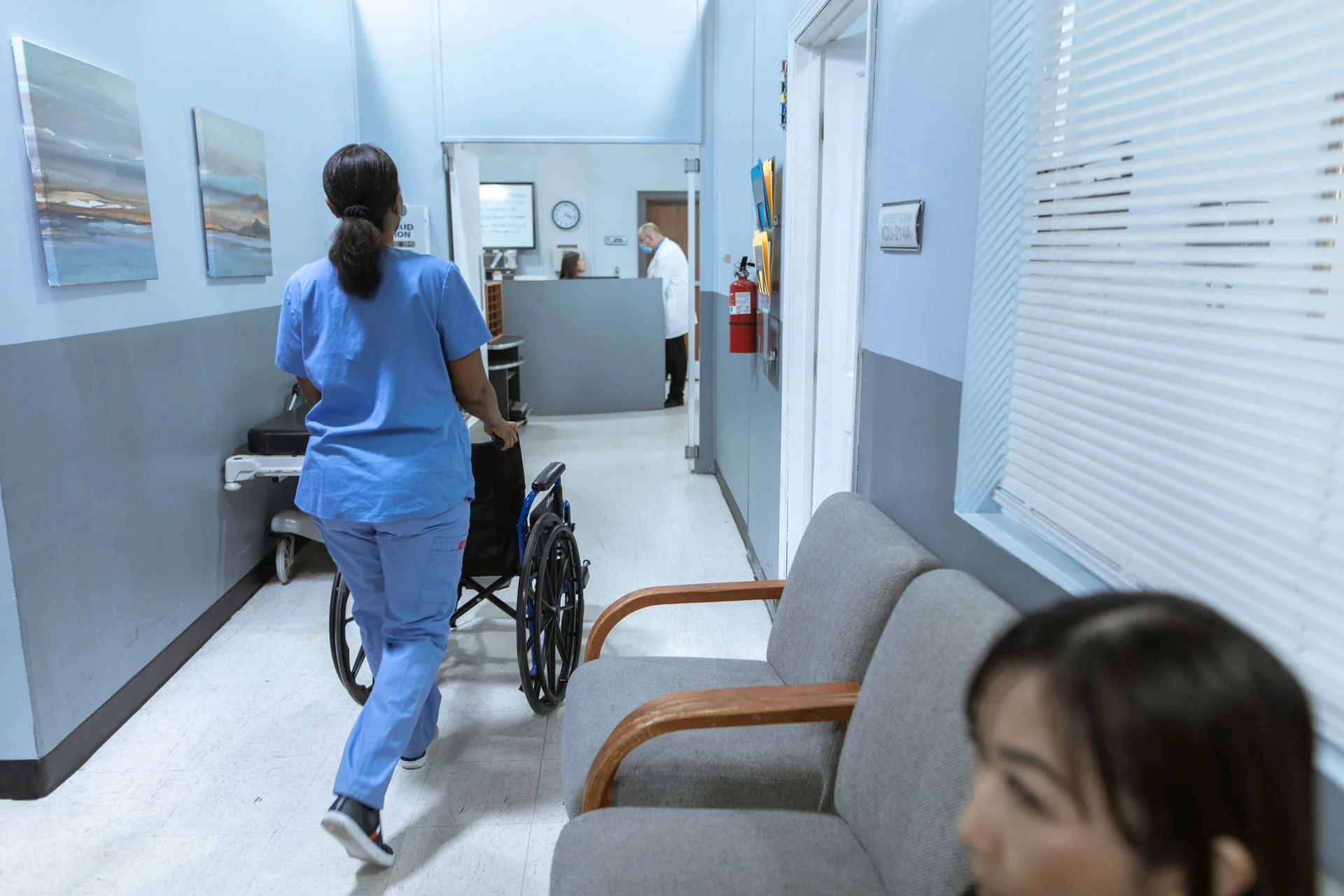
The NHS provides an obvious example. It is already under sustained pressure, with millions waiting for treatment and staff stretched across almost every part of the system. Reform takes years to design and even longer to implement. When leadership changes, priorities shift and momentum is lost.
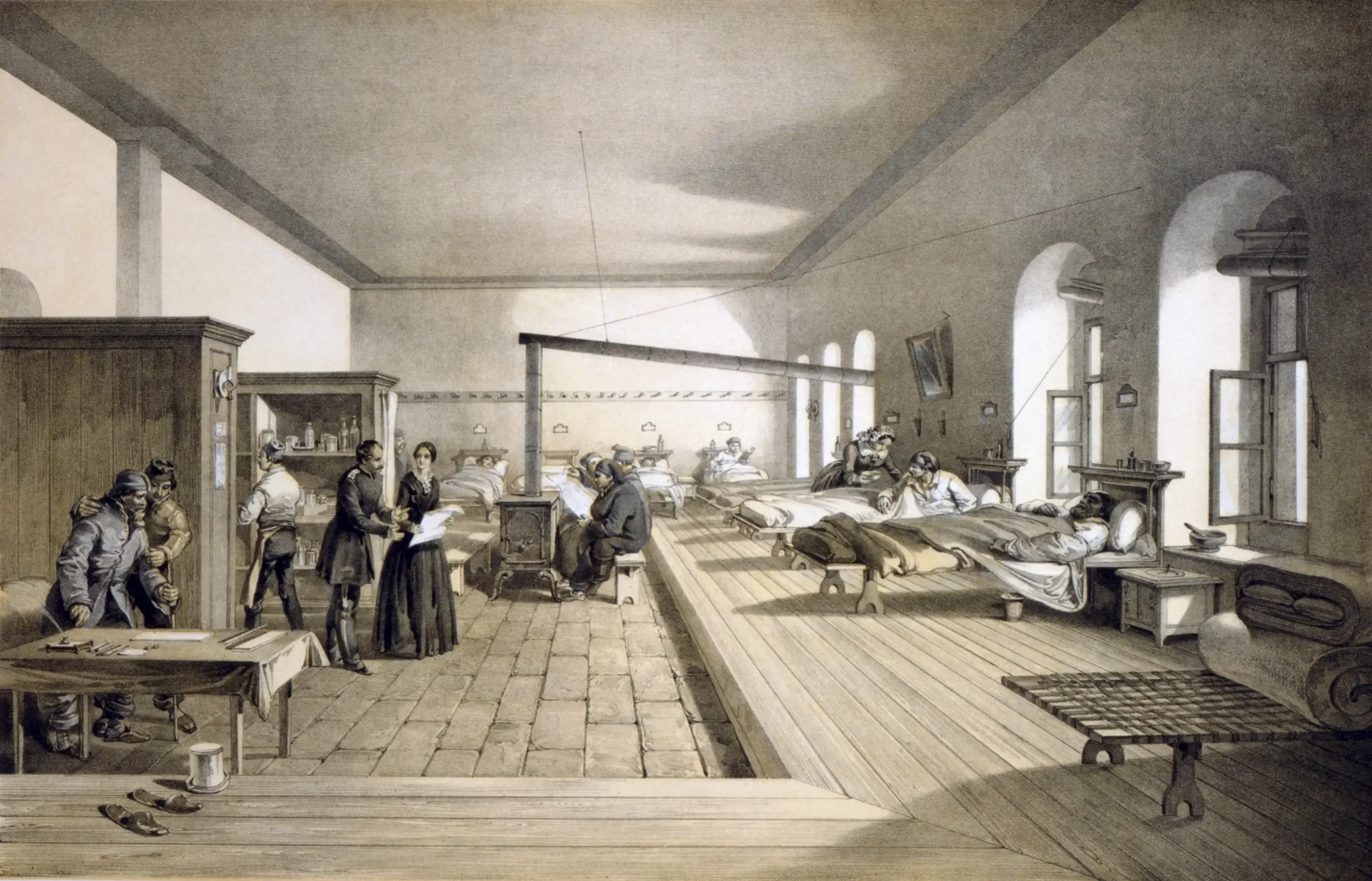
The same applies to social care, where reform has been promised for decades but remains incomplete. Housing policy, transport accessibility, disability services and welfare all depend on long-term planning rather than repeated political resets.
For disabled people, this is lived reality. Many rely on multiple public systems working together. Health services, social care, housing support, accessible transport and financial assistance are interconnected in ways that determine whether someone can live independently.
When political leadership becomes unstable, those systems become less predictable. Policies are paused, reviews are restarted, funding priorities change and reform programmes are delayed or quietly rewritten. In practice, that means waiting longer for assessments, equipment, accessible housing, support packages and promises to become reality.
Over time, waiting becomes a permanent condition. That should concern any government.
Around 16.8 million people in the UK live with a disability, according to government figures – roughly one in four people. It is a central policy issue, yet disability is still too often treated as something separate rather than being embedded across government. Leadership instability only makes that worse, as reform agendas lose focus and the people already facing the greatest barriers risk slipping further down the list.
Public trust in politics has been declining for years, with many people feeling that promises are made but not delivered, announcements rarely become meaningful change and political cycles repeat without addressing underlying problems.
Leadership instability only reinforces that frustration, creating the impression that politics is reactive rather than capable of delivering lasting reform. When that belief takes hold, people begin to question whether the system can meaningfully improve their lives, weakening democracy itself.
The reality is that millions of people are still waiting for changes that have been promised for years. When they consider disability policy in Britain, they can only conclude that delay has become one of its most defining features.
So Britain now needs more than a new leader. It needs enough political stability to deliver long-term reform through stable public services, consistent implementation, communities that can rely on government to follow through and people who believe meaningful change is still possible.
Starmer’s resignation is already being viewed as a political turning point. But how much of a turning point is it, really?
The important question we need to ask is whether Britain is once again entering another cycle of instability without addressing the structural problems that created it.
Ultimately, beyond all the surface-level political discourse, the resignation of the prime minister has highlighted a political system struggling to remain stable long enough to deliver lasting outcomes.
Until that changes, Britain risks repeating the same cycle of new leaders, new promises and new uncertainty.
So while the nation looks ahead to a new occupant of No 10, disabled people cannot help fearing that a change of guard will do little to fix a system that fails to deliver what it promises.

Matthew Kayne is a broadcaster, political campaigner and disability rights advocate who has turned personal challenges into platforms for change. He is the founder and owner of Sugar Kayne Radio, a DAB and online station dedicated to uplifting music and meaningful conversations, and the leader of a national petition calling for reform of the UK’s wheelchair service. Living with cerebral palsy and a survivor of bladder cancer, Matthew channels his lived experience into advocacy, broadcasting, and songwriting. His long-term ambition is to bring this experience into politics as an MP, championing disability rights, healthcare access, and workplace inclusion.
READ MORE: ‘Disabled people must not become an afterthought in Britain’s social media ban‘. The government’s newly announced social media ban for under-16s is intended to protect young people online. But disability correspondent Matthew Kayne argues that unless policymakers proceed carefully, balancing protection with inclusion, disabled users of all ages could become an unintended casualty of the legislation.
Do you have news to share or expertise to contribute? The European welcomes insights from business leaders and sector specialists. Get in touch with our editorial team to find out more.
Main Image: PublicDomainPictures/Pixabay