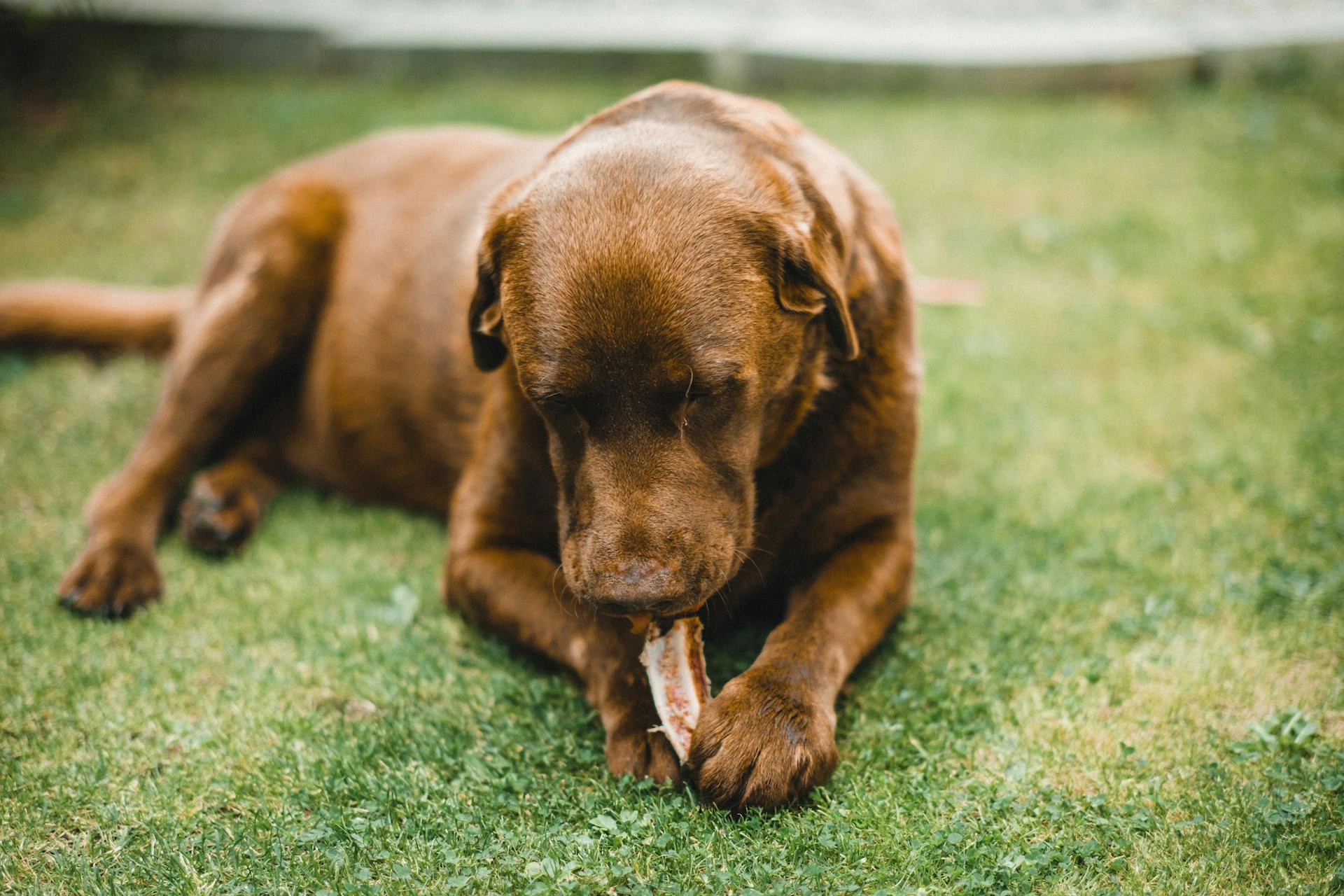
Ultra-processed foods are increasingly under scrutiny for their impact on human health. After encountering the work of veterinary surgeon Dr Tom Lonsdale, who advocates feeding dogs and cats raw meaty bones, Oxford zoologist Professor Tim Coulson examines the case for feeding our pets a more natural diet
Unless you live off grid in the woods foraging for fungi, squirrels, deer and other wild food to eat, much as our ancestors did, you will be aware that what we eat matters. We are repeatedly told to cut processed foods from our diet, manage our sugar intake, eat more fruit, vegetables and nuts, only occasionally eat red meat, and only drink alcohol in moderation.
Although we all know this, daily life puts temptation in our way, with supermarket aisles crammed with biscuits and other snacks, and pubs and bars advertising themselves as friendly havens on beautiful summer afternoons and cold, wet, winter evenings. This temptation means that many of us, despite knowing we should swap the Snickers for a stick of celery, end up eating less well than perhaps we should.
The reason we should eat well is if we don’t, we increase the risk of all sorts of diseases from cardio-vascular problems to diabetes and other obesity-related conditions, and even illness caused by deficiencies in our diets, such as scurvy, which is caused by a prolonged failure to consume enough vitamin C.
We should eat a diet similar to that of our hunter gatherer ancestors, as that is what humanity evolved to thrive upon. Which particular group of hunter gatherers to follow is unclear, as different peoples ate very different diets depending on whether they lived on the Northern ice or in the forests of the tropics, but the key point is they ate a diet that was relatively low on the things that we like but are bad for us.
Like me, my dog Woofler likes treats. We have a yellow box of processed chew sticks that he can sit and gaze for hours on end. He has also used his bark to train my wife, Sonya, to feed him a treat every time she puts the kettle on to make a cup of tea. The Russian neurologist and physiologist Ivan Pavlov famously trained dogs to salivate at the sound of a bell as they learned that the noise foretold a meal. Woofler has taken this a step further. The sound of the kettle has conditioned him to bark at Sonya, who is now conditioned by his bark to give him a treat. Pavlov won a Nobel Prize in 1904. Perhaps I should nominate Woofler next year.
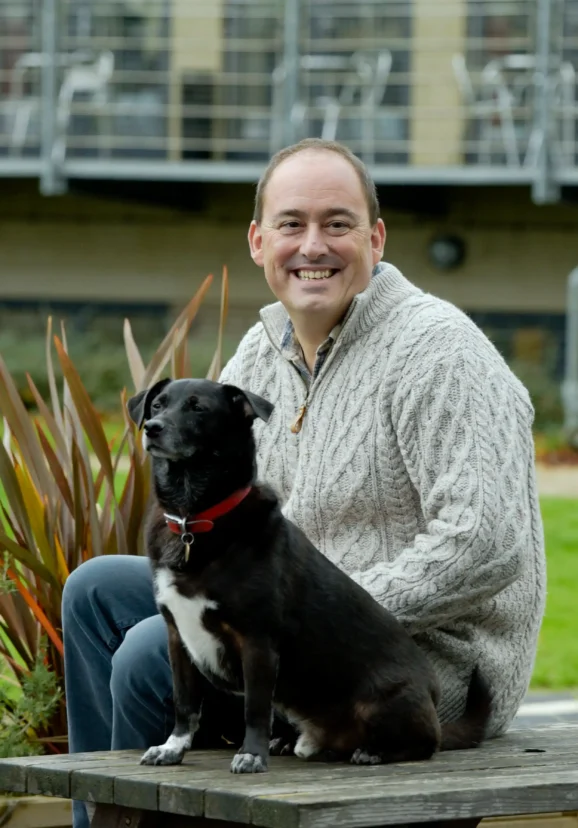
I, too, give Woofler treats, but the ones I feed him are a little different. I get meaty leftover bones from our butchers. These would have been a major part of Woofler’s ancestors’ diets, as it is what wolves eat, whether they had killed their prey or scavenged it. It had always struck me that feeding Woofler a diet like that of wolves would keep him healthy, as that is what dogs had evolved to eat, but I never really gave it much thought.
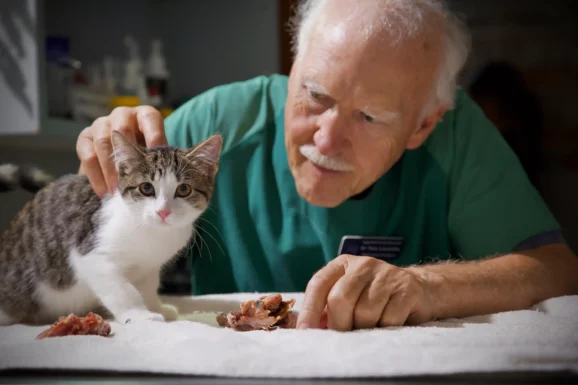
Until, that is, I came across the work of Dr Tom Lonsdale, a highly respected vet.
Lonsdale has been wondering about the damage that highly processed pet food might do to your cat or dog since long before Woofler was born. His first book, Raw Meaty Bones: Promote Health, was published in 2001. It is a surprisingly enjoyable read, covering the science of diet in animals in a fun and accessible way. But Tom didn’t stop there.
In 2023 he published Multi-Billion-Dollar Pet Food Fraud: Hiding in Plain Sight, a book that builds on his first popular science books, and exposes major concerns with both the tinned and dried food we buy for our beloved pets to eat.
As a zoologist, I found the arguments that Lonsdale makes compelling. It makes sense that there are benefits to feeding our pets a diet similar to those that their ancestors evolved to thrive on. I was not surprised to read about his evidence for a link between processed pet food and gum disease, for example. Why shouldn’t the same arguments we read about in the media most days about the benefits of us eating less processed food apply to other animals?
Although Lonsdale cuts a lone figure in his desire for us all to feed our pets raw, meaty bones, he is gaining traction. He has recently published a perspective in the scientific publication the Journal of Periodontal Research, calling for further investigation into the health consequences that poor diet is causing our pets.
I also discovered a website he hosts called The Pet Food Con. It is worth a look. Lonsdale is doubtless fighting an uphill battle against the pet food industry, but he has convinced me. I’m going to get rid of the kettle and call into the butchers a little more often. But I suspect I will still eat the odd plate of chips and chocolate bar.
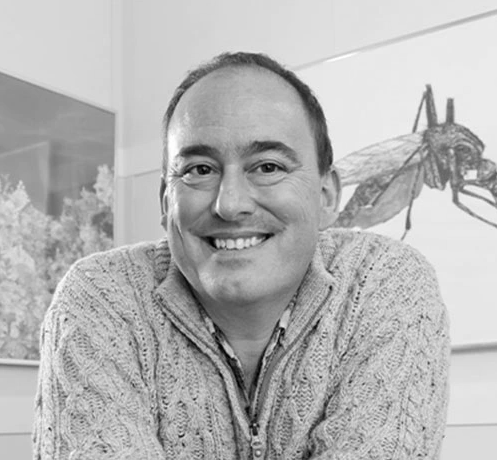
Professor Tim Coulson is Professor of Zoology at the University of Oxford and a leading researcher in ecology and evolutionary biology. He has worked with wolves, lions and other predators, and has published more than 200 scientific papers. His highly acclaimed first popular science book, A Little History of Everything from the Big Bang to You was published by Penguin Michael Joseph in 2024. His next book, Predators: How Animals that Kill Have Shaped Life on Earth will be published by Headline Press in March 2027.
READ MORE: ‘Lasers finally unlock mystery of Charles Darwin’s specimen jars‘. A new scanning technique lets museum curators identify the toxic preservation fluids inside centuries-old jars — including specimens collected by Charles Darwin — without risking damage to the contents or exposure to hazardous chemicals.
Do you have news to share or expertise to contribute? The European welcomes insights from business leaders and sector specialists. Get in touch with our editorial team to find out more.
Main Image: Mathias Reding/Pexels