

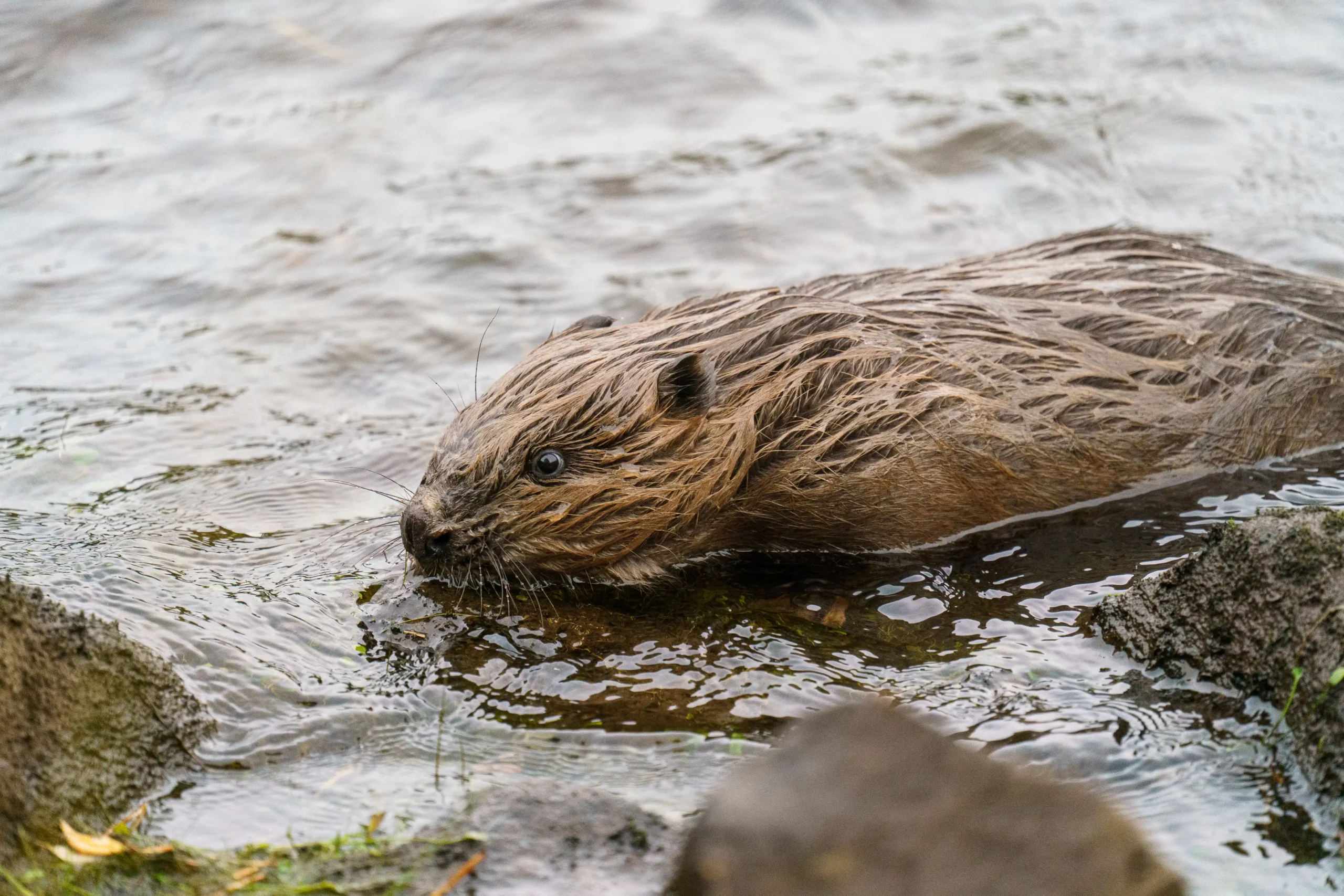
Beavers return to Loch Ness after 500 years
Scotland’s Loch Ness welcomes its first beaver family in 500 years, launching a conservation project to restore habitats and biodiversity.
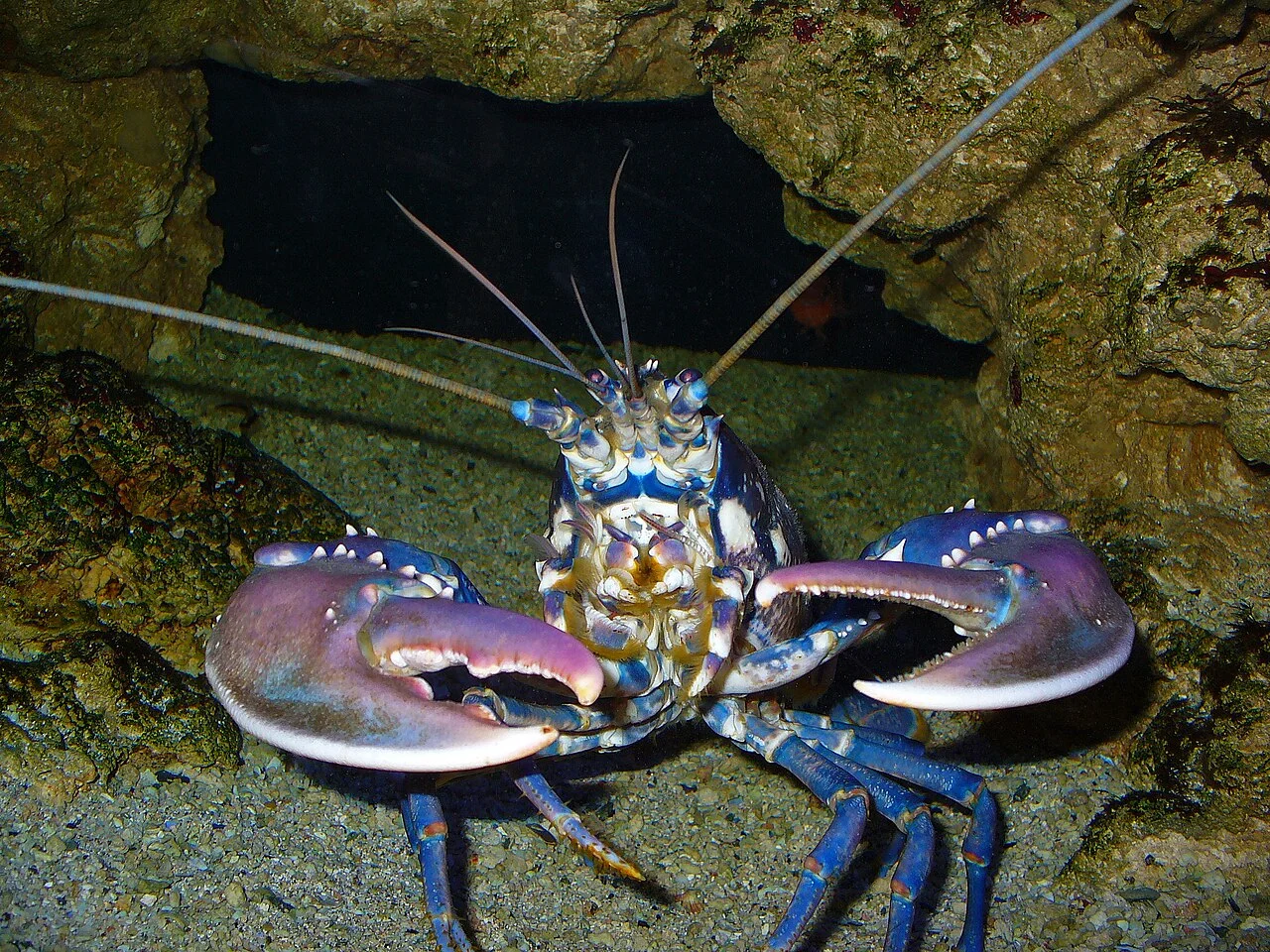
The scuba diving project helping to protect Cornwall’s lobster population
Professor Tim Coulson joins divers releasing young lobsters off Cornwall, exploring how hatchery conservation work could help restore declining populations.

AI might kill us all, but not until it’s got what it wants
Professor Tim Coulson explores how AI could domesticate humans, exploit their labour and energy, and eventually threaten humanity’s survival.
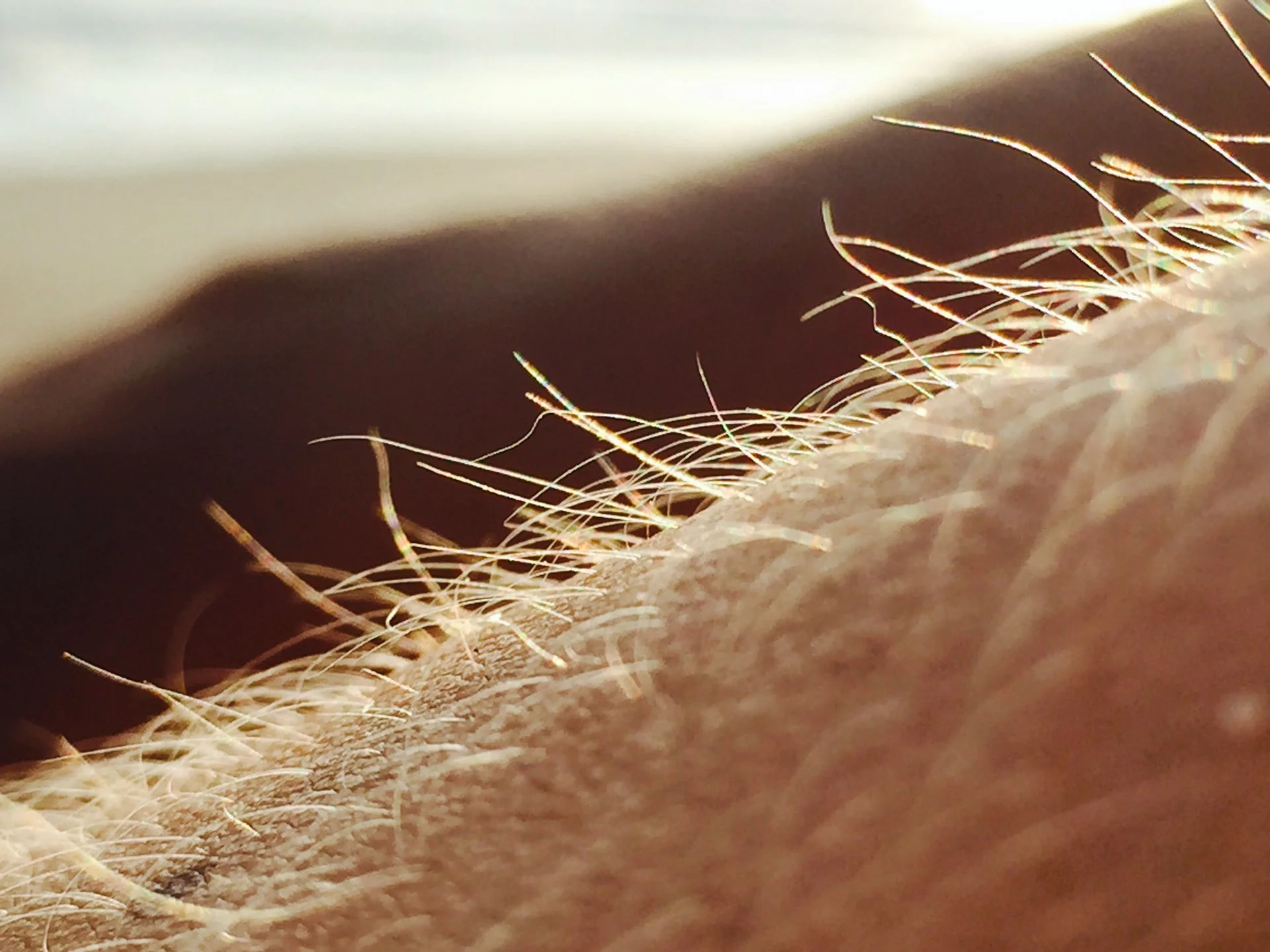
A close shave with evolution – why humans are so hung up on hair
Professor Tim Coulson explores why humans remove body hair, examining cultural anxieties and evolutionary theories behind our unusual hair patterns.
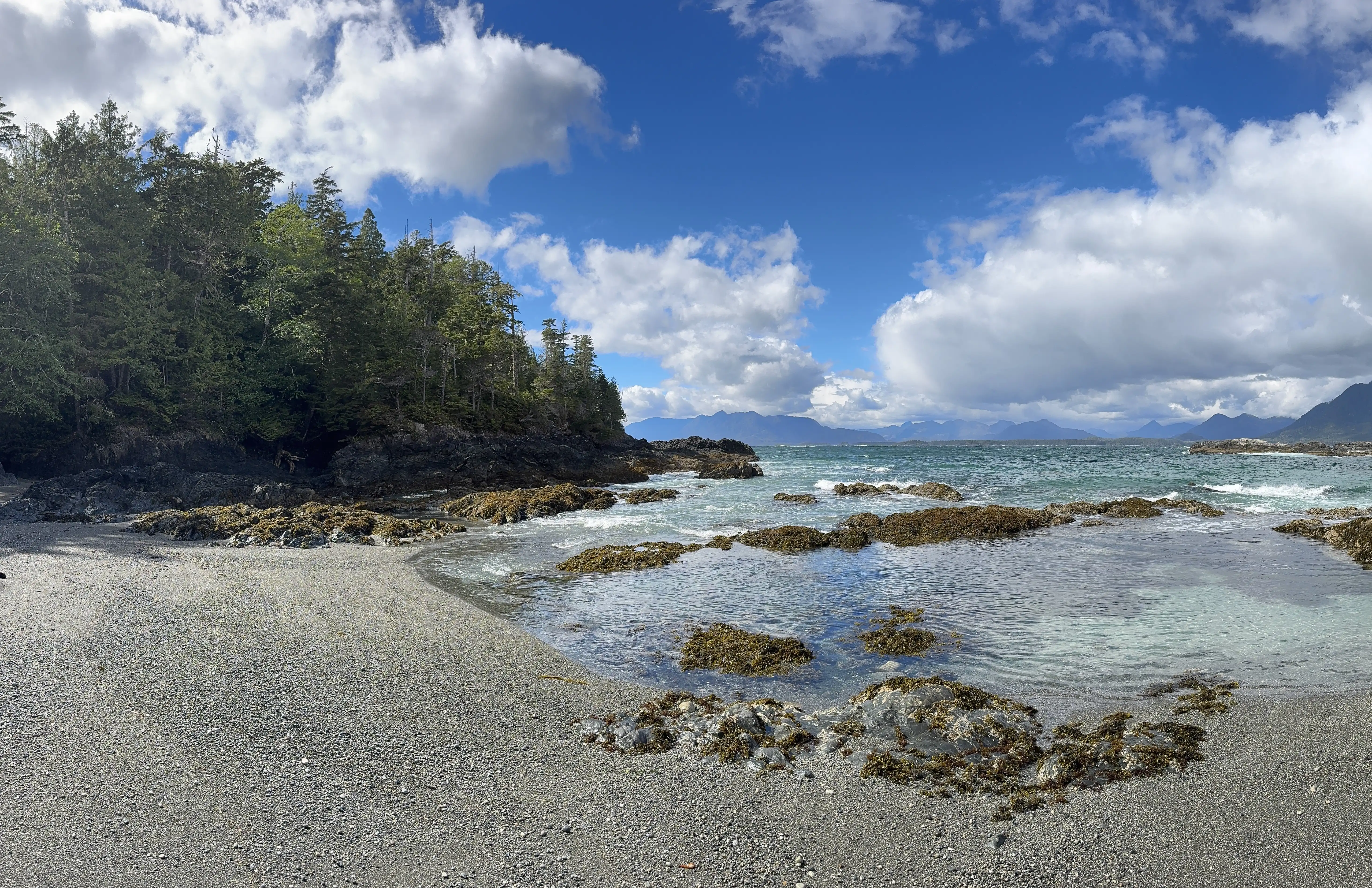
In search of Vancouver Island’s sea wolves
Professor Tim Coulson explores Vancouver Island’s coastal wolves, their ocean-based diet and the adventure of searching for these elusive predators.
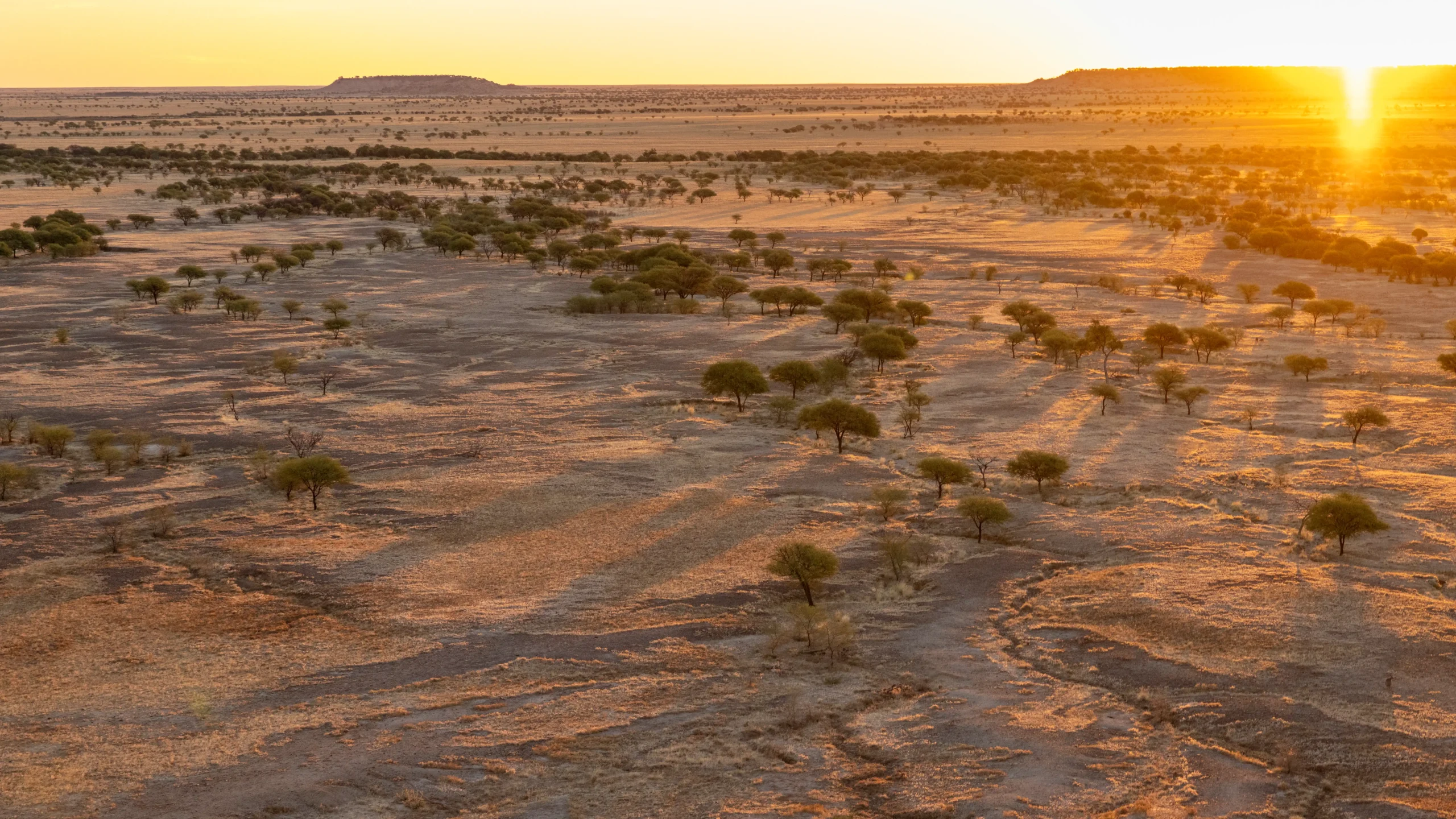
Travelling Queensland by train: best stops, sights and stays in the outback
Journey through Queensland’s outback by rail, from Brisbane to Longreach and Winton, exploring landscapes, wildlife and remote heritage towns.
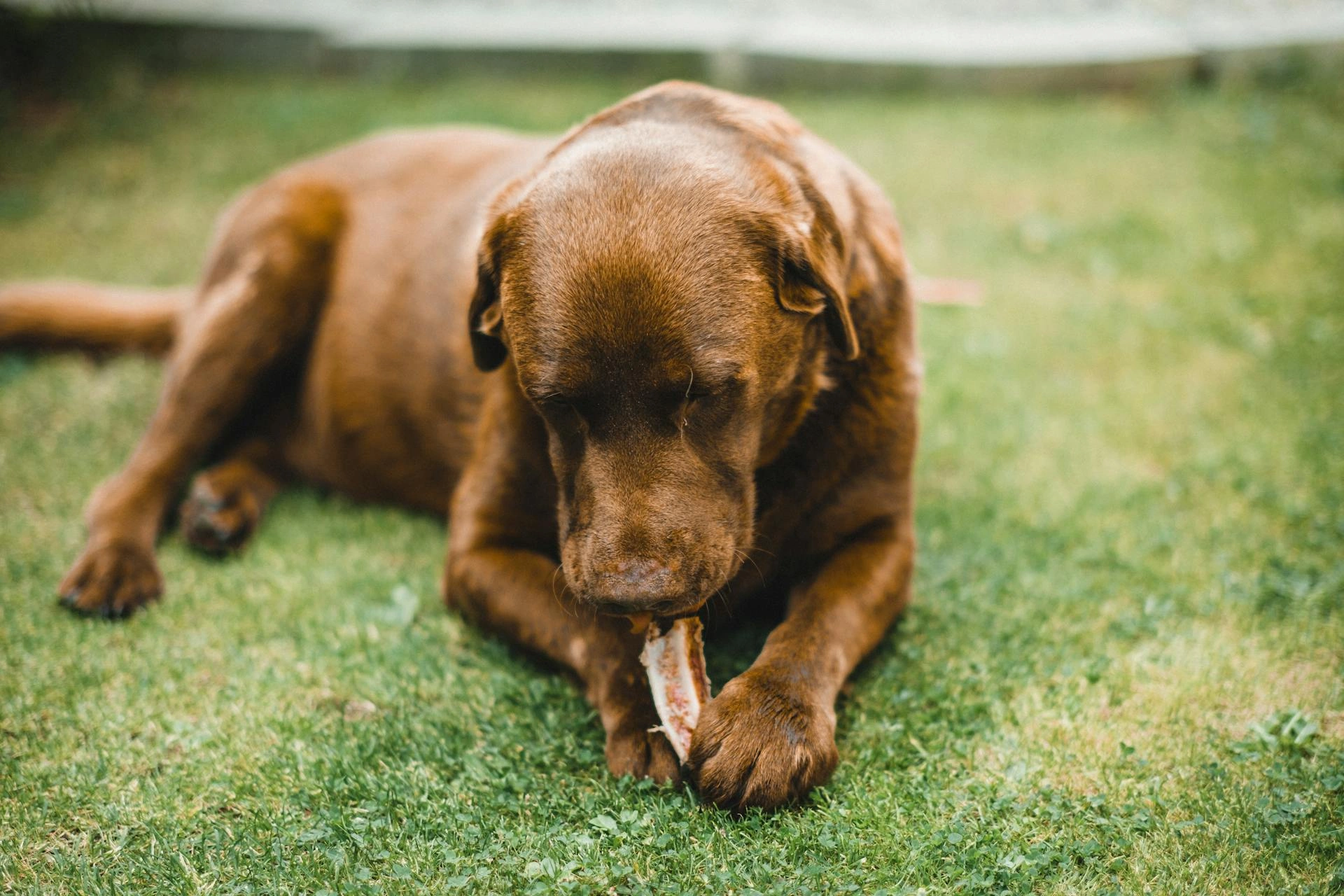
Should we be feeding our pets raw meaty bones?
A zoologist explores whether raw meaty bones offer a healthier, more natural alternative to processed pet food diets.
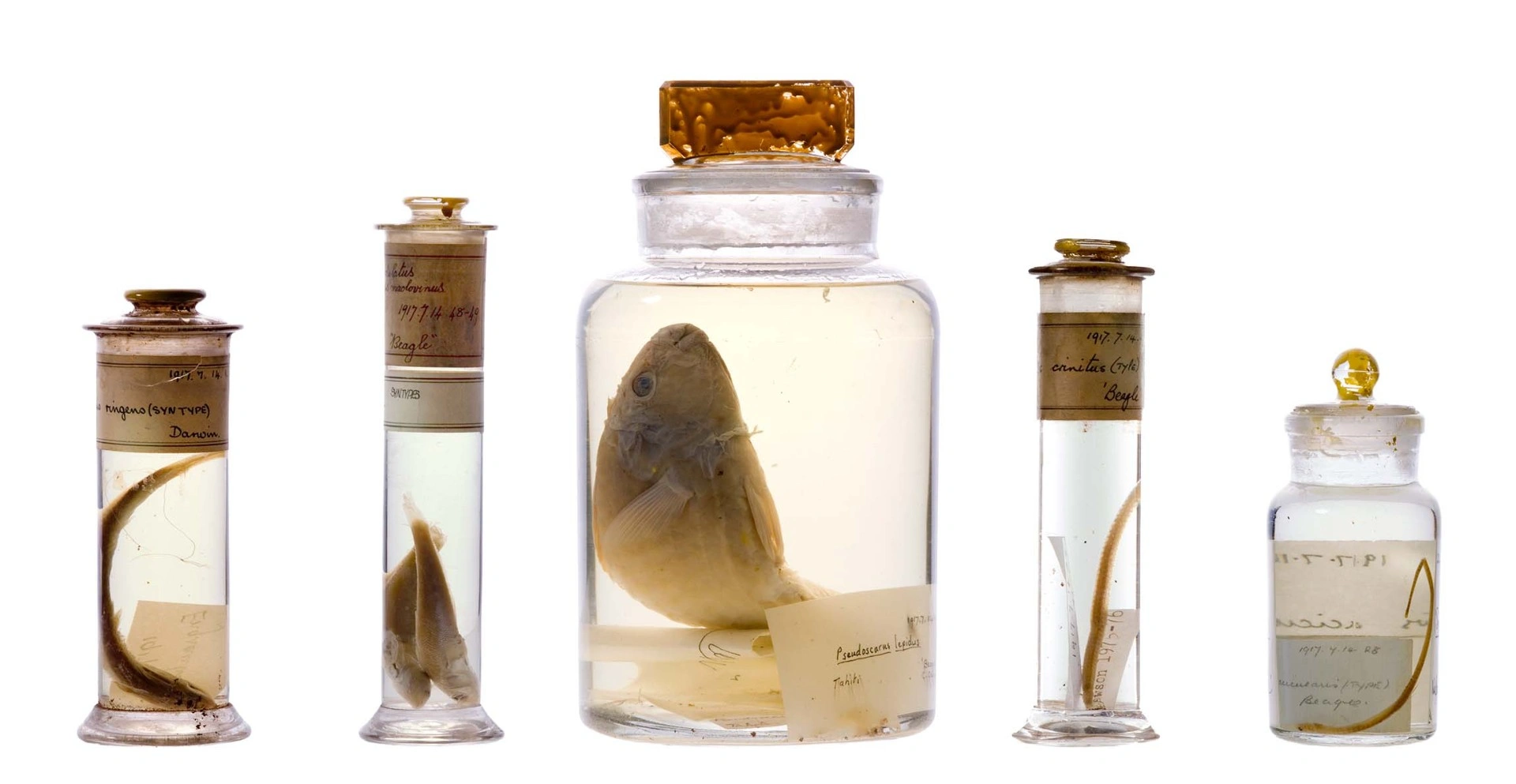
Lasers finally unlock mystery of Charles Darwin’s specimen jars
Lasers now reveal the fluids inside Darwin’s specimen jars safely, helping museums preserve historic collections for future study.
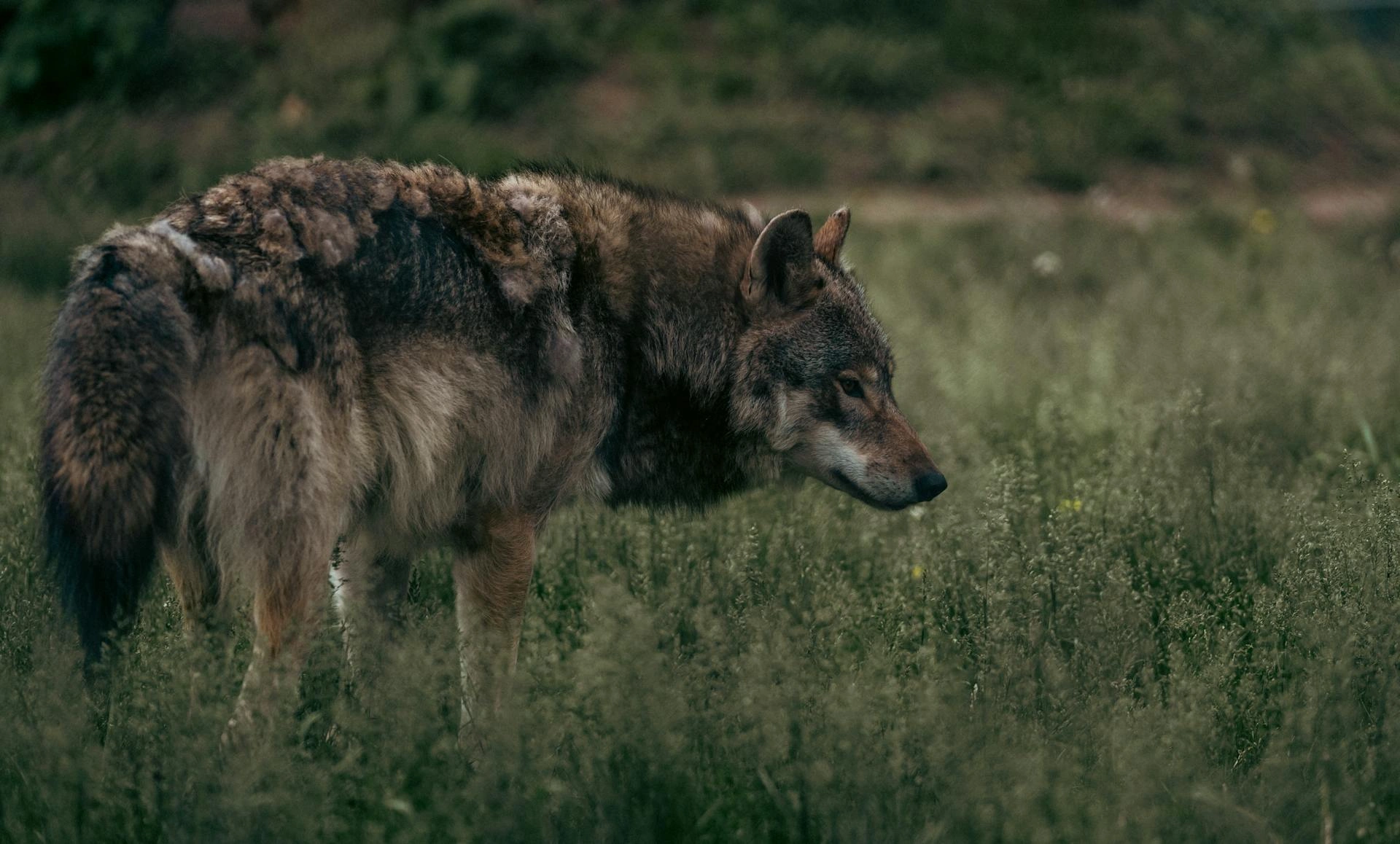
Why the countryside is far safer than we think – and why apex predators belong in it
The countryside is far safer than assumed, and restoring apex predators could benefit ecosystems without posing real risks to people.
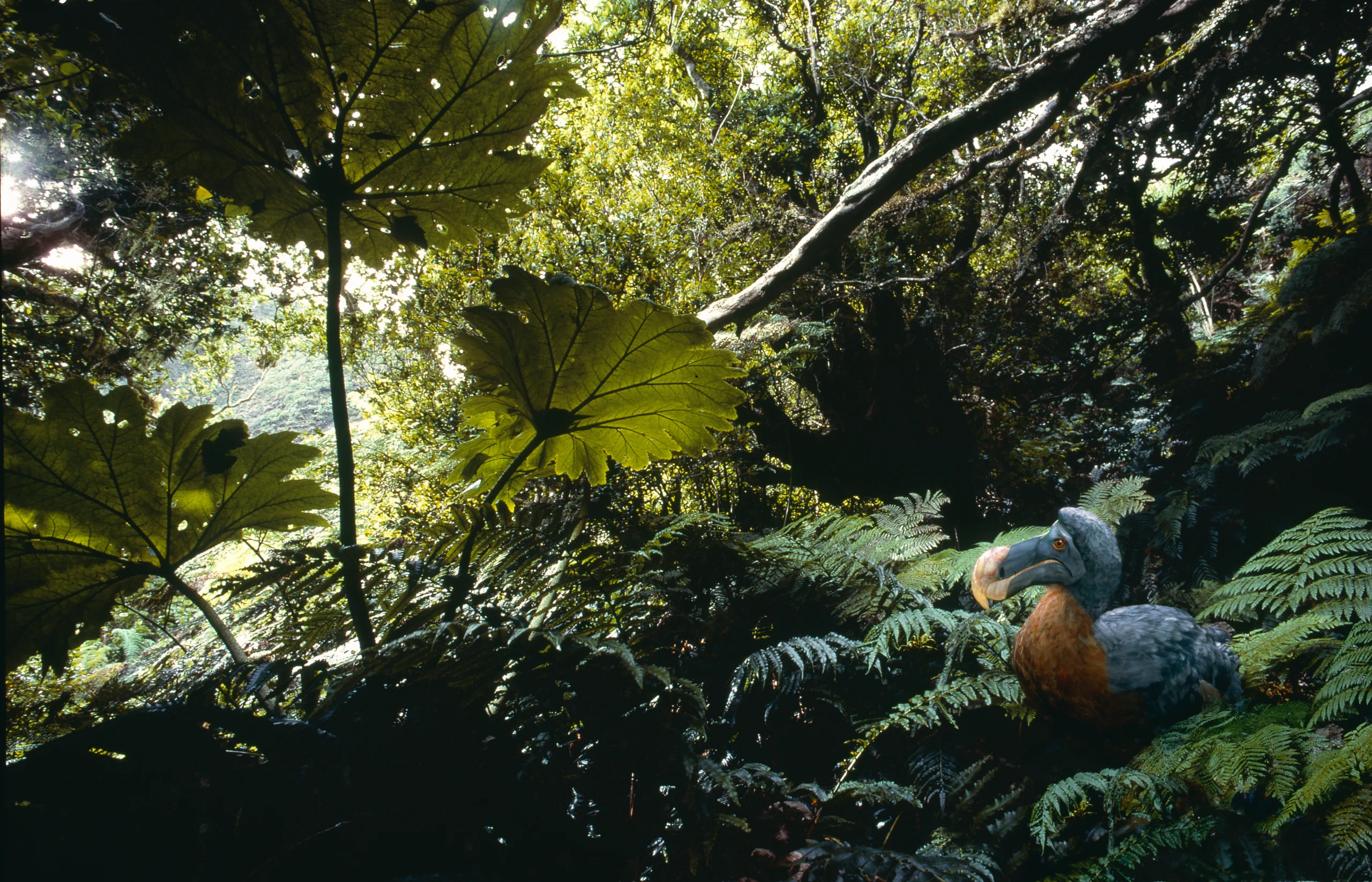
The dodo delusion: why Colossal’s ‘de-extinction’ claims don’t fly
Oxford biologist Tim Coulson challenges Colossal’s ambitious de-extinction claims, arguing true resurrection of extinct species remains scientifically impossible.
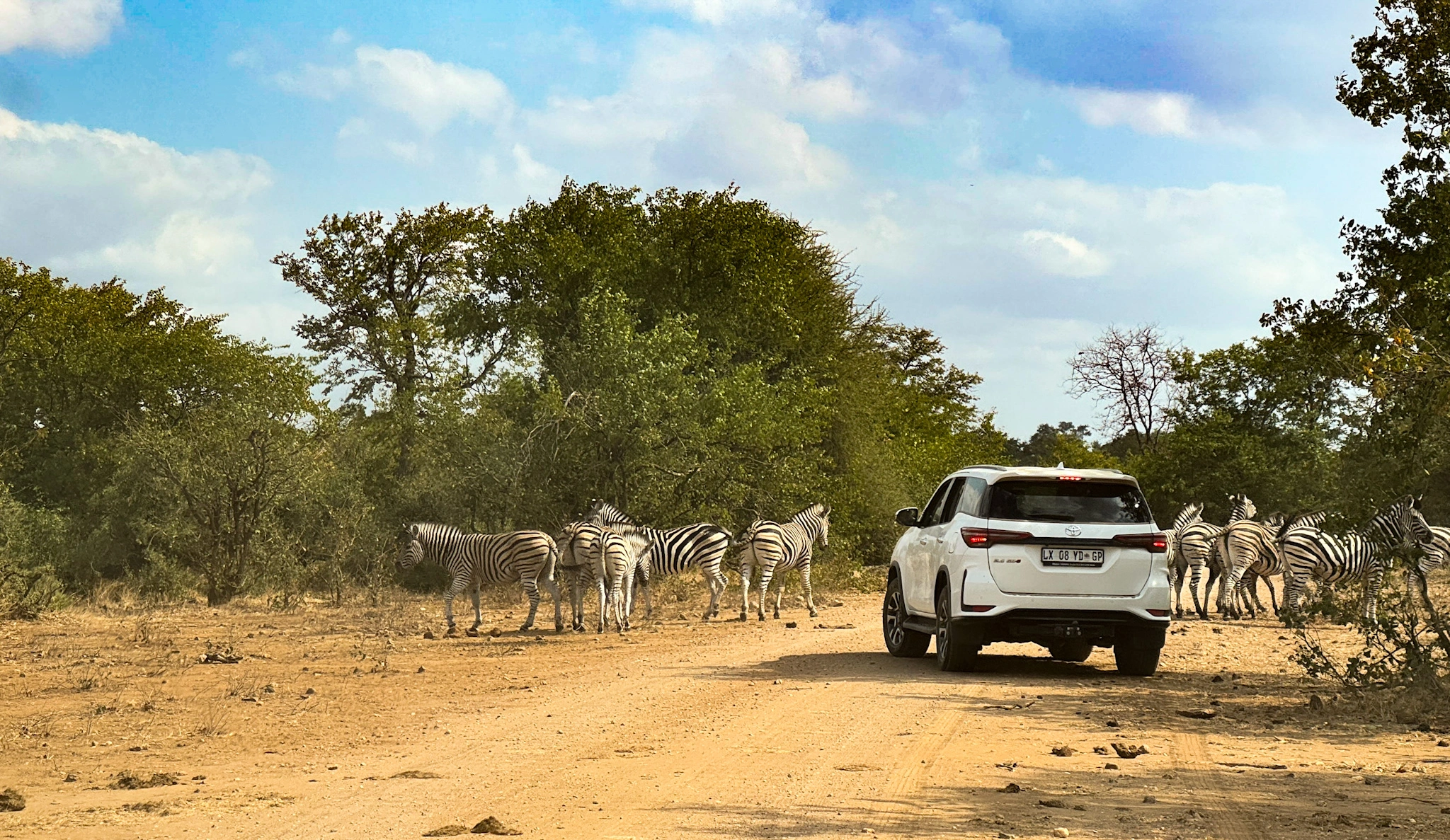
Drive your own safari: why Kruger is Africa’s most accessible wildlife park
Kruger National Park offers self-drive safaris, abundant wildlife, and easy access, making it Africa’s most visitor-friendly destination.
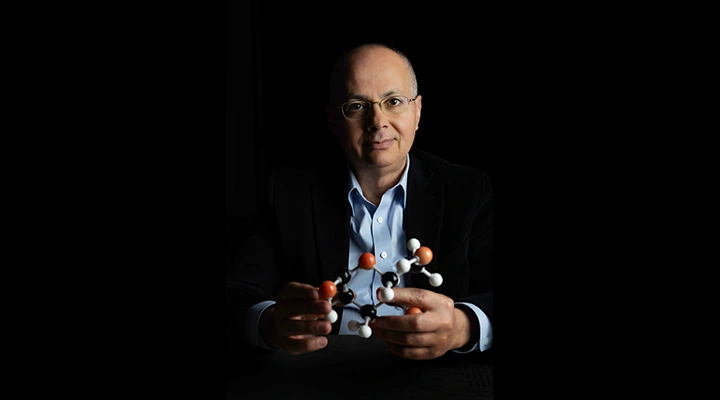
Meet Omar Yaghi, the Nobel Prize chemist turning air into water
Omar Yaghi, Nobel Prize-winning chemist, develops groundbreaking materials that extract water from air and capture carbon efficiently.
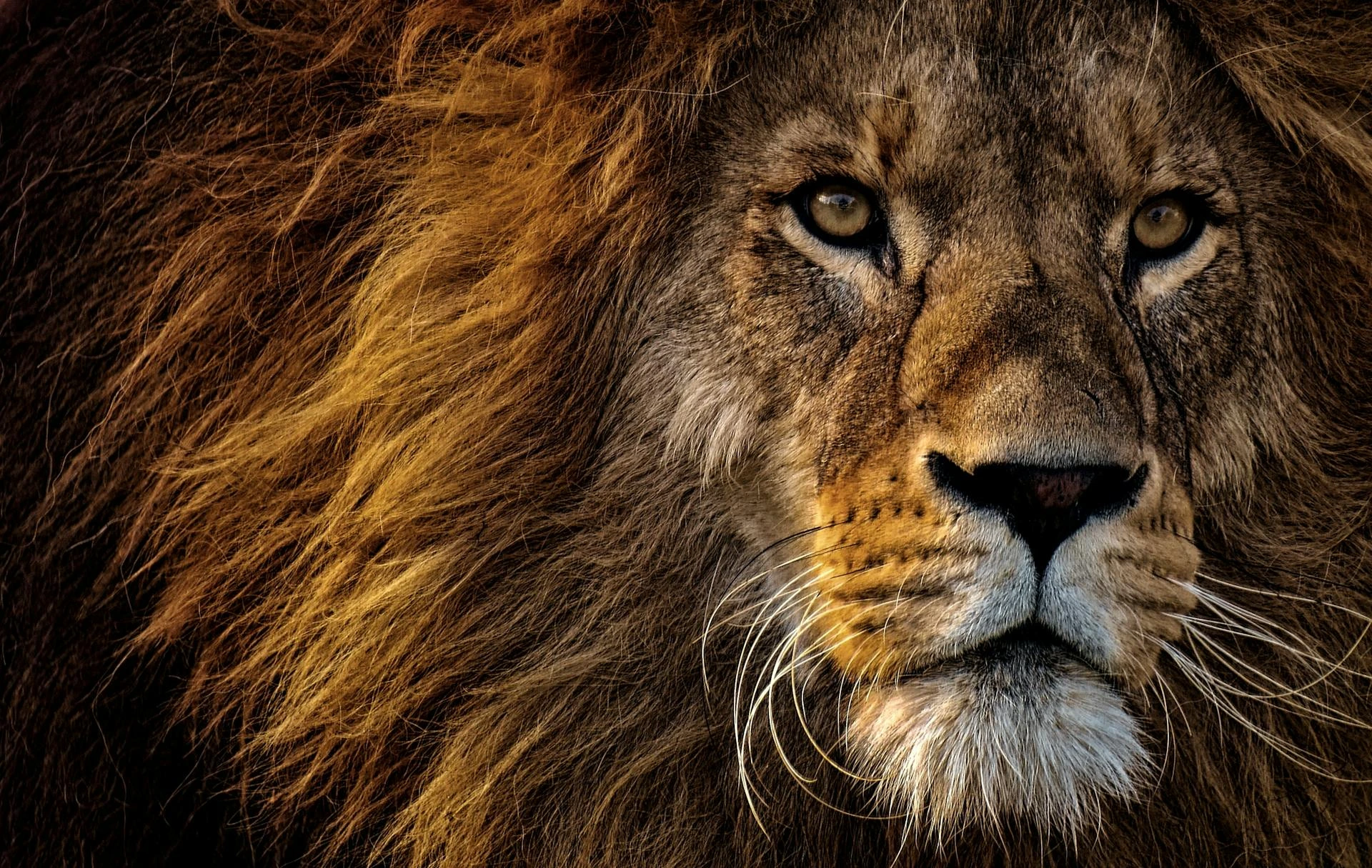
The bloody price of trophy pride
Professor Tim Coulson urges the UK to ban trophy imports after the killing of Blondie the lion in Zimbabwe.
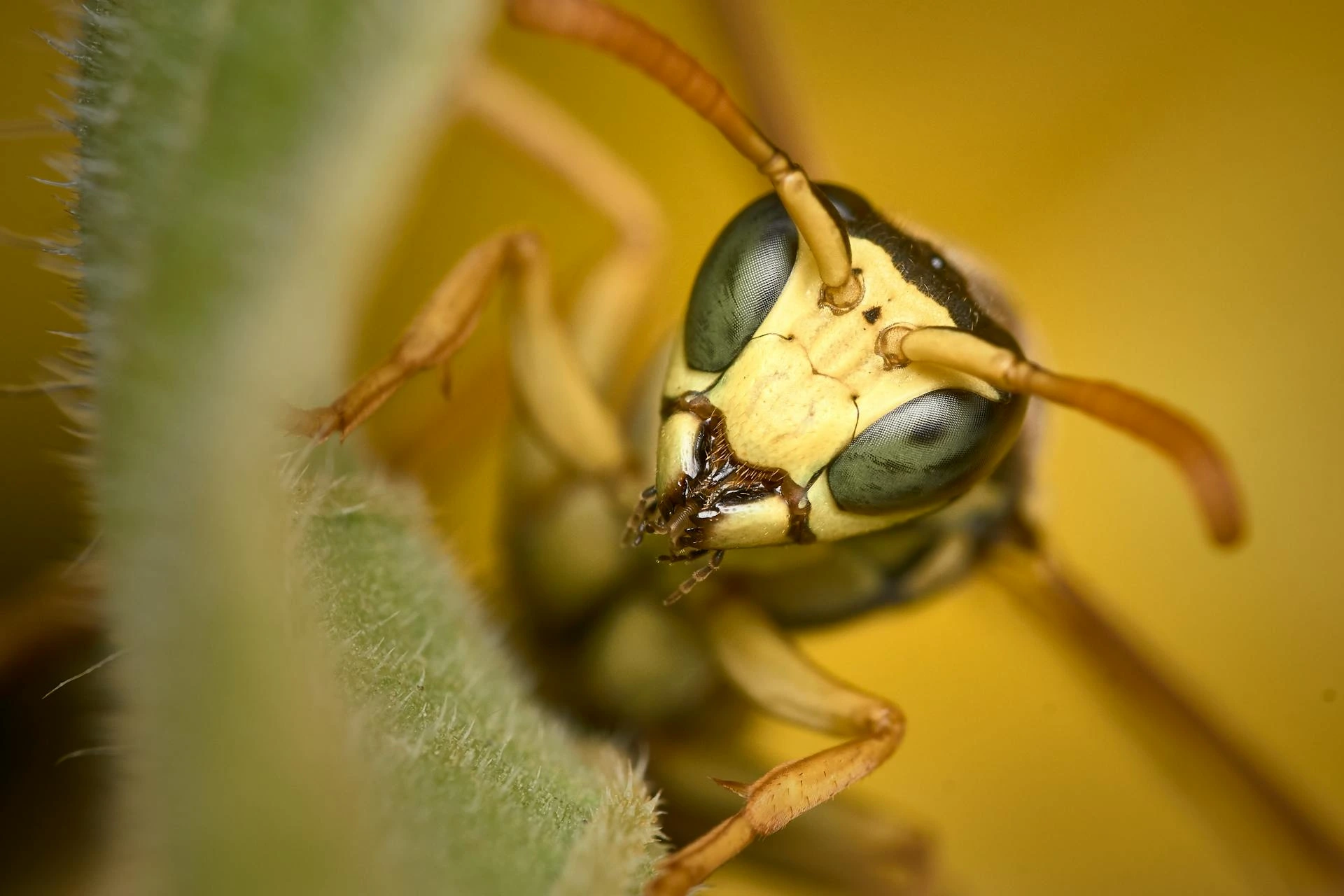
Why 2025’s UK insect boom is good news for us all
A warm spring and rich food supply have triggered a 2025 UK insect boom — boosting biodiversity and helping nature...

The birth-date bias: why football’s greatest talent may never get spotted
Professor Tim Coulson explores how birth-date bias sidelines football talent—and how science could level the pitch.
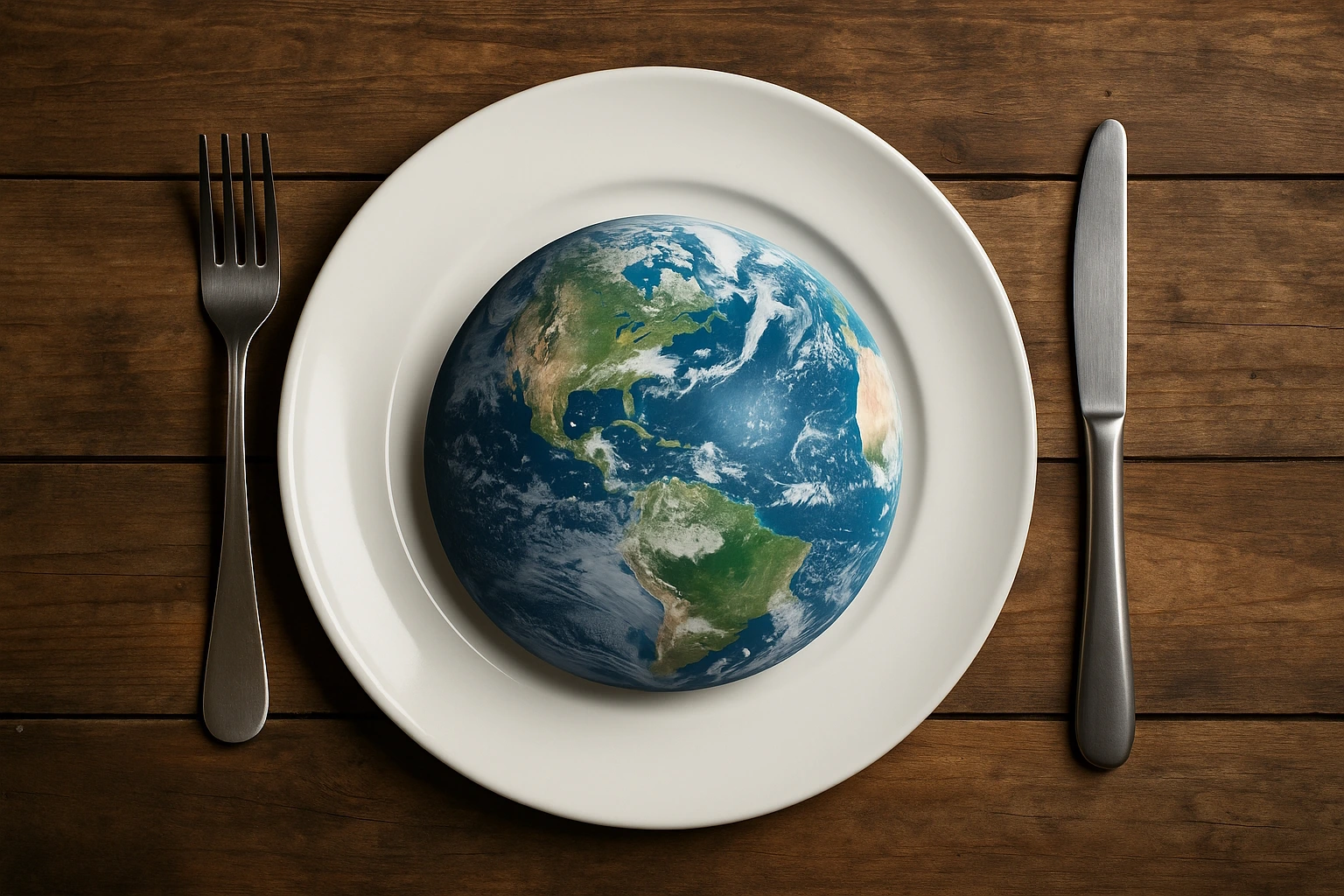
My grandfather survived a POW camp for his children — the least I can do is avoid bananas for mine
My grandfather survived a POW camp; now I strive to live sustainably to protect the future for my children and...



