As the BBC appoints a new Director-General, The European’s Strategy & Creative Intelligence correspondent, Steve McCauley, examines the scale of the challenge facing Matt Brittin — and why the role has become one of the most precarious in British public life
Speaking on The Rest is Politics, Rory Stewart told Alastair Campbell, “I had a moment where I suddenly thought, ‘I should apply for that job’. Do you think it would be a great job or a nightmare of a job?” Campbell’s reply was blunt: “both”.
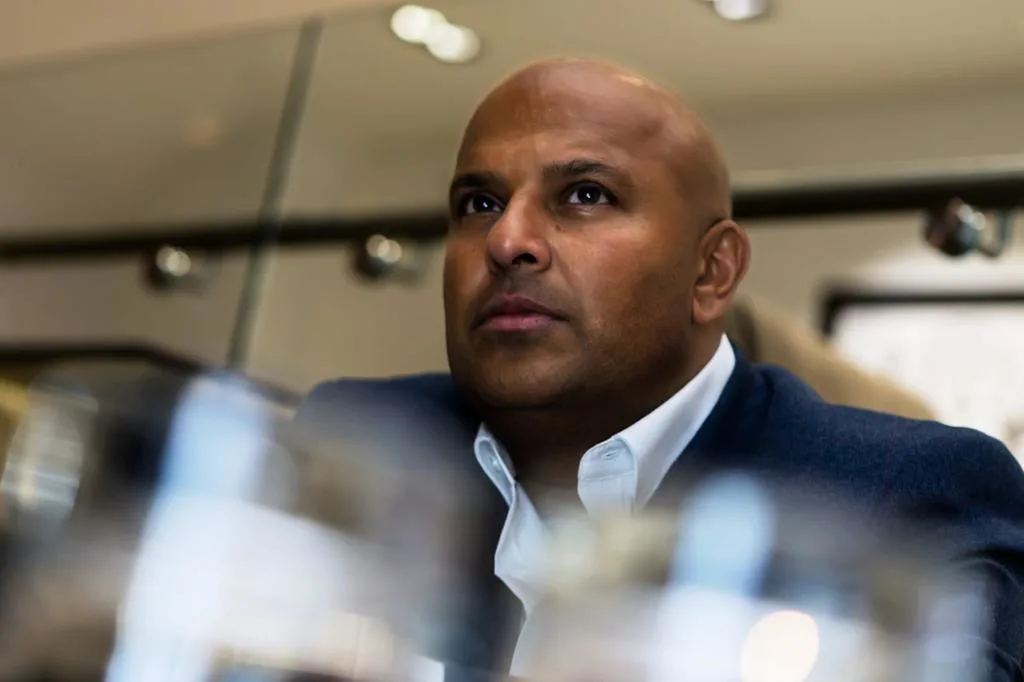
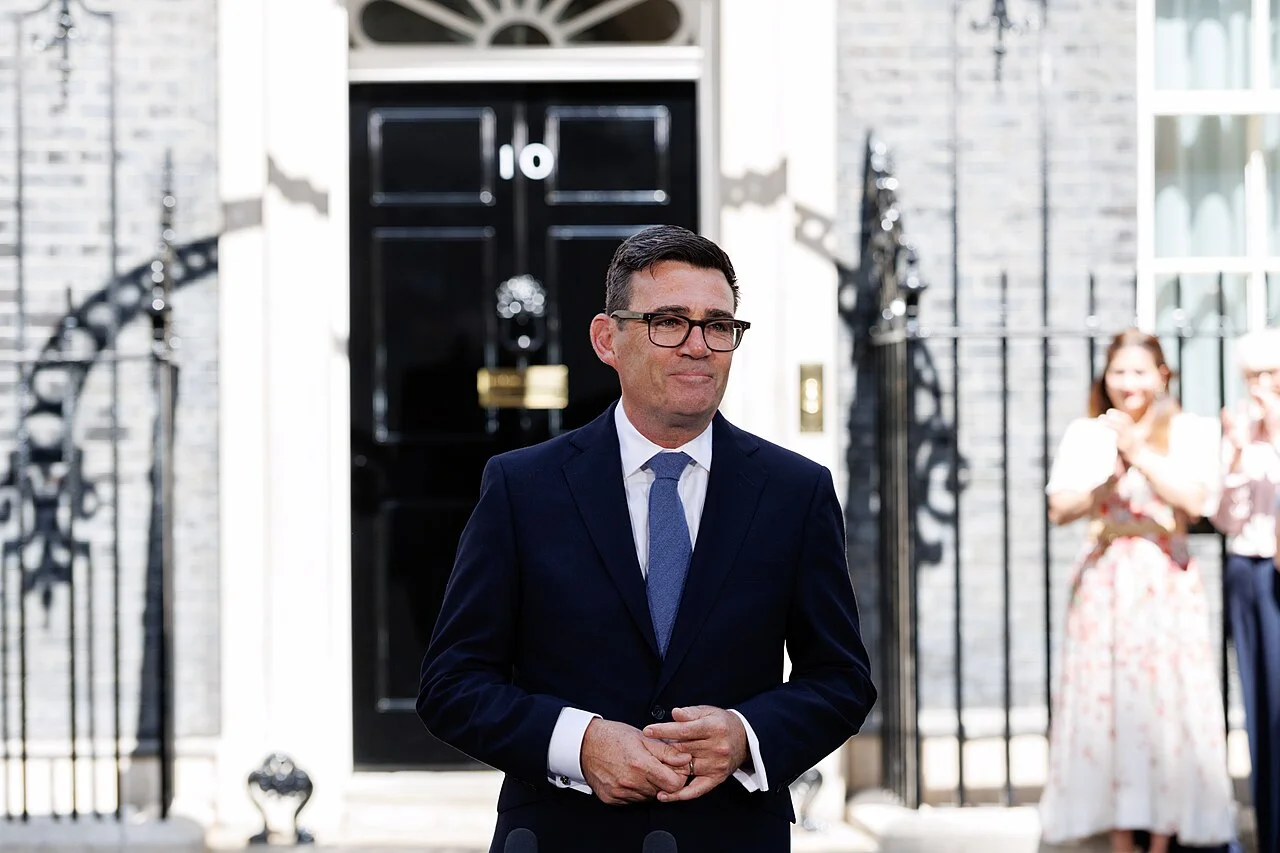
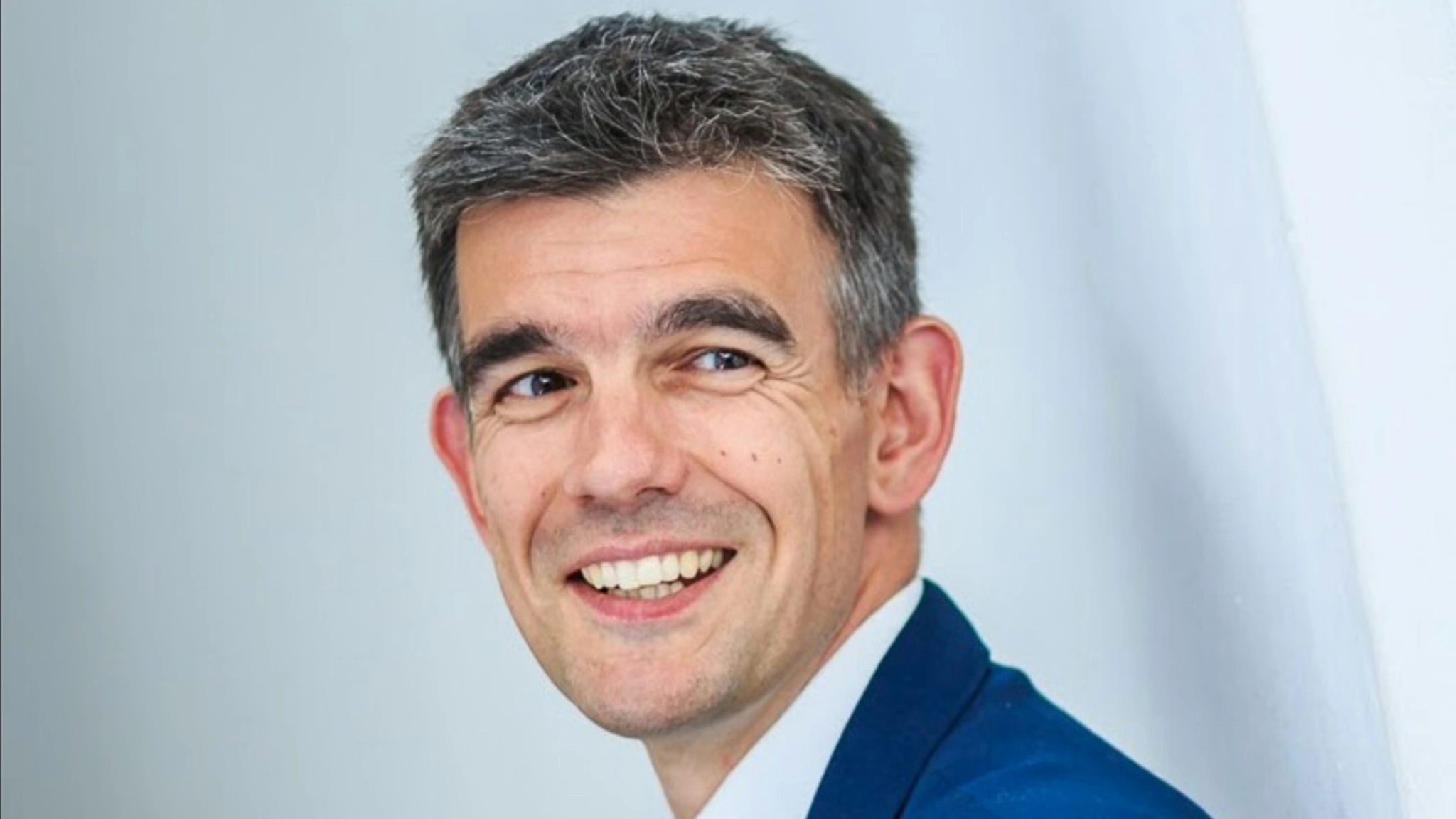
Take a bow, Matt Brittin, the 18th DG in the BBC’s 99-year history, following the resignation of Tim Davie in November.
Brittin’s name did not feature in the William Hill betting odds for the new DG published in late 2025. Most of the frontrunners were top-drawer female media executives. It looked likely that the BBC would have its first female DG. Presumably, the BBC couldn’t find a woman daft enough to want the job.
Brittin looks impressive on paper. A former president for Europe, the Middle East and Africa at Google, he understands the digital economy. He was on the board of Guardian Media Group, so he will know something about their news operations.
A Cambridge graduate, with an MBA from London Business School and a former McKinsey consultant, he brings a strategic mind and a commercial edge. If that were not impressive enough, Brittin rowed for Cambridge in the Boat Race and for Great Britain at the 1988 Olympics. He’ll do well to keep a paddle handy at Broadcasting House.
However, what Matt Brittin lacks is that he is not a journalist. He has never led a newsroom, never made a programme, never reported from a war zone, nor worked for, let alone run, a public service broadcaster.
He has not served as a CEO before, either. His new job is a higher grade than reporting to California from Google’s London outpost.
The BBC is iconic. The pre-eminent news organisation in the world, it employs around 21,000 staff. It enjoys high levels of trust among UK audiences (67 percent), according to research published in December 2025 for the Department for Culture, Media and Sport. The BBC reaches 94 percent of British adults each month, around 52 million people. Its websites reach around half a billion people globally every month, while the BBC World Service reaches 418 million each week. The BBC has income of £5.5 billion per year.
The BBC originates over 11,000 hours of programming annually. No one person can check everything and therein lies a problem: the DG is not only the CEO of the BBC, but also the Editor-in-Chief who must carry the can when things go wrong.
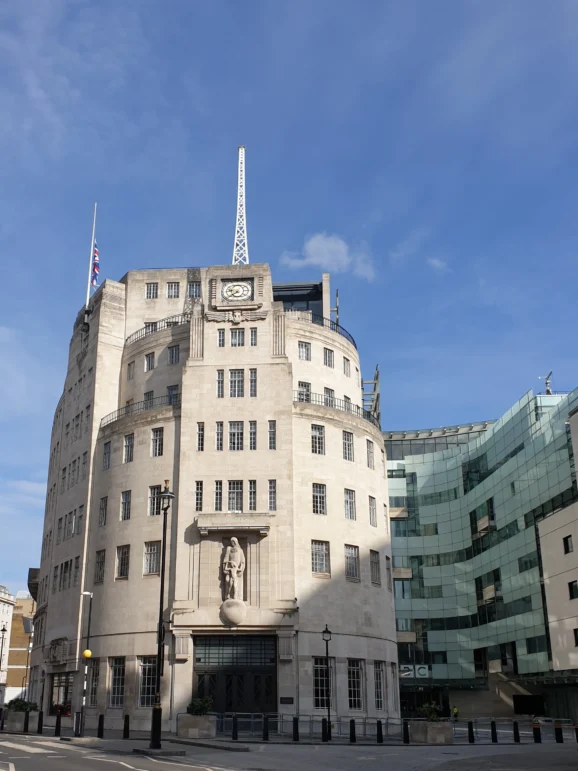
And they do go wrong, frequently and often excruciatingly. The new DG will come to experience that the national broadcaster lives in a state of near-permanent calamity.
The BBC is never more than thirty days away from the next existential crisis, arguably often self-inflicted. These range from editorial own-goals and allegations of bias, to rows over presenters, governance disputes, on-air controversies and political attacks from those who would prefer to see the organisation dismantled altogether. Each episode reinforces a cycle in which trust is contested, scrutiny intensifies and the organisation is forced back onto the defensive.
It is axiomatic that the career of BBC DGs will probably end with an ignoble resignation about a row about editorial policy, practices and judgement. The only DG in the last twenty years who has not had to resign was Sir Mark Thompson, who went on to scale other heights running The New York Times and now CNN.
The trouble for Tim Davie began with the leaking to The Daily Telegraph of a memo by Michael Prescott, a former advisor to the BBC’s Editorial Standards Committee, criticising alleged systematic editorial bias at the BBC, including on Gaza and transgender issues (refuted by the Chair of the BBC, Samir Shah).
The memo also criticised a 2024 edition of Panorama, in which an ill-thought-out edit made it appear as if Donald Trump had directly called for an attack on the US Capitol during his speech on 6th January 2021.
The edit was misleading. Two parts of Trump’s speech, separated by almost an hour, had been spliced together without sufficient indication to the audience. While the producers faced the challenge of condensing a long speech, the failure to signal that separation in time was a serious lapse.
It was poor journalism that sent the BBC into its familiar state of apoplexy and cost the DG and the Director of News their careers. It also opened the door to legal and political repercussions, including a $10billion lawsuit from Trump, which the BBC is seeking to have dismissed.
These pressures now converge in the strategic challenges facing the new Director-General.
Brittin takes over at a critical moment. The new Royal Charter must start on 1st January 2028, whatever form it might take. The government is trying to work out how the BBC should be financed, including whether to scrap or alter the licence fee system. The arguments are as old as the BBC itself.
Brittin enters an institution whose topography and ecosystem has been formed over a century of weathering, cross-pollination and shifting tectonic plates.
The BBC has survived by navigating new technologies, the pendulum swing of British politics and its foundational role in the Establishment. Its internal wiring is invisible to the naked eye. Power and influence are distributed and found in unexpected places, if they can be found at all.
The internal bureaucracy of the BBC can feel suffocating. Getting anything worthwhile done is painful. The BBC’s immune system has evolved to attack outside thinking and originality. Working on innovation is like tap dancing in treacle. There is a goblin in every cupboard waiting to say “NO!” to any foreign idea. You have to learn to speak BBC to succeed.
Matt Brittin needs to decide how he is going to lead. He could opt for a safety-first approach: navigate the present difficulties, deliver a new Charter, and incrementally push the BBC further into the digital age — a caretaker role.
The risk is that it’s like managing Tottenham Hotspur: a few games in charge, but when the results are terrible, you’re toast. George Entwistle lasted only 54 days as DG in 2012, rather unfairly. The BBC can be brutal. That approach may buy time, but it does little to resolve the structural pressures bearing down on the organisation. Standing still, in a market that is moving this quickly, is itself a form of decline.
Or Brittin could be the DG to transform the BBC and make it fit for the next hundred years. To do this, he will need to grasp the complexity of the organisation and define a compelling story for what it could become, as well as the necessary changes. He will have to deal with a complicated network of stakeholders with competing interests. He will need to communicate effectively to win their support.
And just as he feels in control, he’ll need nerves of steel when the next catastrophe erupts.
The BBC’s not-for-profit status creates a problem that Matt Brittin won’t have experienced in business: there is no profit and loss statement or share price against which he can measure “success”.
Instead, the BBC invents internal metrics to assess its performance. It has the feeling of being inside a vast empire, where divisional tribal chieftains compete for resources and influence.
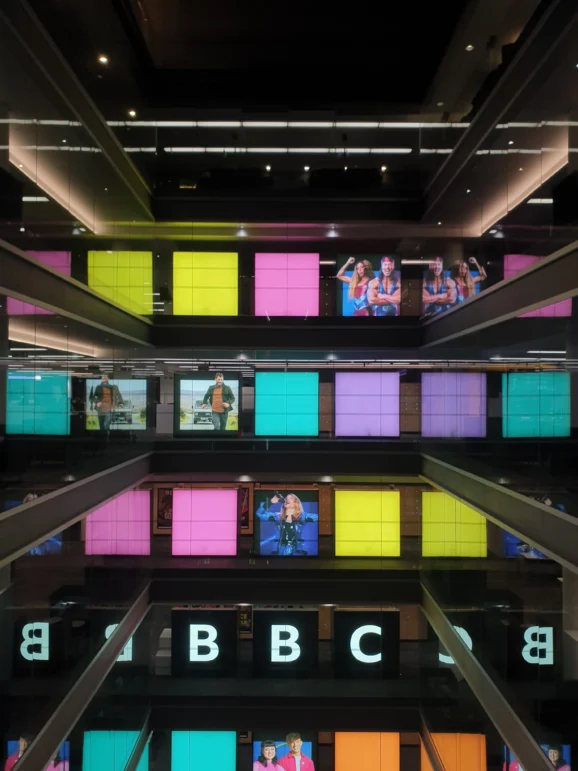
The new DG will have a fiendishly complex set of problems to solve, not least how to stay relevant to a young audience that rarely watch linear TV or listen to the radio.
The BBC faces fierce competition for algorithm-driven attention from social media and streamers — a world where data, platforms and technology are critical. The BBC’s production budgets are modest in comparison to those of US studios. It can no longer afford the “crown jewels” of British sports events. Drama costs a fortune to make.
Expect to see BBC News expanding its role in the fight against disinformation and to help bolster the country’s “cognitive resilience”. This is especially difficult when the source of much misinformation is political power itself. The BBC now knows that it is not immune from incoming lawsuits, yet its reputation will be damaged beyond repair if it flinches in the face of thuggery.
Matt Brittin will need to communicate the core values of the BBC in all that he does, not least the importance of building trust through balance, impartiality and adherence to the truth — of putting the interests of audiences first.
He will also need to reinvigorate the creative spirit and to nurture genuine talent at the BBC, which has faced seemingly endless cuts since 2010.
The BBC is clear about what it wants from the government —a permanent status, like the Bank of England, rather than a ten-year cycle of Royal Charters that only leads to instability. It knows that a Farage government would render the national broadcaster unrecognisable.
The Labour government will know this and should surely seek to insulate the BBC from potential vandalism. The BBC wants the appointment process of the BBC Chair and board to be independent of government and not subject to the whims and mischief of the politicians of the day.
It might be too soon for the BBC to move to a paid subscription model. There is, though, real potential for the BBC to develop subscription services for audiences outside the UK.
Matt Brittin will come to appreciate that the BBC is a remarkable organisation full of brilliant, creative, hard-working and capable people who are driven by a sense of public service and its mission and values. The new DG will need to win them over, as there will be doubts about someone taking the top job who has never worked for the BBC and has no experience of its most important division: BBC News.
Will it be a great job or a nightmare of a job? Both, most likely, as Alastair Campbell said.
With luck and judgement, Matt Brittin should be able to triumph and avoid the minefields that have undone so many of his predecessors and keep Rory Stewart waiting for the chance to go for the job the next time around — if he were ever daft enough to apply.
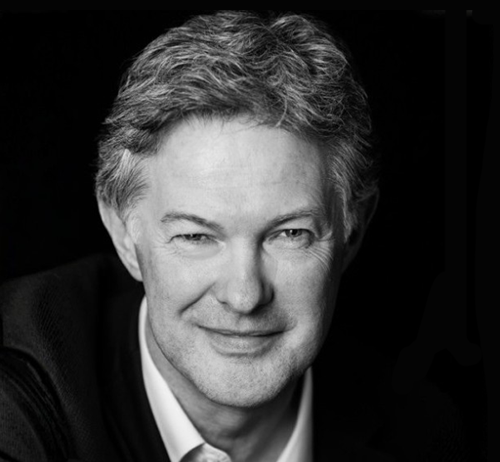
Steve McCauley is a leadership coach, strategic advisor and journalist whose career spans media, government, digital technology and international development. A Senior Fellow at the University of Cambridge and certified executive coach, he has advised presidents, ministers, CEOs and global organisations on strategy, governance and creative thinking in complex environments. As Strategy & Creative Intelligence Correspondent for The European, he writes on leadership, governance, talent, innovation and the forces shaping European growth.
READ MORE: ‘Highway robbery: how the UK’s post-Brexit electric car policy blew a fuse‘. Post-Brexit, Britain steered clear of EU-style additional tariffs on Chinese electric vehicles in a bid to make them cheaper. Instead, UK drivers are paying much the same while manufacturers appear to pocket the difference, says Steve McCauley.
Do you have news to share or expertise to contribute? The European welcomes insights from business leaders and sector specialists. Get in touch with our editorial team to find out more.
Main Image: BBC Press office