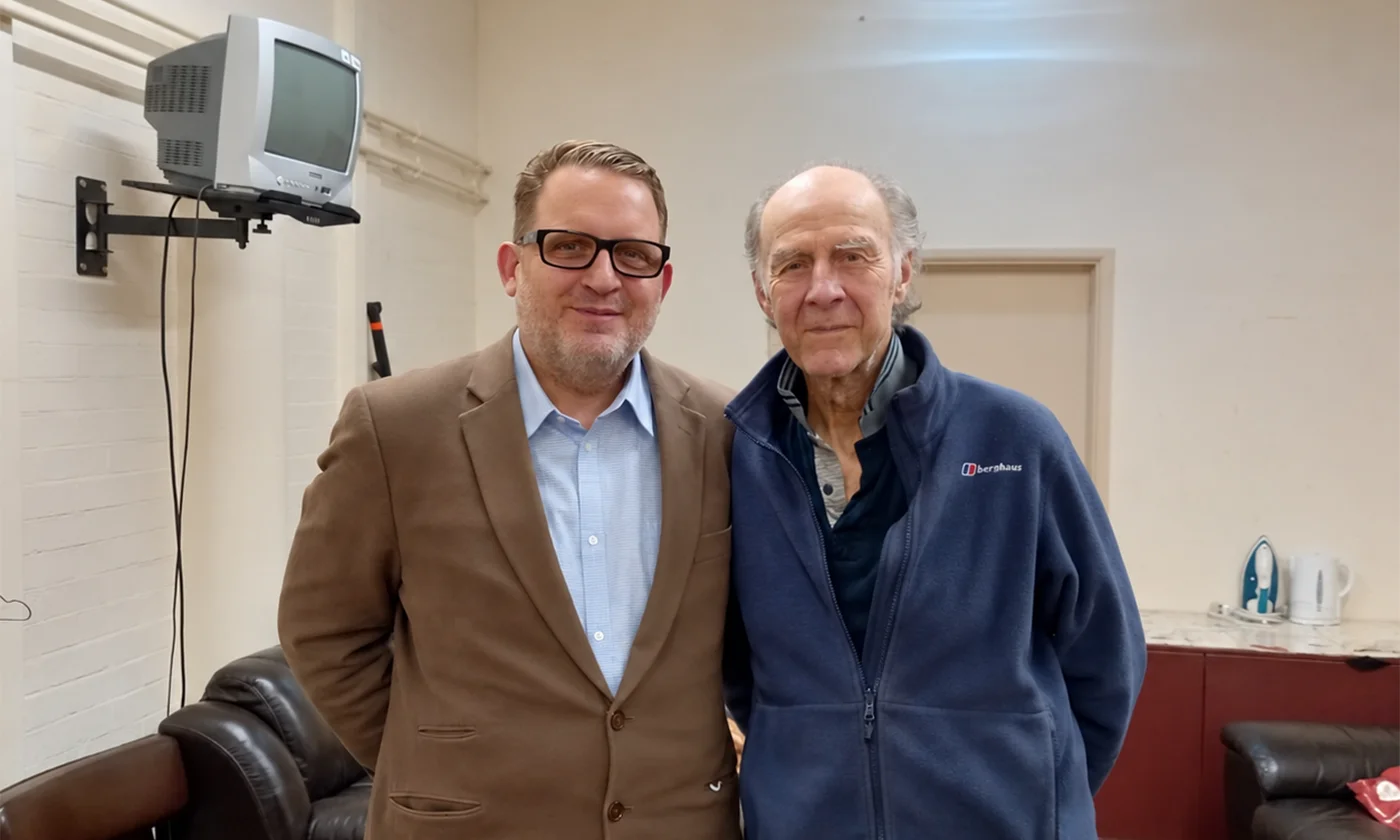
Matthew Kayne has lived through the best and worst of Britain’s healthcare system. Diagnosed with bladder cancer and living with cerebral palsy, he saw first-hand how poor communication, slow services and systemic indifference make recovery harder for disabled patients — and why urgent reform is long overdue
Healthcare is supposed to be universal, fair, and compassionate. But for many disabled people like me, the reality is different. Inequalities run deep, and they are not just about waiting lists or funding shortages. They are about dignity, communication, and whether or not disabled people are truly seen as equal.
I’ve seen this first-hand. When I was diagnosed with bladder cancer, I had to navigate not only the shock and fear of the illness itself but also the barriers of a healthcare system that wasn’t designed with disabled people in mind. The diagnosis itself was terrifying. No one prepares you for hearing the word “cancer” directed at you. But what made it harder was the lack of joined-up communication between NHS hospitals. Departments didn’t talk to each other. Appointments were delayed, letters went missing, and I was often left to chase information myself. At a time when I should have been focusing on my health and wellbeing, I was spending energy on being my own advocate in a system that seemed fragmented and indifferent.
I had support from incredible staff and loved ones, and I will always be grateful for that. Many doctors and nurses showed compassion, understanding, and professionalism. But the cracks in the system were impossible to ignore. For example, wheelchair services, which I relied on during treatment, were painfully slow. Equipment was delayed or unsuitable, which added unnecessary stress. When your body is already battling cancer, you don’t have the energy to fight the system as well.
What struck me most was the lack of communication between different parts of the NHS. Hospitals seemed to operate in silos. One department didn’t know what the other was doing, and I was the one caught in the middle. This isn’t just frustrating — it’s dangerous. For disabled patients with complex needs, poor communication can lead to delays in treatment, missed care, or avoidable suffering. That’s why I believe we need a system where communication between hospitals, departments, and community services is seamless. Lives depend on it.
There’s another issue too: the way disabled people are often treated as an afterthought. Accessibility is not always prioritised. Information isn’t always provided in formats people can understand. Appointments are rushed, leaving little time for questions. And sometimes assumptions are made — that disabled people can’t work, or can’t contribute, or that their quality of life matters less. Those assumptions are not only insulting but dangerous. They can influence the quality of care people receive.
I also couldn’t do work experience during this time because of my age and circumstances. That may seem like a small thing, but it reminded me again how barriers pile up. Disabled people are too often told what they “can’t” do instead of being supported to reach their potential. Healthcare should be a place where people are lifted up, not made to feel smaller.
Social services also play a role here. Too often, they don’t see the person, only the cost. When you are ill and vulnerable, that attitude is crushing. Instead of feeling supported, you feel like a burden, like your life is being measured on a balance sheet. That lack of humanity in decision-making adds to the inequality disabled people face in healthcare.
Care homes are another part of this picture. For many disabled people, being in a care home means losing control. Decisions are made for you, not with you. When I was in a care home, I felt that loss of independence every day. Healthcare inequalities are not only about hospitals and doctors; they’re about the whole system around you — social services, care providers, and the structures that decide how much autonomy you are allowed to keep.
And yet, through all of this, I had so much support from family, friends, and parts of the system that worked. I want to acknowledge that. It showed me what’s possible when care is joined-up, compassionate, and focused on the person rather than the paperwork. That’s the vision I want to see everywhere.
So, what needs to change? First, communication must improve. NHS hospitals and departments should never operate in silos when patients’ lives are at stake. Second, disabled people must be treated as equals, with dignity and respect at the heart of every decision. Accessibility — whether physical, digital, or procedural — should be the default, not the exception. Third, social services must shift their focus from cost-cutting to person-centred care. Money matters, but dignity matters more. Finally, care homes must empower residents, not control them. Independence and dignity should be preserved at every stage of life, regardless of disability or illness.
Healthcare inequalities are not inevitable. They are the result of choices — political choices, funding choices, cultural choices. We can choose to do better. We can choose to build a system where disabled people are not left behind, not treated as afterthoughts, and not forced to fight for the basics of dignity.
For me, healthcare has been both a place of healing and a place of struggle. I’ve seen the best of it and the worst of it. My story is just one example, but there are countless others. If we listen to those stories and act on them, we can build a healthcare system that truly lives up to its promise of universality and compassion. Until then, inequalities will persist — and lives will be diminished because of them.
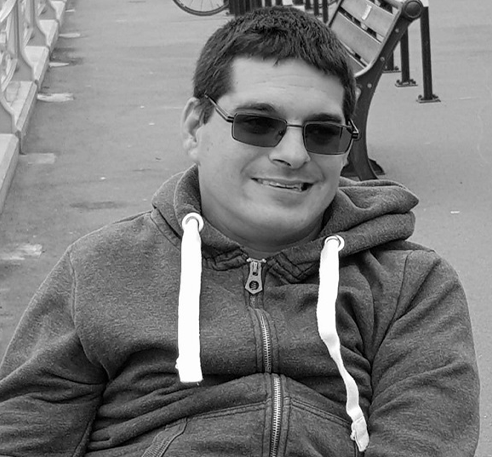
Matthew Kayne is broadcaster, political campaigner and disability rights advocate who has turned personal challenges into platforms for change. He is the founder and owner of Sugar Kayne Radio, an online station dedicated to uplifting music and meaningful conversations, and the leader of a national petition calling for reform of the UK’s wheelchair service. Living with cerebral palsy and a survivor of bladder cancer, Matthew channels his lived experience into advocacy, broadcasting, and songwriting. His long-term ambition is to bring this experience into politics as an MP, championing disability rights, healthcare access, and workplace inclusion.
READ MORE: ‘The fight for independence disabled people shouldn’t have to wage‘. After 15 years in a care home, our Disability Rights and Workplace Inclusion Correspondent, Matthew Kayne, knows what it feels like to have even the smallest choices taken away. From daily routines dictated by rotas to support determined by budgets, he says disabled people are too often denied dignity, and are forced to fight for the freedom most take for granted.
Do you have news to share or expertise to contribute? The European welcomes insights from business leaders and sector specialists. Get in touch with our editorial team to find out more.
Main image: Tima Miroshnichenko/Pexels