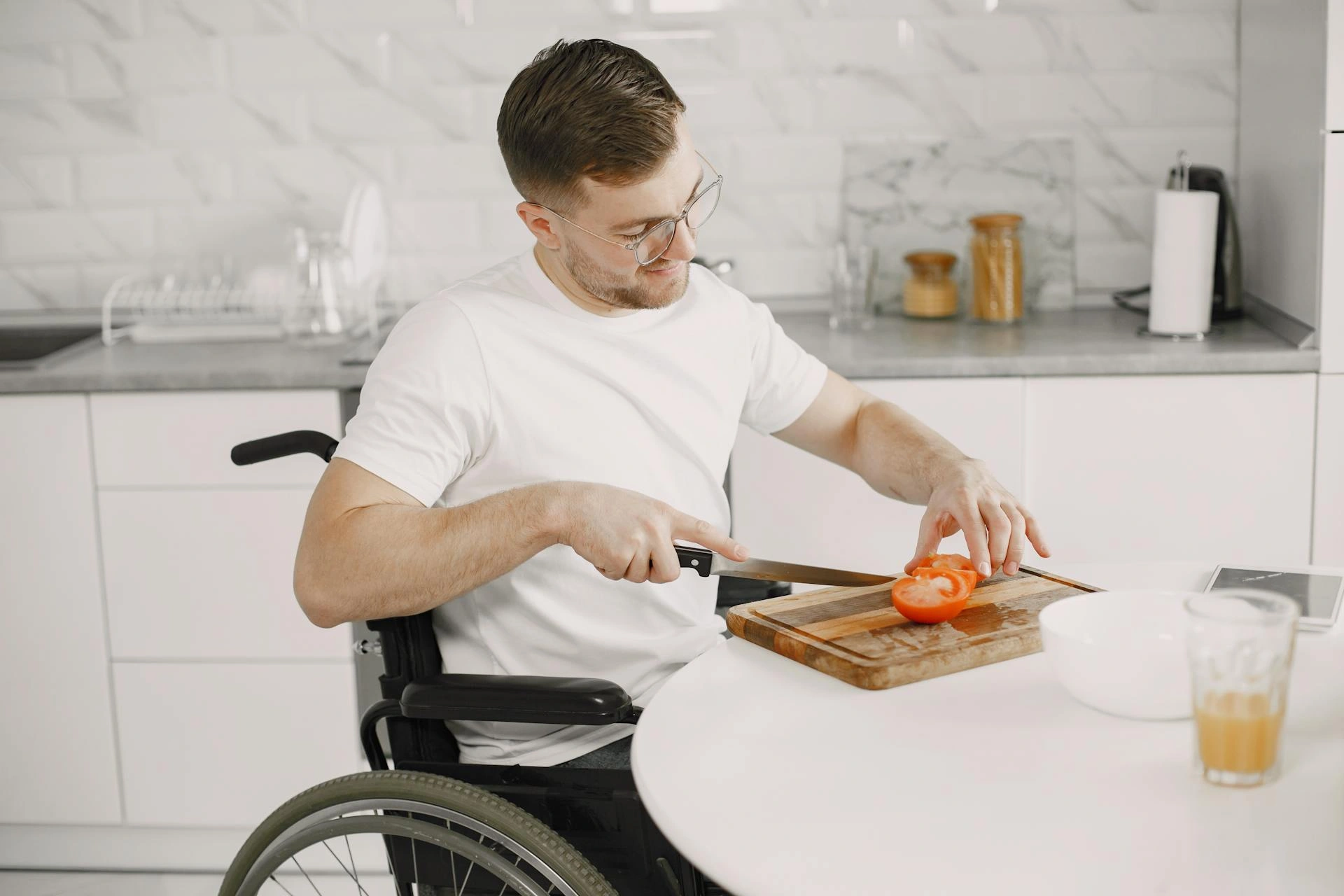
After 15 years in a care home, our Disability Rights and Workplace Inclusion Correspondent, Matthew Kayne, knows what it feels like to have even the smallest choices taken away. From daily routines dictated by rotas to support determined by budgets, he says disabled people are too often denied dignity, and are forced to fight for the freedom most take for granted
Independent living means having choice and control over your own life, with the dignity that comes from making decisions for yourself rather than having them made for you.
For me, independence has always been about freedom: the freedom to decide who supports me, the freedom to make my own decisions, and the freedom to live in my community.
But too often, disabled people are denied that freedom.
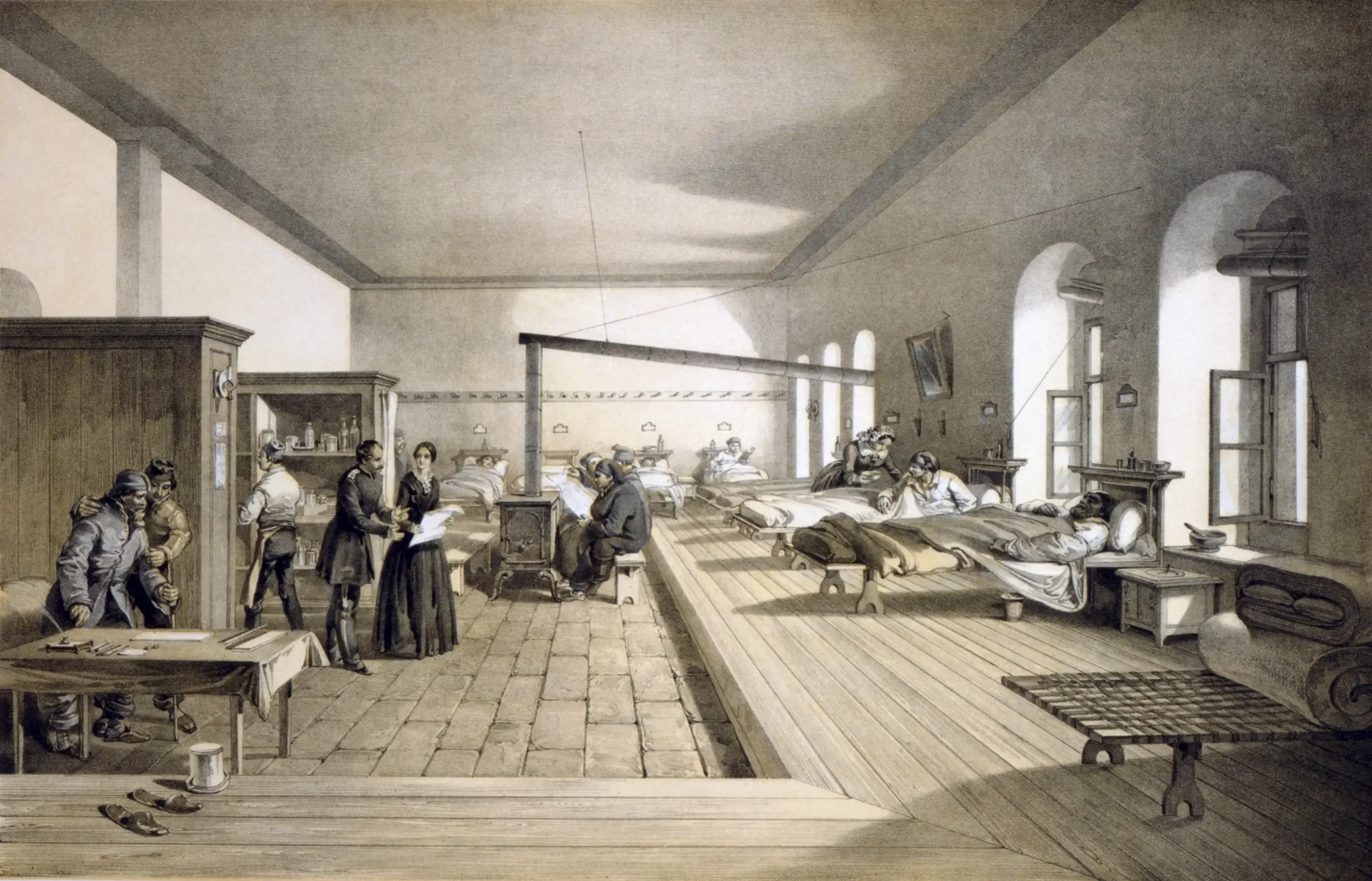
I’ll never forget the 15 years I spent in a care home. Care homes, which are supposed to support independence, often take it away. My daily routine wasn’t mine to decide but was dictated by rotas, staff availability, and rules. I couldn’t get up later, go out spontaneously, or always choose my meals. My life belonged to the system, not to me. At times, I felt like I had lost control over even the smallest choices. That loss of autonomy eats away at your confidence, your personality, and your sense of dignity.
Social services too often focus on cost rather than the person. Decisions about care are dictated by budgets, not needs. I have sat through assessments where the focus wasn’t “What does Matthew need to live fully?” but “How much will this cost us?” That is the wrong question. People aren’t spreadsheets. When the system prioritises money over dignity, it pushes disabled people into lives of dependence instead of independence.
I know this all too well because I had to fight with social services to get the right support. That fight was draining. I had to explain and justify my needs over and over, as though I was asking for something unreasonable rather than basic rights. Each time I had to fight, it reminded me how little value the system sometimes places on disabled people’s lives. It shouldn’t take a battle to secure dignity.
When I eventually moved into my own flat after those 15 long years, everything changed. Suddenly I had choice and responsibility, and my dignity was restored. I could decide what time to get up, who came into my home, and how I wanted to live. That might sound basic, but after years of living to someone else’s schedule, it was transformative.
Of course, independent living is only possible if support is reliable. Care agencies vary dramatically. Some provide excellent, respectful support that empowers disabled people to thrive. Others are chaotic, short-staffed, or dismissive of people’s needs. I’ve experienced both ends of the spectrum. When carers listen, respect my decisions, and see me as a person rather than a task, life feels possible. When they don’t, life becomes smaller and lonelier.
Living without control is exhausting. It chips away at confidence and self-worth. I know what it’s like to be told “no” to things most people take for granted. But being listened to, having choices respected, and receiving dignified support is empowering. It reminds you that your life is your own.
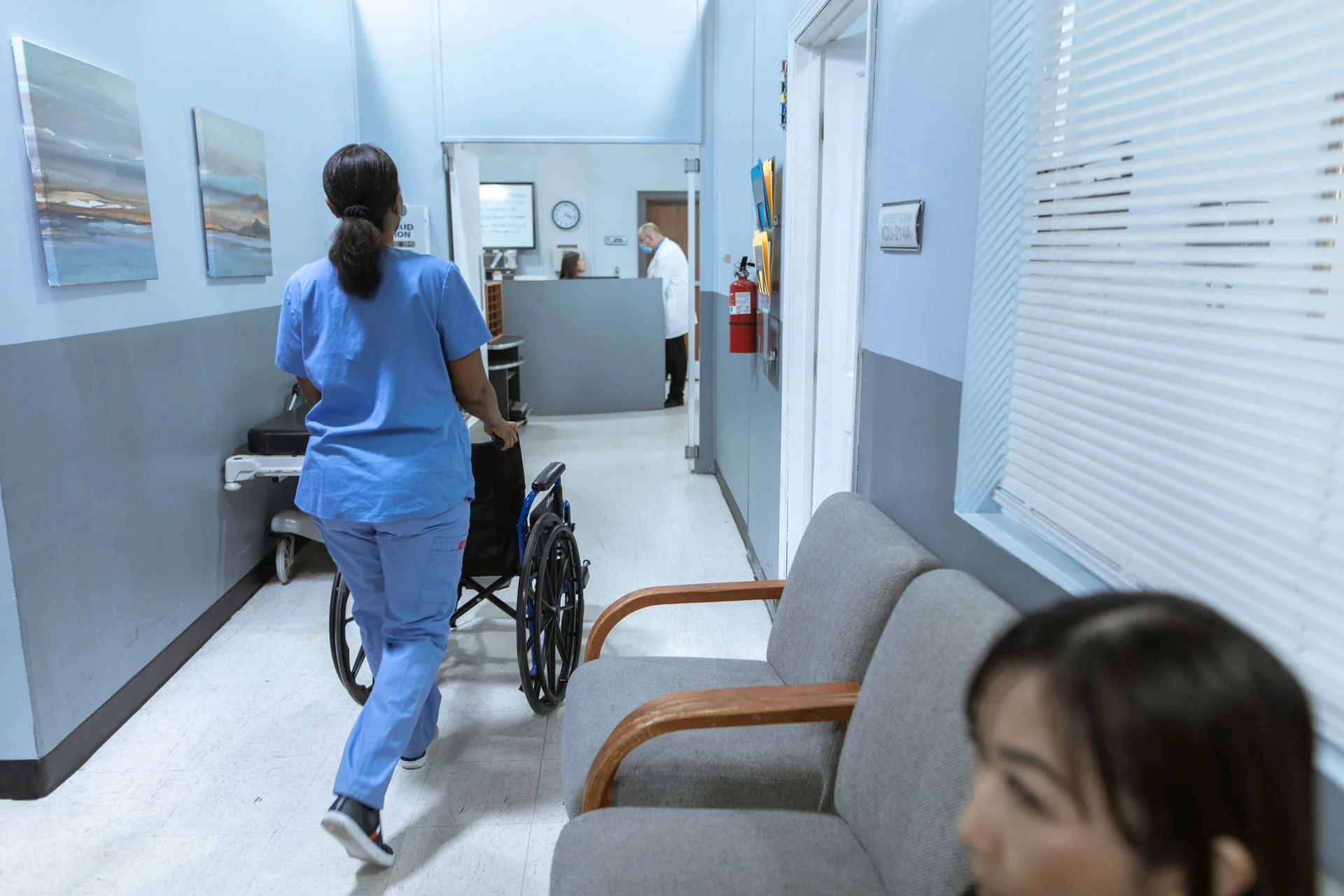
Care homes in particular need urgent reform. Too often, they strip people of independence instead of fostering it. Residents lose control over the basics—when to eat, when to sleep, even when to shower. That loss of control is dehumanising. We must build systems where independence is the goal, not the casualty.
What’s needed is a shift in perspective. Independent living is not a luxury; it is a right. Society should view investment in independent living as an investment in equality and opportunity. That means properly funding social care, building more accessible housing, and holding care providers accountable when they fail to uphold dignity. It also means recognising that independence looks different for different people. For some, it’s living entirely alone with minimal support. For others, it’s receiving daily care but still having a voice in every decision. Both are independence—because independence is about choice, not isolation.
Independent living benefits everyone. It improves health outcomes by keeping people out of hospital, reduces pressure on emergency services, and allows disabled people to participate in education, work, and community life. When people are given the freedom to contribute, society as a whole gains.
Too often, though, disabled people are trapped—either in unsuitable housing, in care homes they don’t want to be in, or on endless waiting lists for support. That is not independence. That is survival. We need to shift from a survival model to a dignity model.
For me, independence is about more than practicalities—it’s about self-worth. It’s about feeling like a human being whose life has value. No one should be forced into a care home, denied basic choices because a local authority wants to save money, or made to fight with social services for support that should be theirs by right. Independence is about freedom, dignity, and equality. Until we make that real for all disabled people, we are failing.
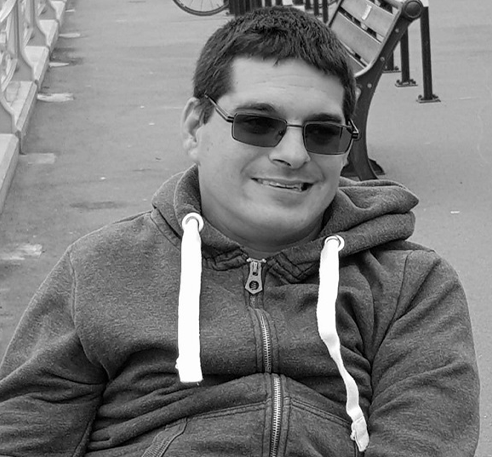
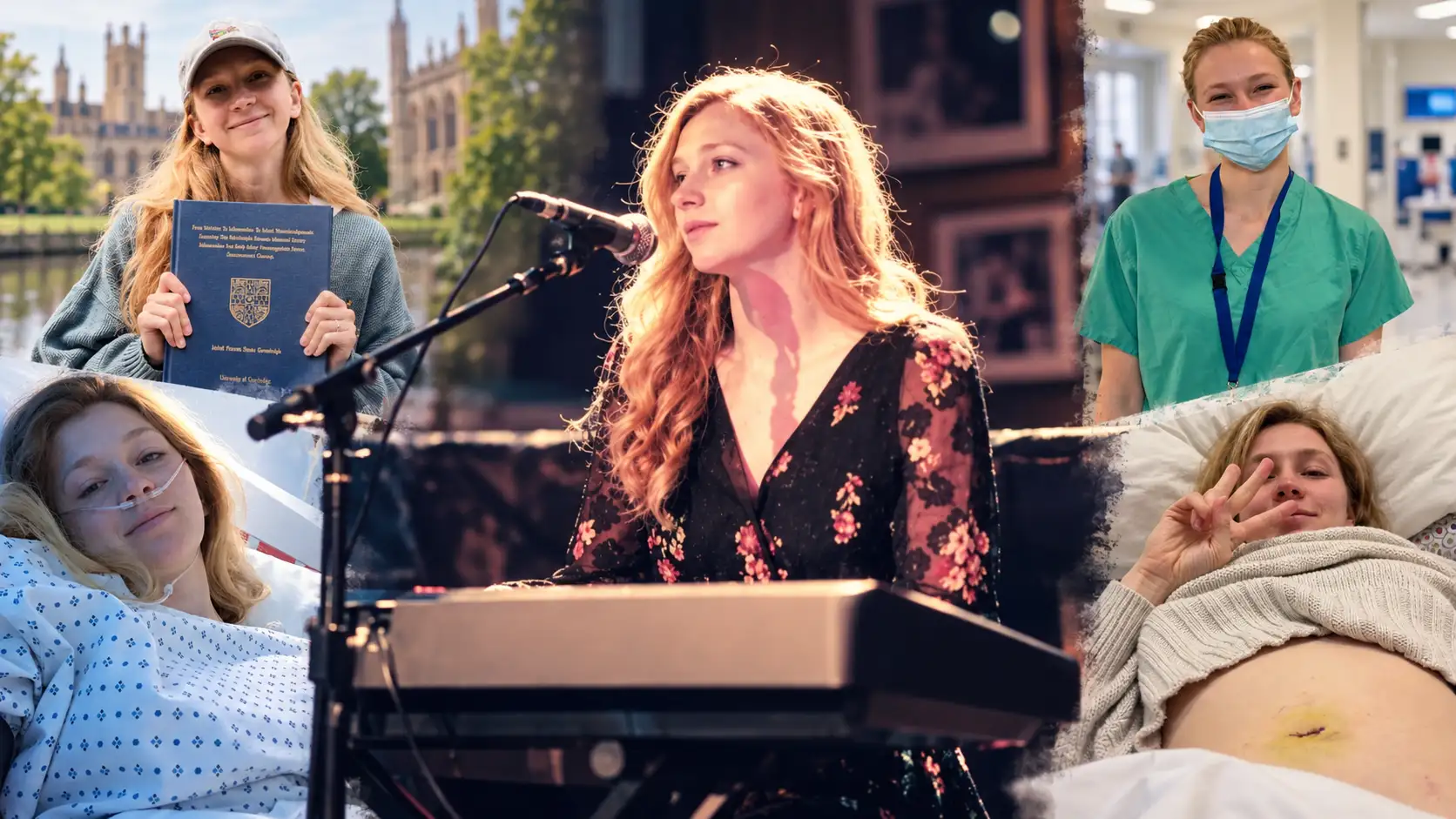
Matthew Kayne is broadcaster, political campaigner and disability rights advocate who has turned personal challenges into platforms for change. He is the founder and owner of Sugar Kayne Radio, an online station dedicated to uplifting music and meaningful conversations, and the leader of a national petition calling for reform of the UK’s wheelchair service. Living with cerebral palsy and a survivor of bladder cancer, Matthew channels his lived experience into advocacy, broadcasting, and songwriting. His long-term ambition is to bring this experience into politics as an MP, championing disability rights, healthcare access, and workplace inclusion.
READ MORE:Disabled people are twice as likely to be unemployed as non-disabled peers. Workplaces often remain inaccessible and exclusionary, shutting people out before their skills can be recognised.
Do you have news to share or expertise to contribute? The European welcomes insights from business leaders and sector specialists. Get in touch with our editorial team to find out more.
Main image: Gustavo Fring/Pexels